




The Hadzabe (plural form of the word Hadza) are estimated to number between 1,000 and 3,000 individuals. They live around Lake Eyasi, south of the Ngorongoro Conservation Area. (NCA), in the central Rift Valley (Arusha Region). The Hadzabe are believed to be the descendants of Tanzania’s aboriginal hunter-gatherer population.
Their language- Hadzane – is one of only three languages in East Africa featuring clicking and popping sounds it’s a rare and endangered language that’s entirely oral and cannot be written down. Only 13 non-Bantu click languages, often referred to as “Khoisan” languages are still spoken today.
Maasai Women’s role in Patriarchal Pastoralist Culture
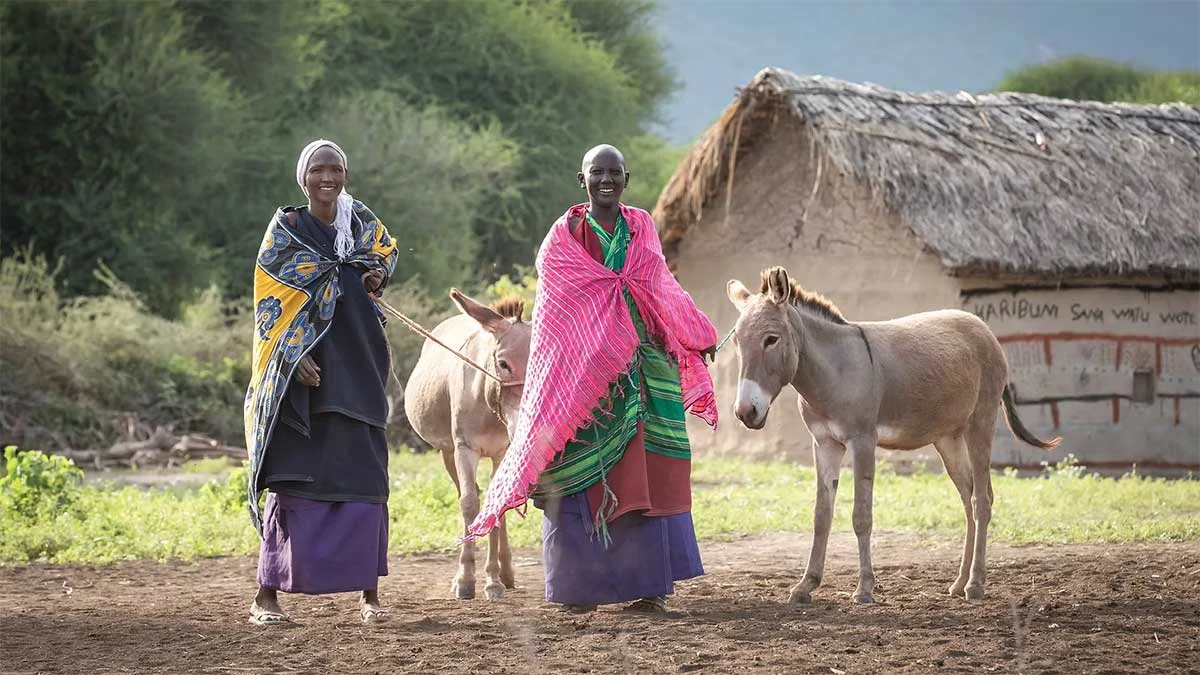
Women do not have their own age-set but are recognised by that of their husbands, Maasai women play crucial roles in their society. Their rituals, though fewer than men’s, are of immense importance, including circumcision and marriage. These two life changes are the most important rites of passage in a Maasai girl’s life. Maasai girls are traditionally circumcised once they reach puberty. After circumcision, they are married.
In the traditional Maasai culture, a woman’s responsibilities encompass a wide range of tasks, from house chores like cooking and building a house to the vital roles of childbearing and milking cattle.
Maasai culture, once a celebration of abundant cattle and children, has witnessed a significant transformation in recent times. The traditional measure of cultural success, a man with multiple wives and children, has given way to a more pragmatic approach. Influenced by factors such as the rising cost of living, the need for education for their children, and the desire for additional income, Maasai men are now opting for fewer wives. This shift has led to a more settled lifestyle, moving beyond the traditional cattle herding.
Marriage in Maasai culture is a multifaceted process, steeped in tradition and symbolism. When a Maasai man decides to marry, he embarks on a journey that involves paying the bride-wealth to the bride’s family. This bride-wealth typically includes honey, beer, and cattle, and the process can span several years. The parents usually take the lead in planning the marriage, with the primary aim being to forge alliances between the sub-clans. In some instances, girls are married off to distant families, leading to extended periods of separation. However, after giving birth, a woman gains more autonomy and can visit her parents and siblings.
When a girl is circumcised and married, she moves to her husband’s homestead. Maasai girls are traditionally married at a younger age, so they first live in their mother-in-law’s house. There, they learn all the tasks of a new wife and later build their own house and have children.
Maasai women, in their unique and cooperative roles, foster a sense of unity and support within their communities. It is rare for a Maasai man to marry only one wife, so Maasai women often have co-wives. Being a sister’s wife is not necessarily a bad thing. In fact, in Maasai culture, other wives assist each other with household tasks, maintaining their husbands’ cattle and extended families. The husband’s responsibility is to sleep in every wife’s house, ensuring fairness and equality within the family structure.
The Maasai Age-Set System
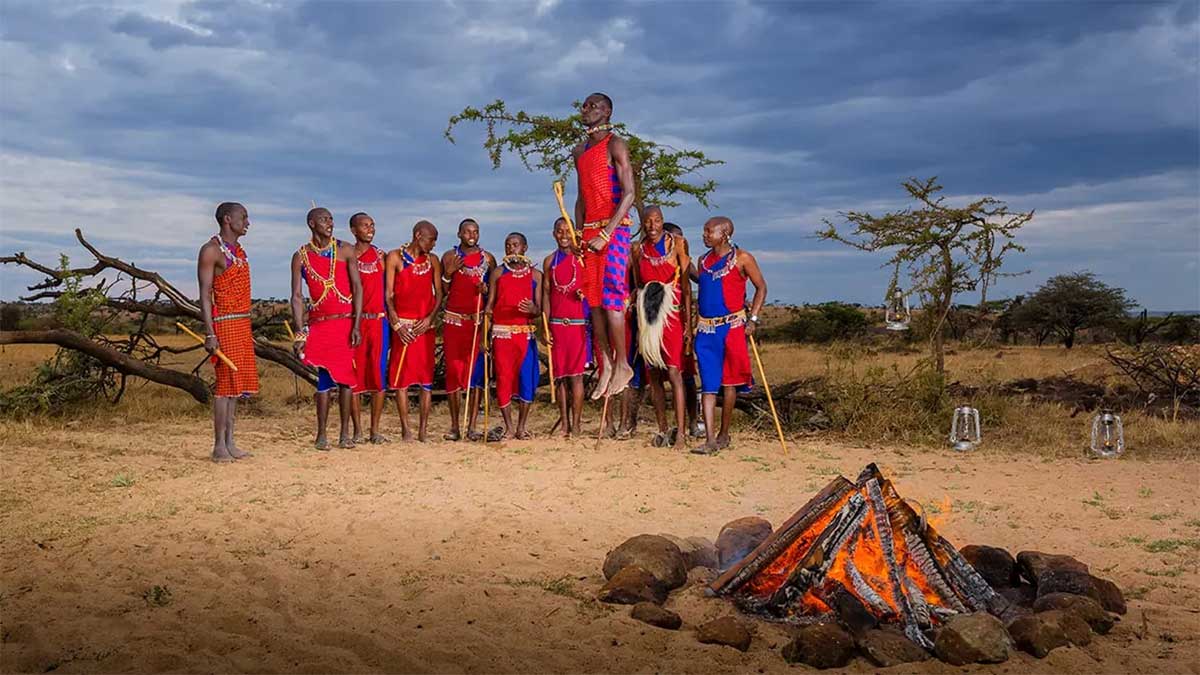
The East African age-set system stands as a cornerstone of social and political organization among the Maasai and other pastoralist communities in East Africa. In Maasai culture, age sets represent a standard stage in life shared by individuals in the same age group. Maasai age sets are defined by the initiation of boys into warriorhood through circumcision ceremonies. The timing of these ceremonies determines the membership of each age set.
In the Maasai tradition, boys are incorporated into an age set at birth, with full membership conferred at the time of their circumcision. This system unites males of similar biological age, guiding them through distinct societal levels, each with its unique responsibilities and behavioral norms.
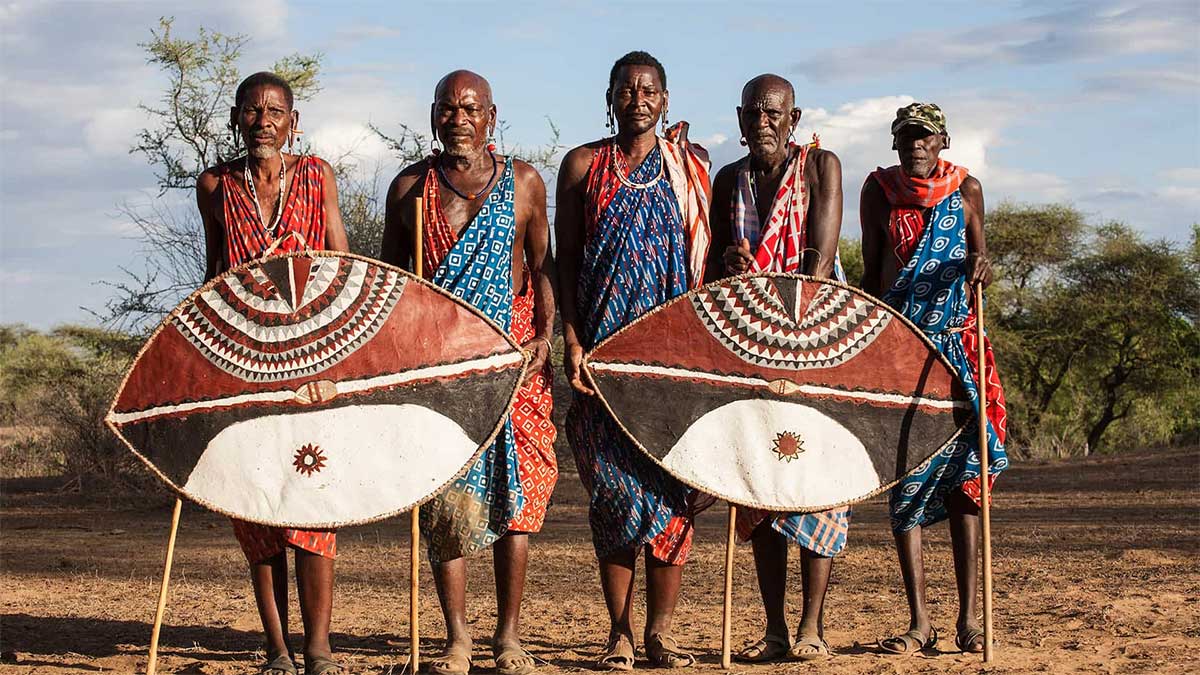
Each age group is distinguished by its name and function, spanning from uncircumcised boys to warriors and elders. Warriors are entrusted with the crucial task of ensuring security and are expected to move from place to place. During their time as warriors, boys are prohibited from eating alone and must dine with their age group peers. Meanwhile, elders are entrusted with the weighty responsibilities of political decision-making and other pivotal roles in society.
Remarkably, women are not assigned to an age set, underscoring the gender-specific nature of the system. In pastoral society, women are entrusted with vital household duties such as cooking, fetching water, and constructing houses. Maasai men have the liberty to marry multiple wives, and their wives become part of the husband’s age set. Importantly, the age-set system affords women a degree of freedom, allowing them to form relationships with men from their husband’s age-set group.
The Maasai people are renowned for their traditional pastoralist lifestyle, centered around herding cattle, goats, and sheep. Their diet traditionally comprised meat, blood, fat, and milk, and has since evolved to include maize. However, the consumption of fruits and vegetables remains limited among many Maasai, with greater acceptance in urban areas influenced by Swahili culture. It’s important to note that the Maasai observe a cultural taboo against consuming chicken or fish, as their creation theory dictates that they were provided with cattle as their exclusive source of sustenance by the God, enkai.
The Cattle Economy of the Maasai.
Cattle represent the fundamental currency in traditional Maasai society. Families seek to accumulate large herds to demonstrate their wealth and confer status.
The Maasai herd primarily East African Zebu cattle, known for their hardiness and adaptability to arid environments. These cattle are selectively bred for desirable traits, such as long horns and specific coat colors. During dry seasons, cattle are moved to temporary grazing camps (ronjo) in search of fresh grass and water, often far from the homestead. Young warriors (morans) and boys (laioni) are responsible for herding and protecting cattle from predators like lions and hyenas
They are sold and bartered in many kinds of exchanges involving goods and services. The Maasai have no central political structure,
Symbolize social relationships: so it is common for cattle to change hands as part of diplomatic relations between clans.
The entire social system is geared to cattle herding and moulded around the transhumant mode of subsistence.
Cattle are almost always part of a young woman’s bride price, delivered by the groom to the bride’s family. A man may take more than one wife if he is wealthy enough—and this wealth, of course, is denominated in cattle.
A community will offer one or more cattle as a gift to a young warrior who exhibits exceptional bravery, and by the same token, payment in cattle may also be demanded as a fine for dishonorable or criminal behavior.
Cattle are objects of affection and of supreme religious significance.
The Maasai have historically depended on their cattle in meeting all of their basic needs: food, clothing, and shelter. Their traditional diet relies heavily on milk and dairy products, lean beef and other meats, cattle fat, and blood, on which they depend for their salt intake. Several cooking utensils and drinking vessels are traditionally made from cattle rib bones and horns. Its hides have often been employed for bedding materials and for the walls or roofs of temporary shelters. More permanent houses include a plaster made from bovine dung and urine. For many years they clothed themselves in garments known as shuka, made from cowhide. Some still use its leather to make sandals.
To the Maasai, then, cattle give meaning to life; they mean life itself.