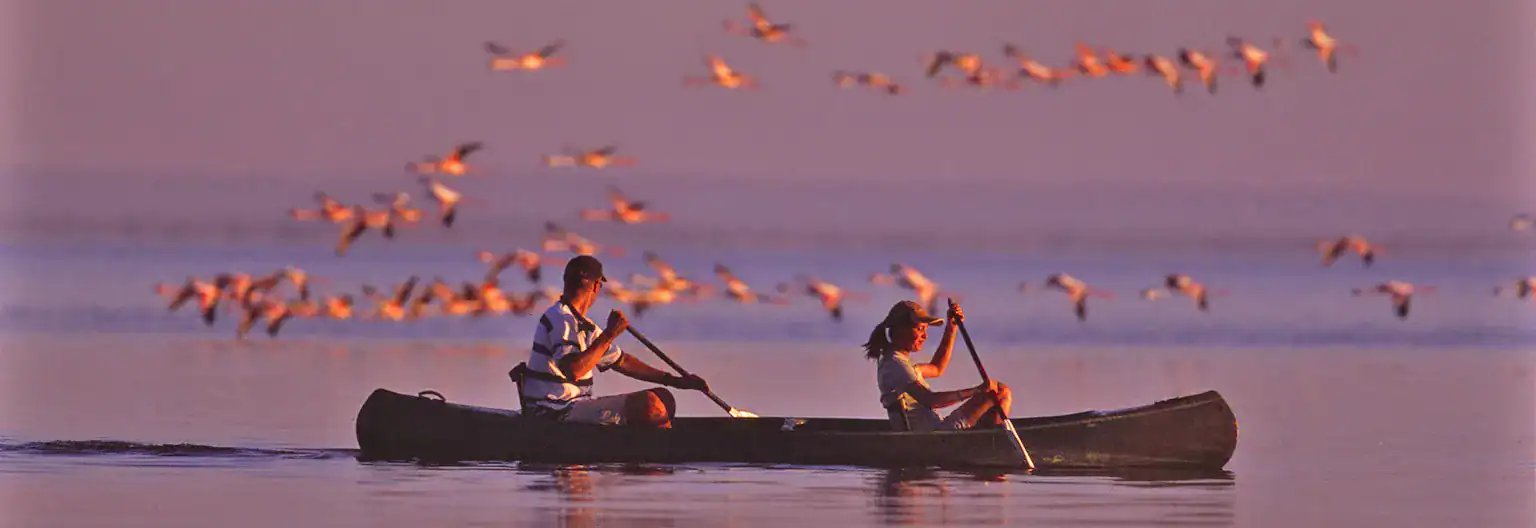
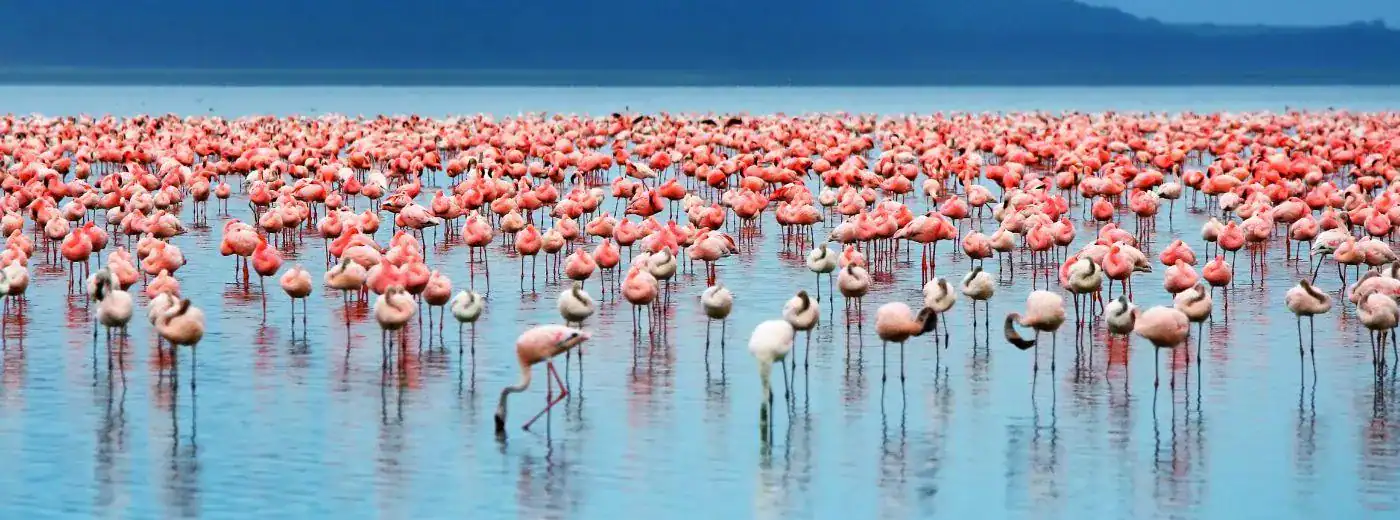
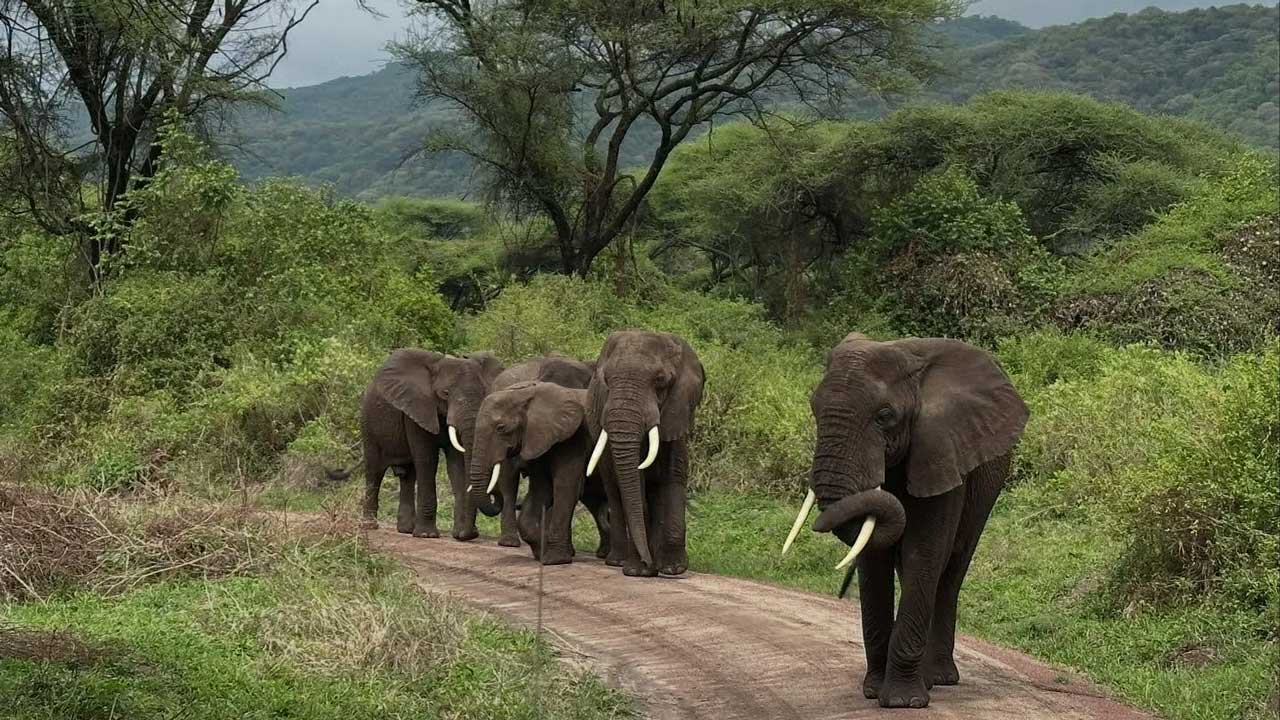
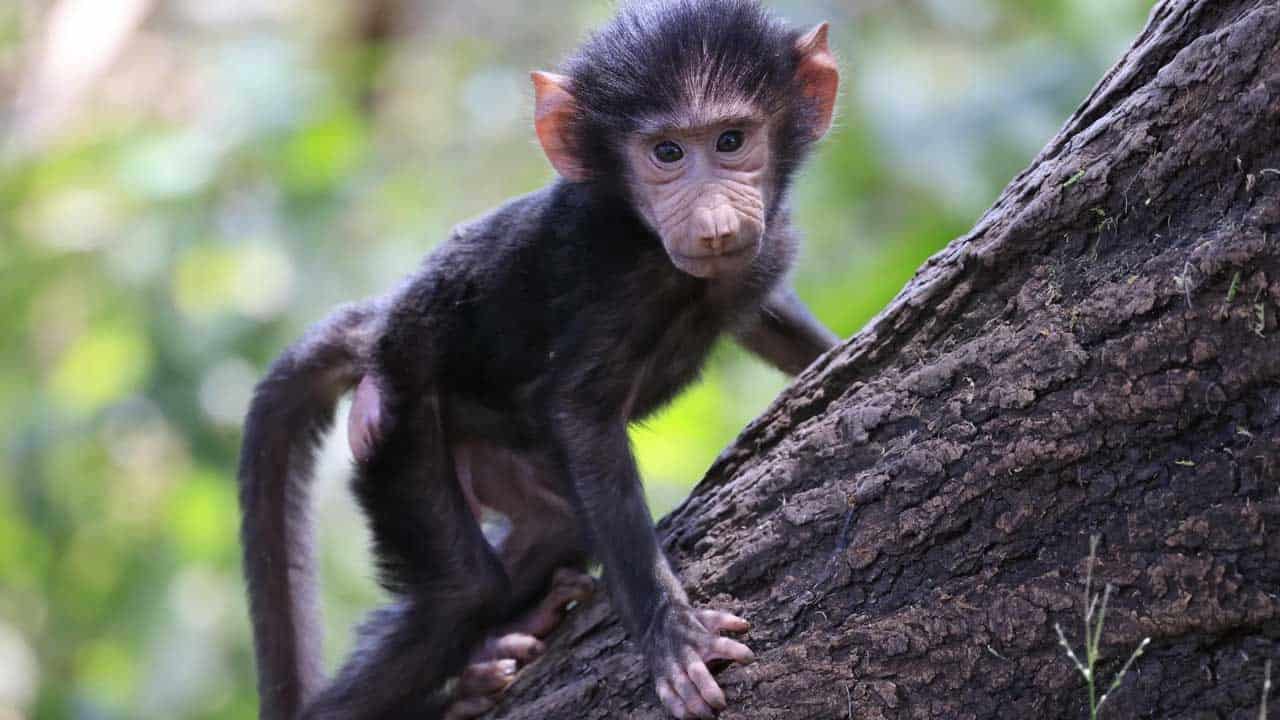
Tarangire National Park ' The Endless Theater '
| Established | 1970 |
| Area | 2,850 km² |
| Elevation | 900–1,500 m |
| Nearest Town | Arusha |
| Main River | Tarangire |
| Key Features | Baobabs, Elephants, |
| Best Time | Jun–Oct |
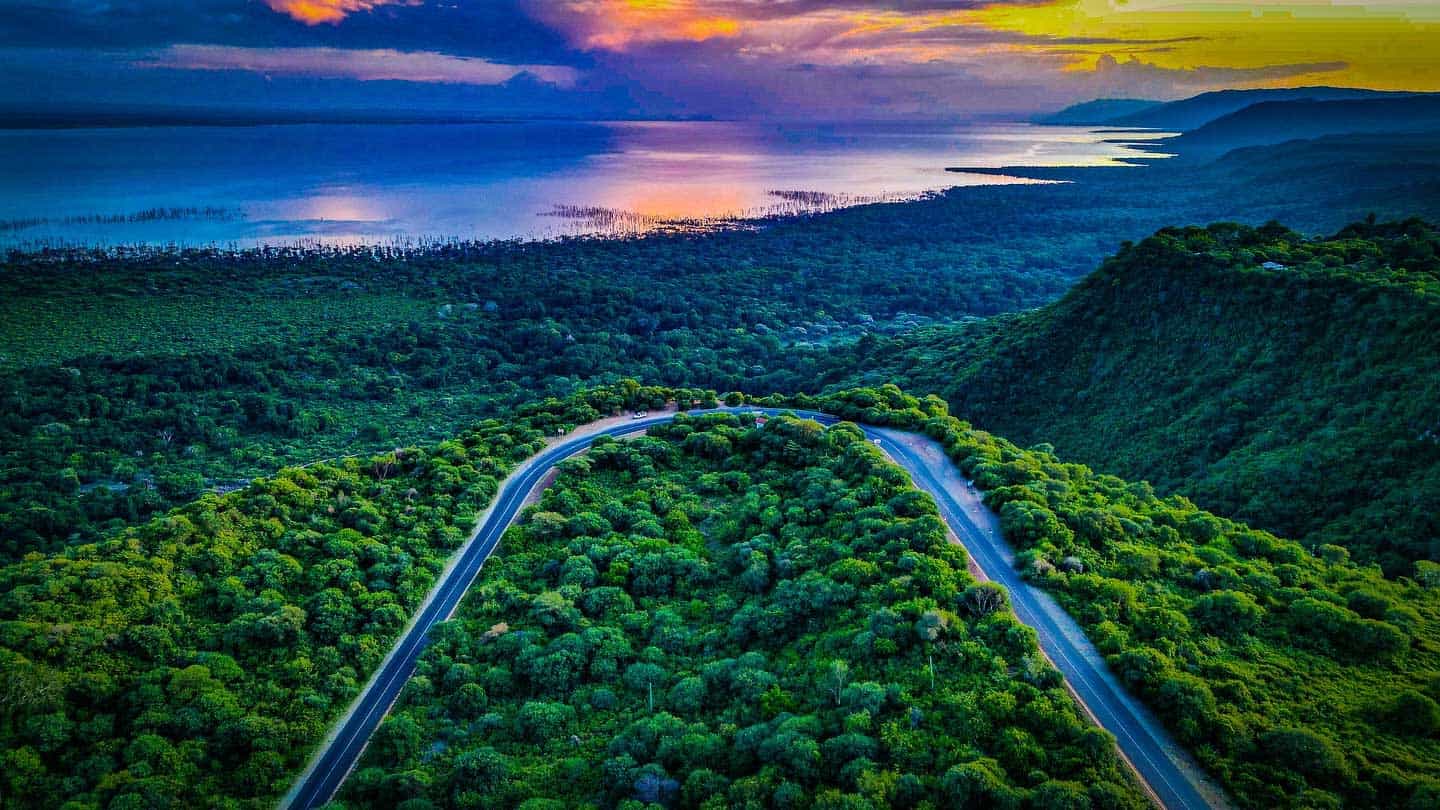
Nestled in northern Tanzania’s Manyara Region, approximately 110 kilometers southwest of Arusha, Tarangire National Park spans 2,850 square kilometers of quintessential East African savannah, riverine forest, and iconic baobab-dotted landscapes. The park draws its evocative name from the Tarangire River—the lifeblood of the ecosystem whose name originates from the local language, meaning “River of the Warthog”—a testament to the warthogs that historically populated its banks.
‘The river is most alive when it appears dead’
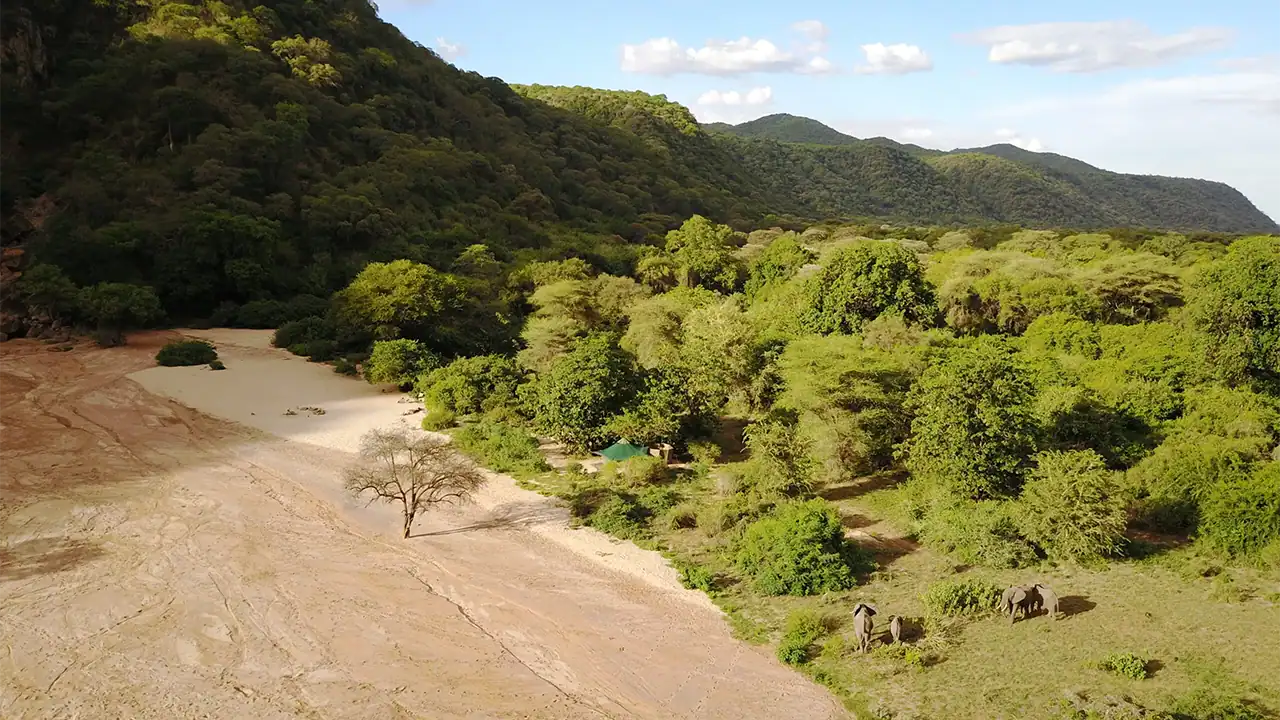
A “sand river” or Omuramba— the Tarangire River is a seasonal watercourse that flows underground for 8 months of the year while appearing as a completely dry, sandy channel on the surface. This unique hydrological phenomenon creates the largest dry-season wildlife concentration in Tanzania, as animals gather along its banks to access water that persists 20-35 meters below the sand in a massive 5.2-billion-cubic-meter aquifer.
Walking with Giants—Elephants Beneath Millennial Trees.
Earth’s largest land mammals beneath some of its oldest living organisms. The Tarangire National park hosts Africa’s highest density of elephants—over 3,000 individuals, with herds regularly exceeding 300 members during the dry season. These giants move among baobabs (Adansonia digitata) that can exceed 1,000 years in age,
The 47-to-1 Secret: How Tarangire’s Elephants and baobabs run a million-year-old business
Every elephant in Tarangire has a portfolio of 47 baobab trees—and the trees have a guaranteed distribution network. Learn how this perfect mathematical partnership works.
A List of all accommodations in Tarangire
A List of all accommodations in Tarangire
| Lodge-Camps | In a Nutshell | Full Description |
|---|---|---|
| Authentic Old‑School Bush & Pioneer Camps
| ||
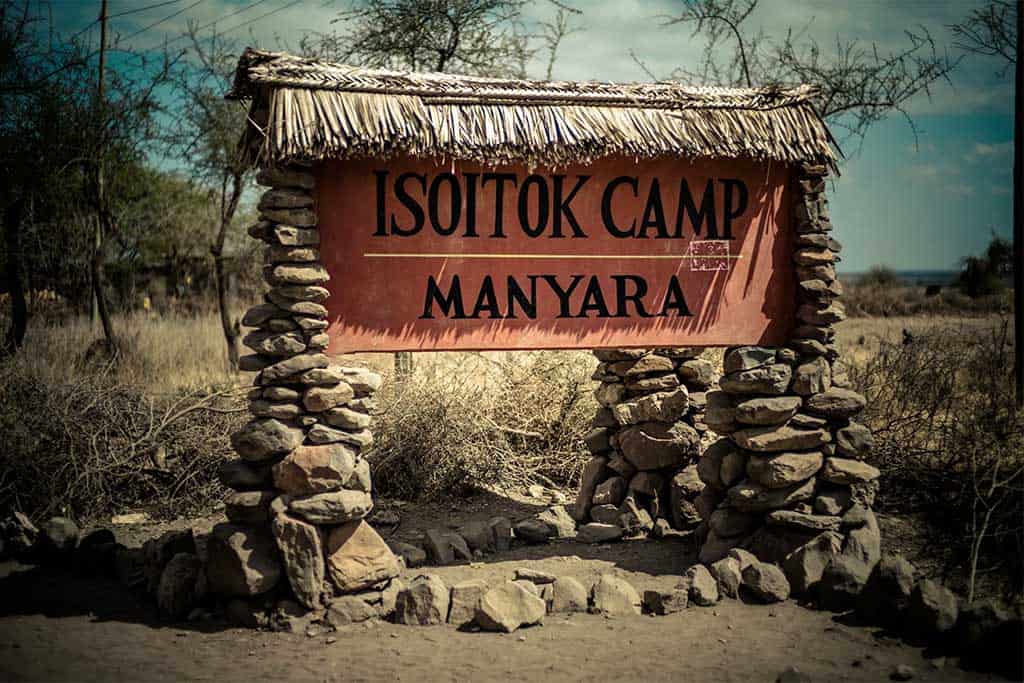
A small, classic tented camp under acacia trees, offering a simple bush experience. | Located between Makuyuni and Mto wa Mbu, Isoitok has just a handful of canvas tents with en‑suite bucket showers. It’s a no‑frills, authentic camp for safari purists. | |
Mid-range: The solid mid‑range base in the south. [Inside (South)] | A reliable mobile tented facility with a friendly atmosphere, giving you access to the same quiet southern wilderness as the luxury camps but at a fraction of the price. | |
Mid-range: The well‑priced mobile camp in the remote south. [Inside (South)] | A seasonal tented camp that moves with the wildlife, offering simple comfort and excellent guiding in the park’s less crowded southern sector—perfect for those who value game viewing over frills. | |
Luxury: The safari purist’s paradise. [Inside (South)] | With only six tents in a prime southern location, it strips away distractions to focus on what matters: exceptional guiding, close wildlife encounters, and an authentic bush vibe. | |
Mid-range: The mobile camp in the rolling grasslands. [Northeast of park] | A small tented camp in the northeastern grasslands, offering a genuine mobile safari experience with a focus on the open plains and the elephant herds that gather there seasonally. | |
Budget/Mid: The authentic, old‑school bush experience with a river view. [Inside (Center)] | The “Old Faithful” of Tarangire—simple, unfussy, and unbeatable. Sit on the stone terrace and watch elephant herds parade along the river below. | |
Luxury: The authentic, old‑school bush pioneer. [Inside (South)] | A gold standard for walking safaris and raw wilderness, where bucket showers and highly trained guides deliver the classic safari experience that seasoned travelers seek. | |
| Once‑in‑a‑Lifetime Architectural & Treehouse Marvels
| ||
Luxury: The once‑in‑a‑lifetime architectural marvel. [Randilen WMA] | A childhood dream made real: rooms woven into ancient baobabs, a main lodge encircling a 1,000‑year‑old tree, and the magic of falling asleep among the branches with the sounds of the bush below. | |
Luxury: The eco‑chic hideaway in a remote corner. [Inside (South‑West)] | Tucked in the less‑visited southern sector, this camp combines lavish tents with a deep commitment to conservation, offering true solitude beside a wildlife‑frequented waterhole. | |
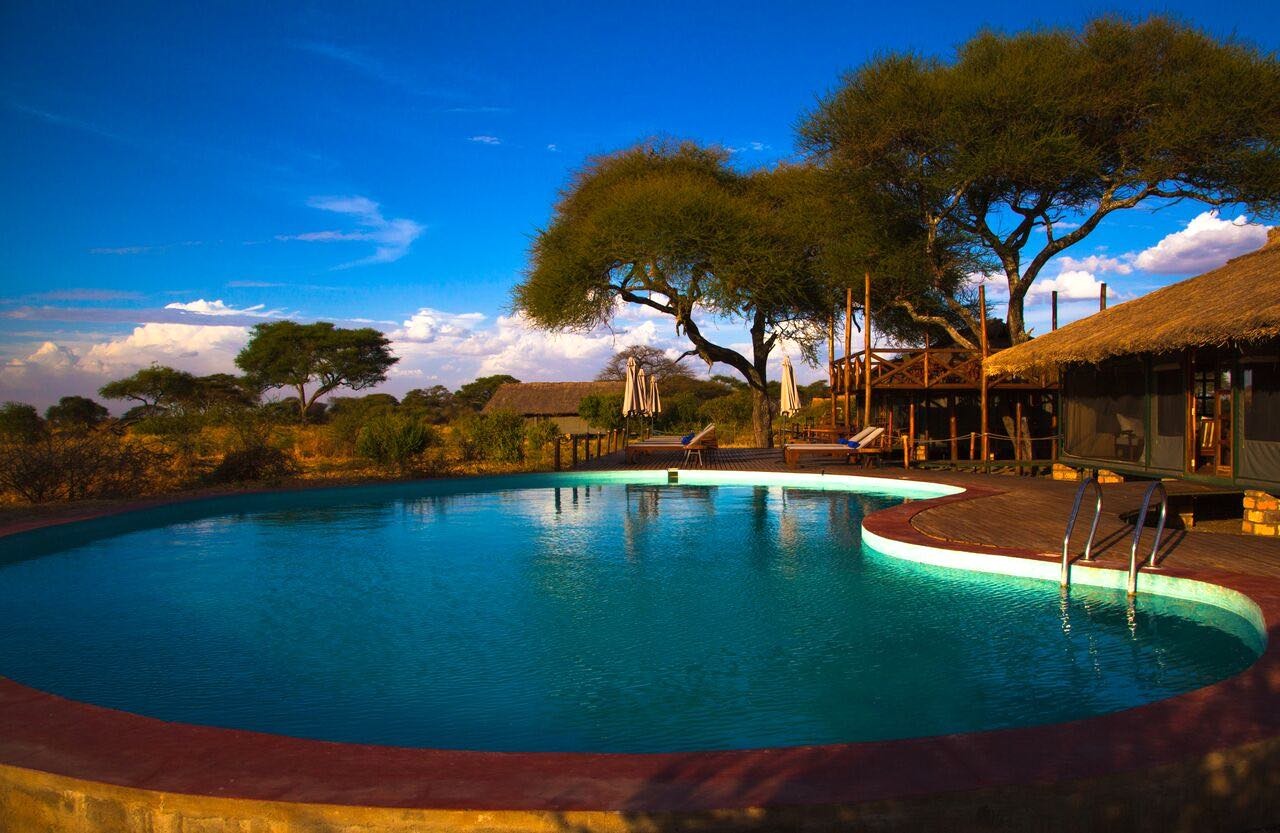
Luxury: The contemporary designer hideout with a waterhole view. [Lolkisale Conservancy] | Fusing modern architecture with the tented safari tradition, it features a pool overlooking a busy waterhole—and a secret underground hide for eye‑level wildlife photography. | |
| Resort‑Like & Family‑Friendly Retreats
| ||
Budget/Mid: The value‑friendly base with lake views. [Near Lake Burunge} | A large, lively camp outside the park where you can enjoy infinity pools, night drives, and walking safaris without the price tag of a luxury lodge. | |
Budget/Mid: The mid‑range riverfront option. [Near Lake Burunge] | A relatively large camp set along the Tarangire River outside the park, offering good value, a swimming pool, and a relaxing atmosphere for those who prefer a quieter stretch of water before entering the main reserve. | |
Budget/Mid: The reliable, resort‑style comfort for families and groups. [Mawe Ninga area] | A sprawling, 75‑room lodge with spacious grounds, a swimming pool, and staff who break into song at dinner—a classic choice for those who value consistency and space. | |
Mid-Range: The resort‑like atmosphere with a poolside zebra view. [Outside (Manyara)] | Lively, family‑friendly, and set on the shores of Lake Manyara, it’s the place where you can lounge by a massive pool while zebras graze right outside your tent. | |
| Luxury with Sweeping Views & Private Decks
| ||
Luxury: The modern luxury camp with a front‑row seat. [Inside Central] | A newer option where contemporary suites and a rim‑flow pool put you within arm’s reach of elephants that come to drink at the nearby spring. | |
Mid-Range: The secluded kopje escape with sweeping views. [Inside (West)] | A smaller, quieter annex to Mawe Ninga, perched on its own granite outcrop—ideal for travelers who want dramatic scenery and a sense of isolation without moving far from the game‑rich western plains. | |
Mid-Range: The dramatic kopje hideout. [Inside (West)] | Perched atop ancient granite boulders, this camp delivers one of the park’s most spectacular settings—perfect for those who want a mid‑range camp without compromising on location. | |
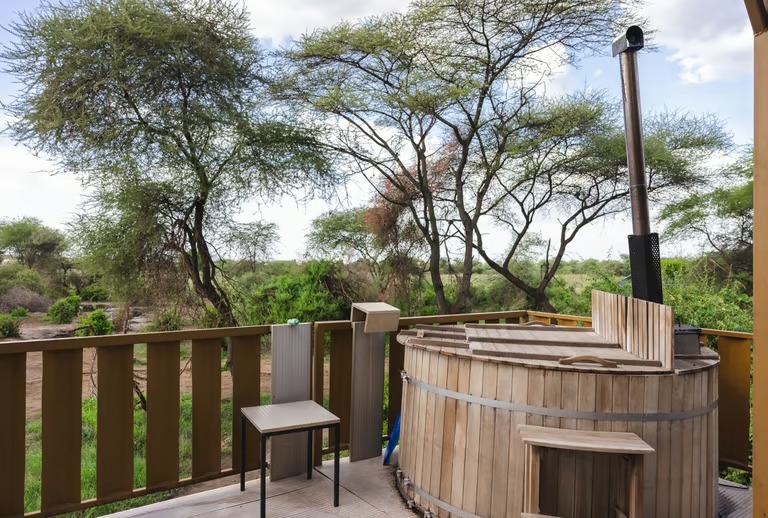
Luxury: The viewpoint with a private outdoor bathtub. [Inside the park] | Perched high on an escarpment, it offers what many call the best views in the ecosystem—best enjoyed from your own deck while soaking in a tub under the stars. | |
| Stylish Slow Safari & Wellness Sanctuaries
| ||
The boho-chic sanctuary where design meets the Tarangire landscape. | A camp that feels like it belongs in Tarangire, not one that tries to dominate it. Located inside the park and overlooking a seasonal riverbed, its boho-inspired style uses locally sourced natural materials to create a space that is both luxurious and deeply authentic. From your private deck, you can witness elephants crossing the riverbank as you savor gourmet meals under the stars. | |
Ultra-Luxury: The stylish slow‑safari sanctuary. [Burunge WMA] | A place where time slows down and luxury feels effortless, set in a private concession where game drives, walking safaris, and wellness come together with understated elegance. | |
Ultra-Luxury: The intimate, exclusive‑use hideaway.[Burunge WMA] | Perfect for a private group or family wanting their own vehicle, guides, and a deeply personal connection to the wilderness without sacrificing an ounce of style. | |
Ultra-Luxury: The vintage‑styled group retreat. [Burunge WMA] | A charming, exclusive‑use camp for up to eight guests, evoking the romance of old‑world safaris with hand‑picked furnishings and a storybook atmosphere. | |
Mid-range: The solid mid‑range base in the south. [Inside (South)] | A reliable mobile tented facility with a friendly atmosphere, giving you access to the same quiet southern wilderness as the luxury camps but at a fraction of the price. | |
| Contemporary Designer Hideouts
| ||
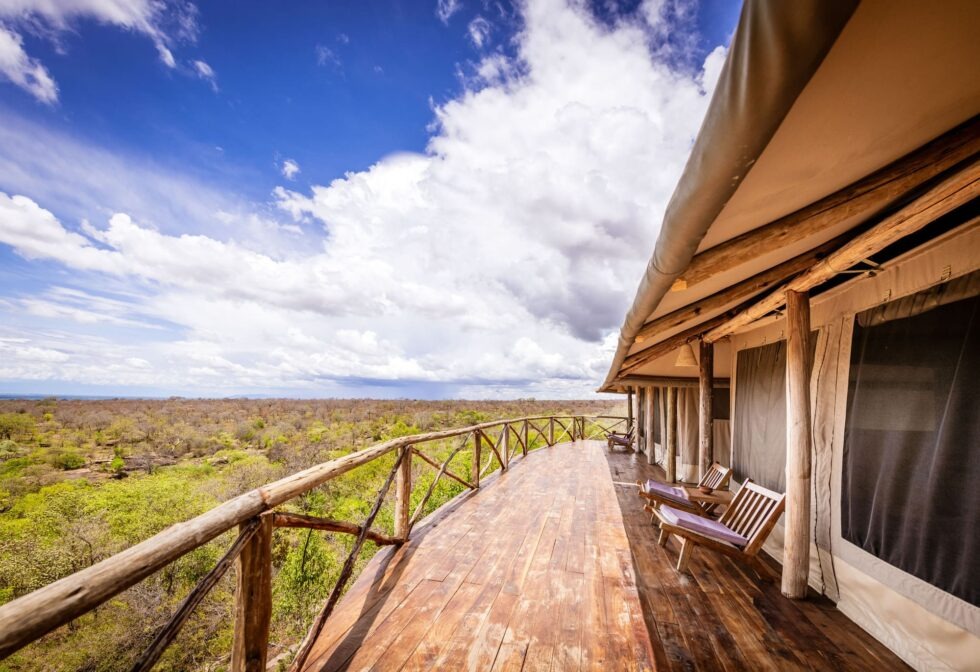
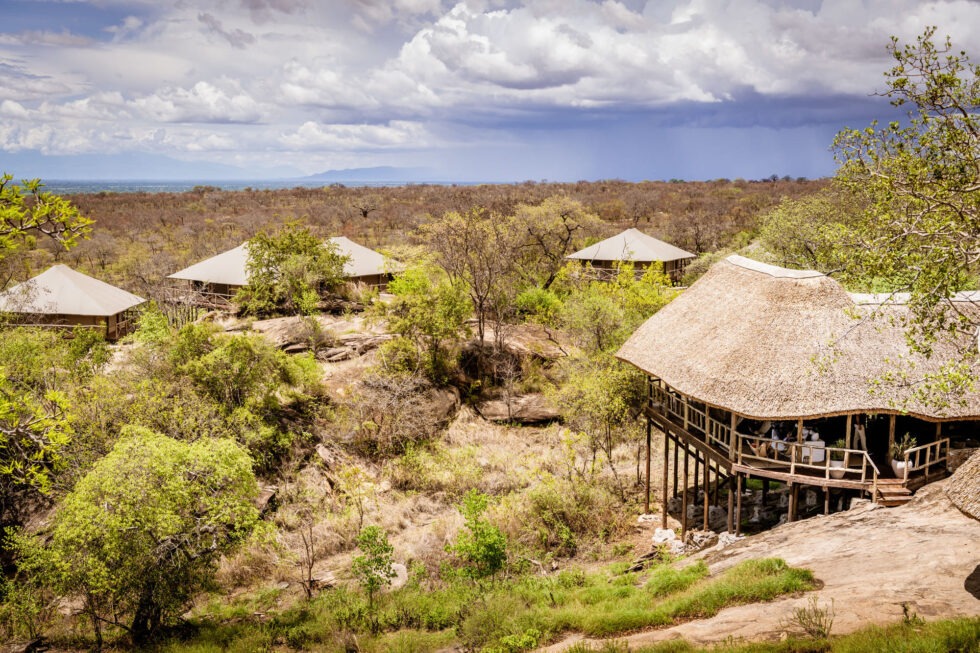
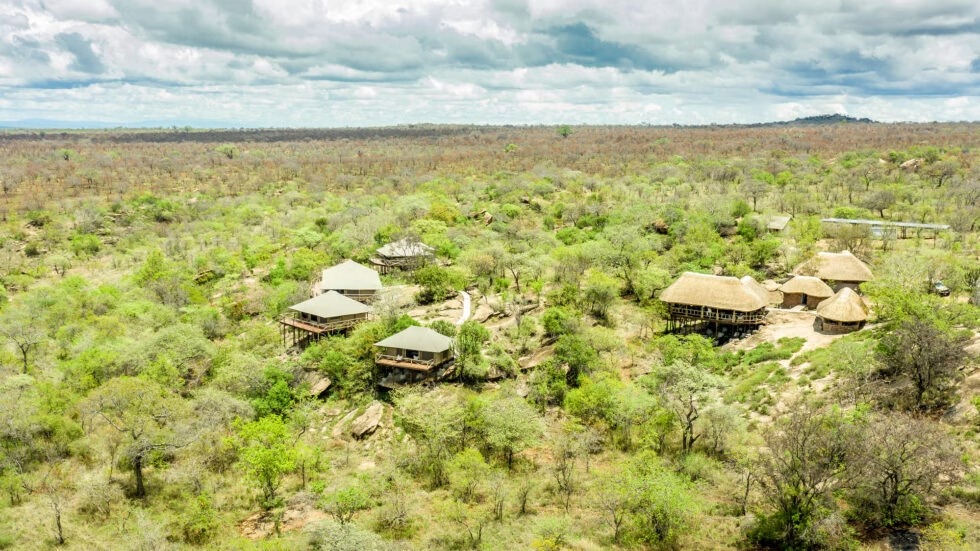
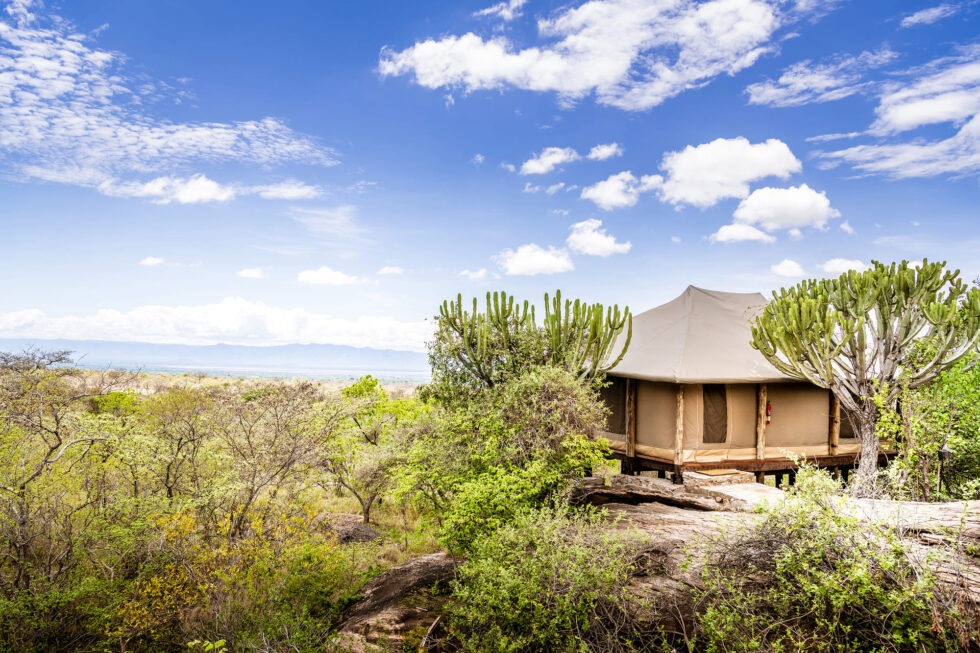
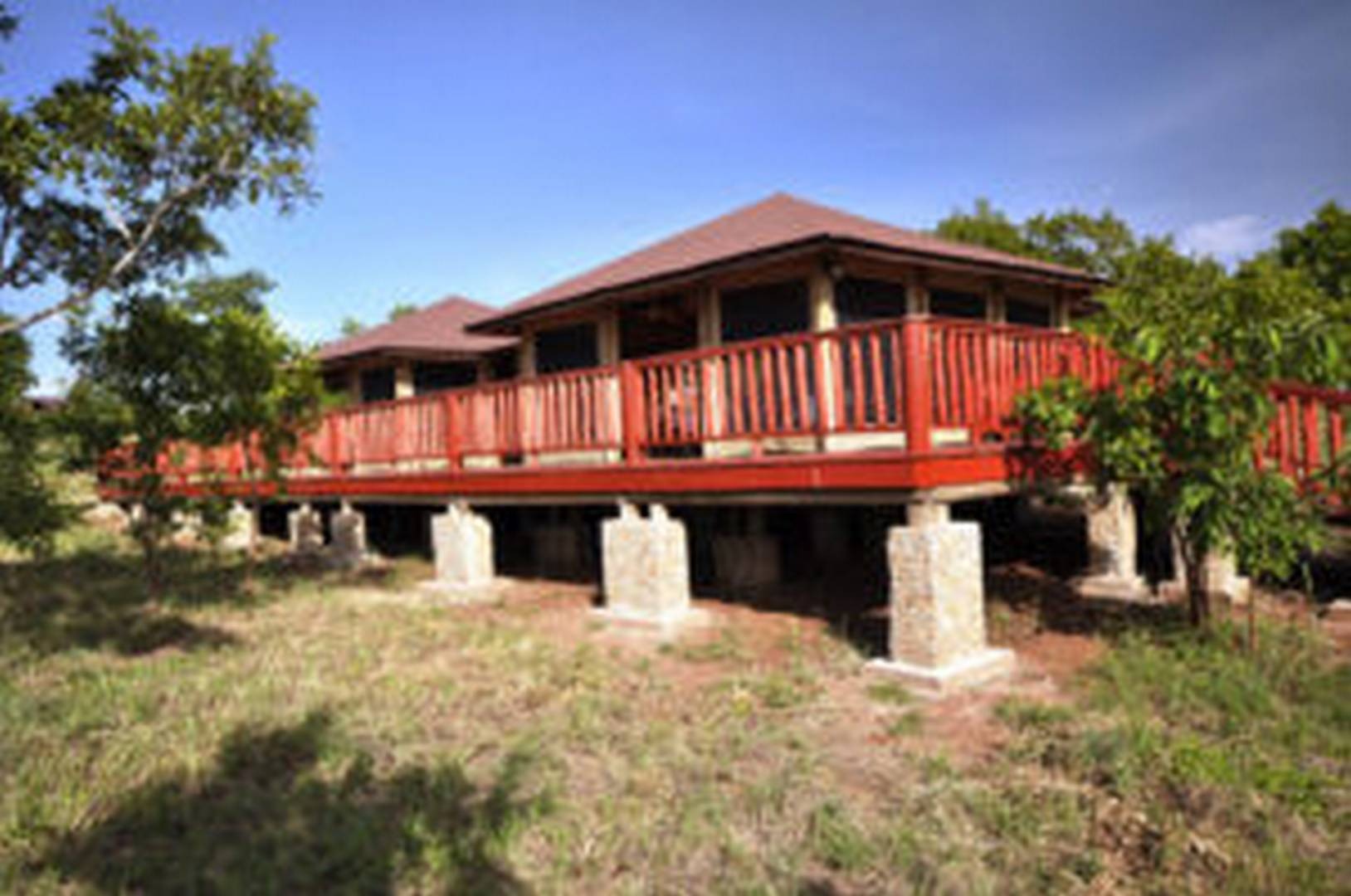
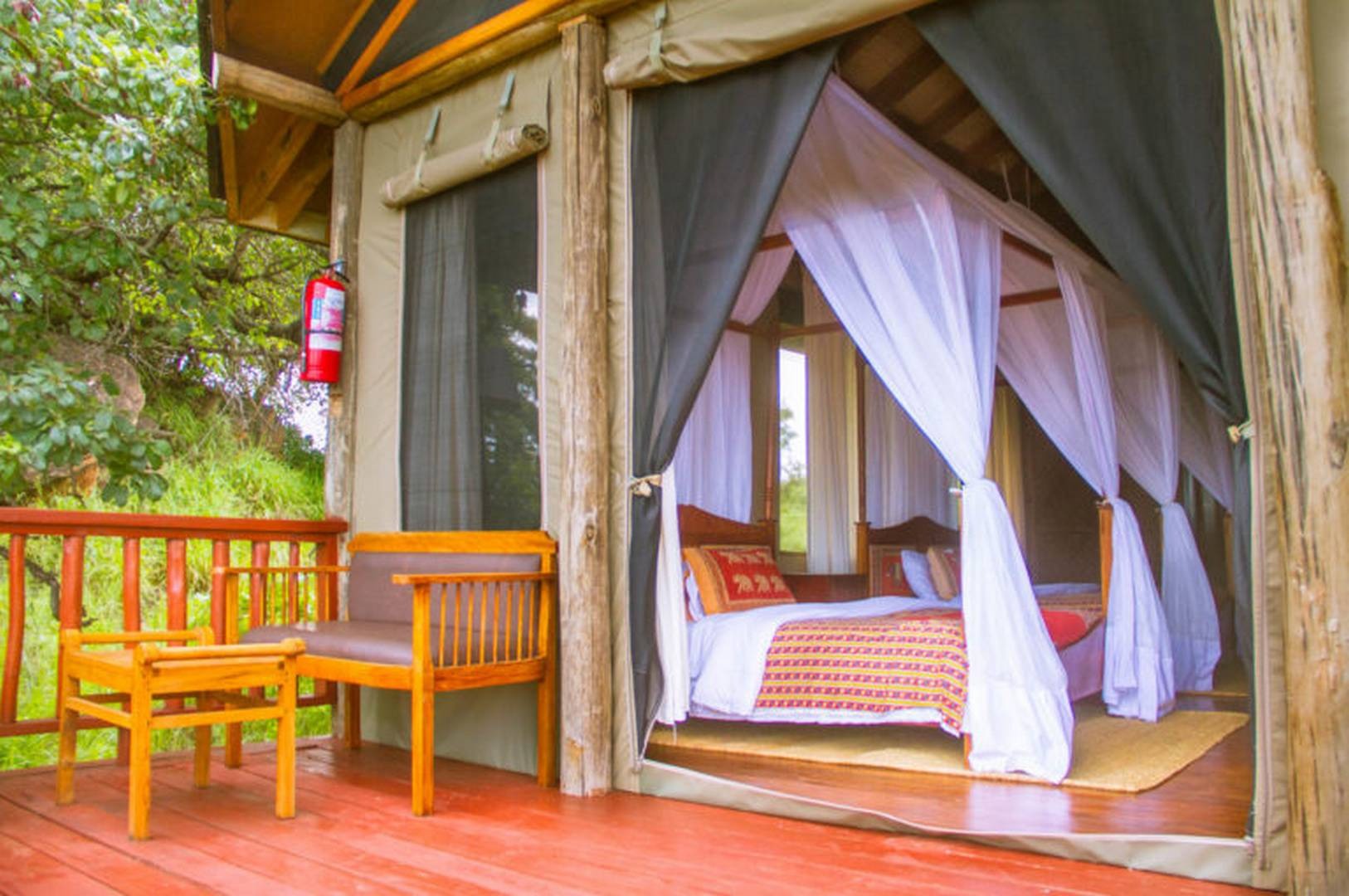
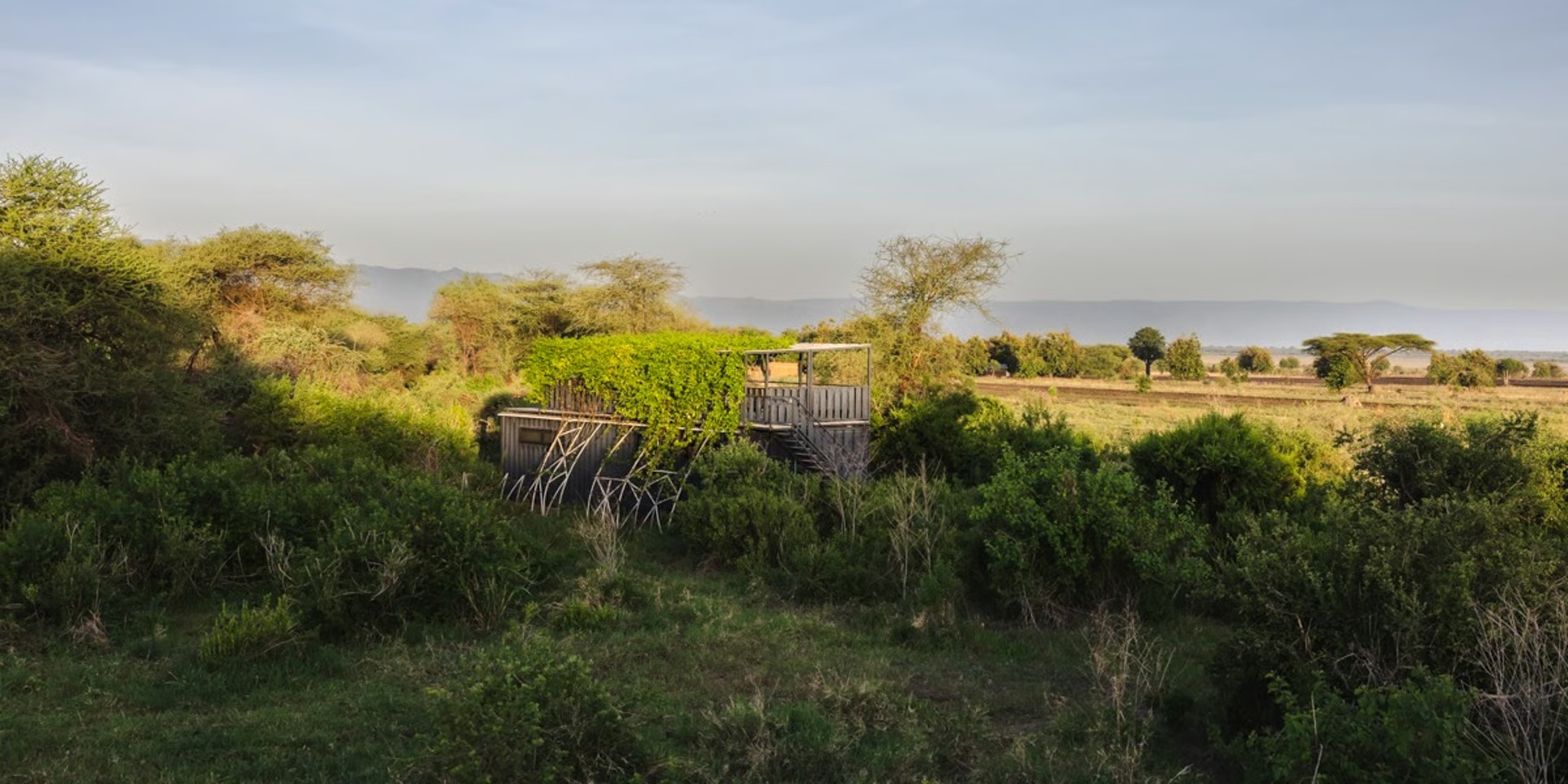
The hidden gem perched on elevated stilts with panoramic views. | A well-kept secret, this camp is set on an elevated rock face with breathtaking panoramic views of the plains. The tents are spacious, well-appointed, and feature a large deck perfect for soaking in the African sunset. Guests consistently praise the warm hospitality, comfortable beds, and the incredible hot showers—a true luxury in the bush. | |
Mid-Range: The reliable, no‑surprises comfort stop. [Madege area] | A straightforward, business‑friendly lodge with a clean pool, solid service, and exceptional guest ratings—ideal for those who want a dependable place to rest between game drives without the high price or fuss. | |
Luxury: The conservation‑focused boutique escape. [Randilen WMA] | An intimate eight‑tent camp in a wildlife management area, where night drives and walking safaris are paired with a strong commitment to community and habitat protection. | |
Luxury: The contemporary designer hideout with a waterhole view. [Lolkisale Conservancy] | Fusing modern architecture with the tented safari tradition, it features a pool overlooking a busy waterhole—and a secret underground hide for eye‑level wildlife photography. | |
| Remote Southern Wilderness & Safari Purist Camps
| ||
Budget: The feng shui retreat of gentle simplicity. [Western border] | Set far apart in a quiet corner, this small camp focuses on tranquility and detail—tents arranged for solitude and designed with a subtle Asian influence that feels unexpectedly harmonious. | |
Mid-Range: The classic mobile camp in the southern wildlife corridor. [Remote Southern Wilderness] | A mobile tented camp situated deep inside Tarangire near the wildlife-rich Silale Swamp. With just 11 well-appointed safari tents, it offers an authentic bush experience. Guests are among the first to enter the park for sunrise game drives, maximizing wildlife encounters. The camp features en-suite bathrooms with hot bucket showers and flush toilets, solar-powered lighting, a communal mess tent, and a nightly campfire. The camp's infrastructure is entirely mobile, designed to leave no lasting impact on the environment. | |
Luxury: The eco‑chic hideaway in a remote corner. [Inside (South‑West)] | Tucked in the less‑visited southern sector, this camp combines lavish tents with a deep commitment to conservation, offering true solitude beside a wildlife‑frequented waterhole. | |
Mid-range: The solid mid‑range base in the south. [Inside (South)] | A reliable mobile tented facility with a friendly atmosphere, giving you access to the same quiet southern wilderness as the luxury camps but at a fraction of the price. | |
Mid-range: The well‑priced mobile camp in the remote south. [Inside (South)] | A seasonal tented camp that moves with the wildlife, offering simple comfort and excellent guiding in the park’s less crowded southern sector—perfect for those who value game viewing over frills. | |
Luxury: The safari purist’s paradise. [Inside (South)] | With only six tents in a prime southern location, it strips away distractions to focus on what matters: exceptional guiding, close wildlife encounters, and an authentic bush vibe. | |
Luxury: The authentic, old‑school bush pioneer. [Inside (South)] | A gold standard for walking safaris and raw wilderness, where bucket showers and highly trained guides deliver the classic safari experience that seasoned travelers seek. | |
| Conservation‑Focused & Eco‑Conscious Lodges
| ||
Budget: The eco‑conscious, value‑driven haven. [Inside near Burunge] | A small, peaceful lodge with boutique tents, and a focus on sustainability—ideal for travelers who want comfort with a lighter footprint and a more personal touch. | |
Mid-Range: The research‑minded lodge on the northeastern border. [Makuyuni] | A unique blend of conservation education and comfortable accommodation, appealing to travelers interested in the ecology of Tarangire beyond the typical game drive. | |
Luxury: The conservation‑focused boutique escape. [Randilen WMA] | An intimate eight‑tent camp in a wildlife management area, where night drives and walking safaris are paired with a strong commitment to community and habitat protection. | |
Mid-range: The solid mid‑range base in the south. [Inside (South)] | A reliable mobile tented facility with a friendly atmosphere, giving you access to the same quiet southern wilderness as the luxury camps but at a fraction of the price. | |
| Mid‑Range Kopje & Scenic Hideaways
| ||
Mid-Range: The Maasai‑inspired hilltop retreat. [Near Sangaiwe Gate] | A lodge with cottage‑style rooms and a swimming pool, set on a hillside near Sangaiwe Gate, where Maasai motifs and warm hospitality create a cultural touchstone. | |
Mid-Range: The secluded kopje escape with sweeping views. [Inside (West)] | A smaller, quieter annex to Mawe Ninga, perched on its own granite outcrop—ideal for travelers who want dramatic scenery and a sense of isolation without moving far from the game‑rich western plains. | |
Mid-Range: The dramatic kopje hideout. [Inside (West)] | Perched atop ancient granite boulders, this camp delivers one of the park’s most spectacular settings—perfect for those who want a mid‑range camp without compromising on location. | |
| Value‑Friendly Bases & Gateway Camps
| ||
Budget: The simple, welcoming stop near Sangaiwe Gate. [Near Sangaiwe Gate] | A straightforward lodge with free breakfast and Wi‑Fi, serving as a convenient gateway for early morning entry into the park without the cost of a luxury stay. | |
Mid-Range: The convenient stop near Kuro Airstrip. [Near Kuro Airstrip] | A modest 3‑star tentalow positioned for fly‑in safari guests, offering 24‑hour room service and a no‑hassle base for exploring the southern reaches of the park. | |
Mid-Range: The straightforward tentalow near the entrance gate. [Near Entrance Gate] | A simple, well‑positioned camp for budget‑conscious travelers who want quick park access without the long drive from outside towns. | |
Budget: The convenient, no‑frills gateway. [Near Entrance Gate] | Located just minutes from the main gate, it’s a solid budget option that lets you get into the park early without a long commute. | |
| Budget‑Friendly & No‑Frills Options
| ||
Budget: The no‑frills campground with a garden feel. [Inside near Burunge] | A basic tented camp that caters to self‑drive visitors and those seeking a simple, affordable base—often with meals included and a friendly, laid‑back vibe. | |
The hidden gem perched on elevated stilts with panoramic views. | A well-kept secret, this camp is set on an elevated rock face with breathtaking panoramic views of the plains. The tents are spacious, well-appointed, and feature a large deck perfect for soaking in the African sunset. Guests consistently praise the warm hospitality, comfortable beds, and the incredible hot showers—a true luxury in the bush. | |
The basic tented camp for wildlife enthusiasts on a budget. | A budget-friendly campsite known for its excellent wildlife viewing from a designated hide. The site is rustic and basic, providing a true back-to-nature camping experience. The main draw is the access to a nearby waterhole, which attracts large numbers of elephants, giraffes, and other antelopes, especially during the dry season. | |
Luxury: The safari purist’s paradise. [Inside (South)] | With only six tents in a prime southern location, it strips away distractions to focus on what matters: exceptional guiding, close wildlife encounters, and an authentic bush vibe. | |
 For travelers who want raw wilderness, walking safaris, and a classic safari vibe































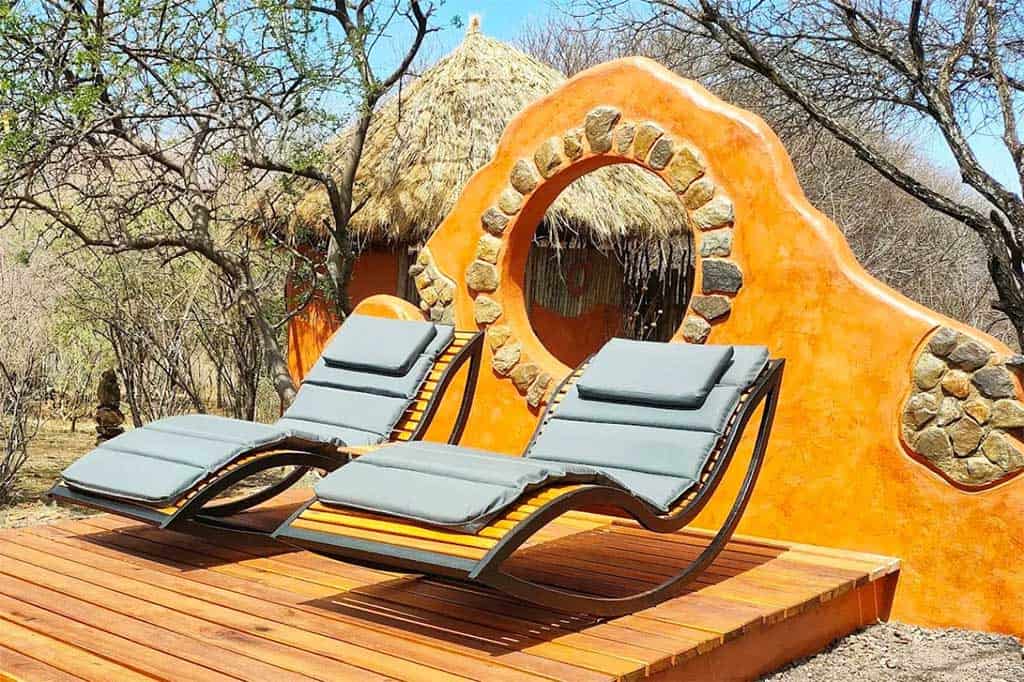
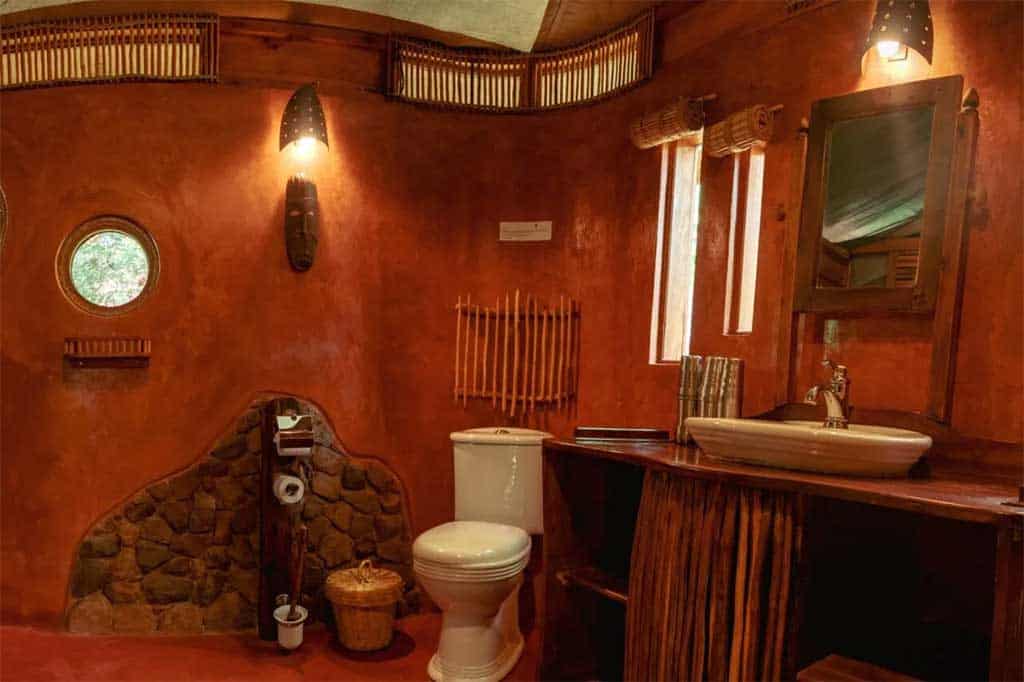
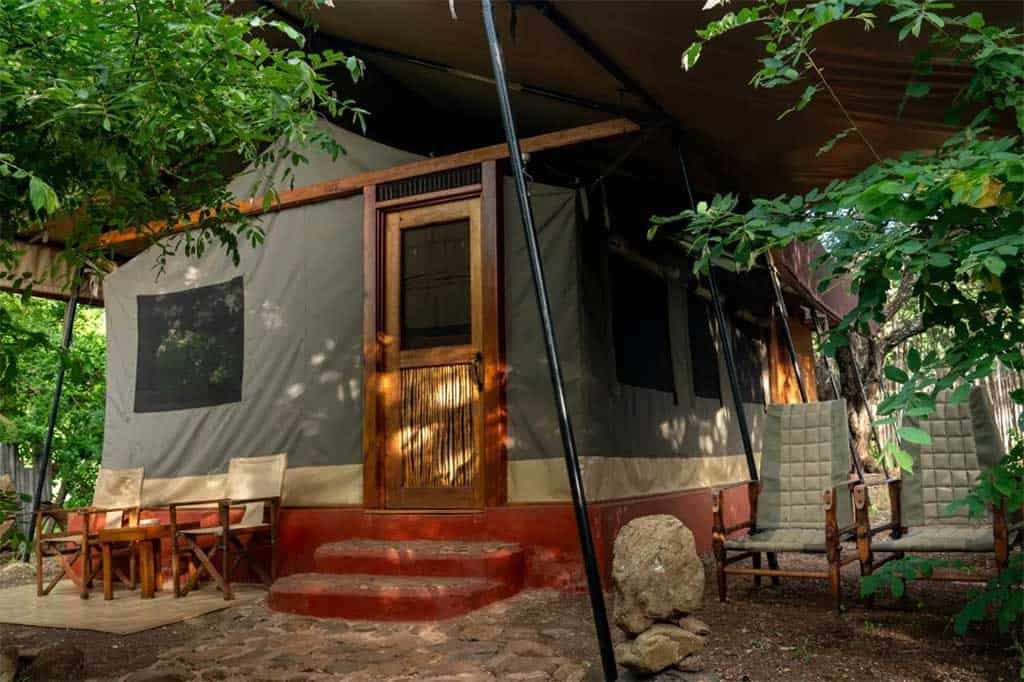
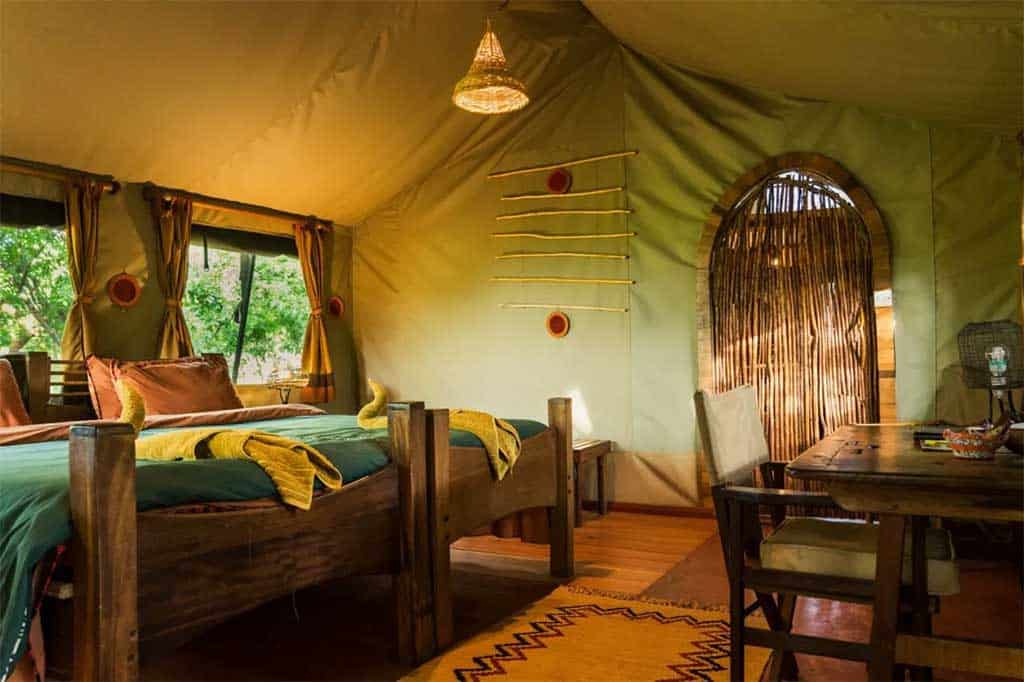
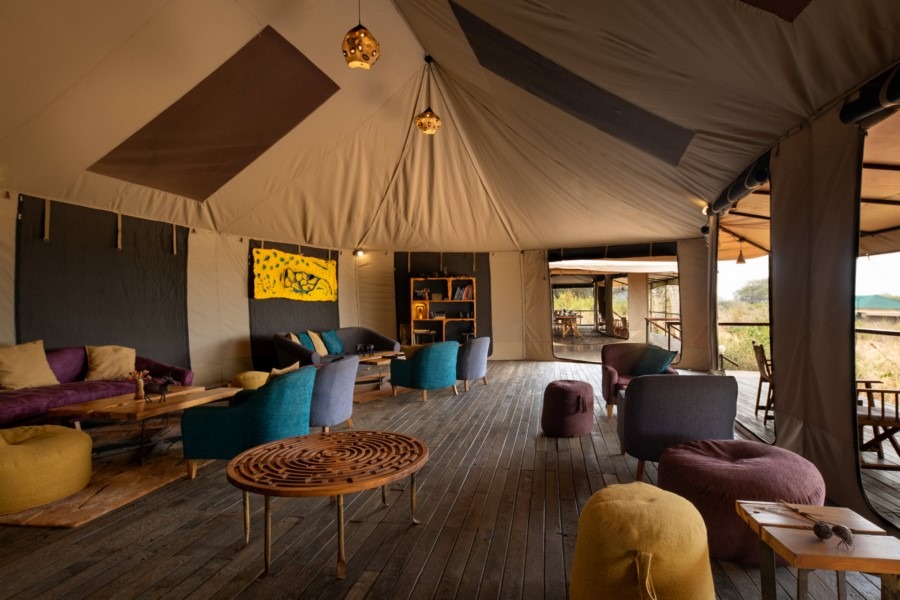
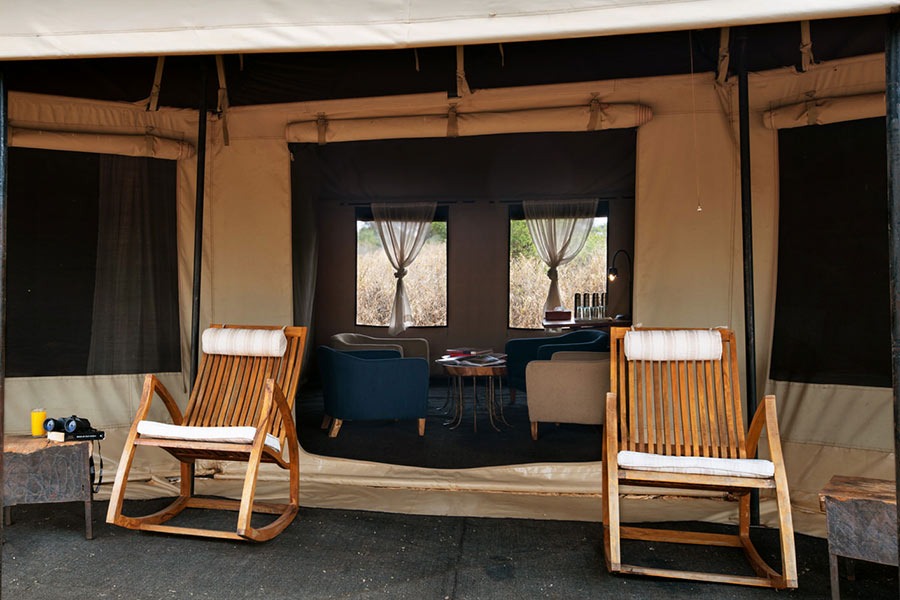
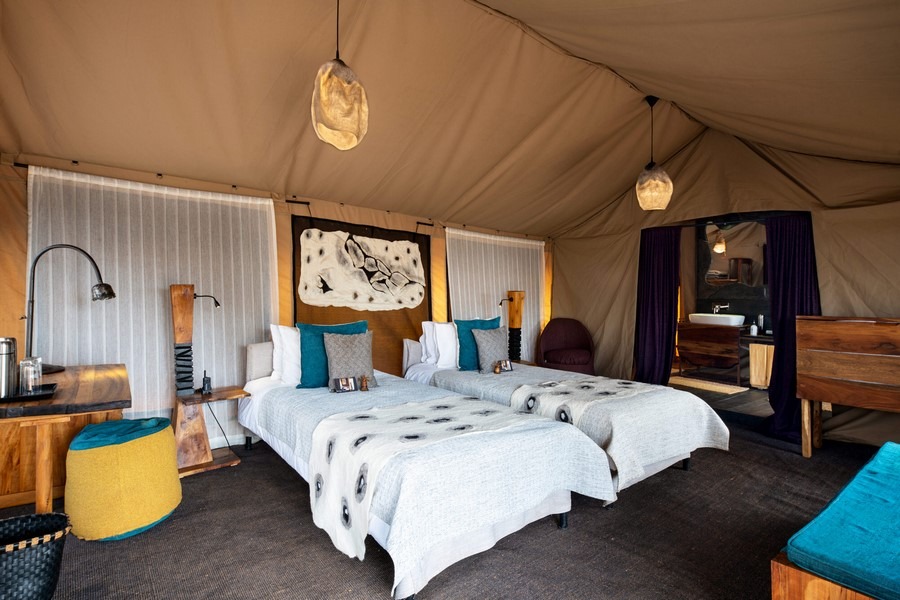
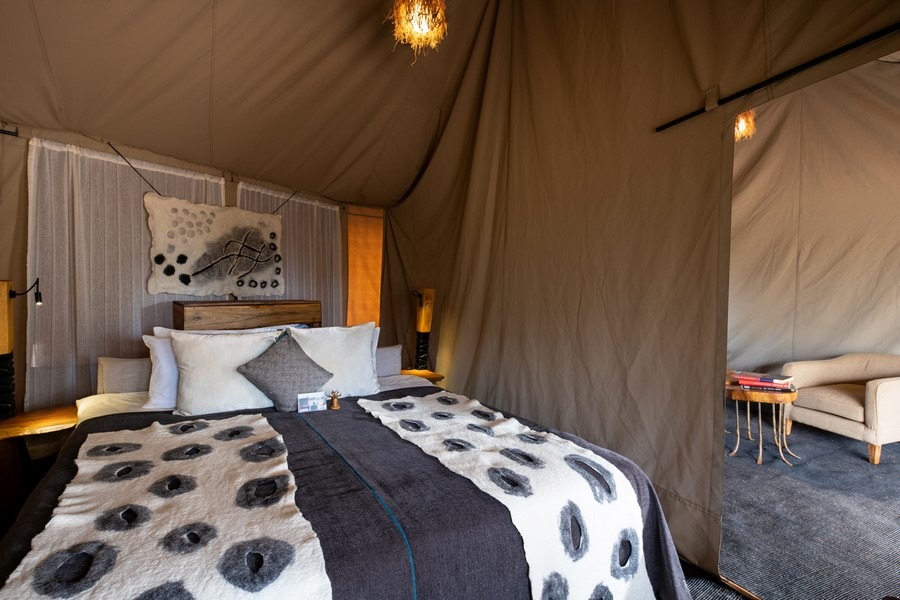
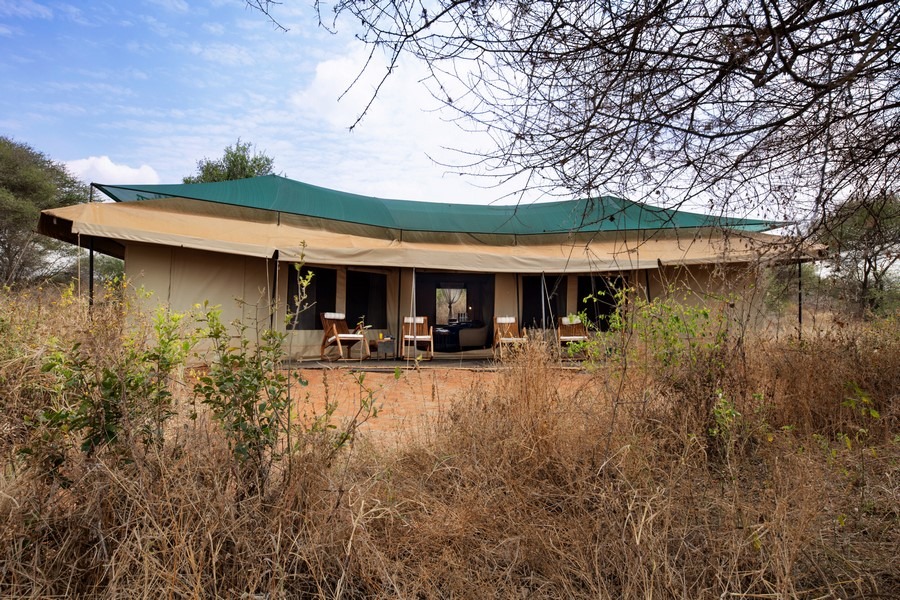
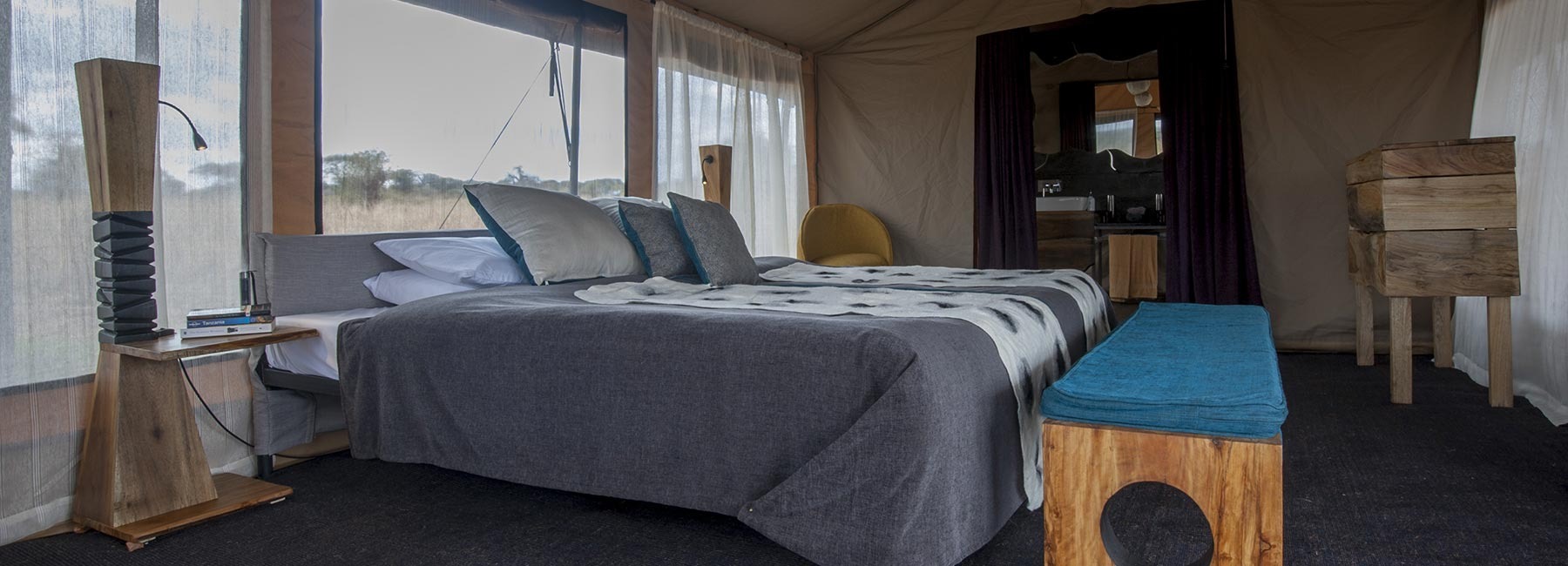
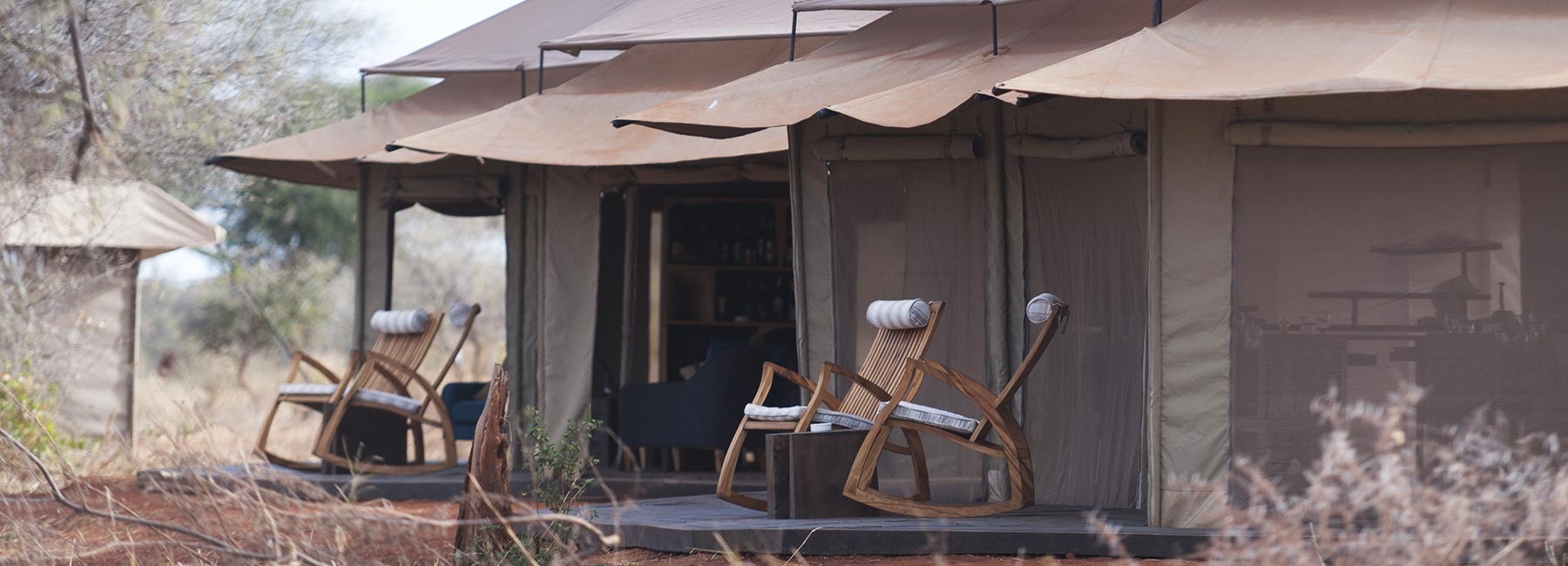
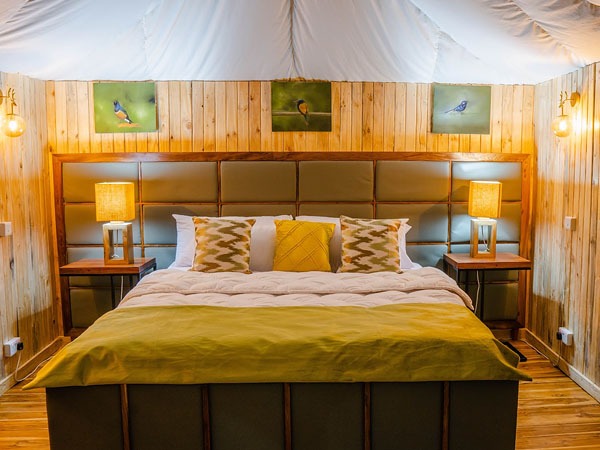
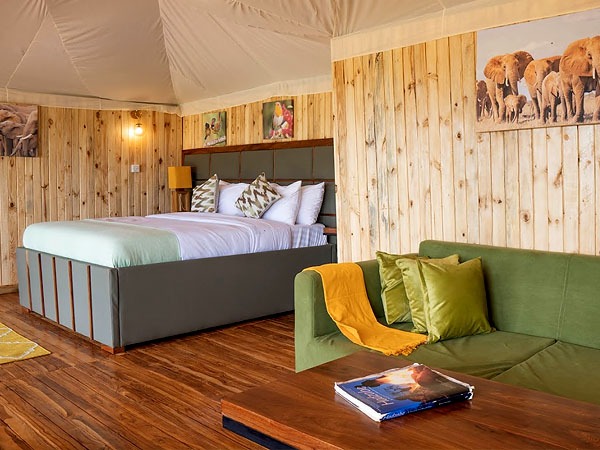
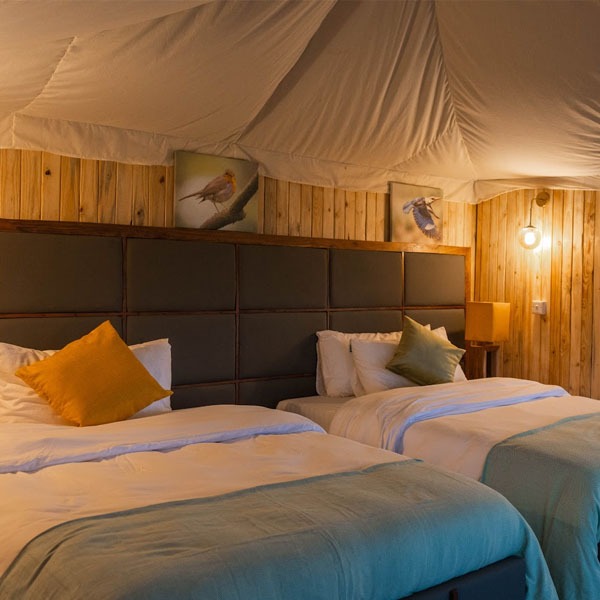
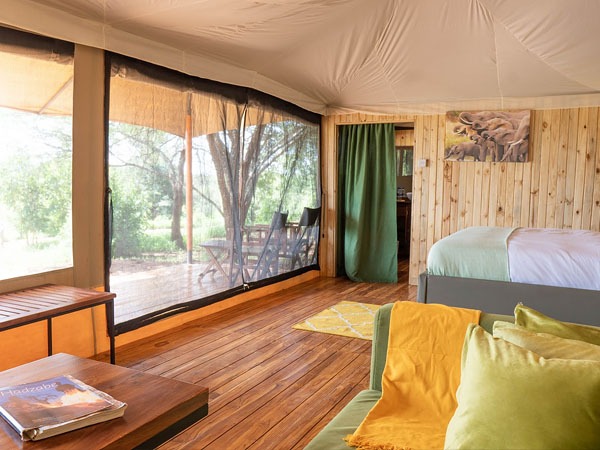
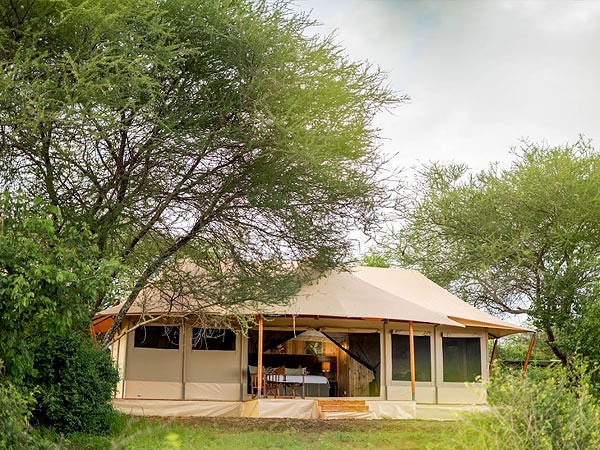
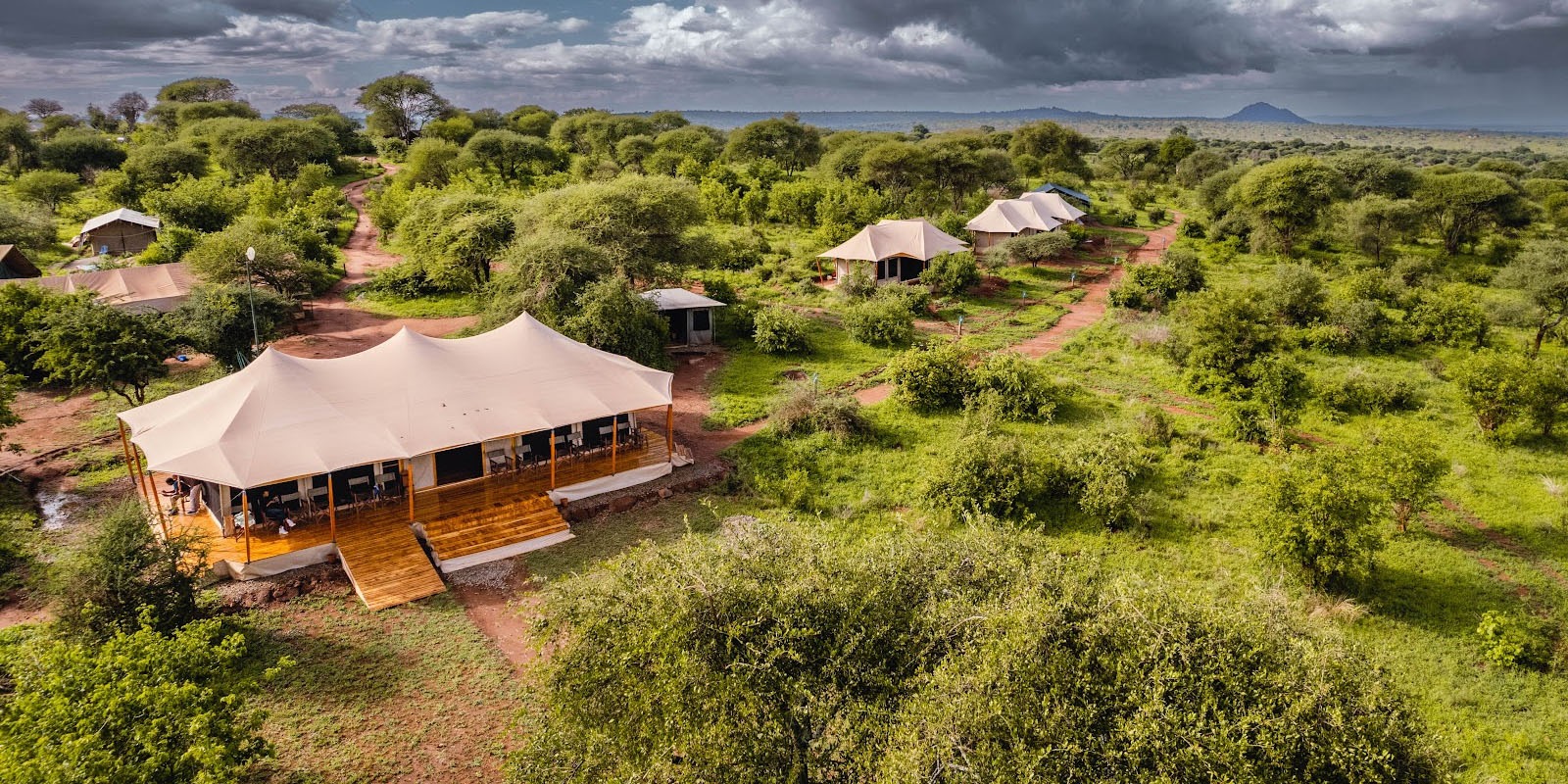
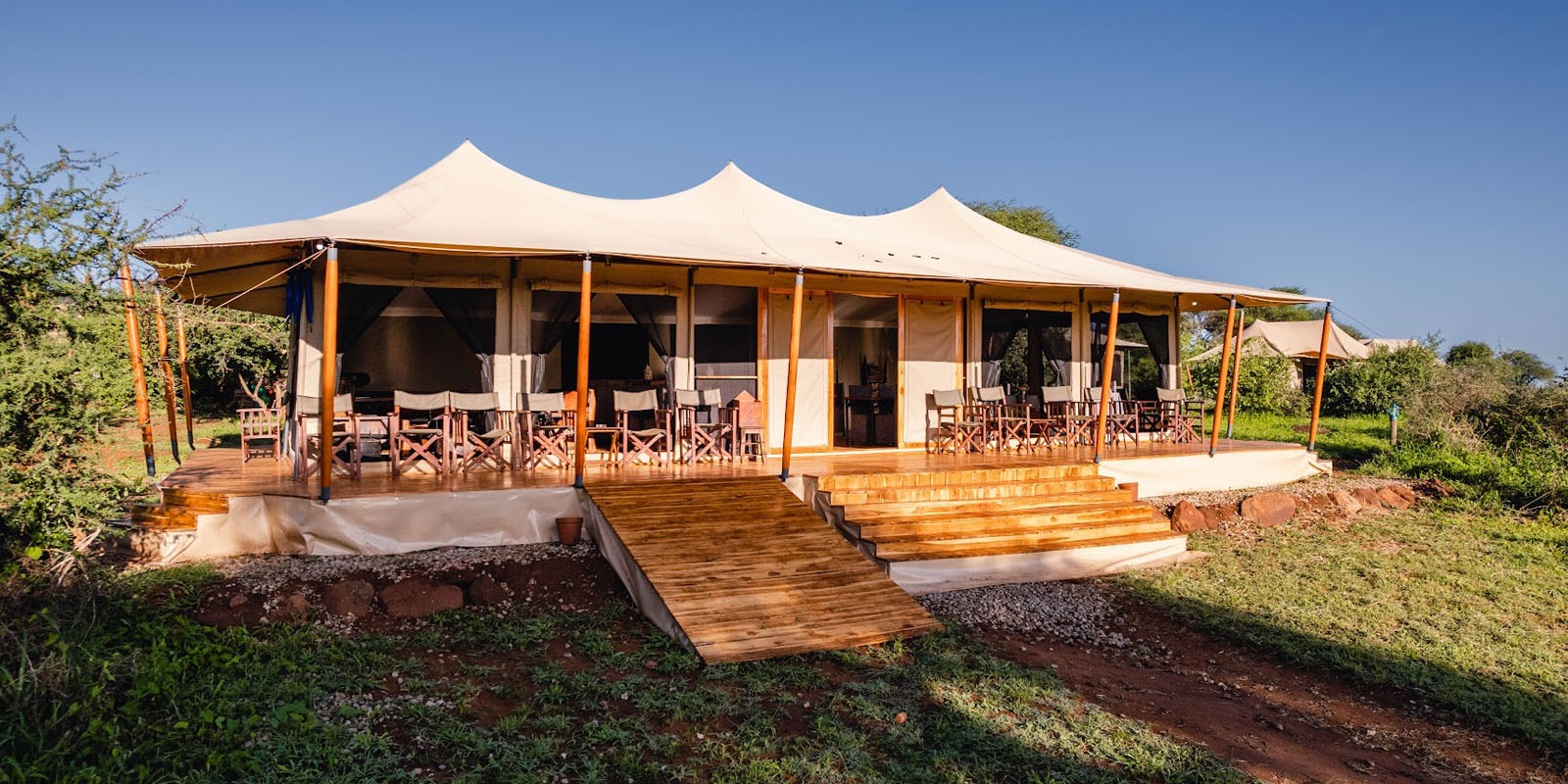
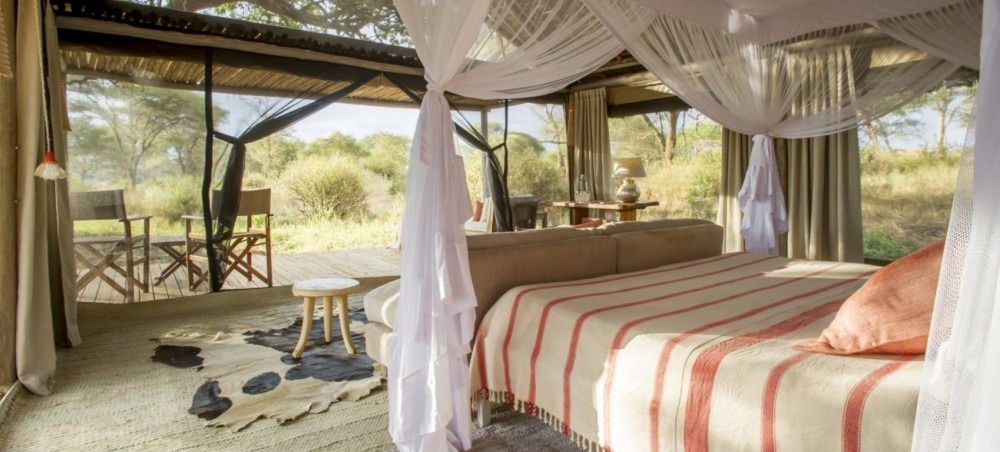
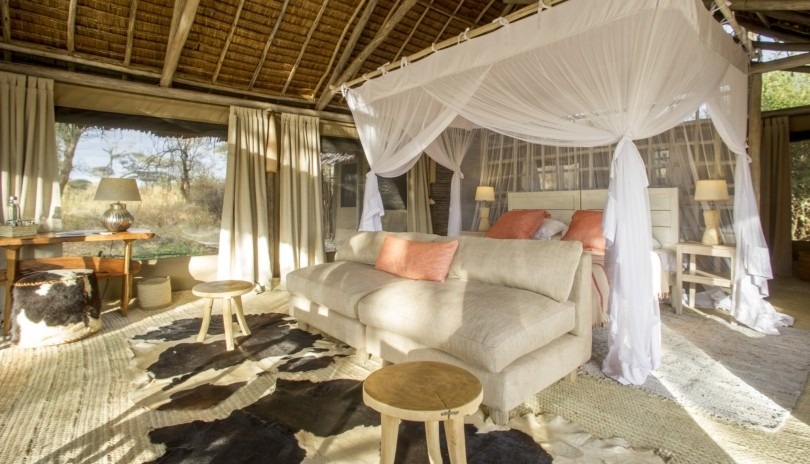
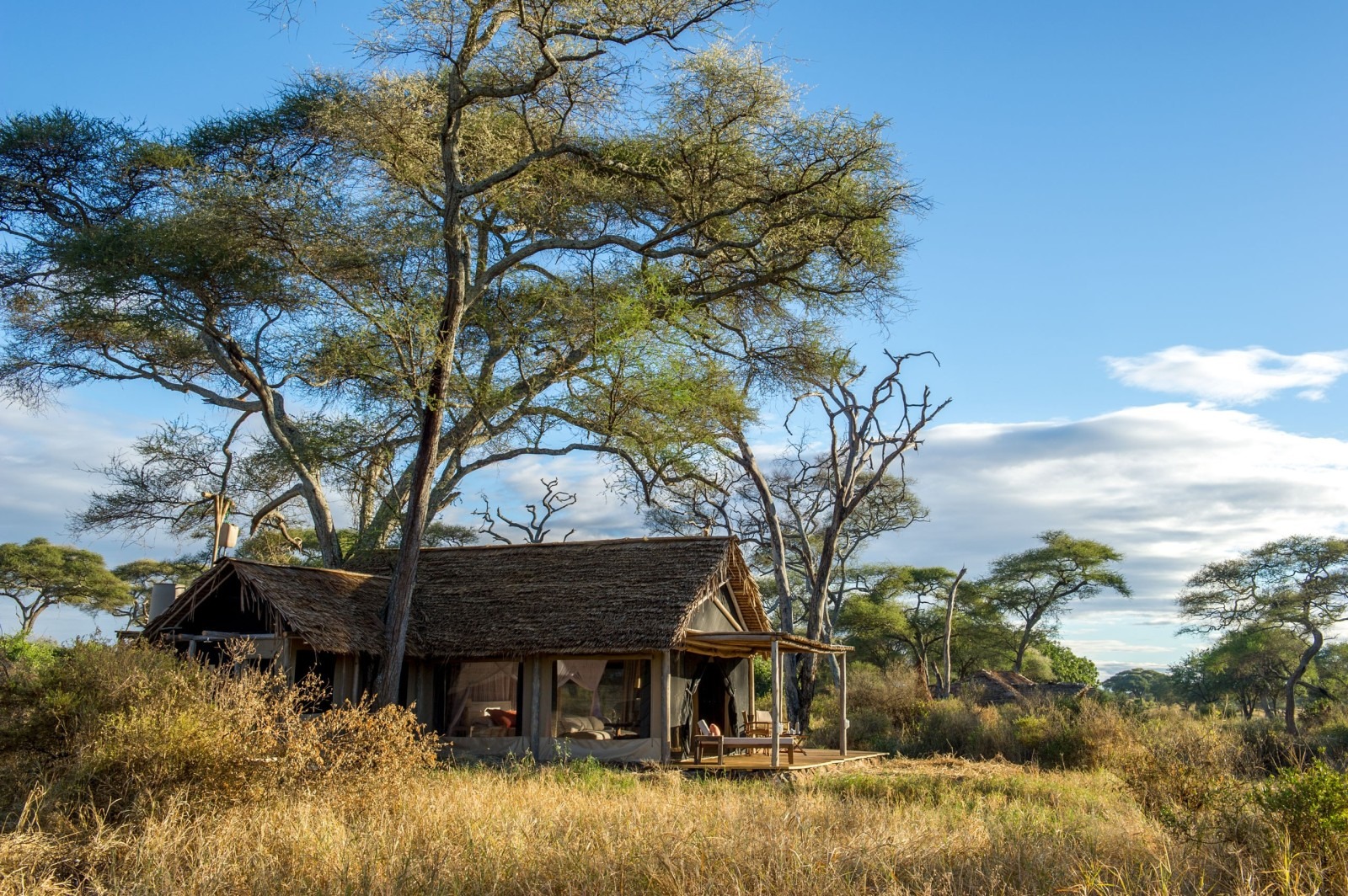
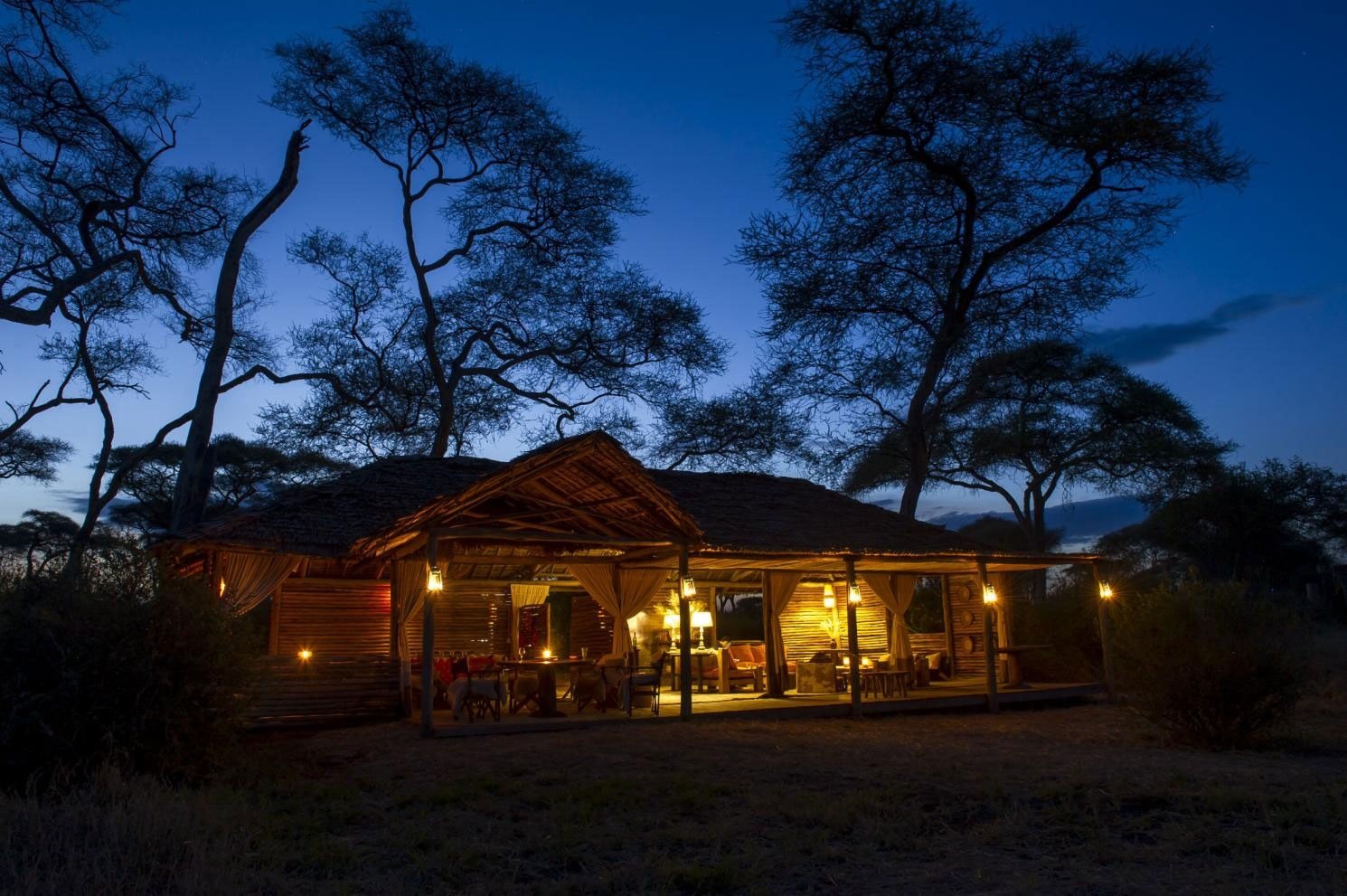
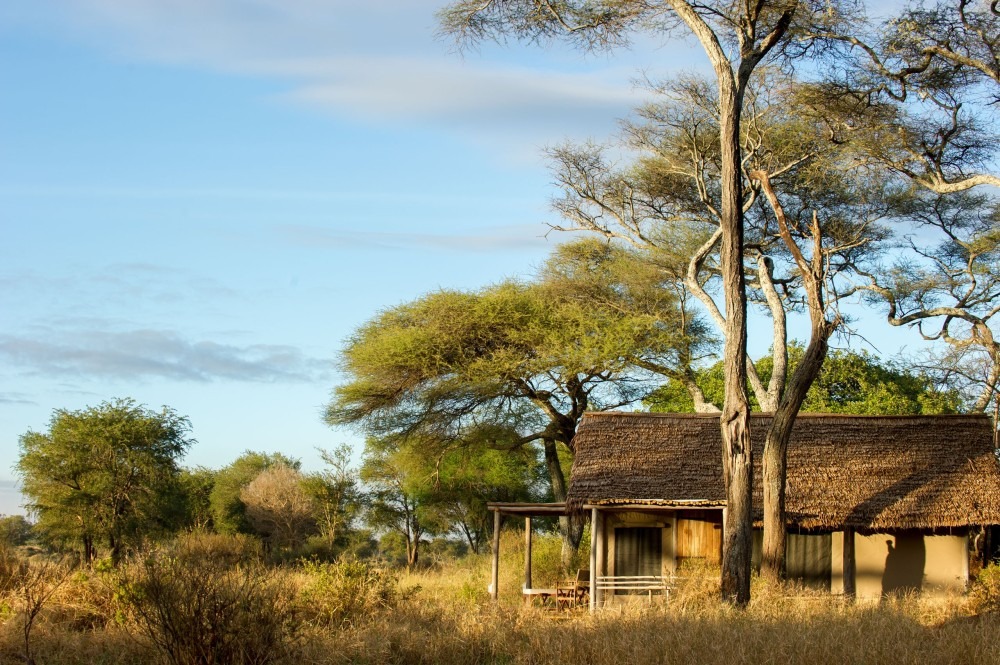
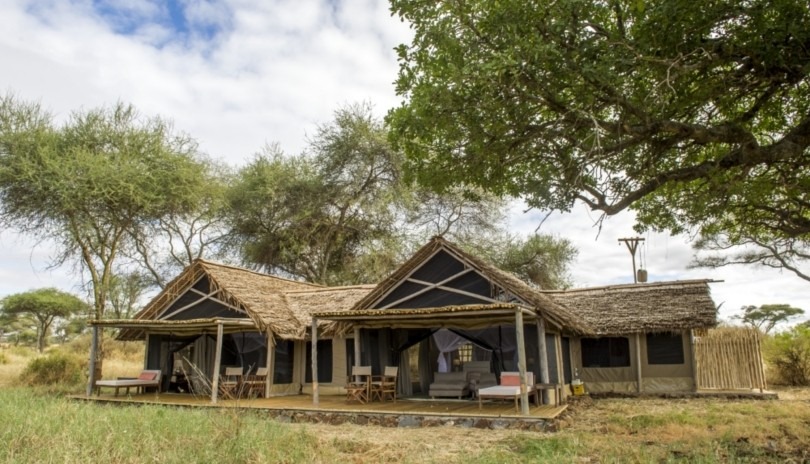
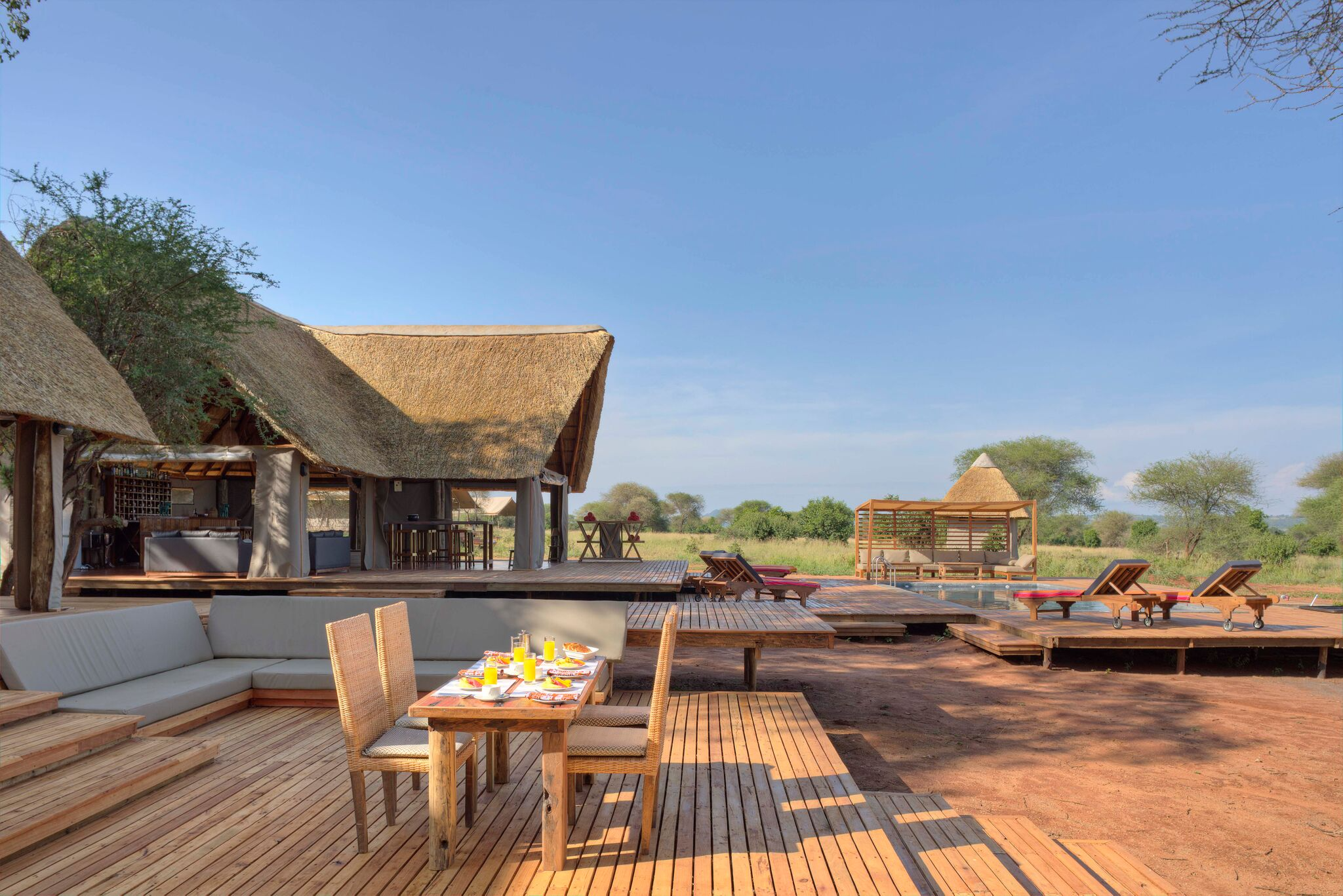
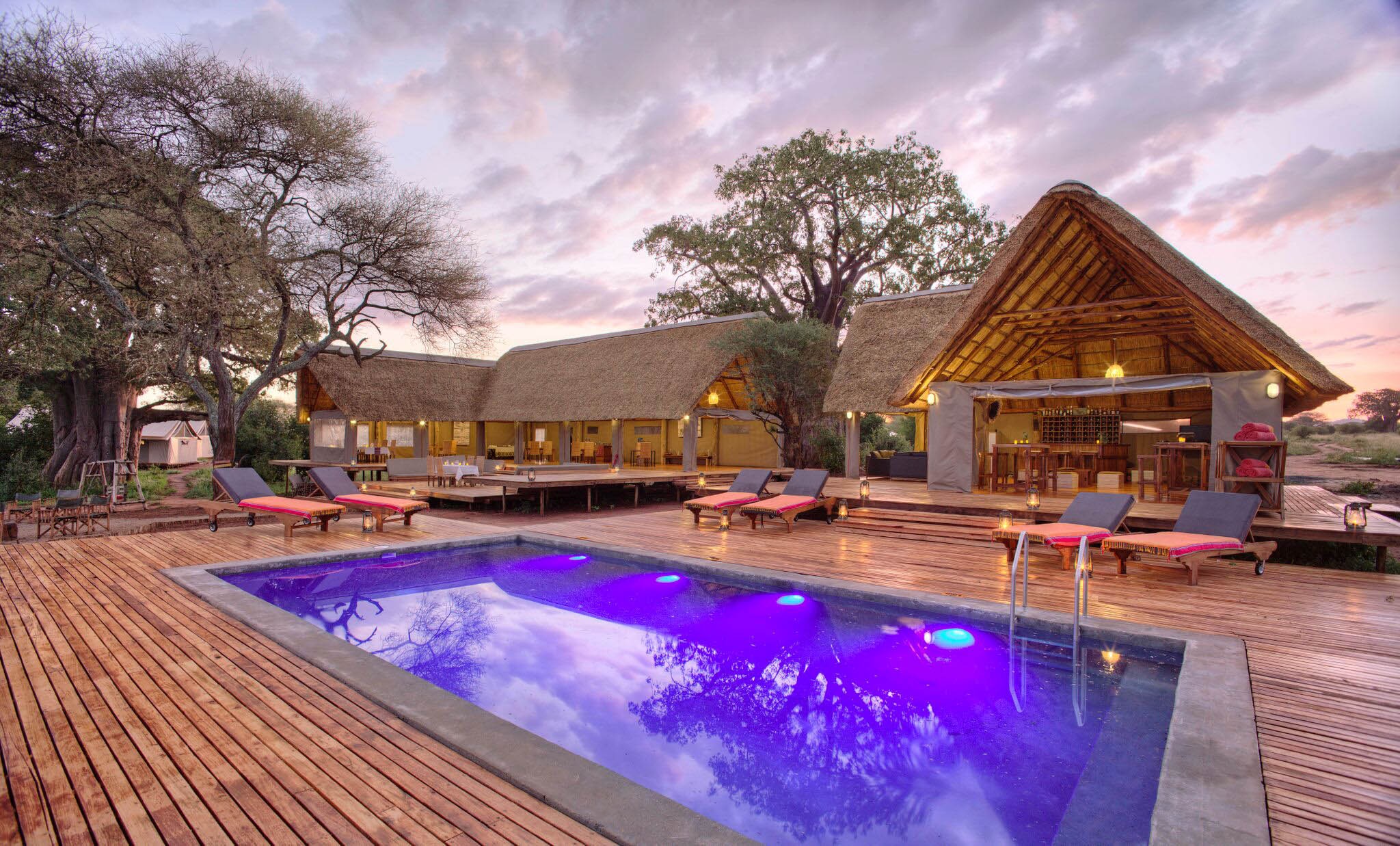
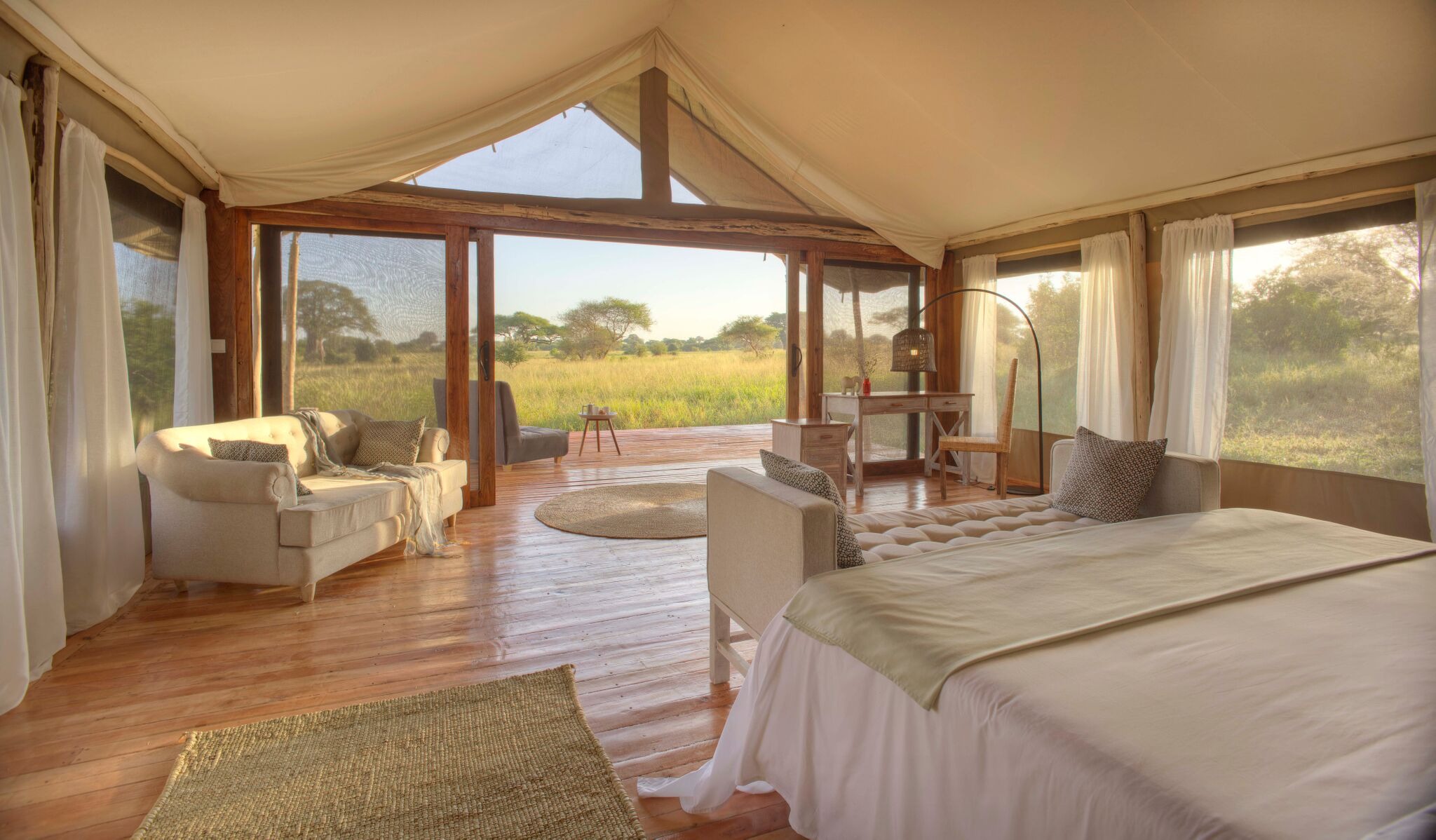
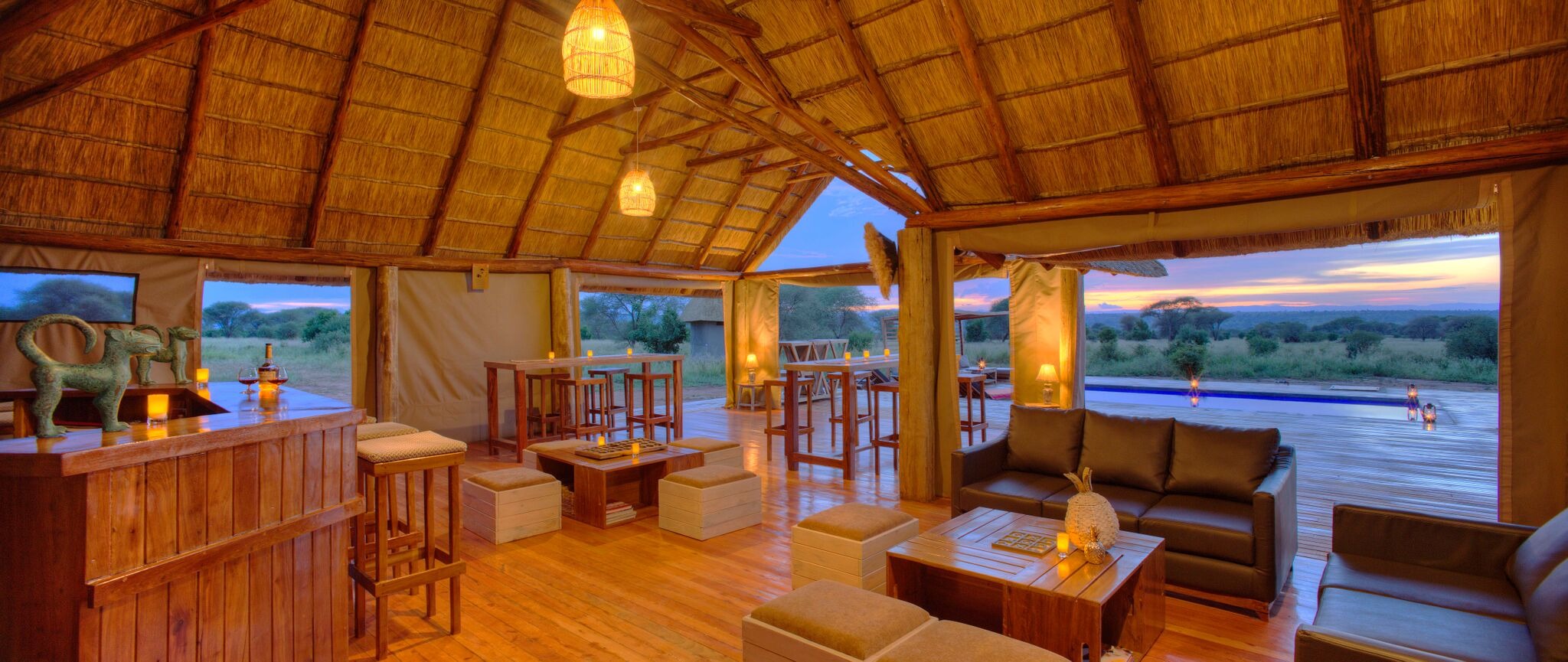
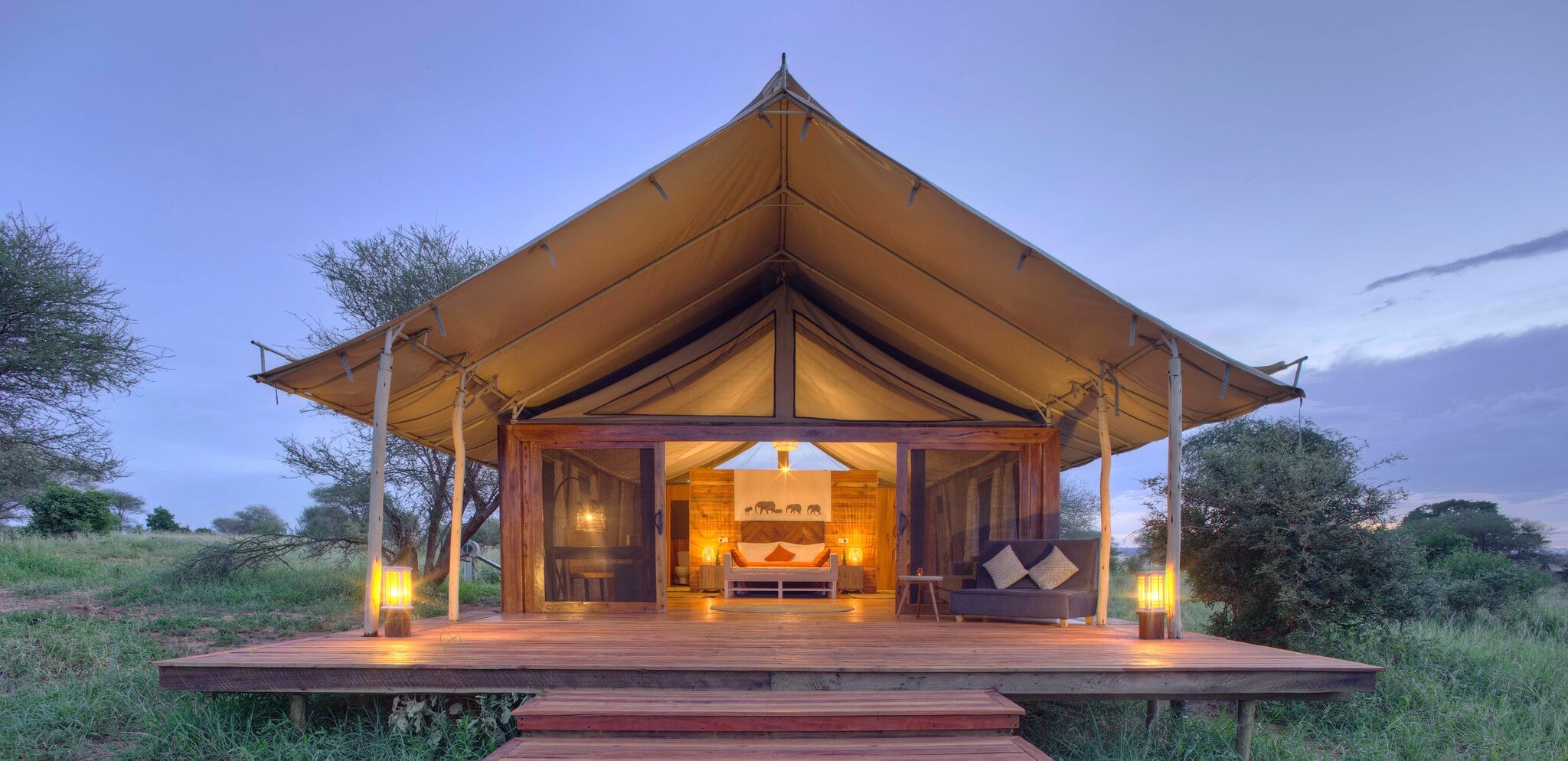
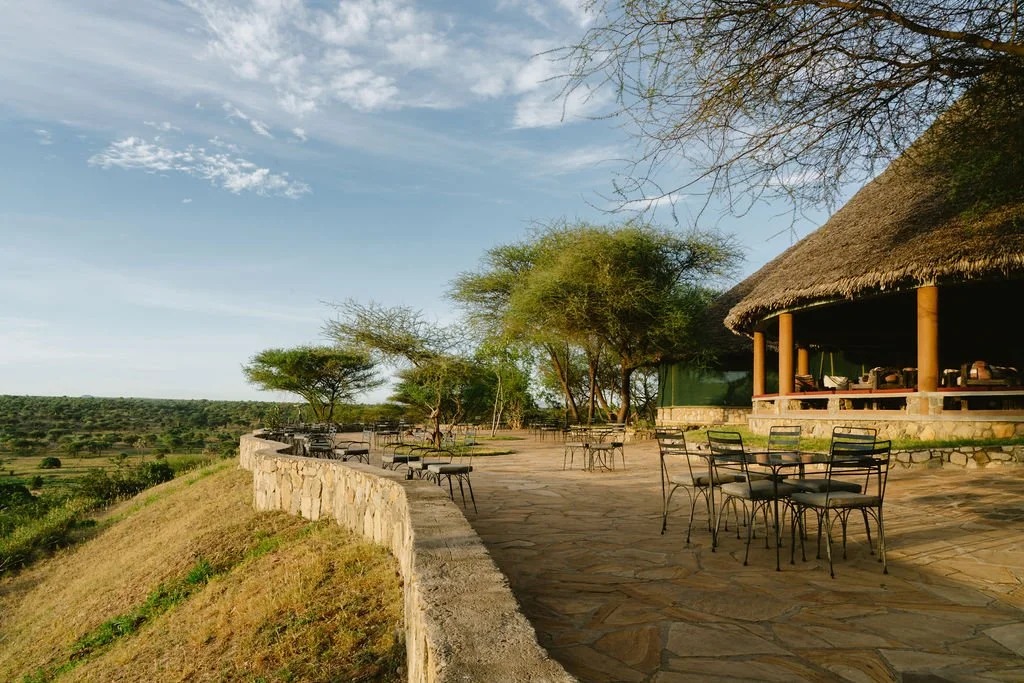
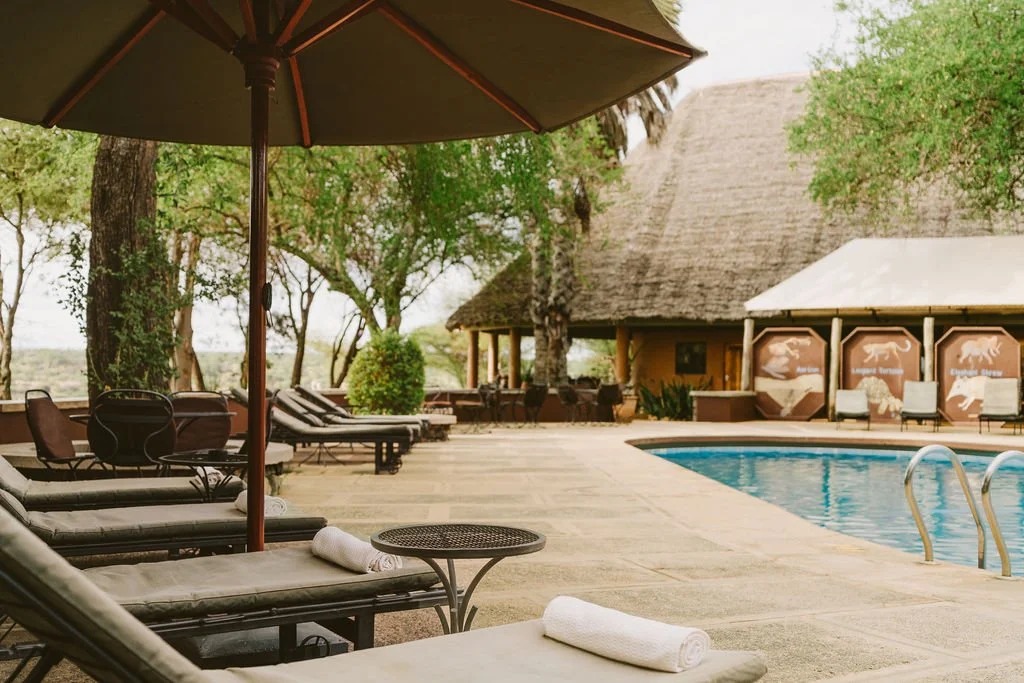
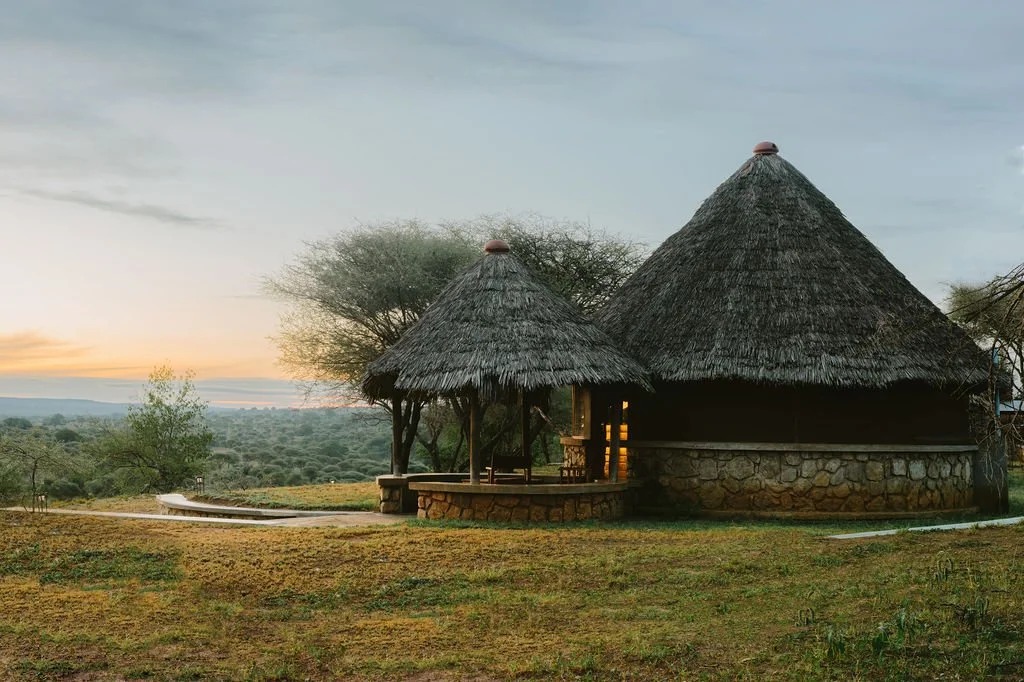
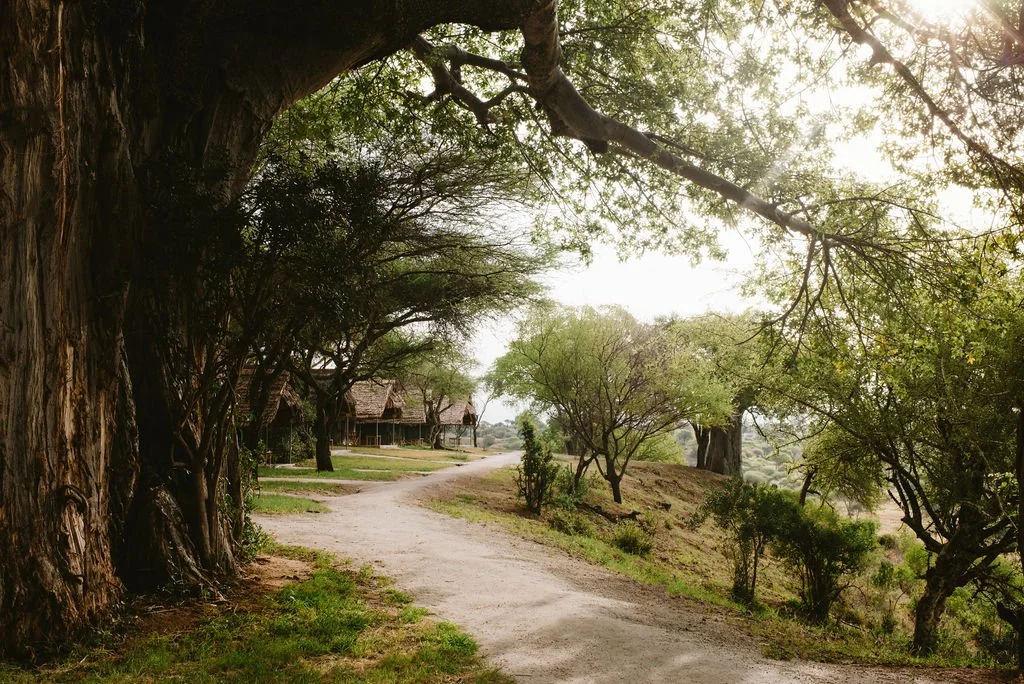
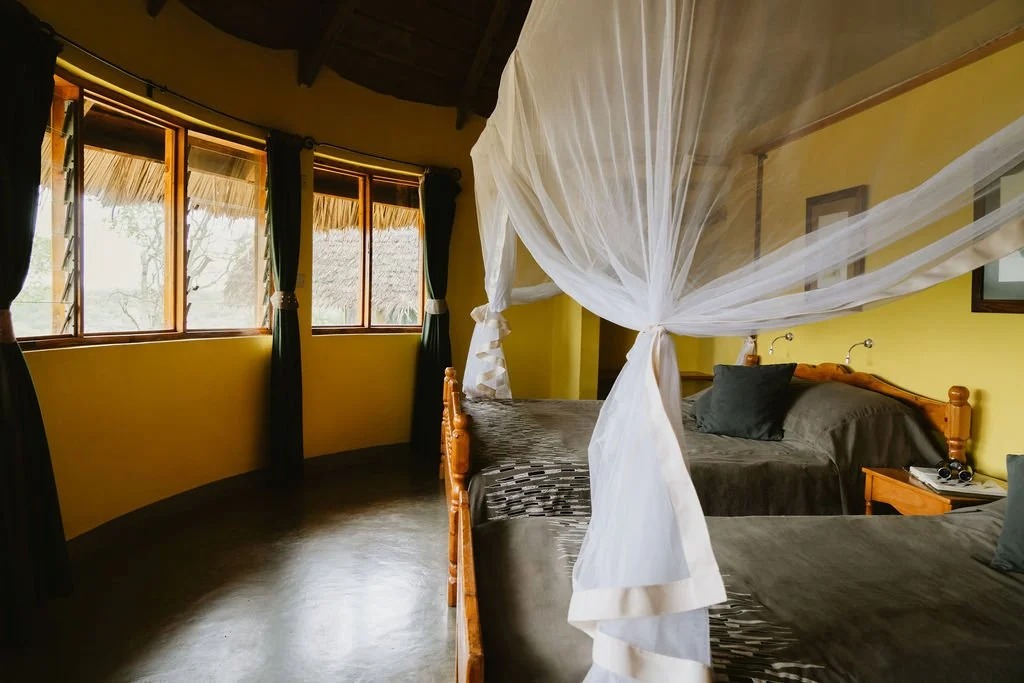
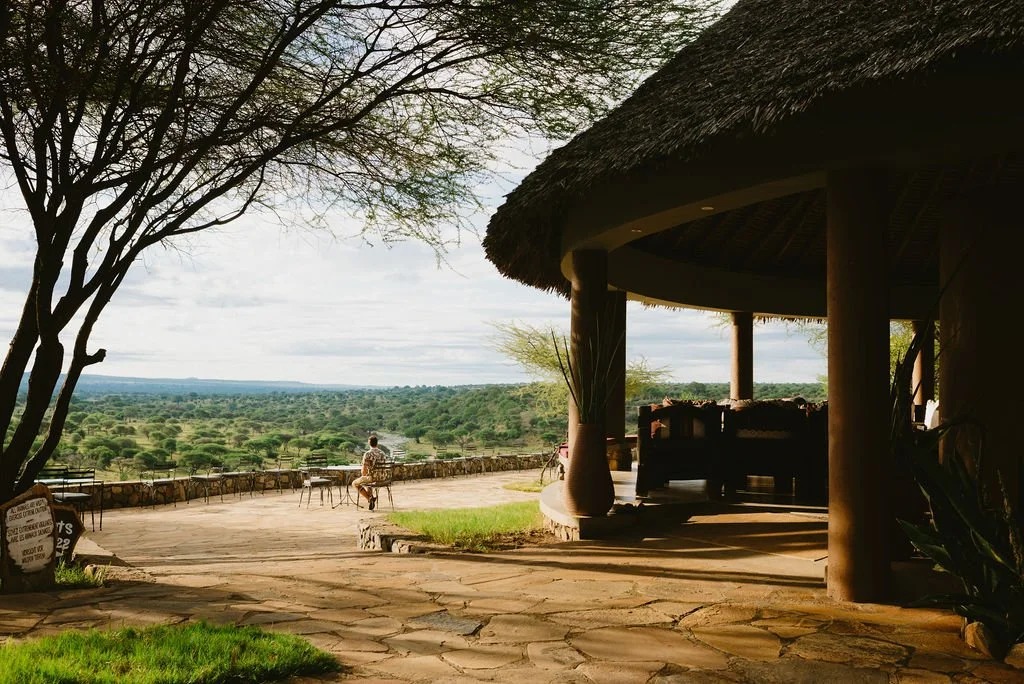
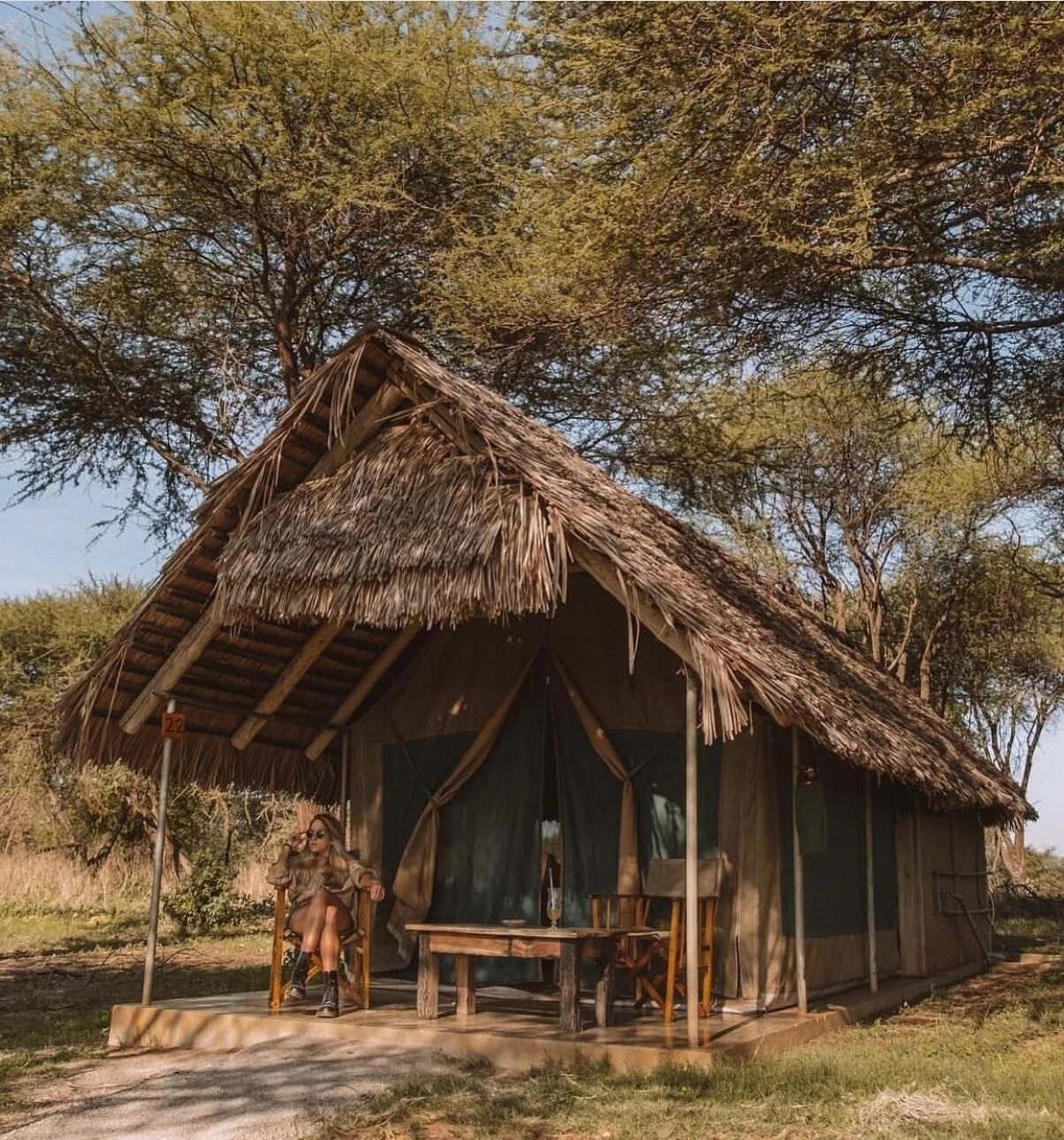
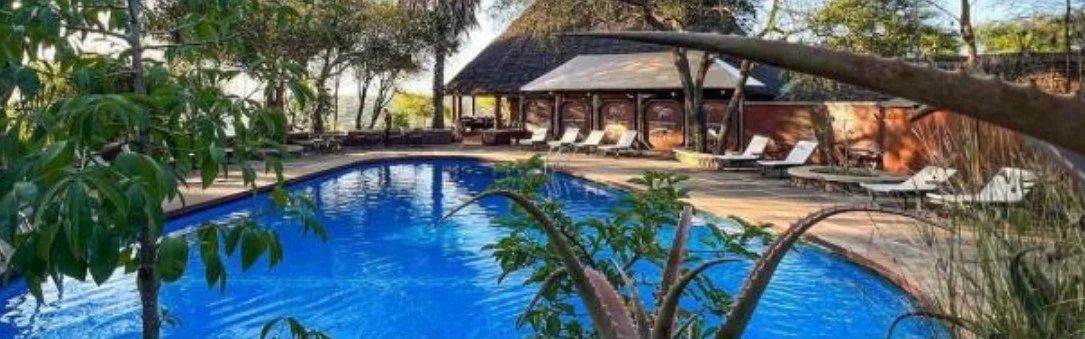
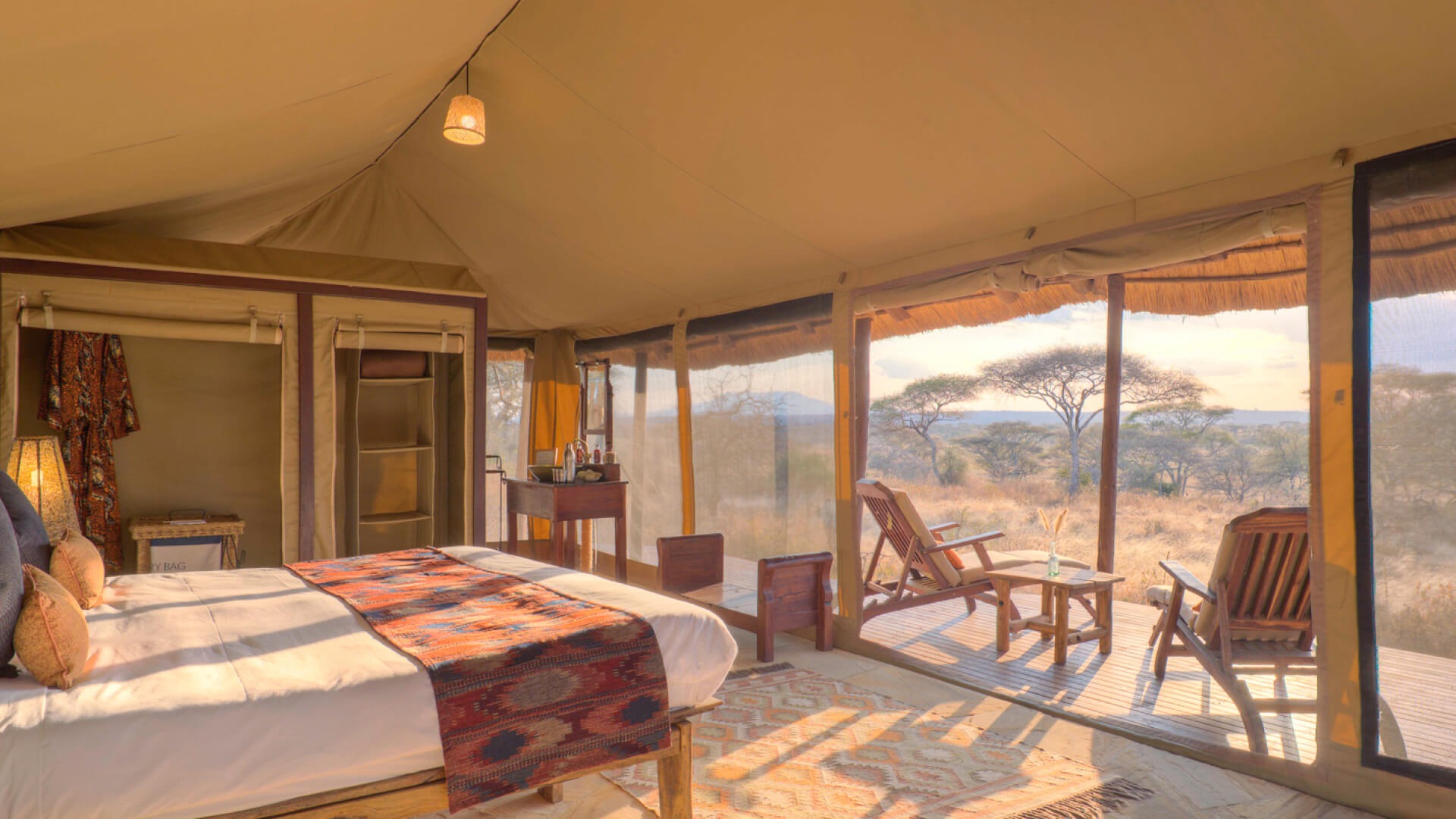
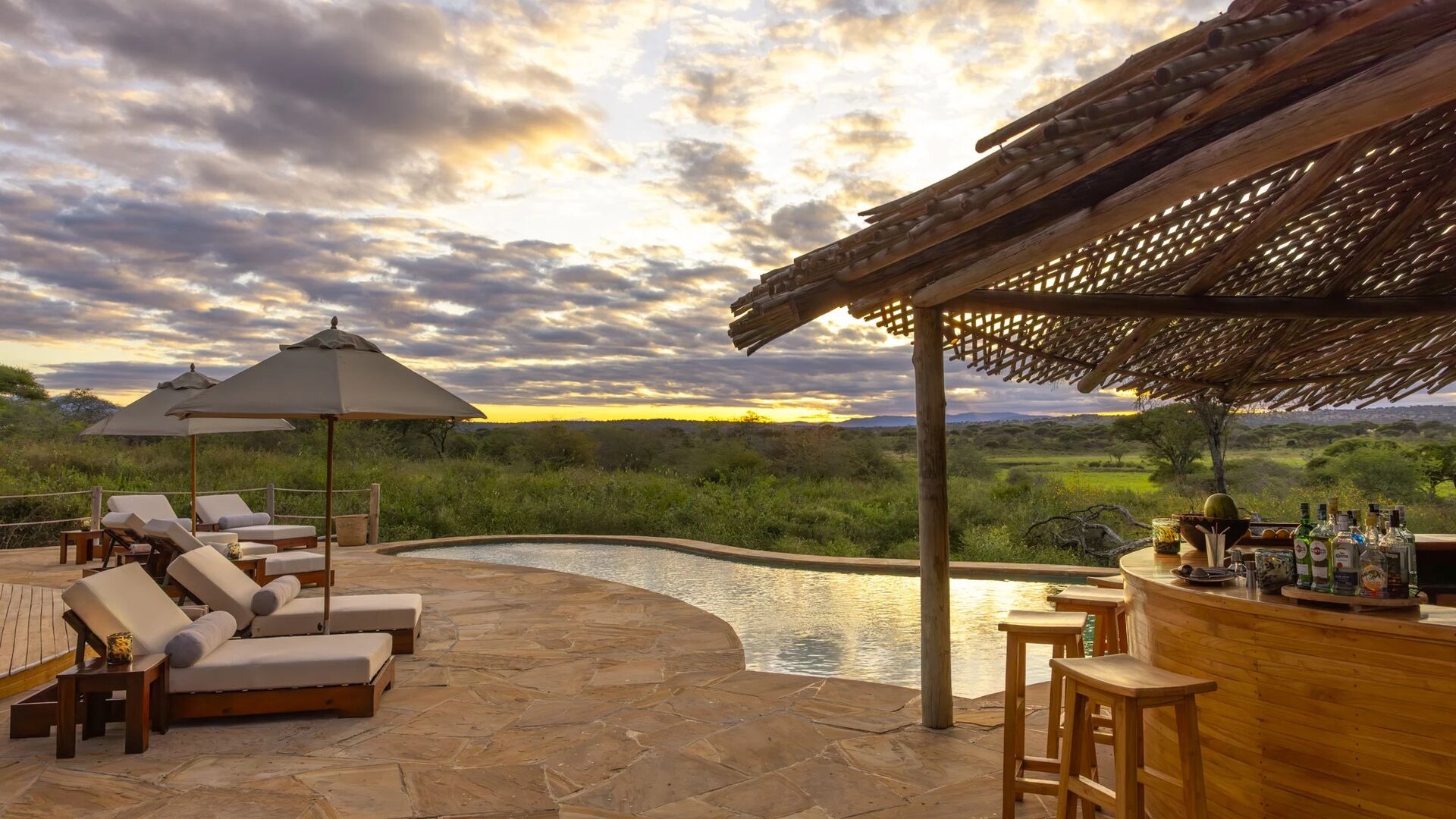
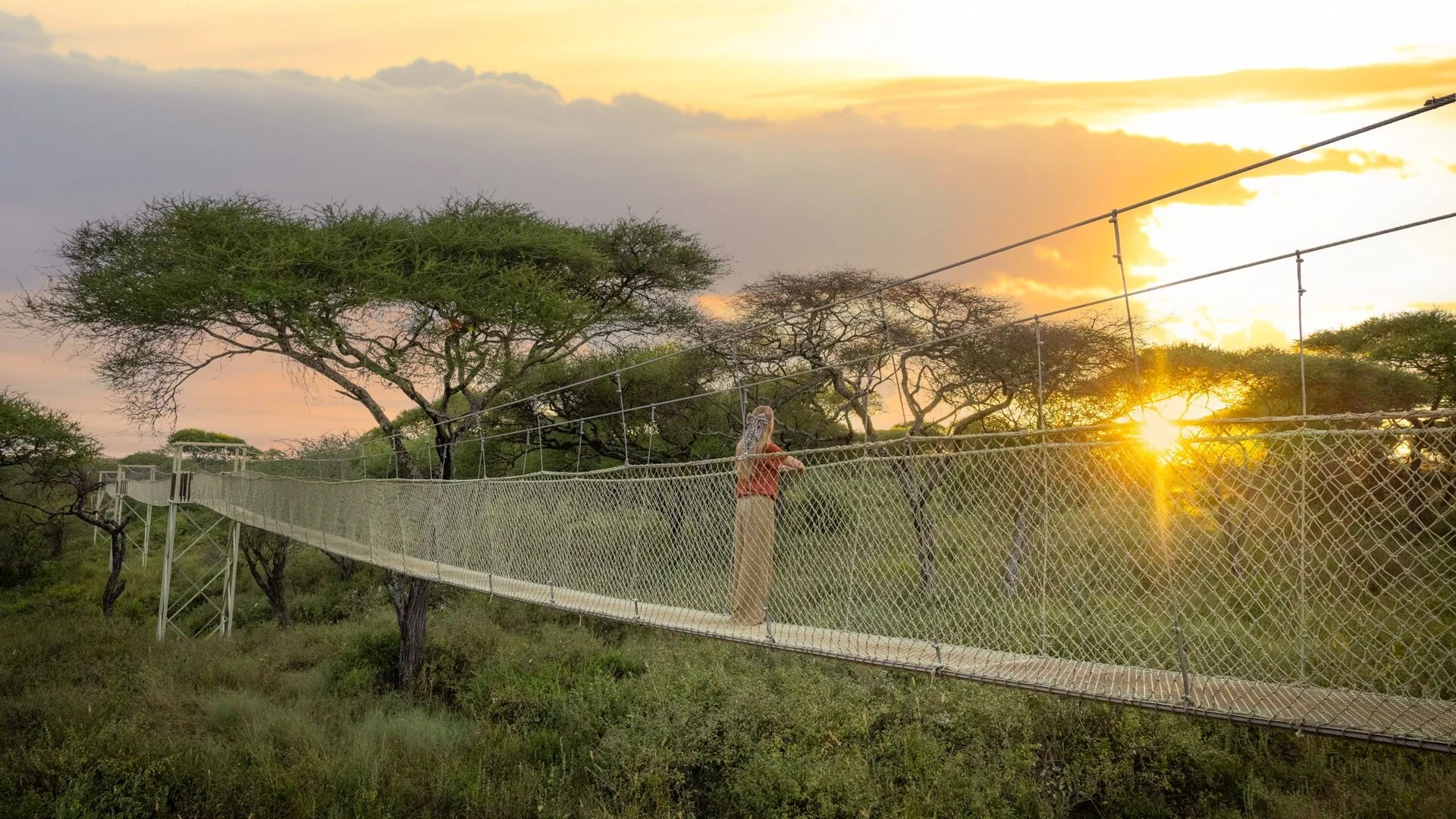
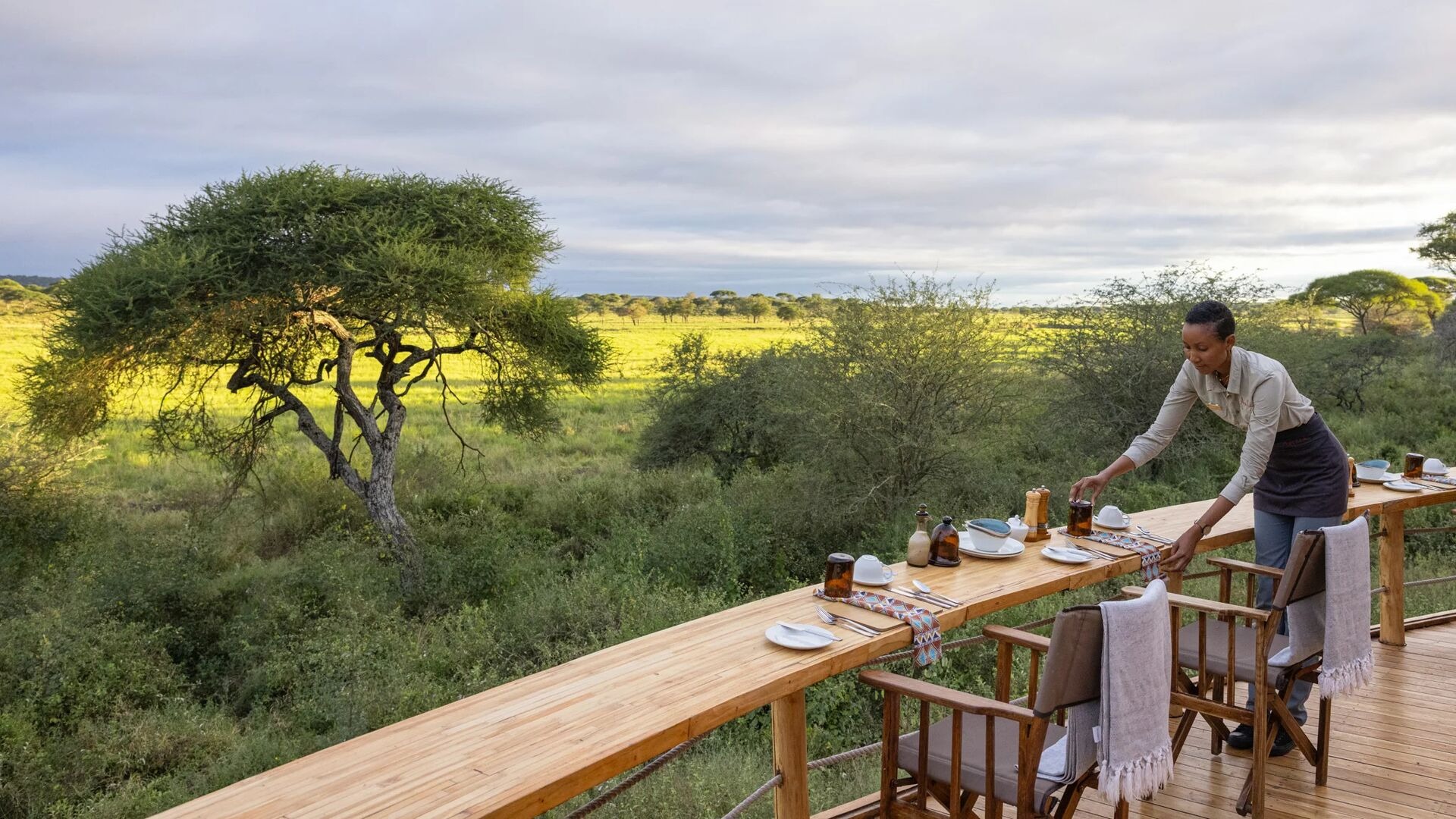
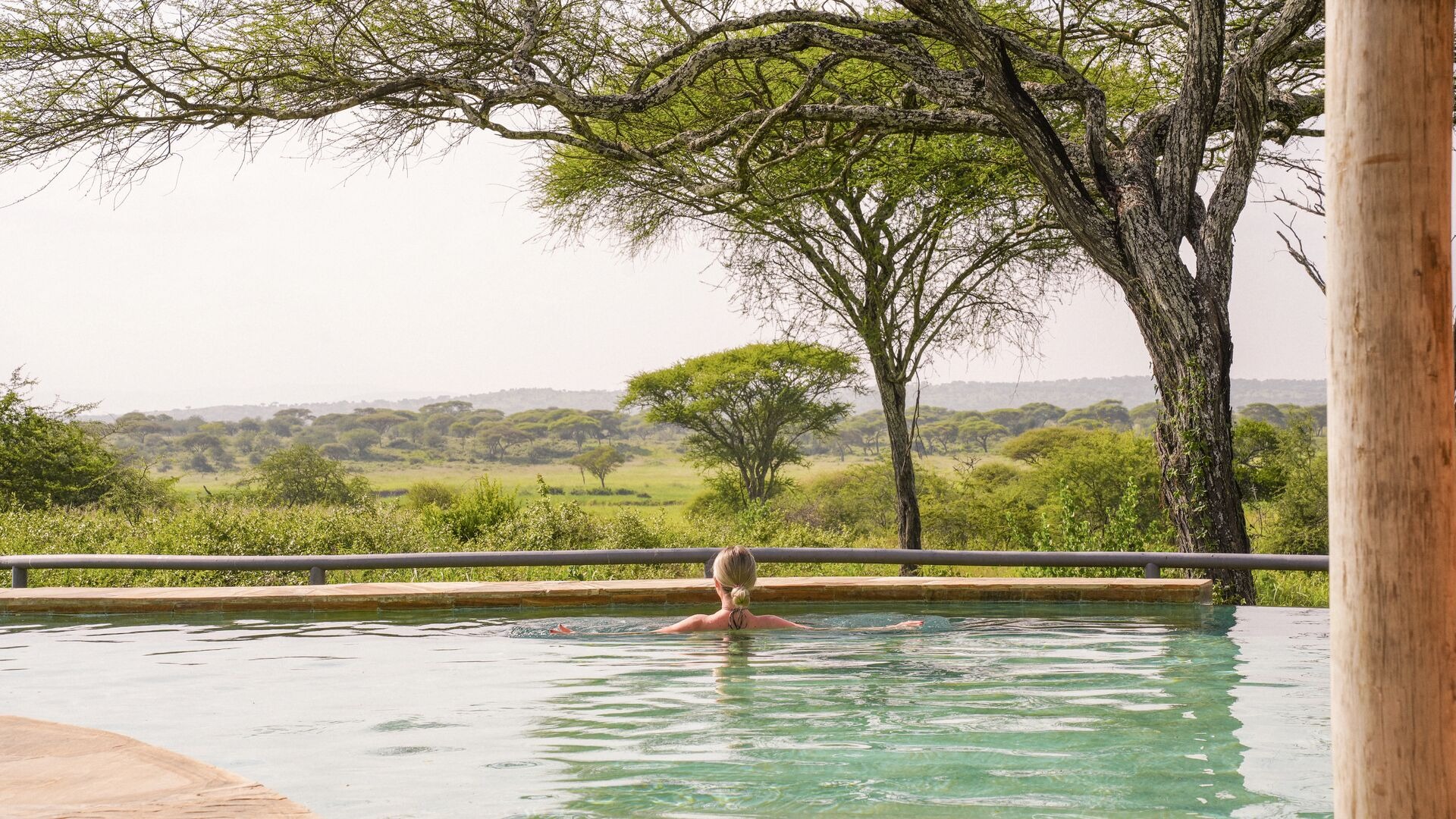
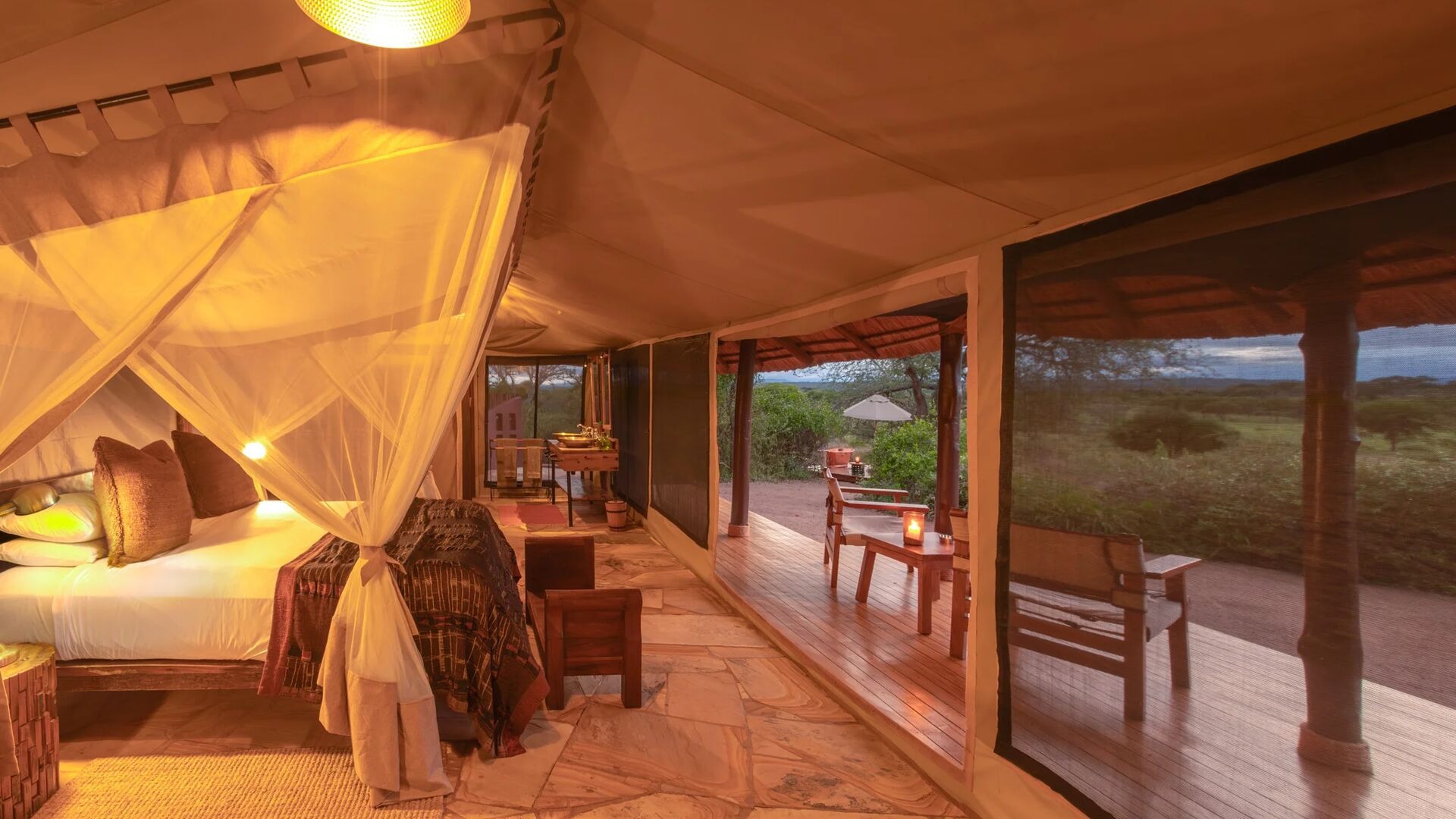
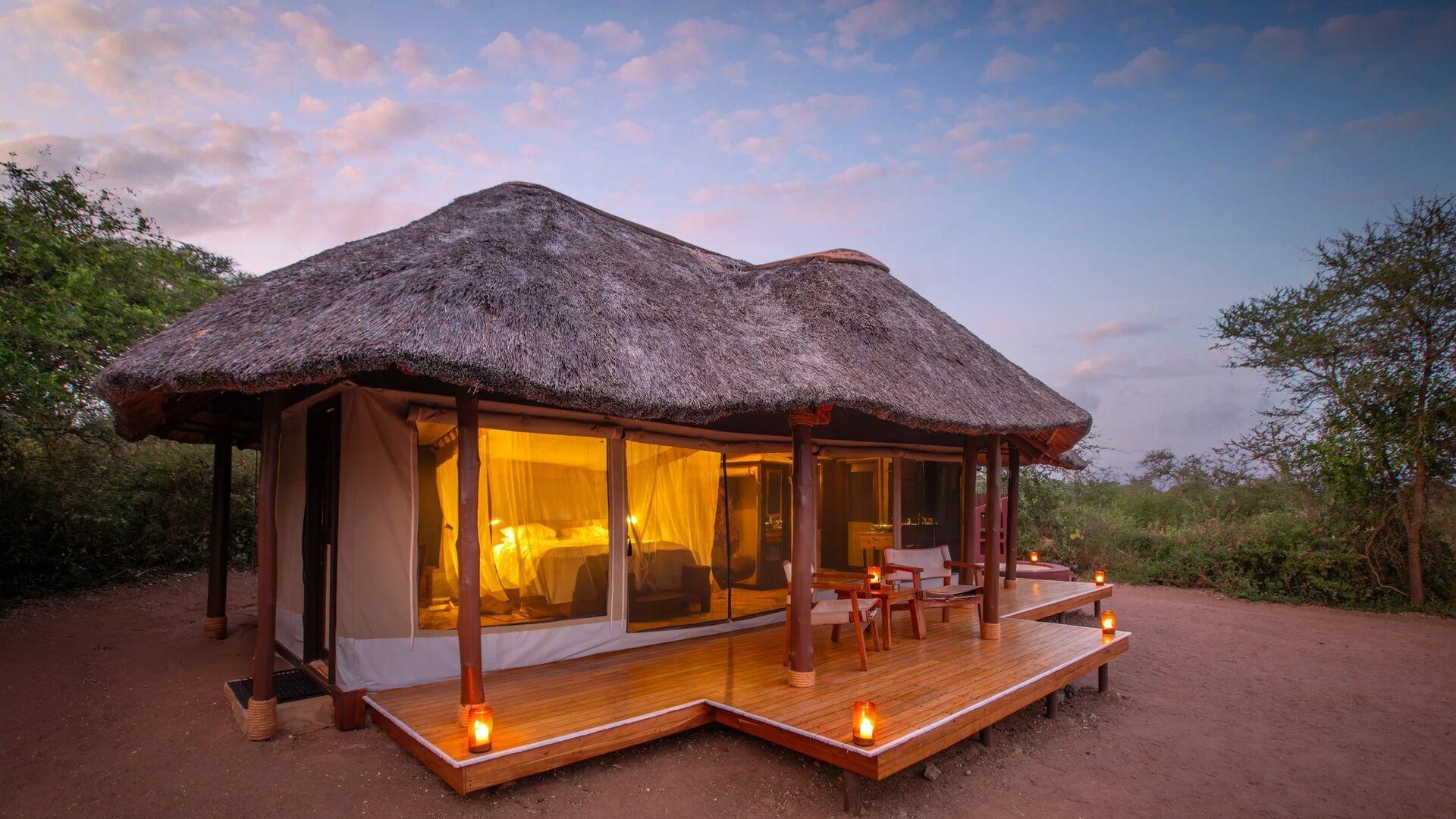
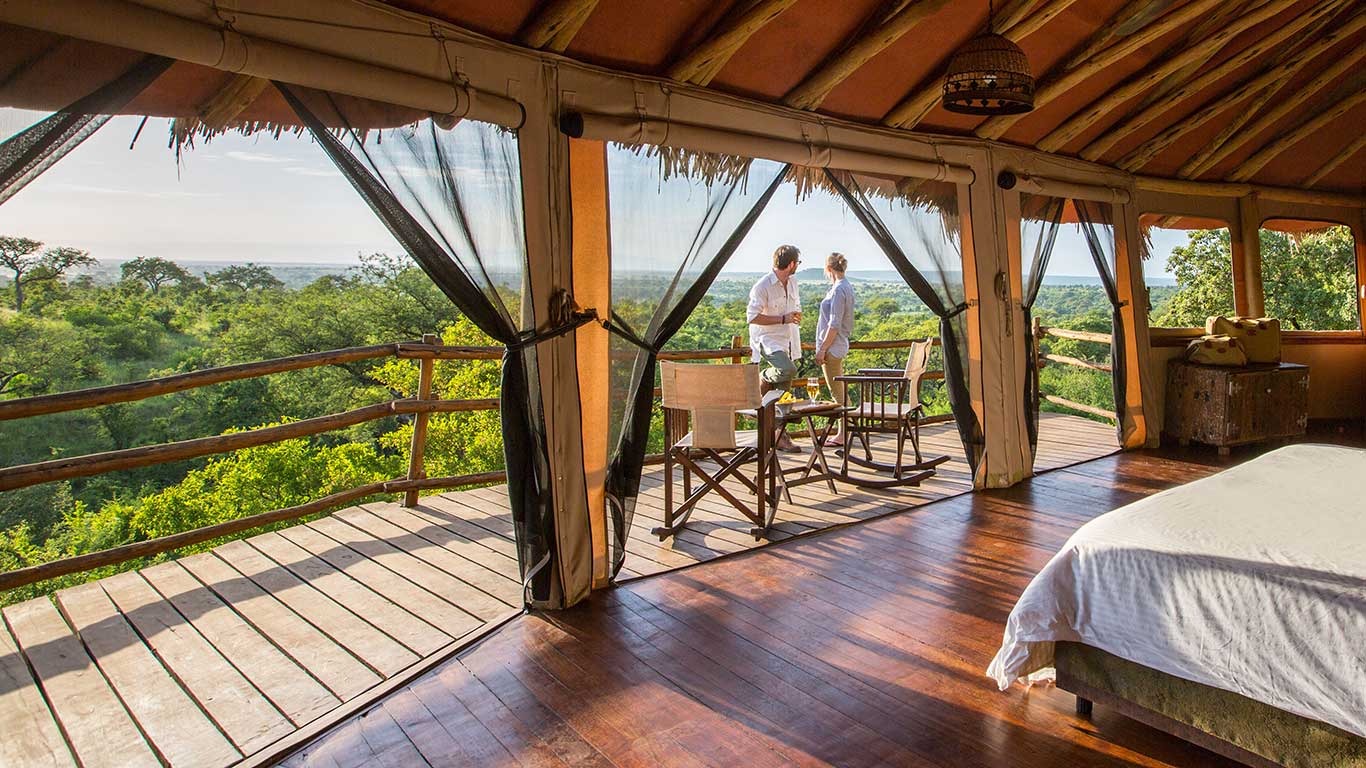
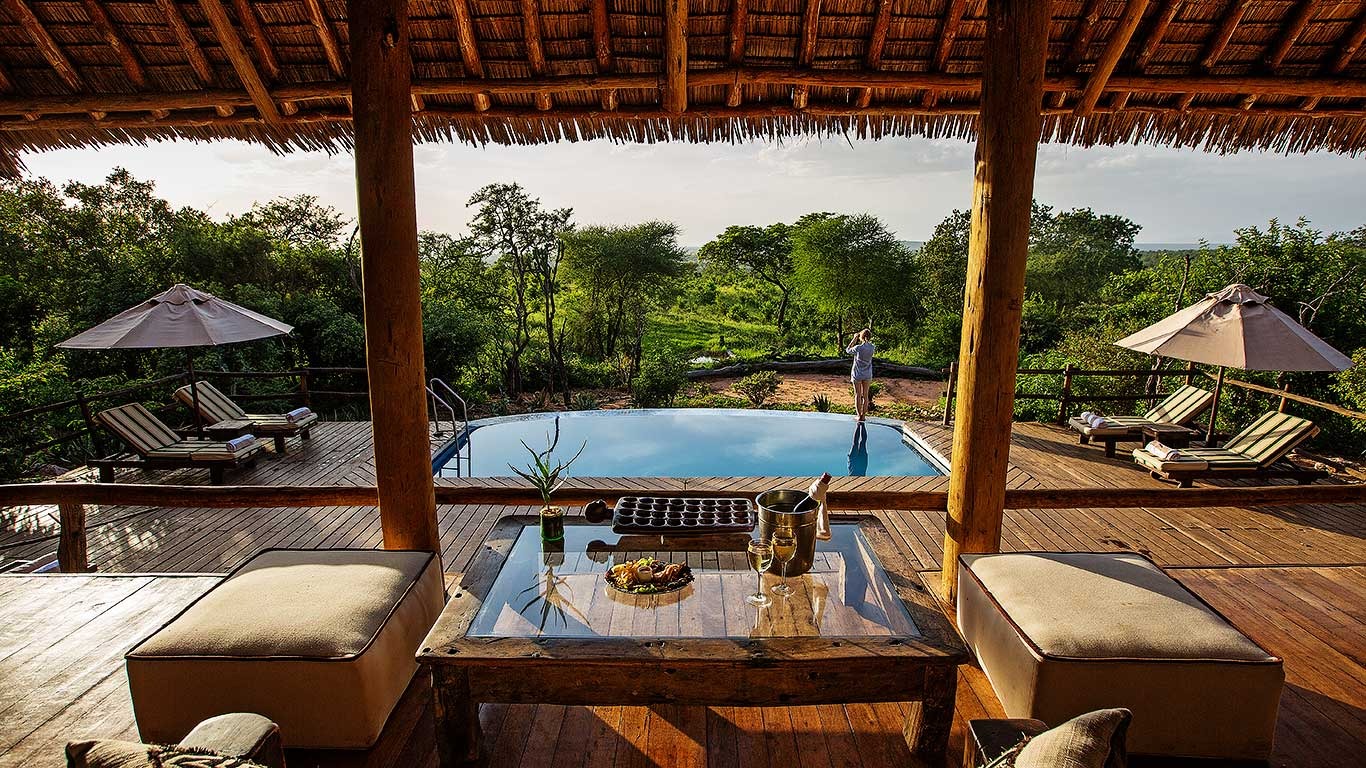
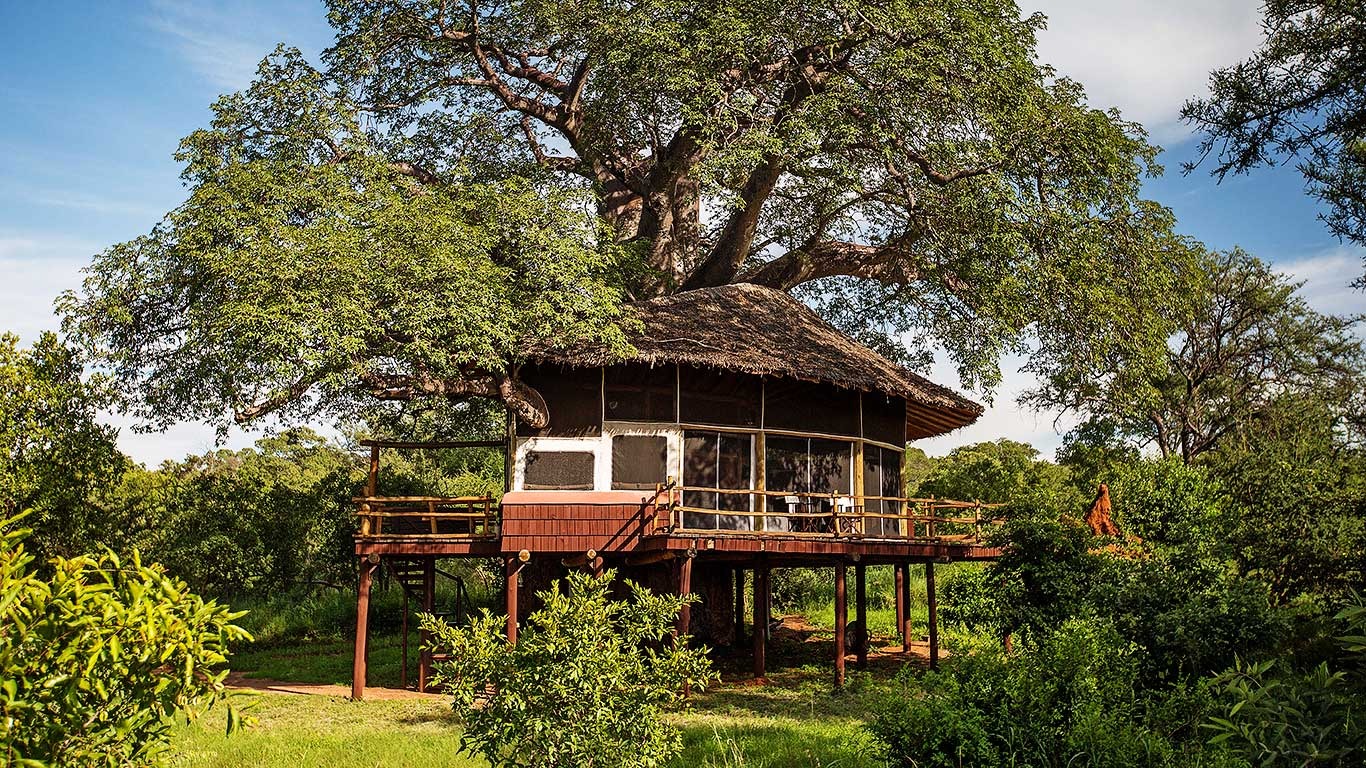
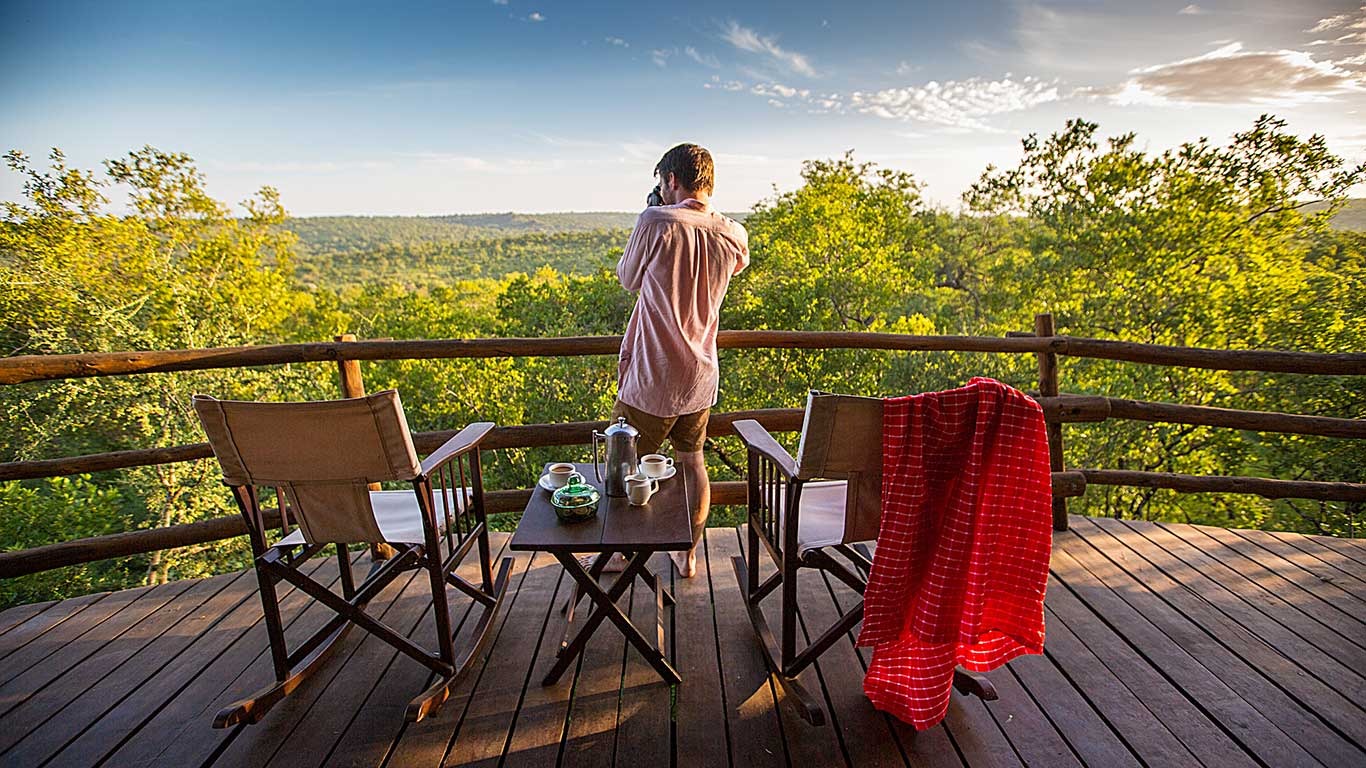
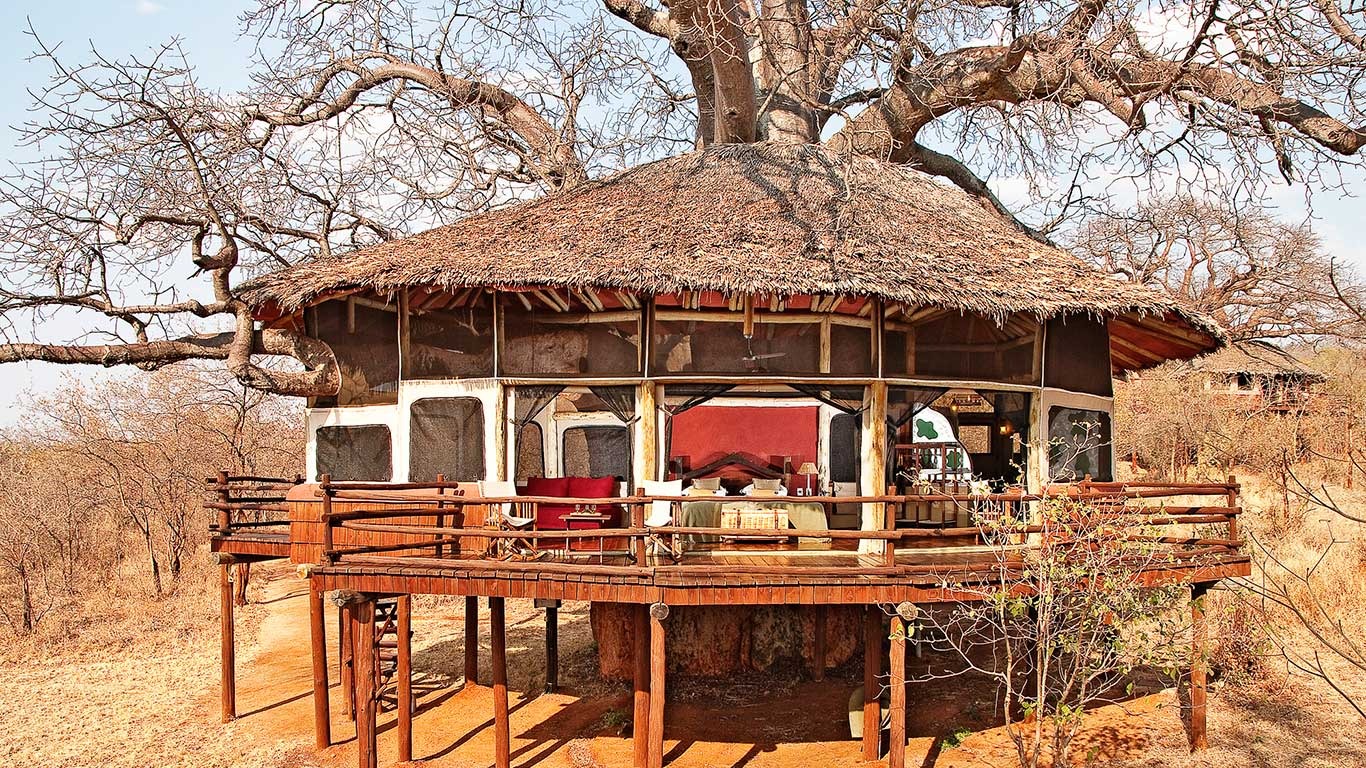
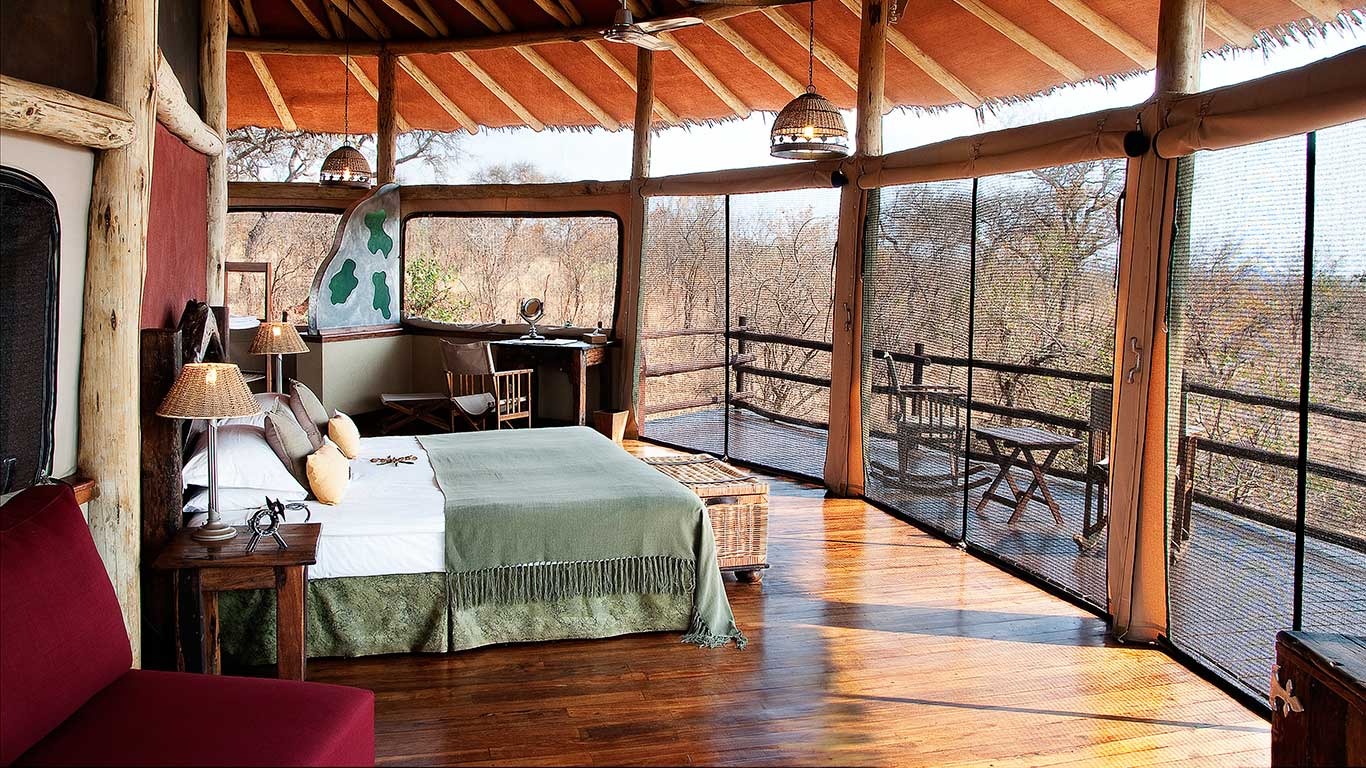
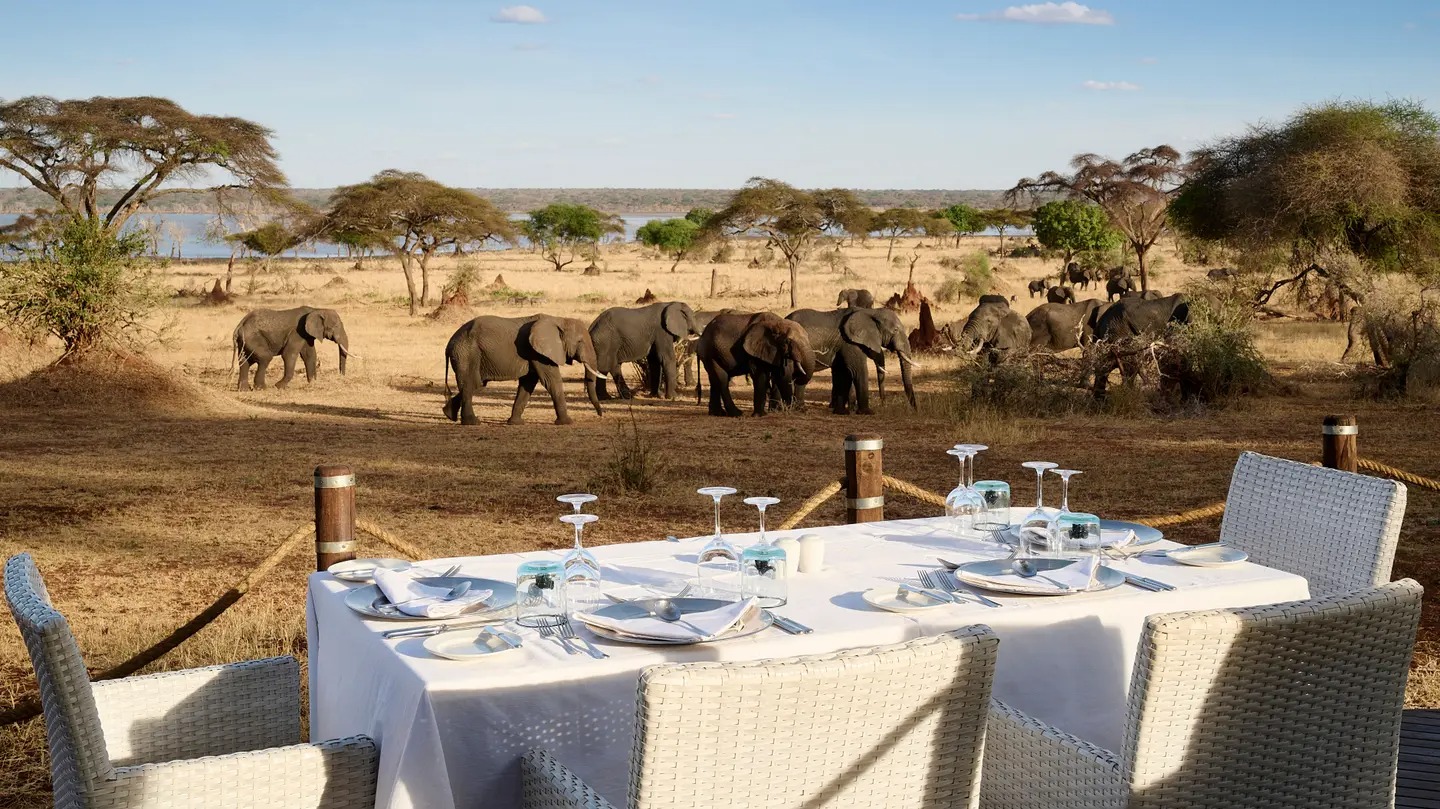
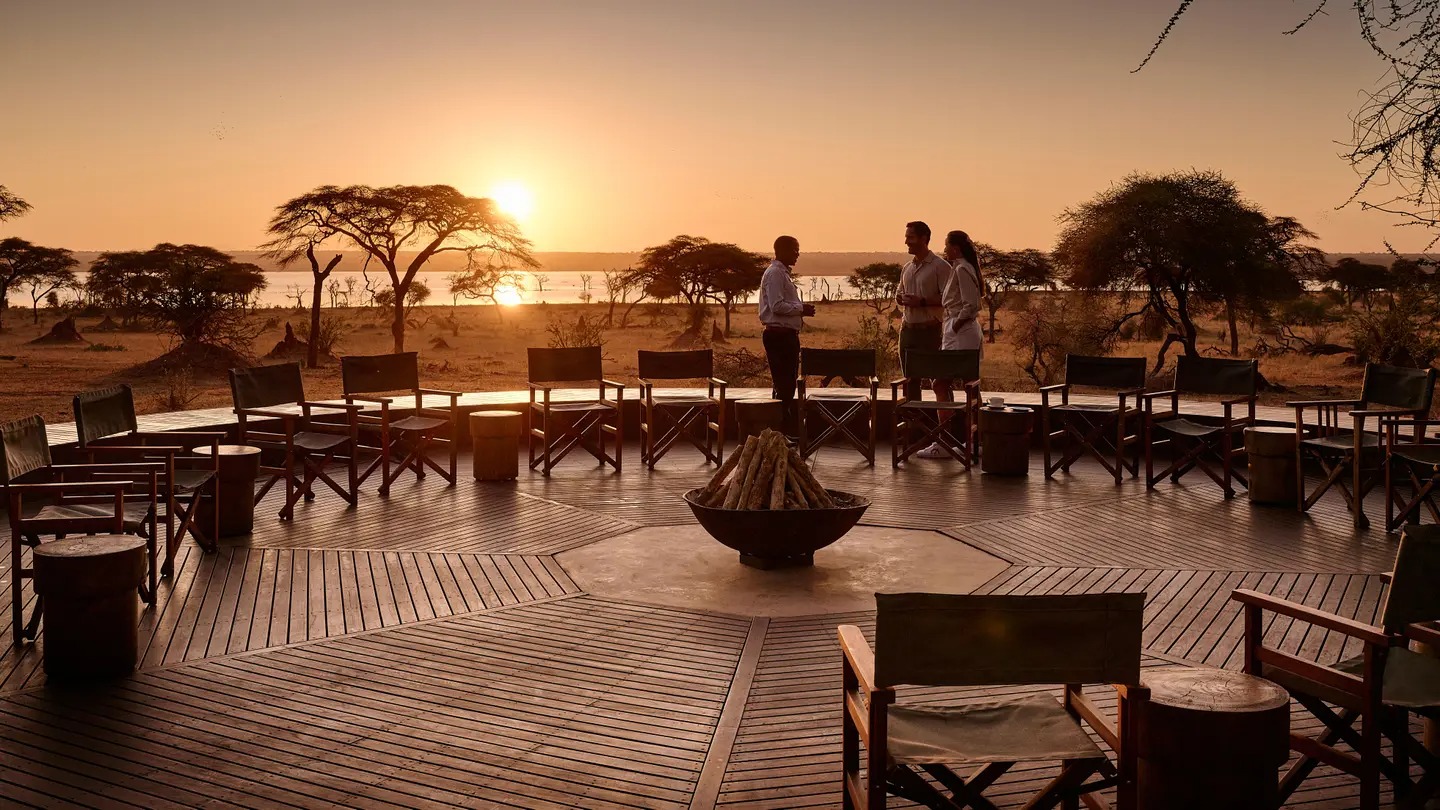
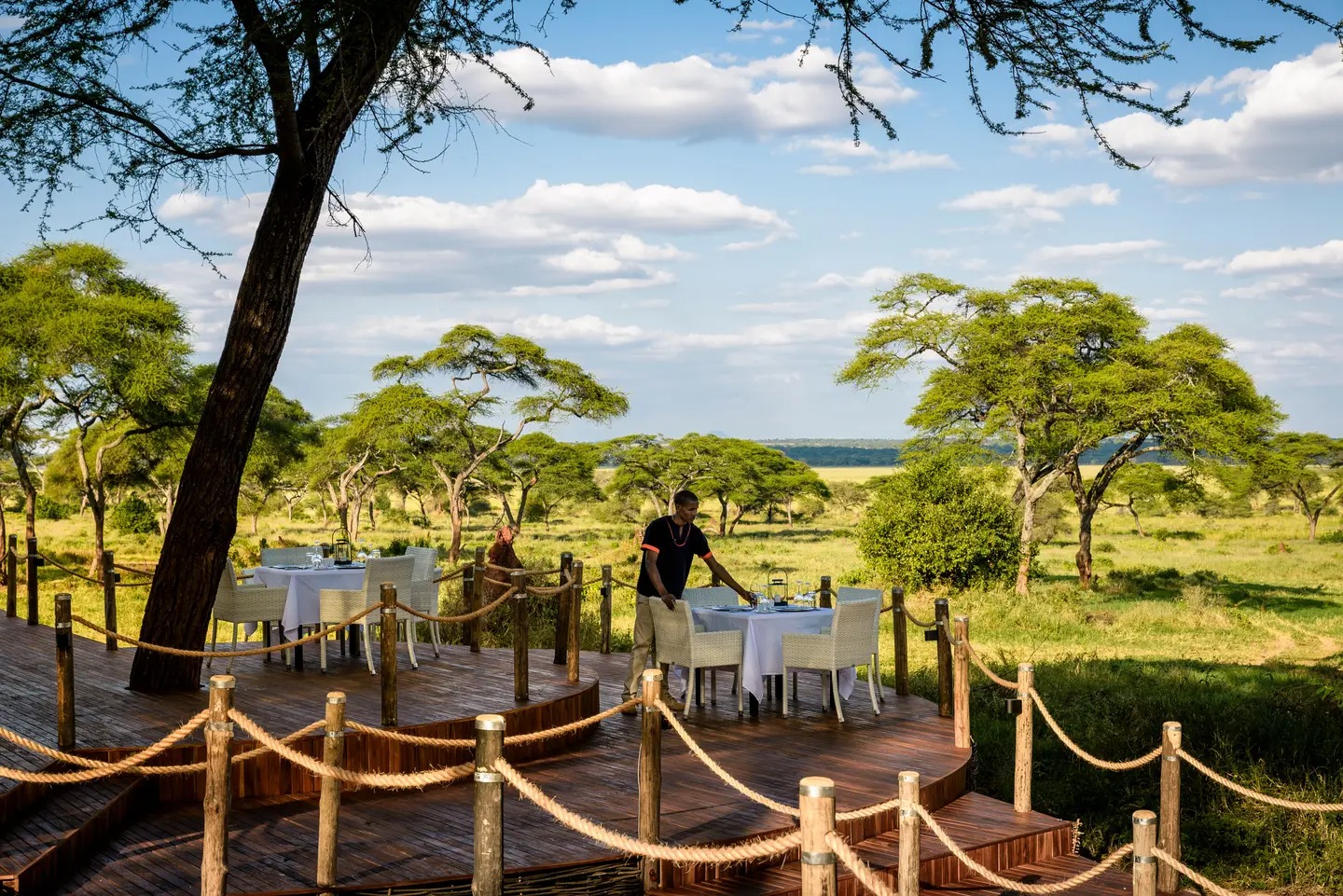
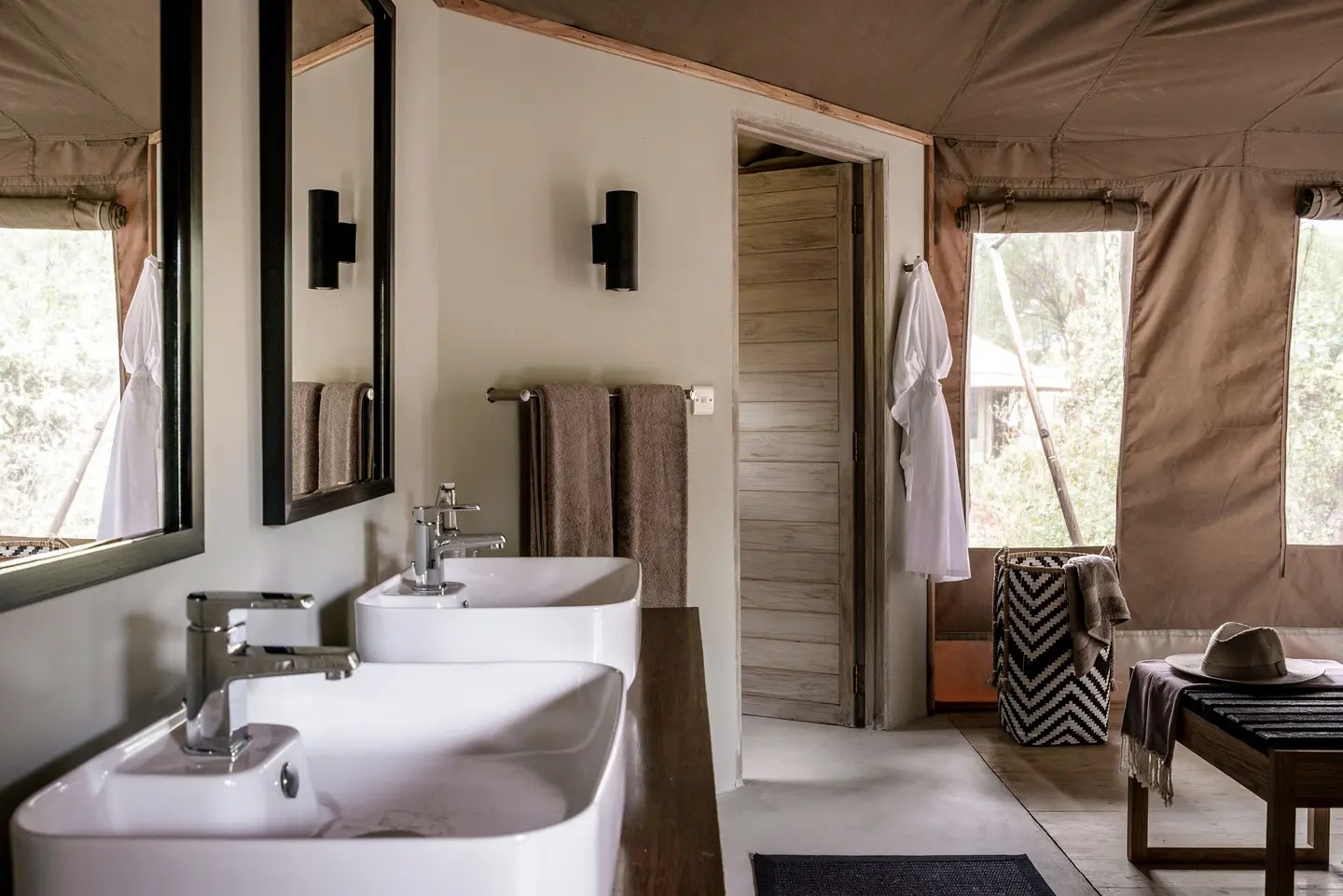
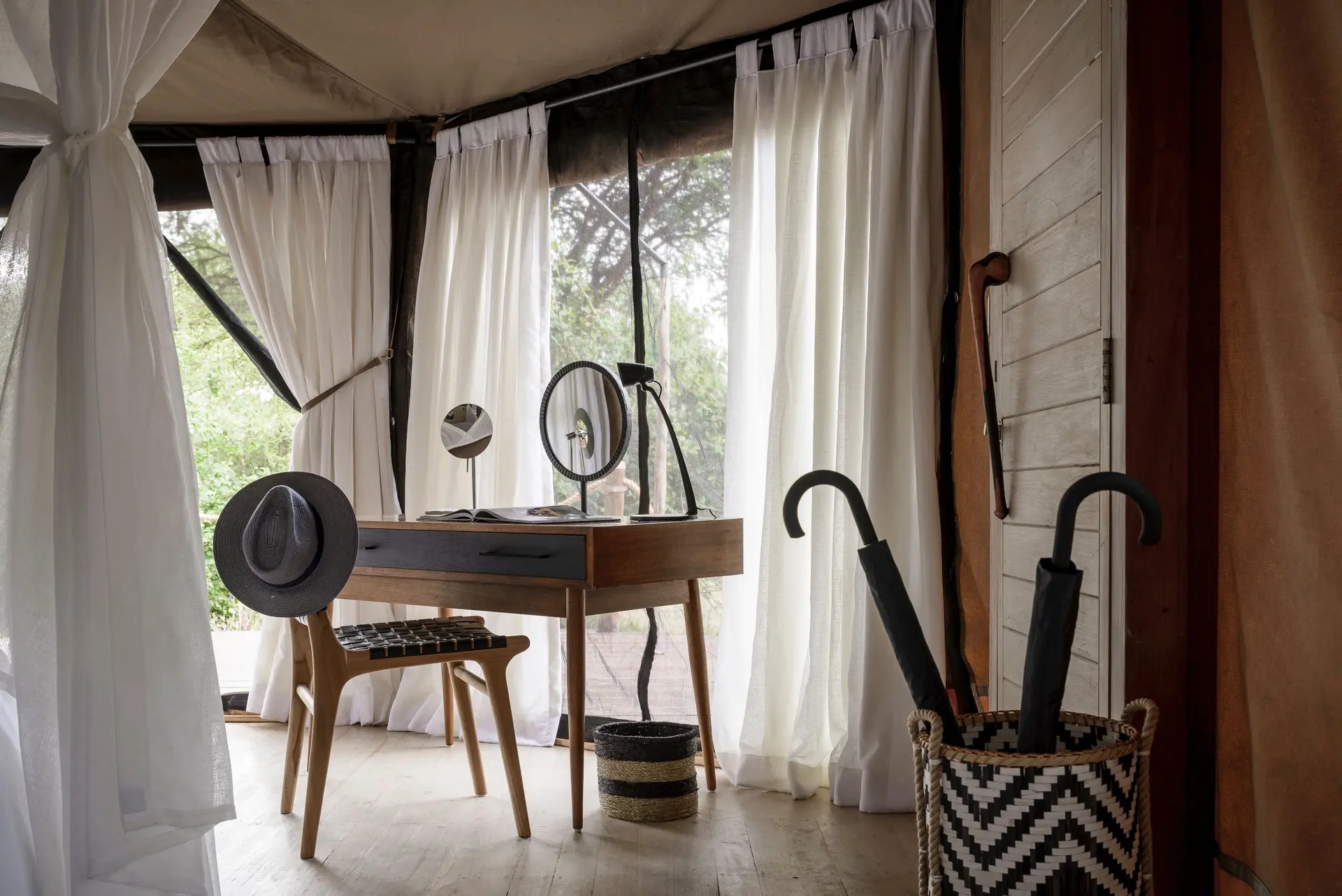
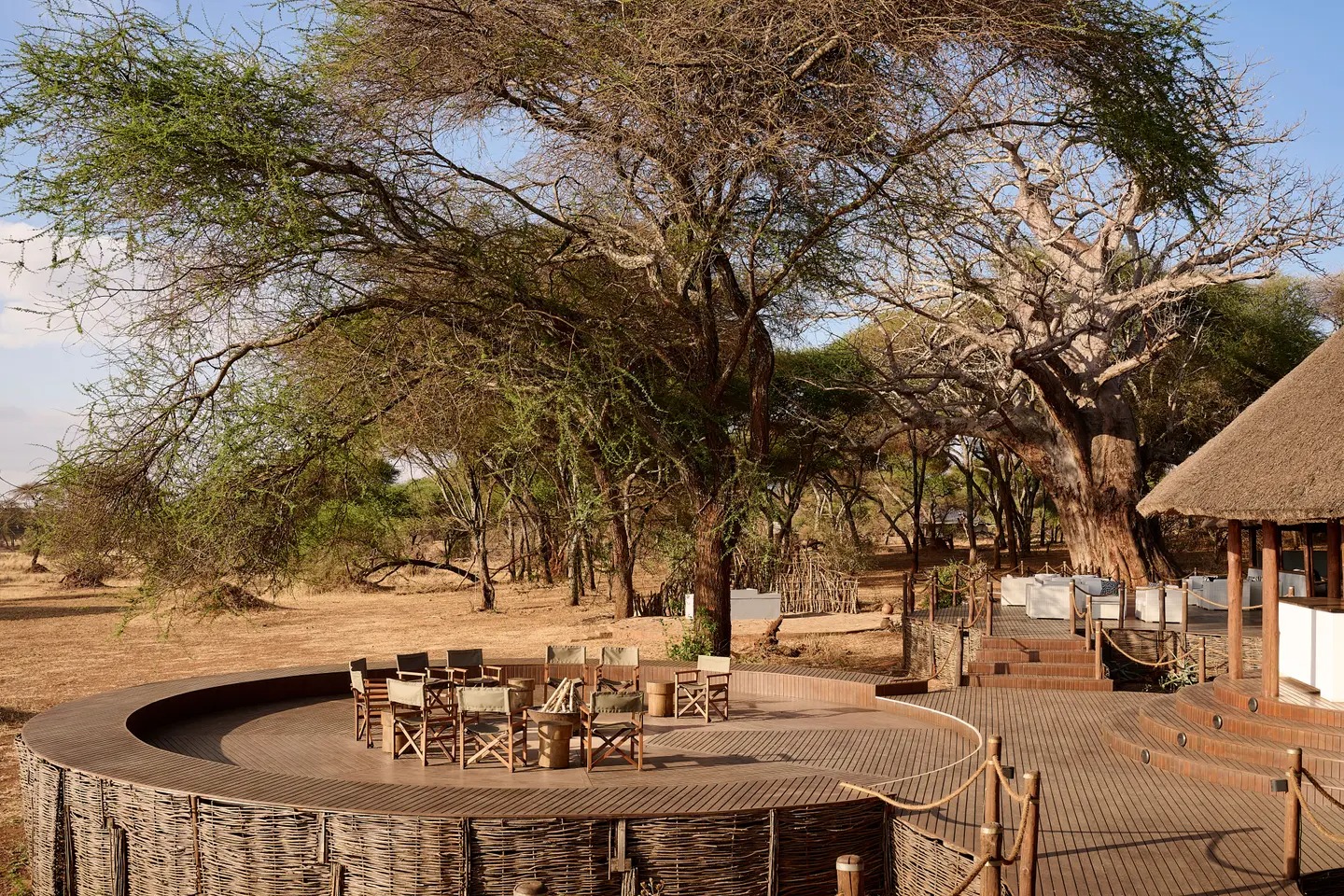
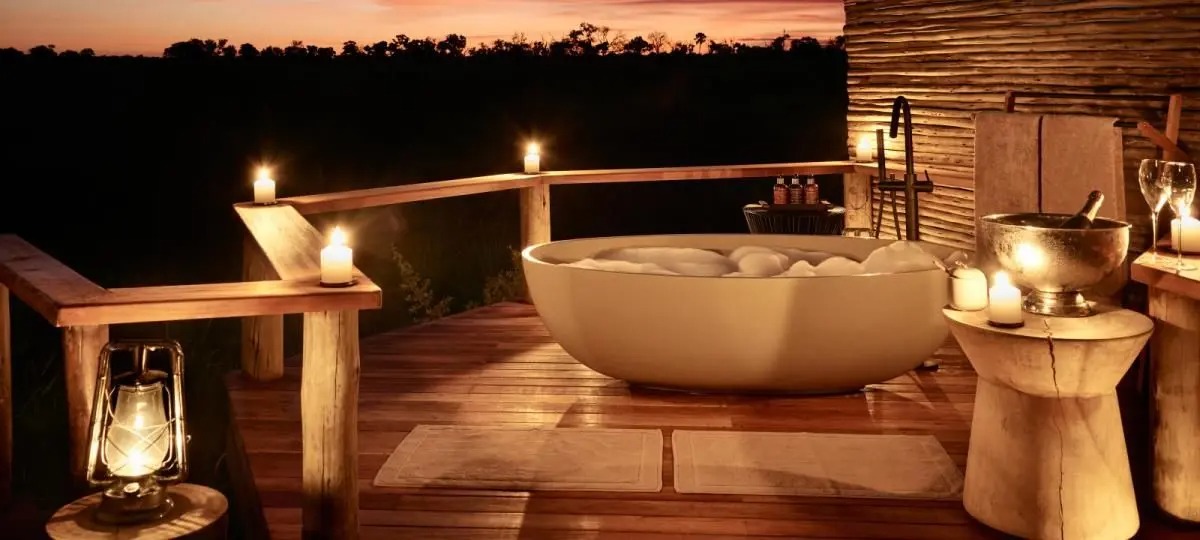
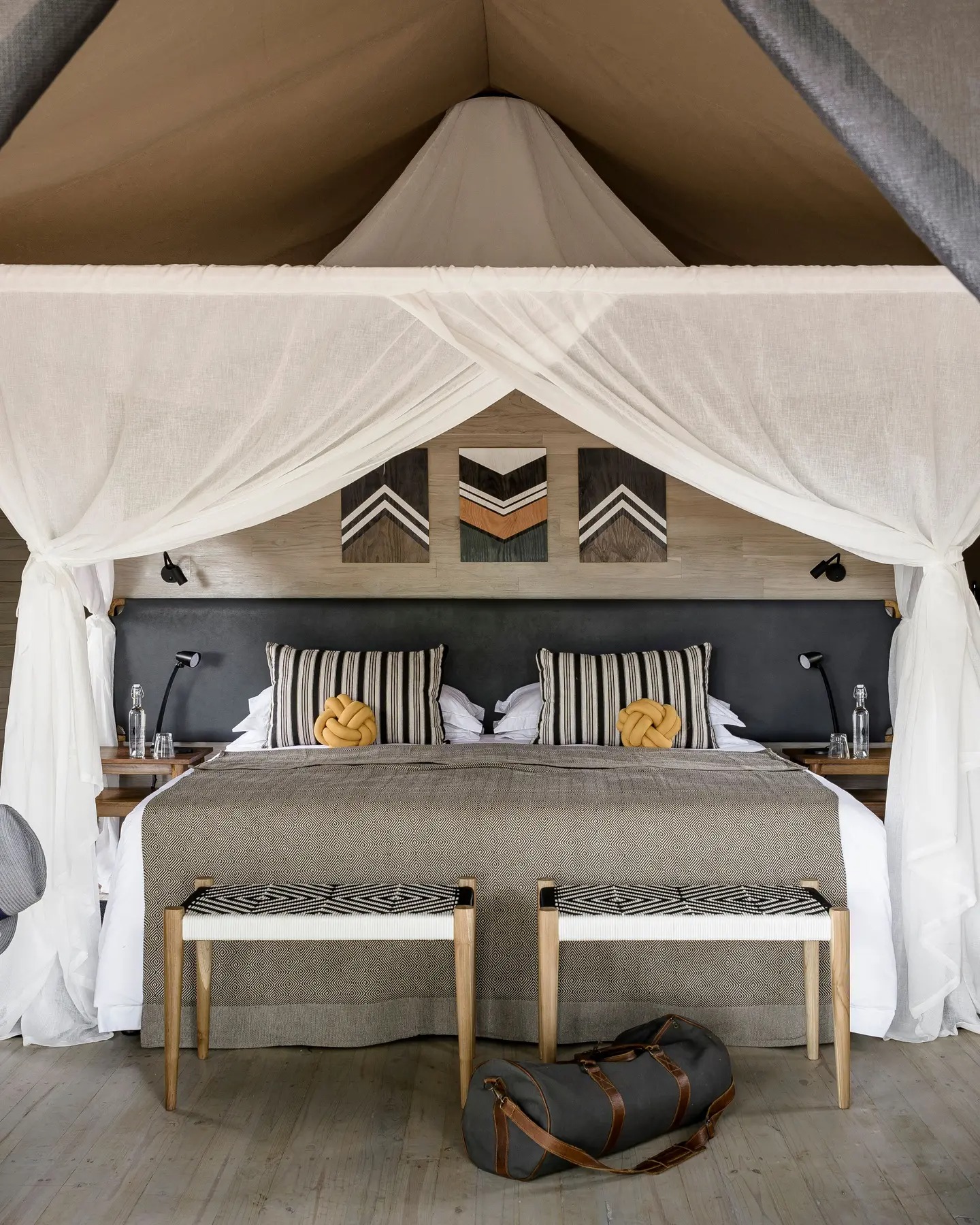
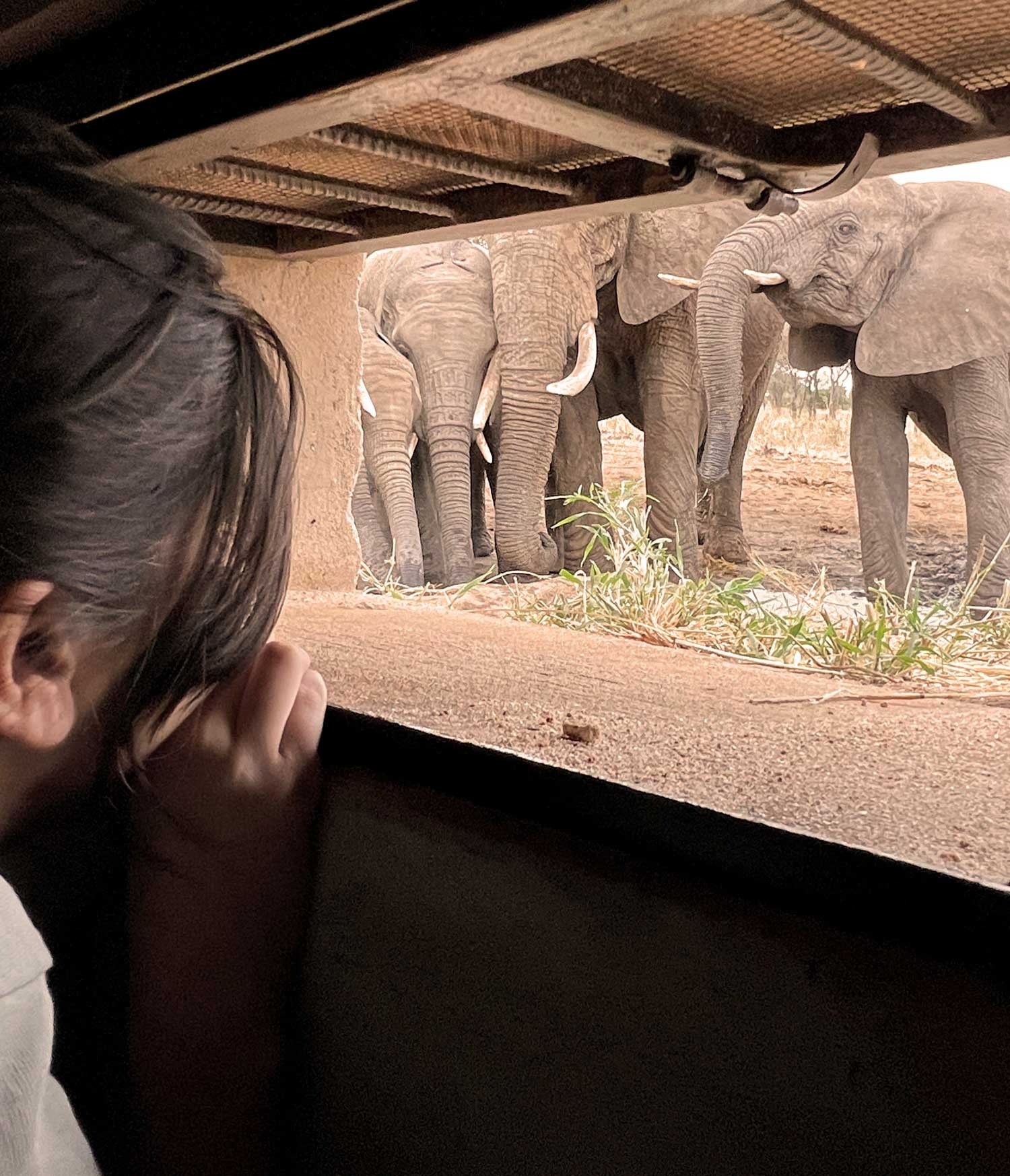
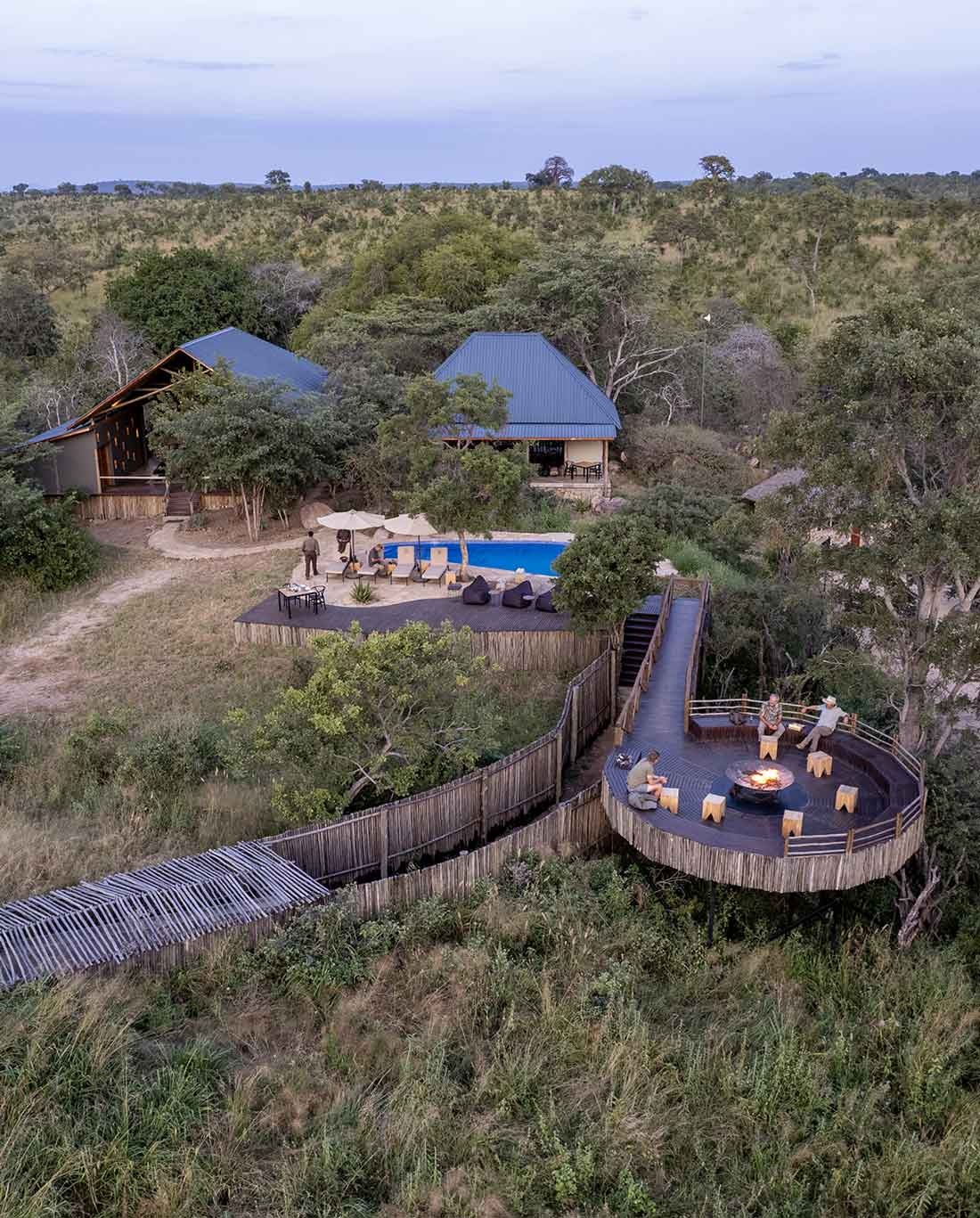
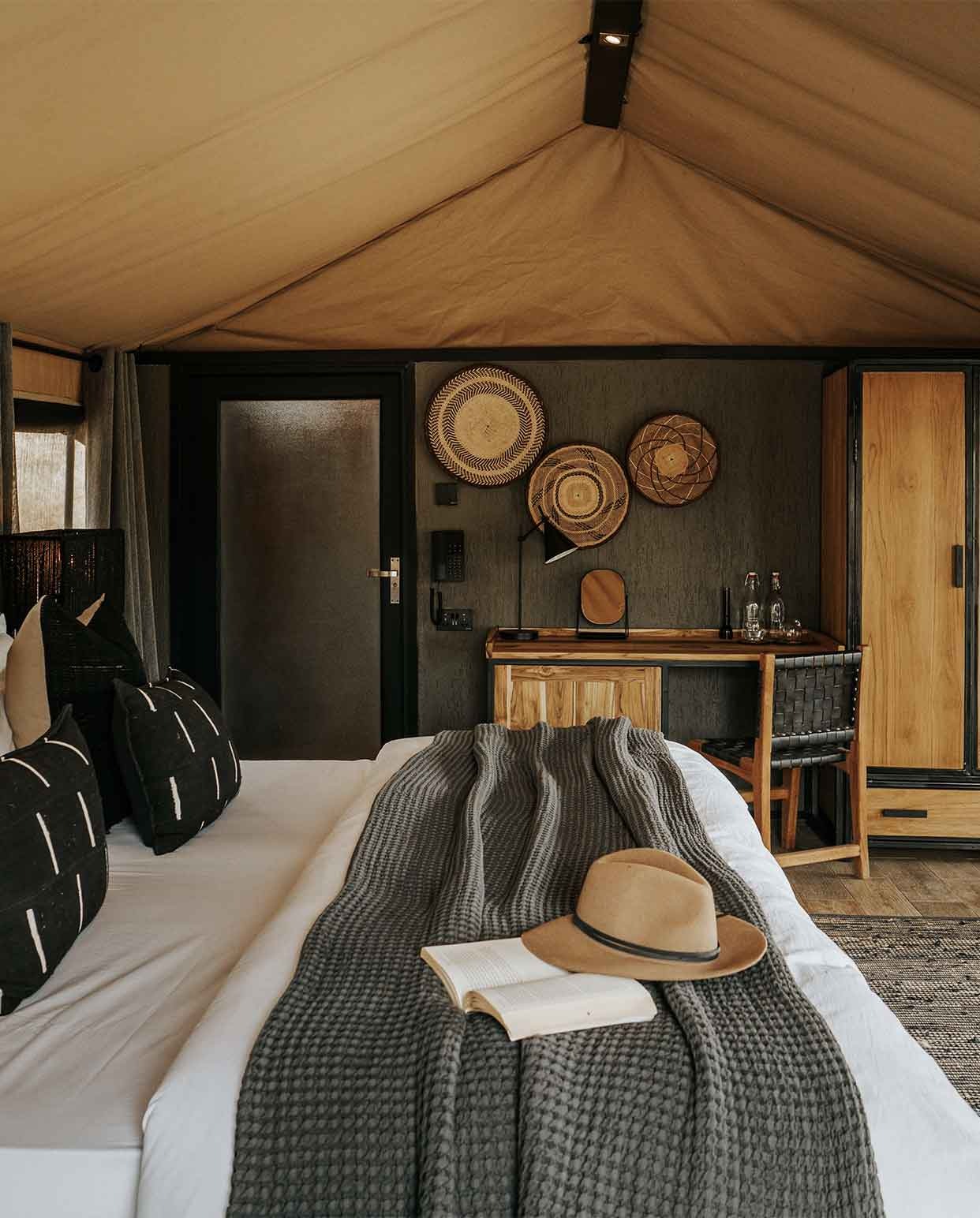
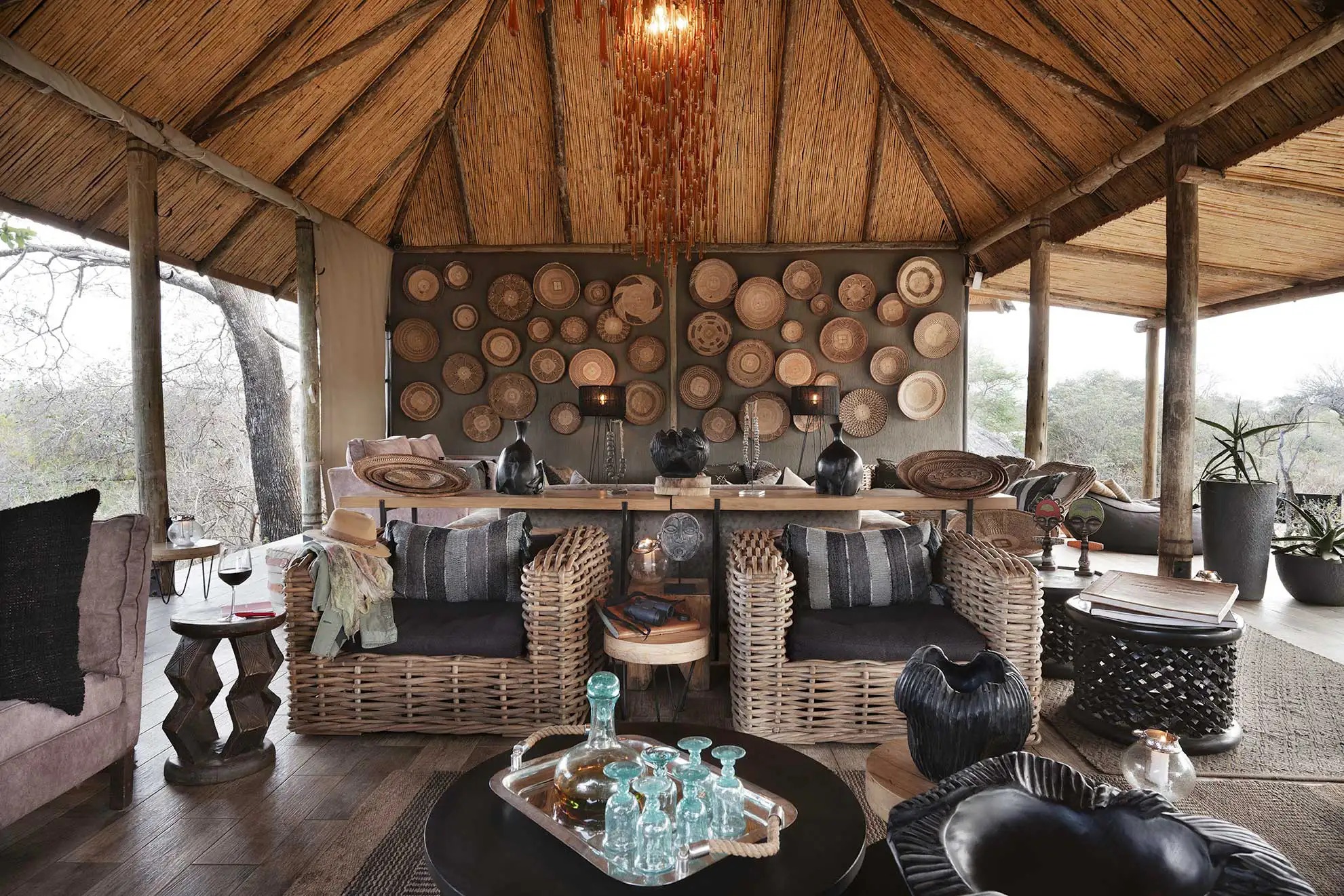
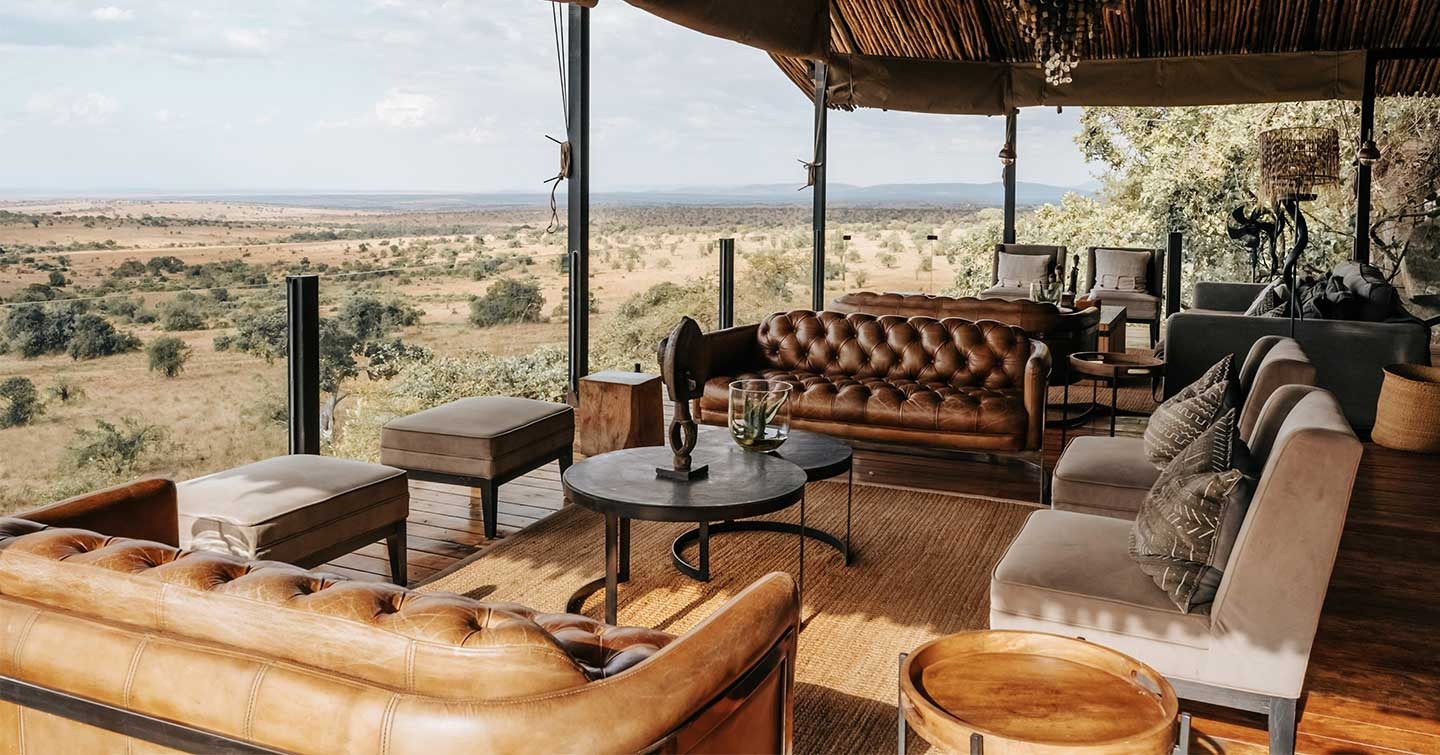
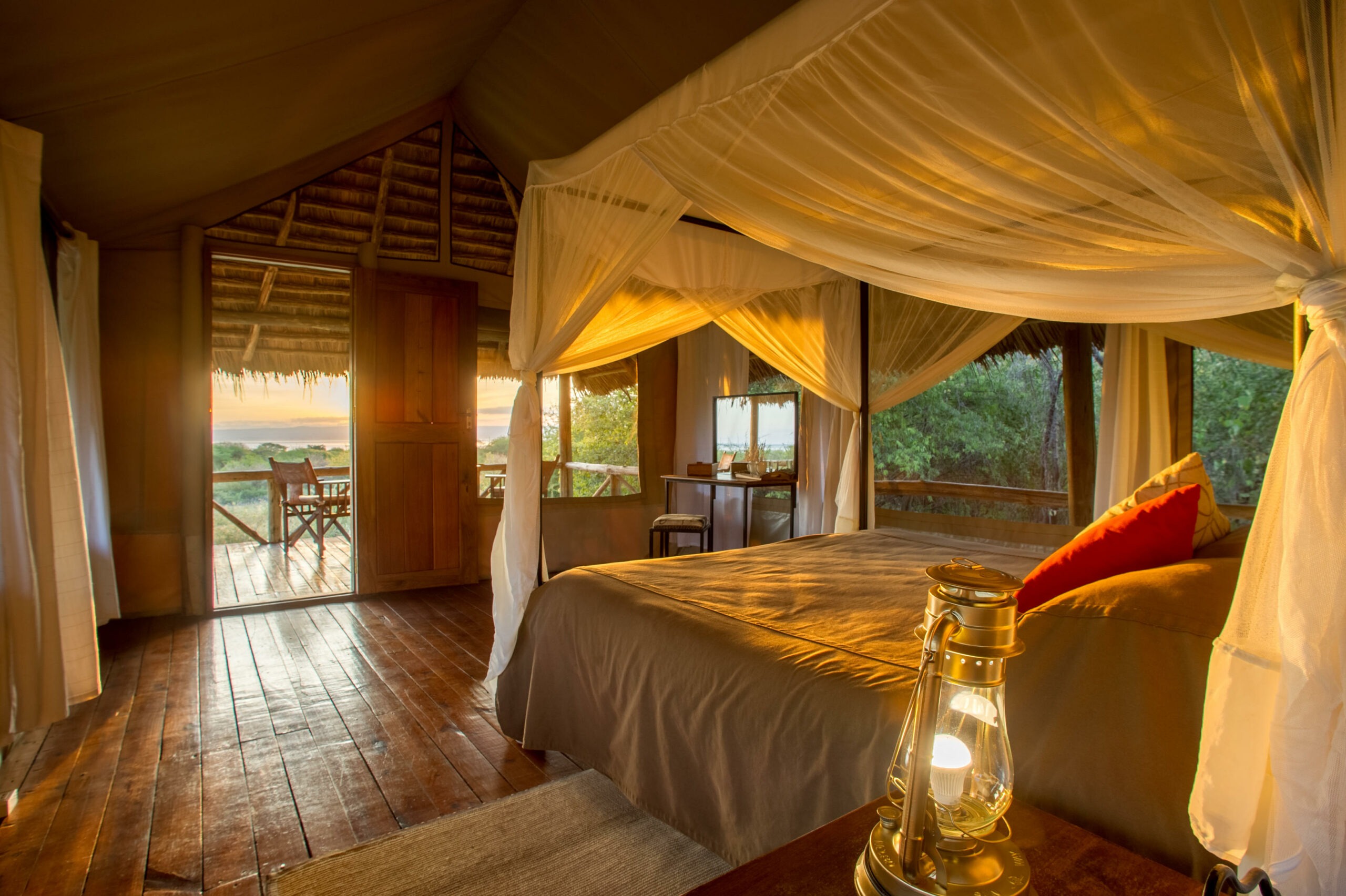
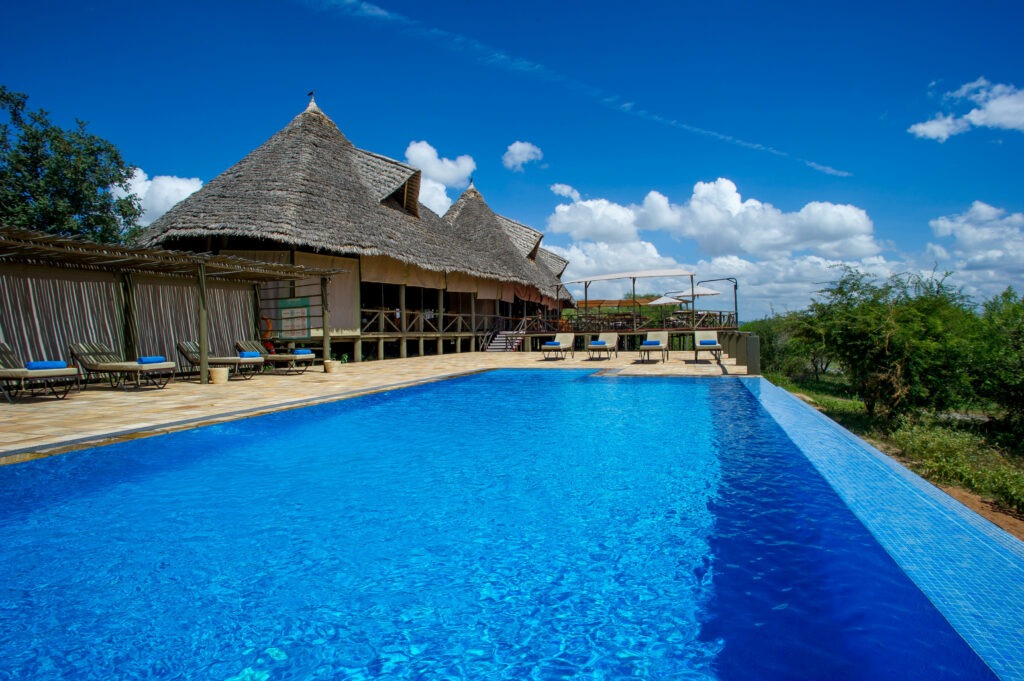
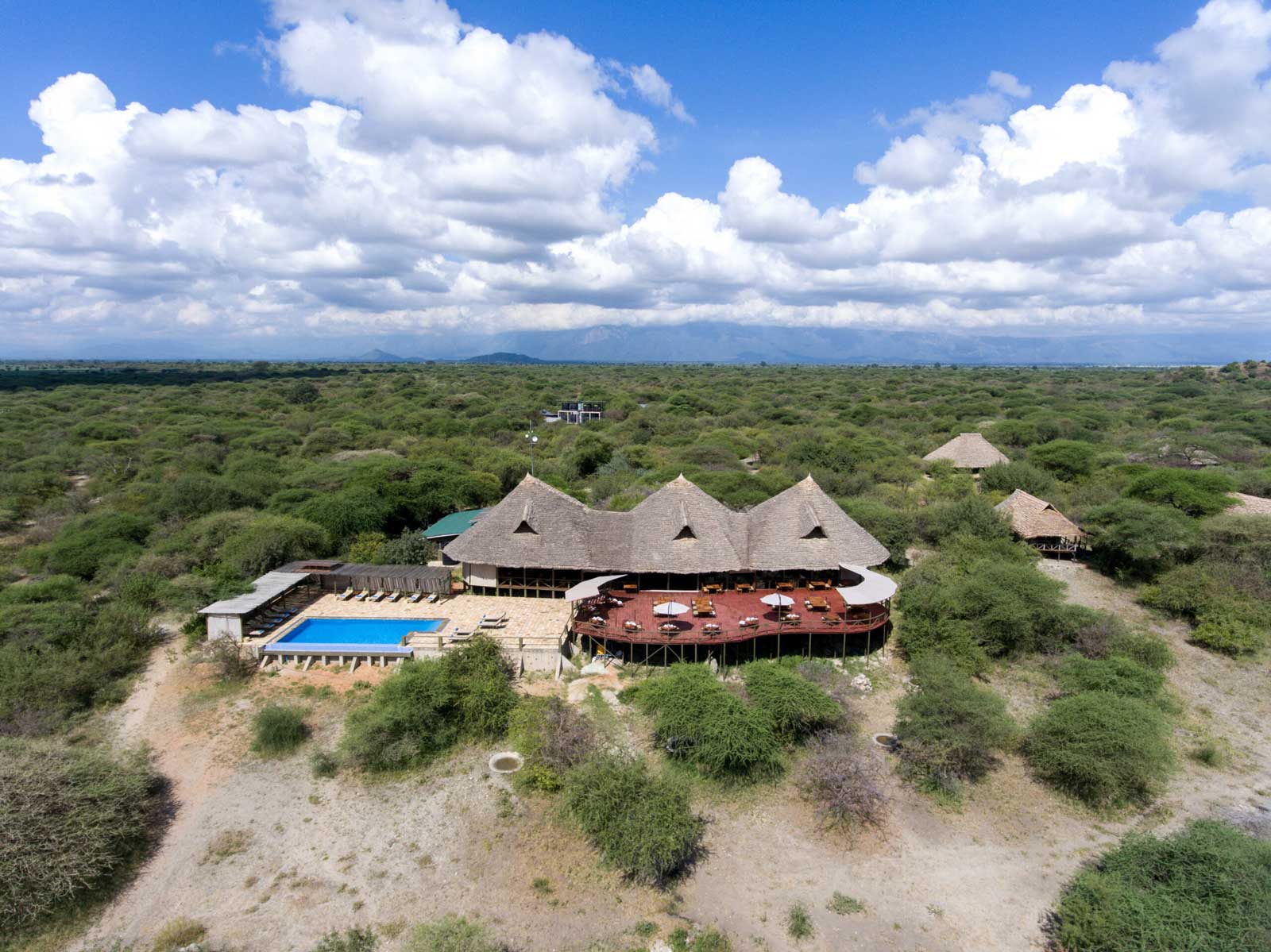
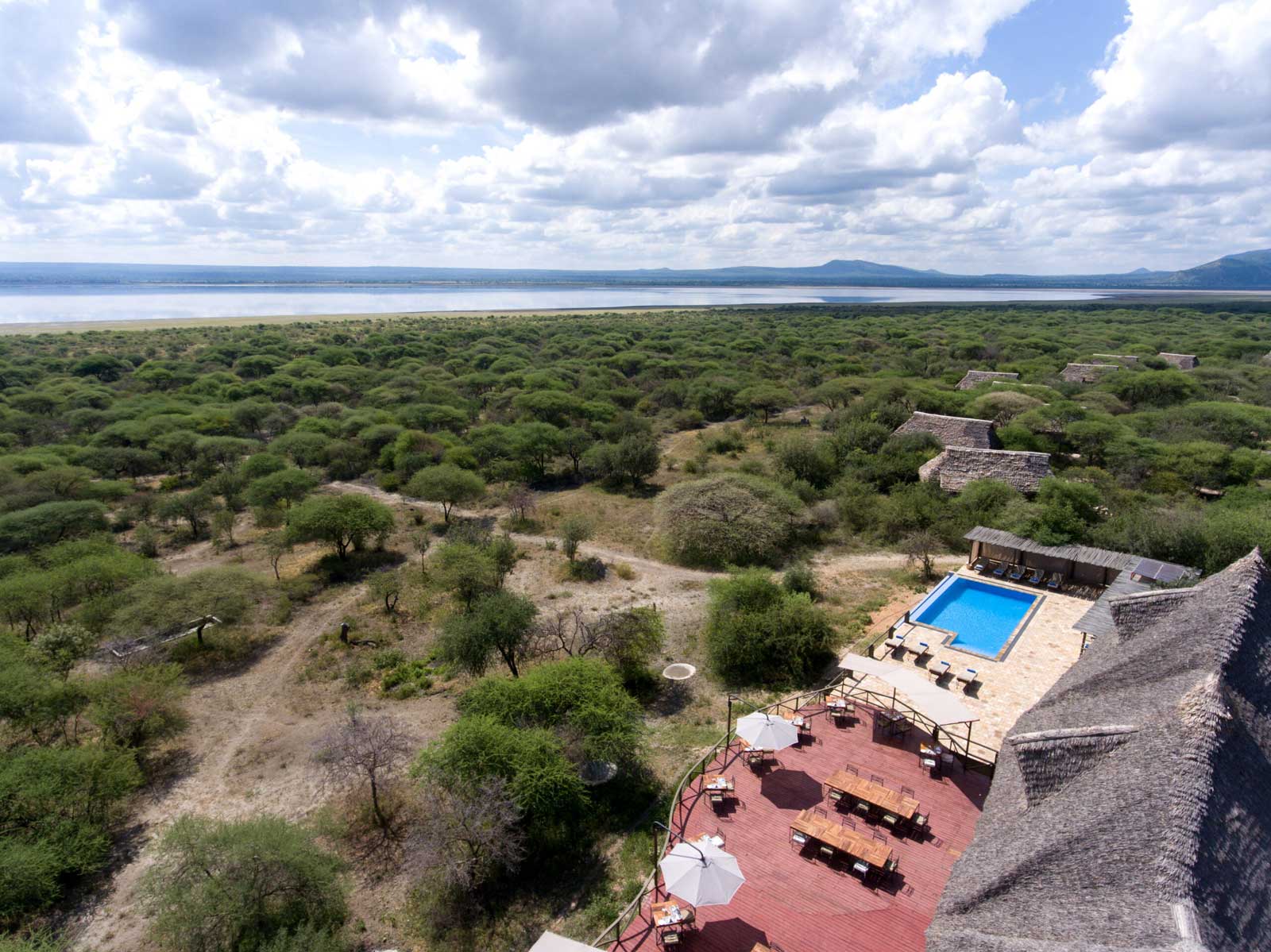
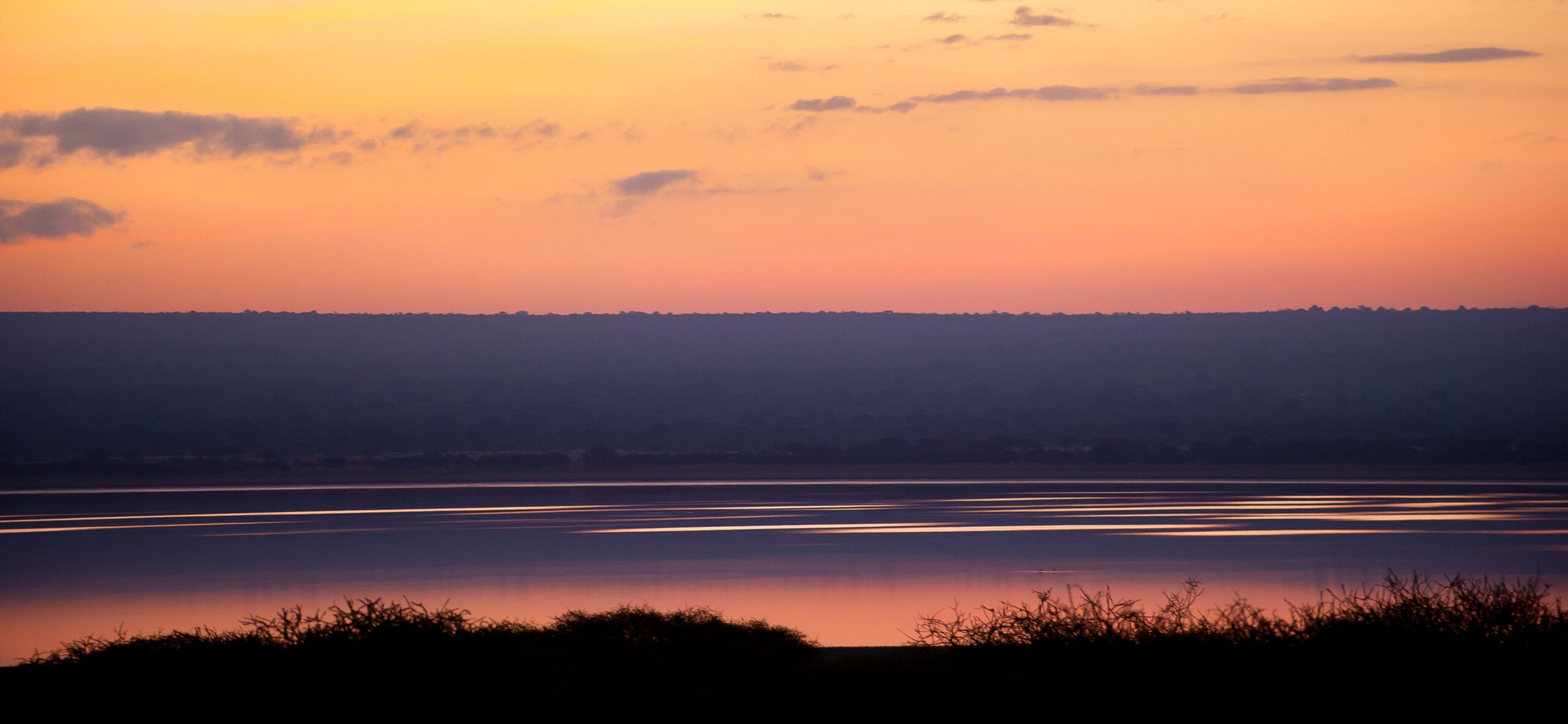
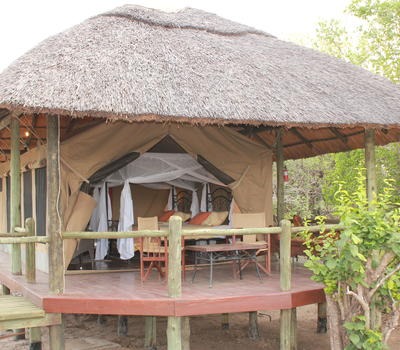
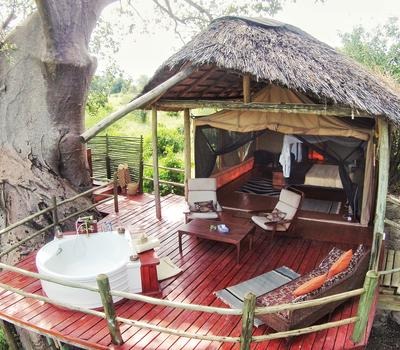
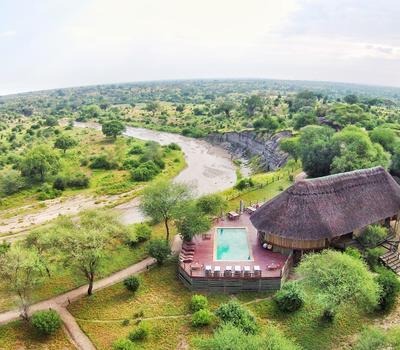
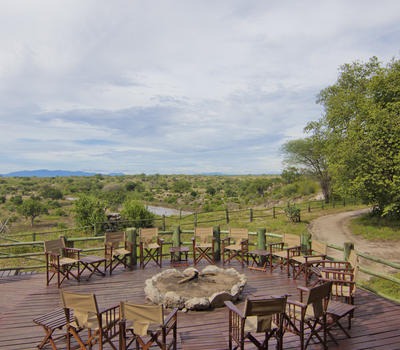
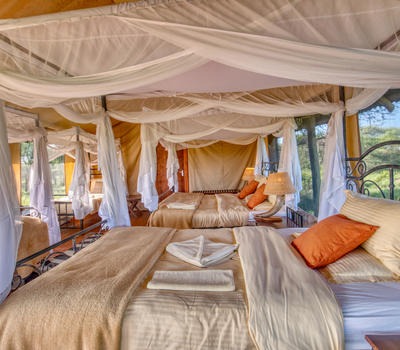
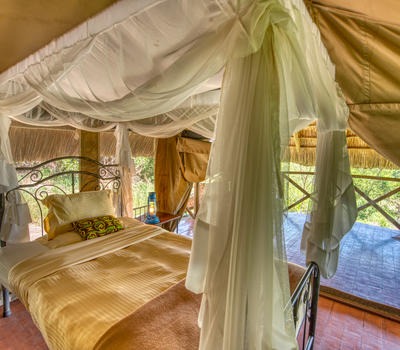
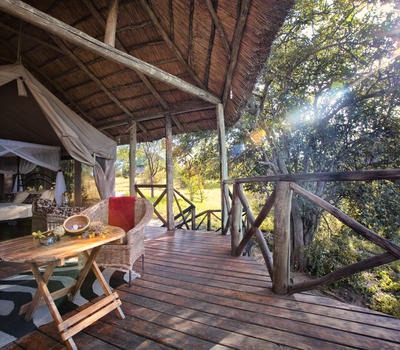
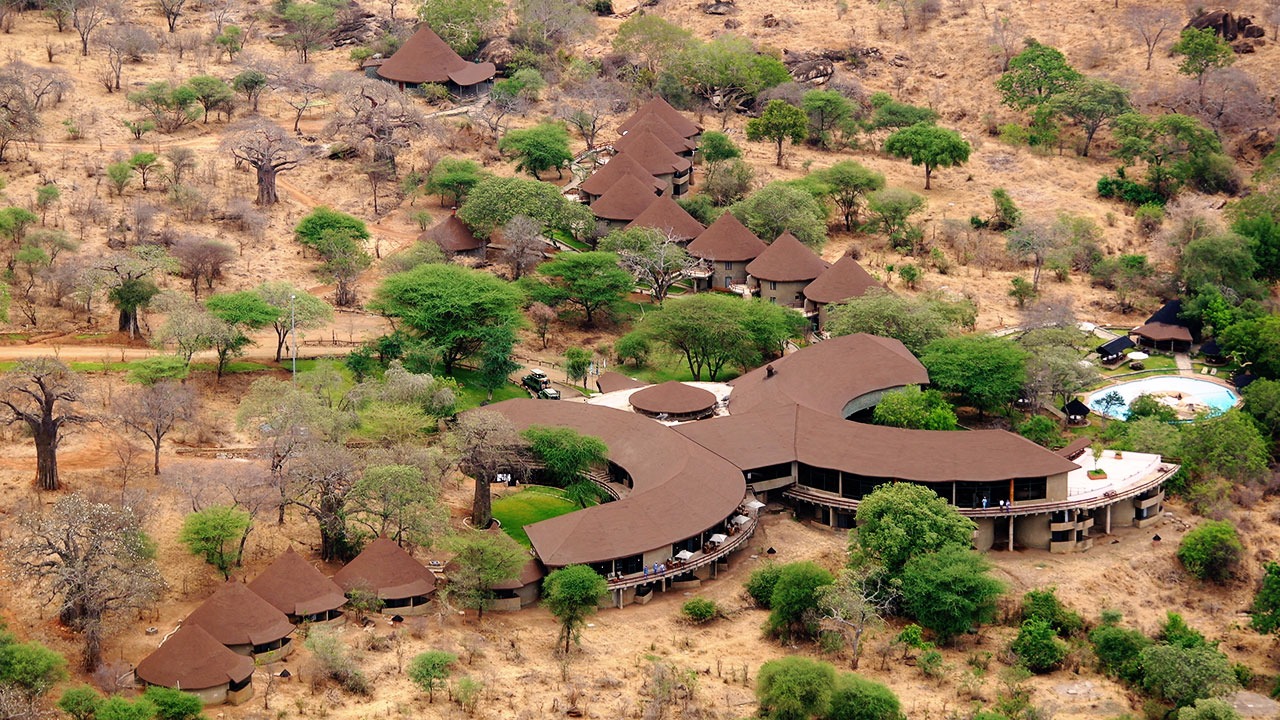
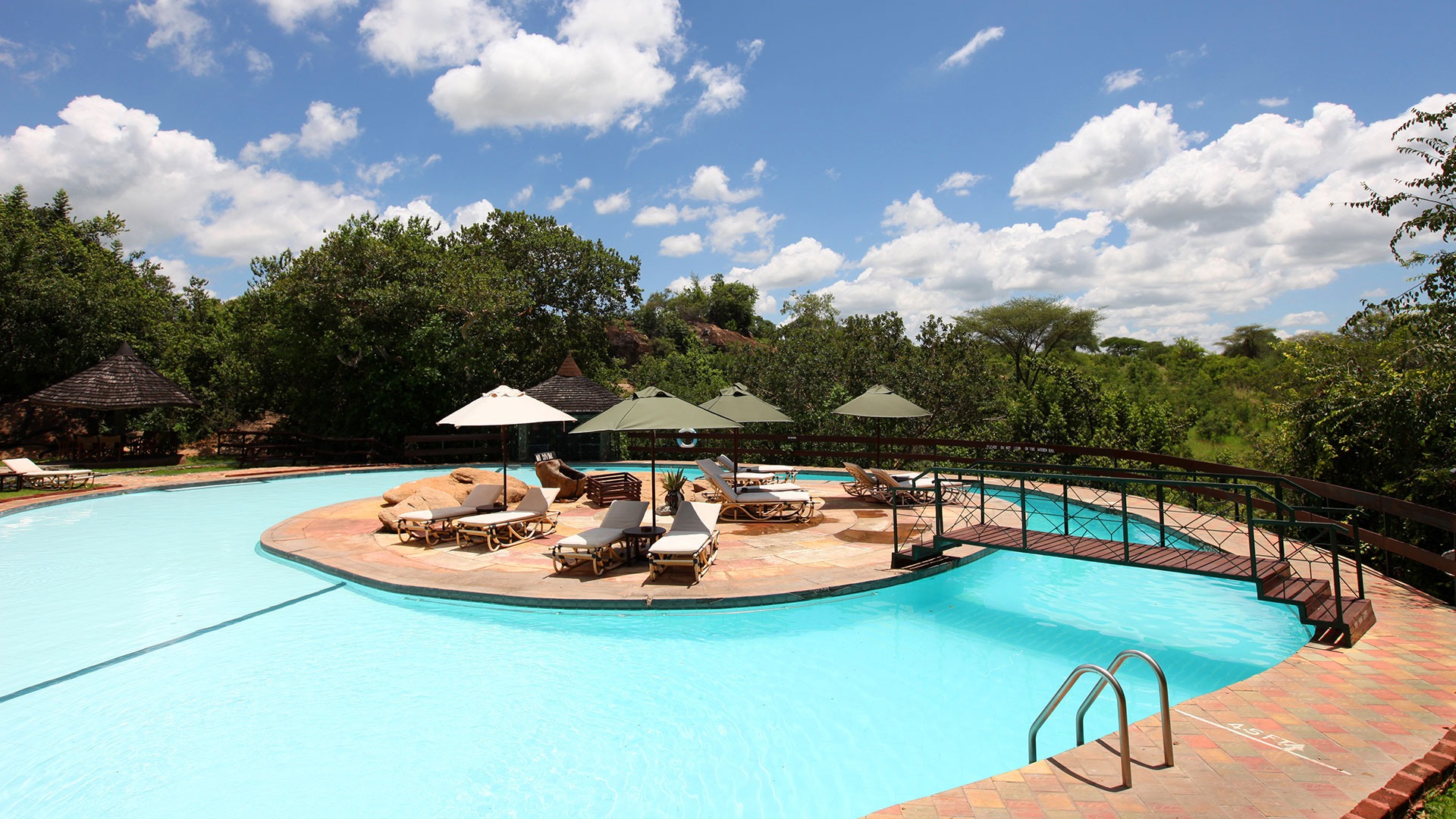
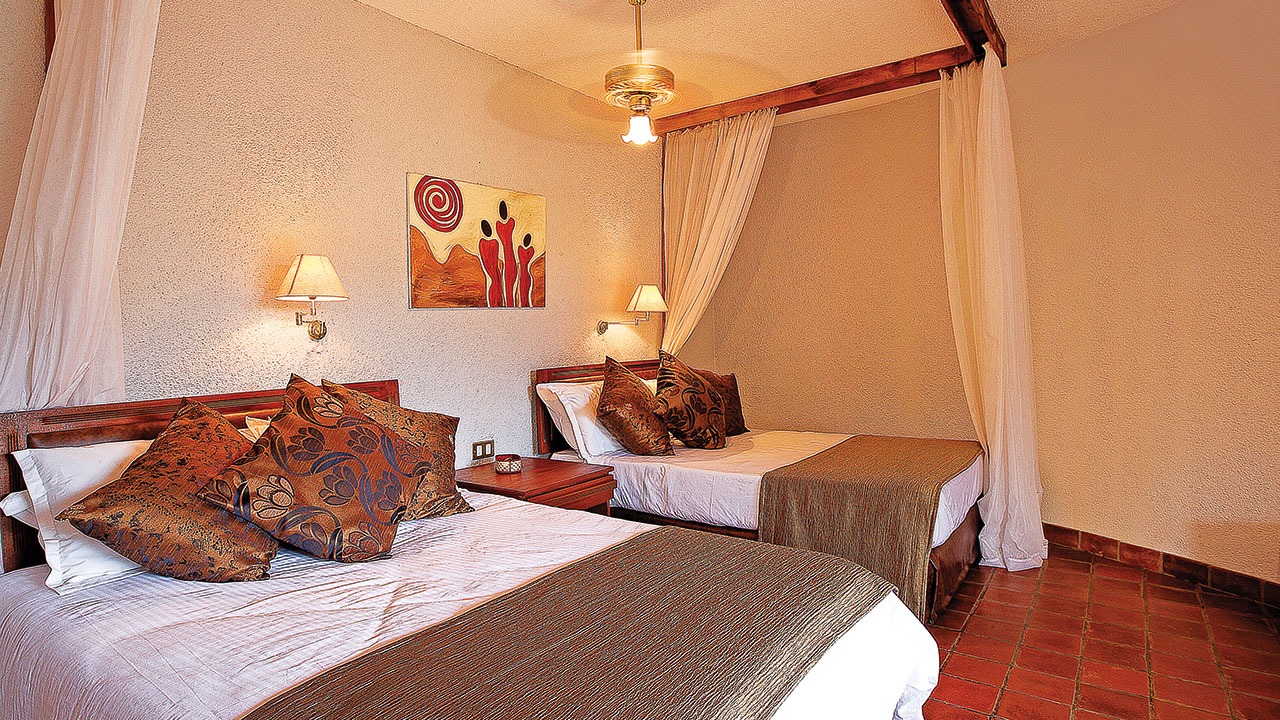
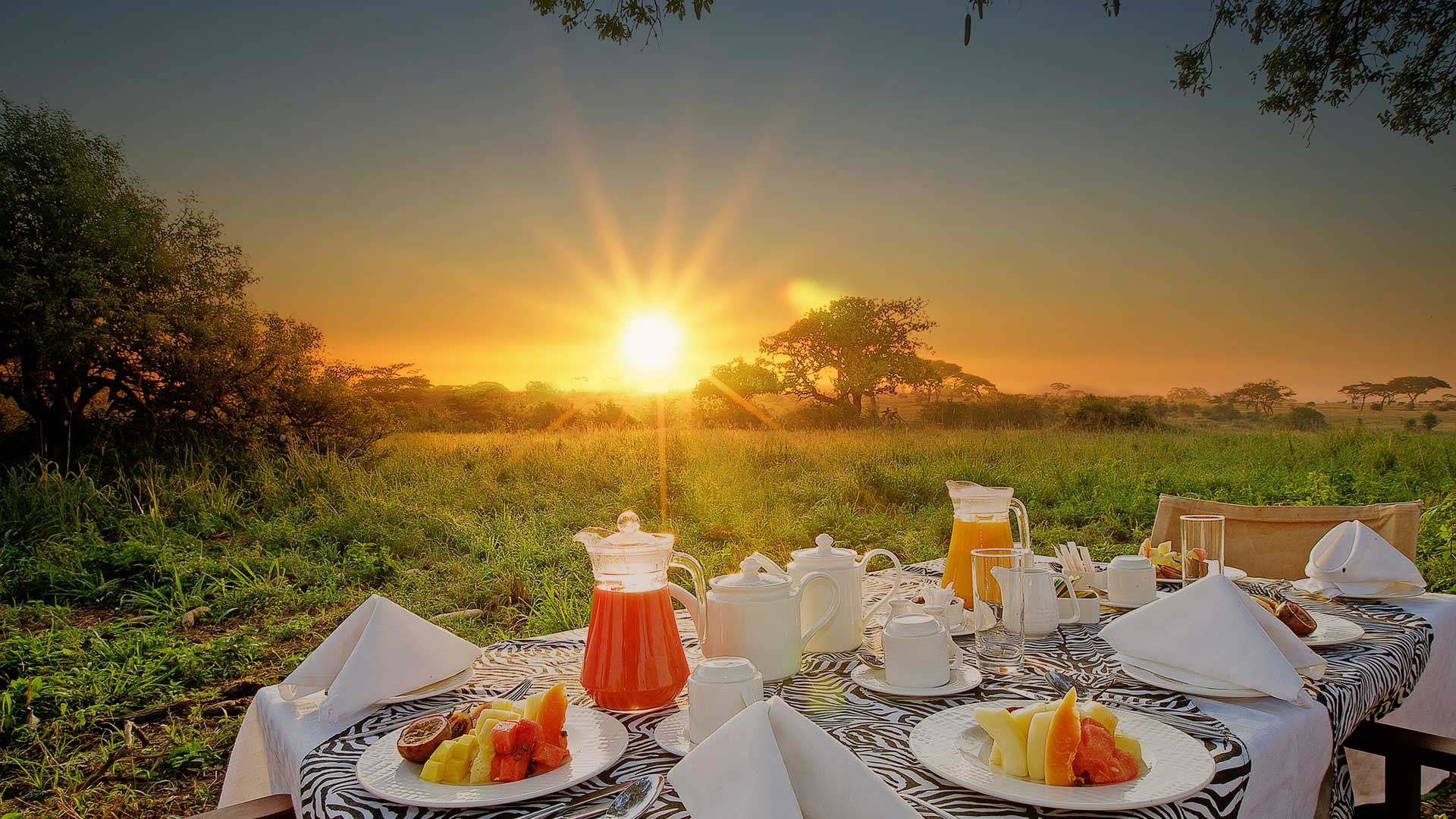
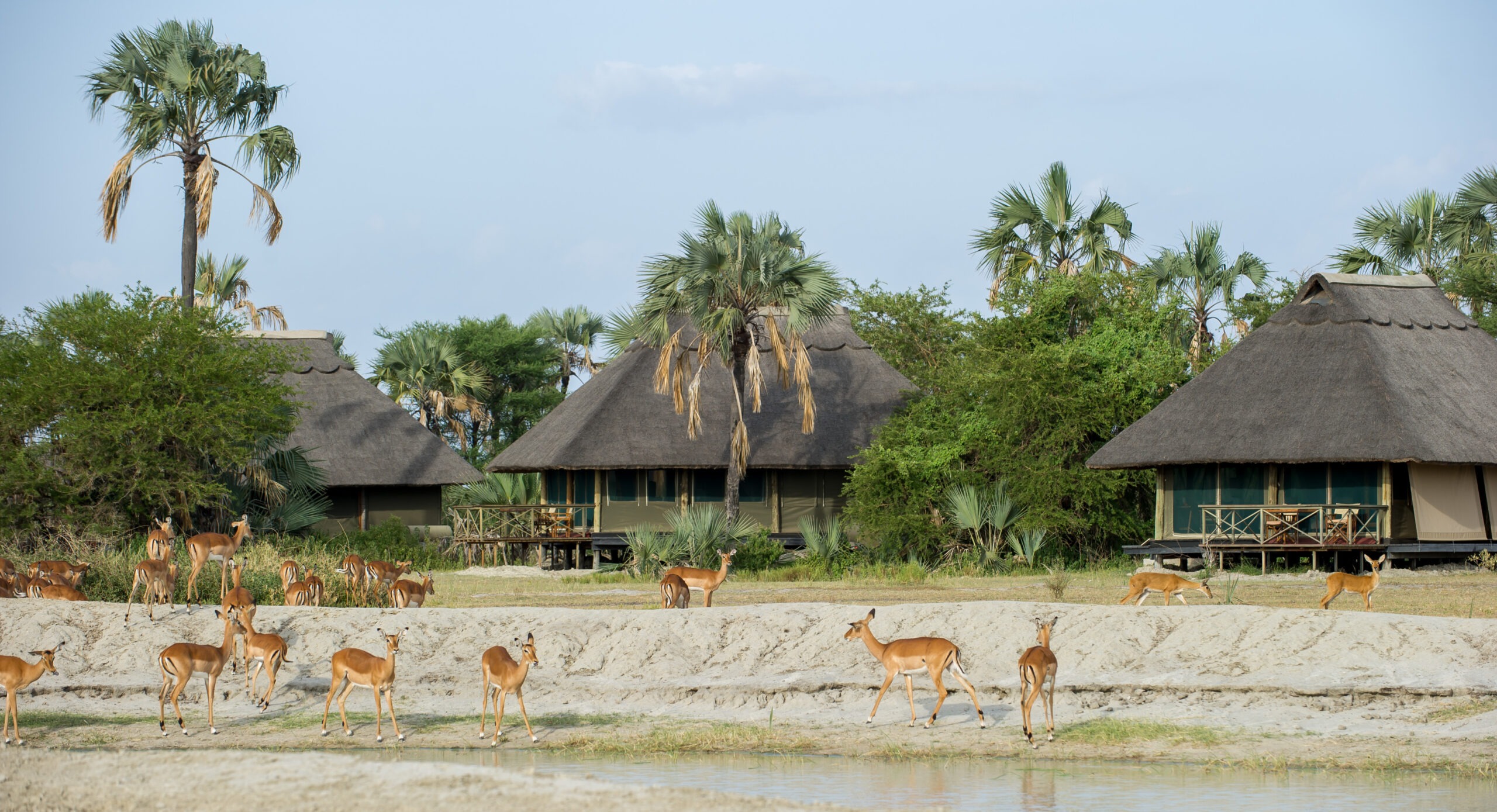
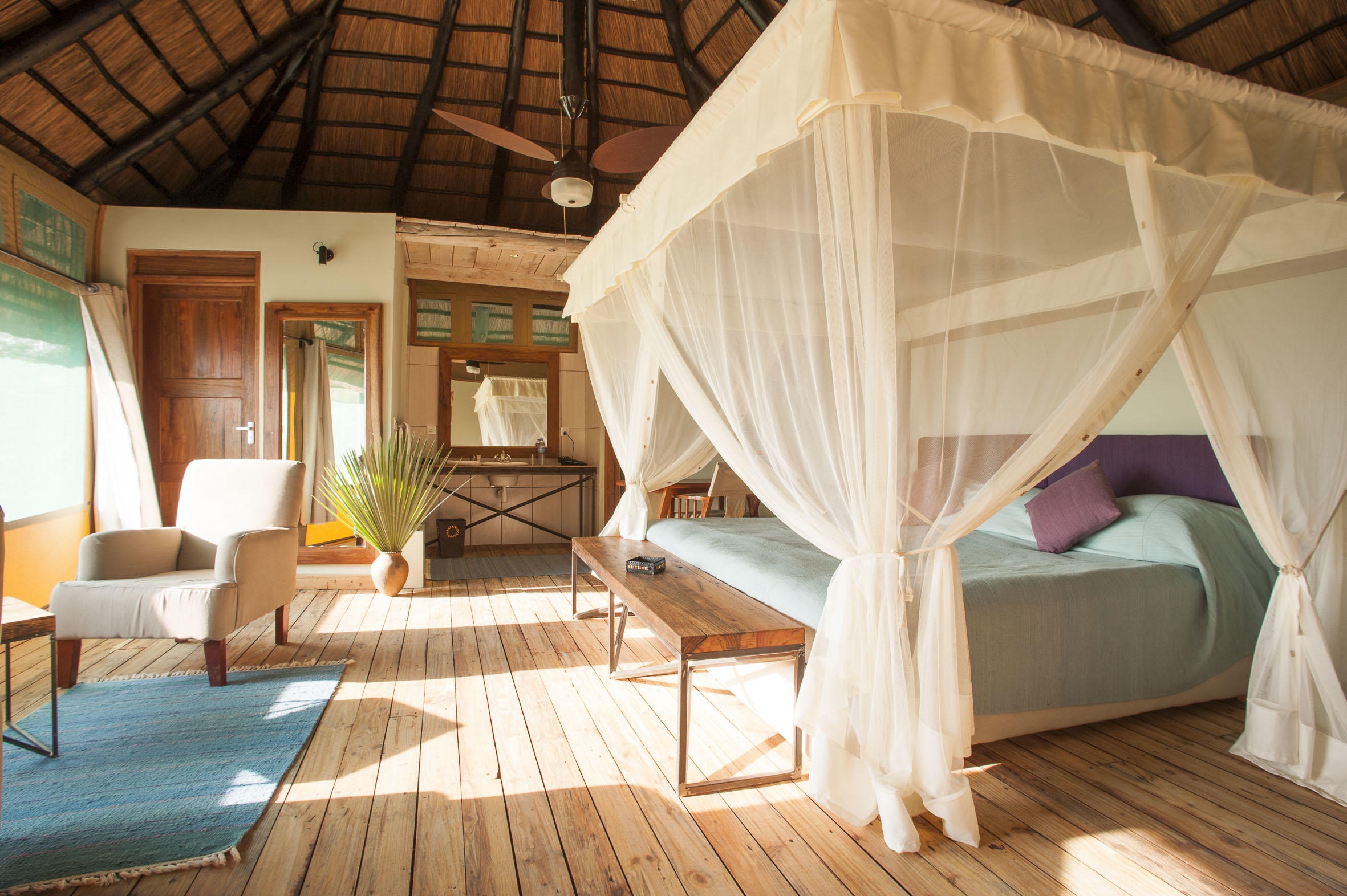
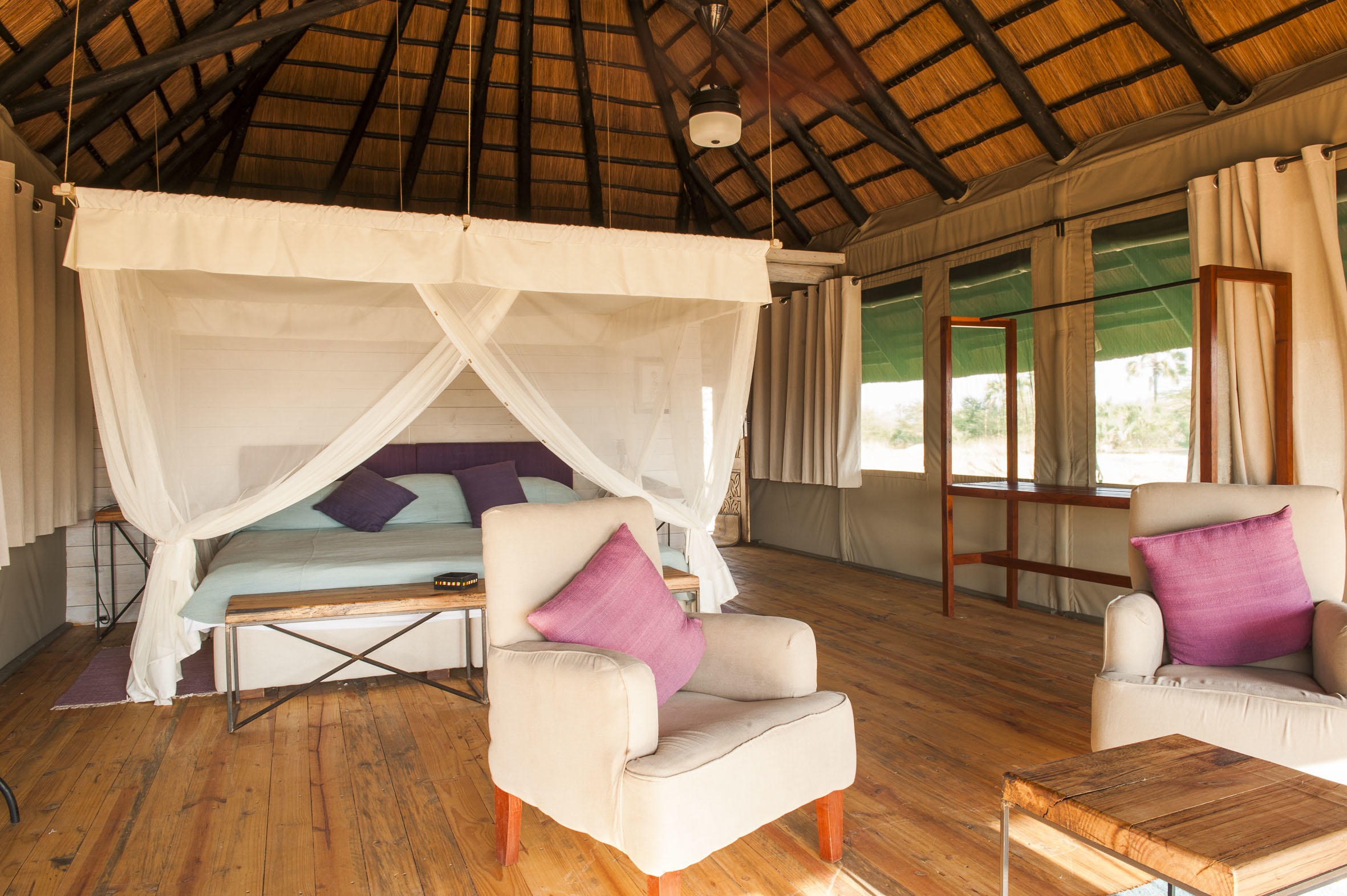
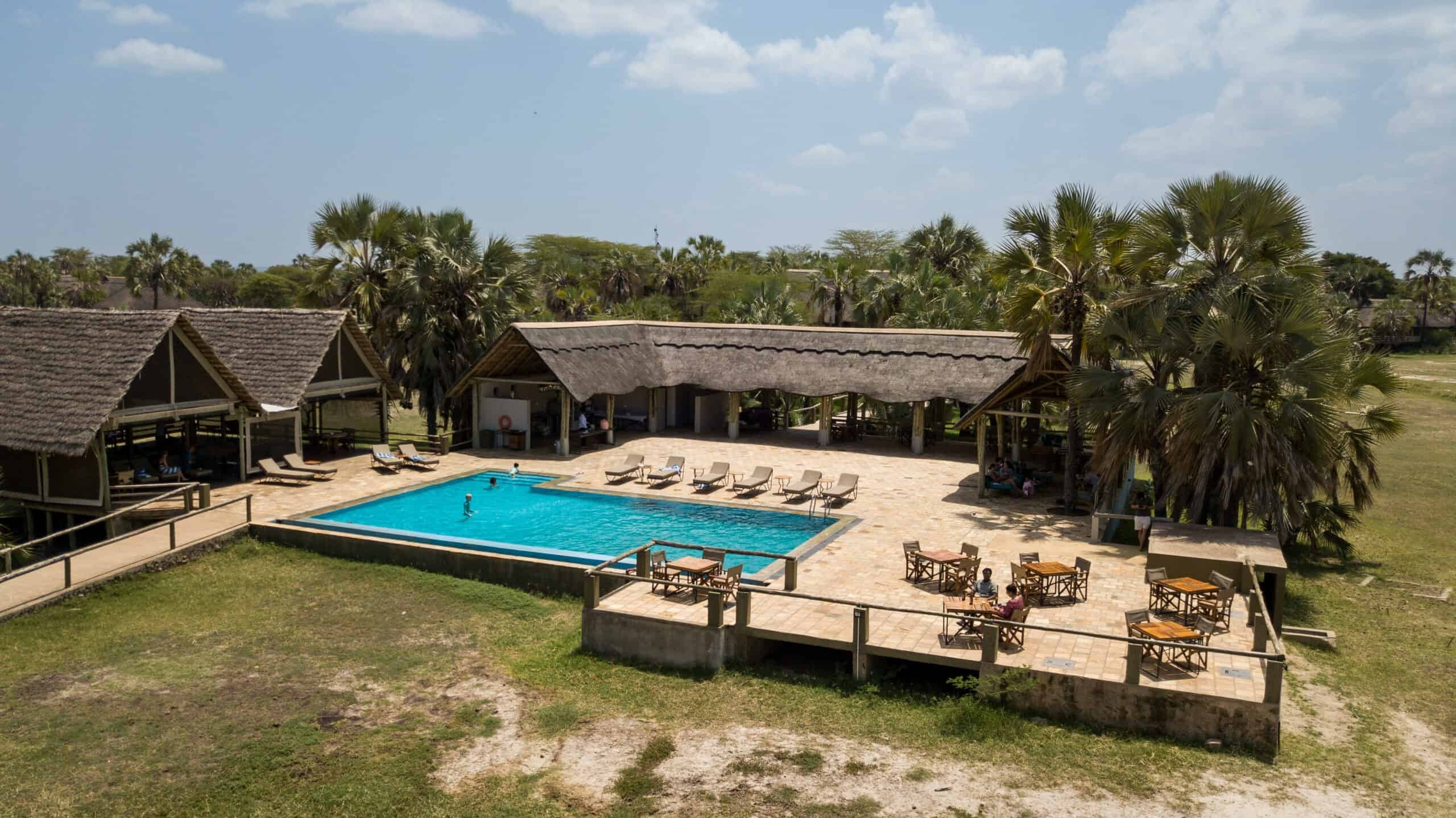
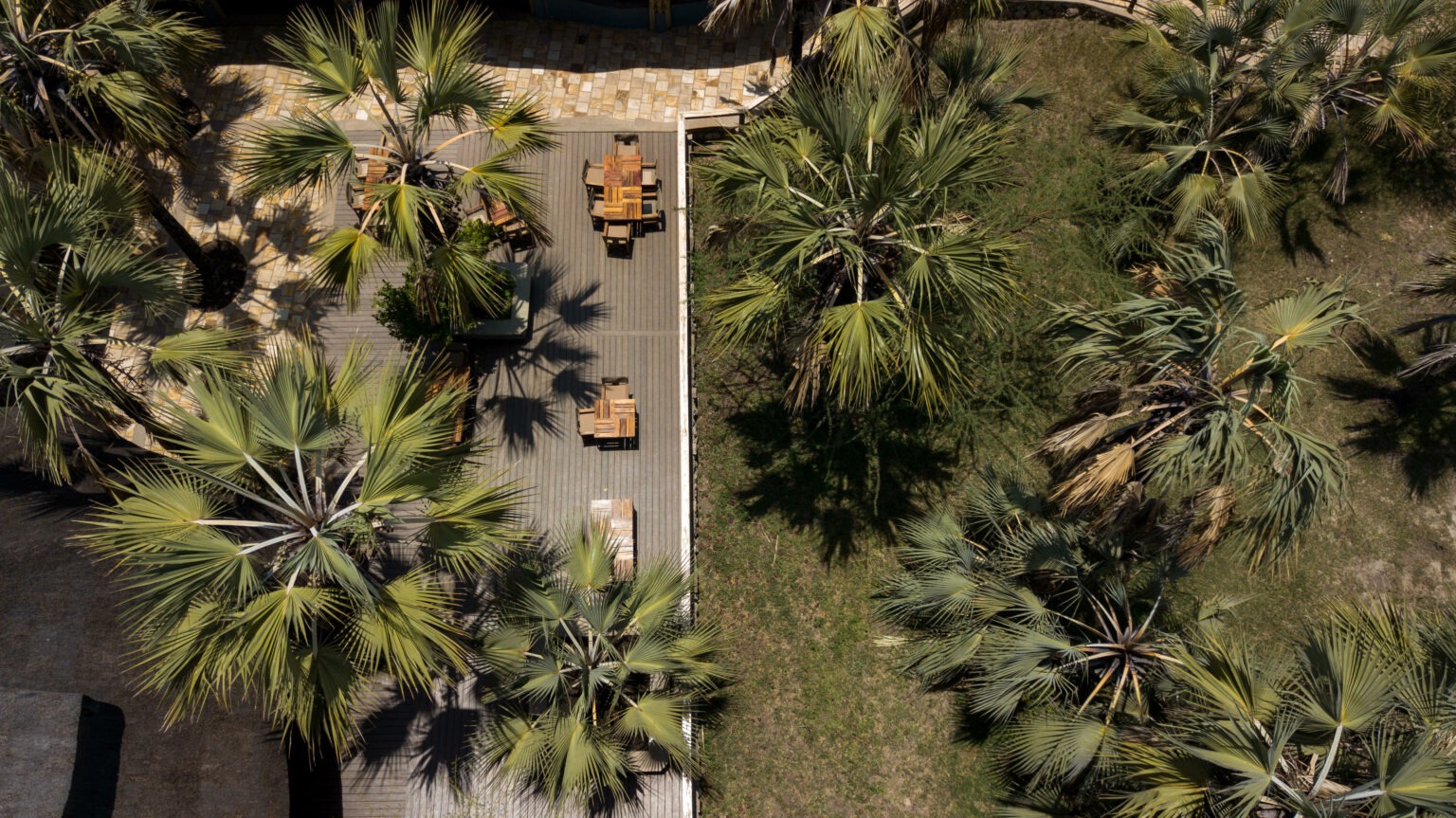
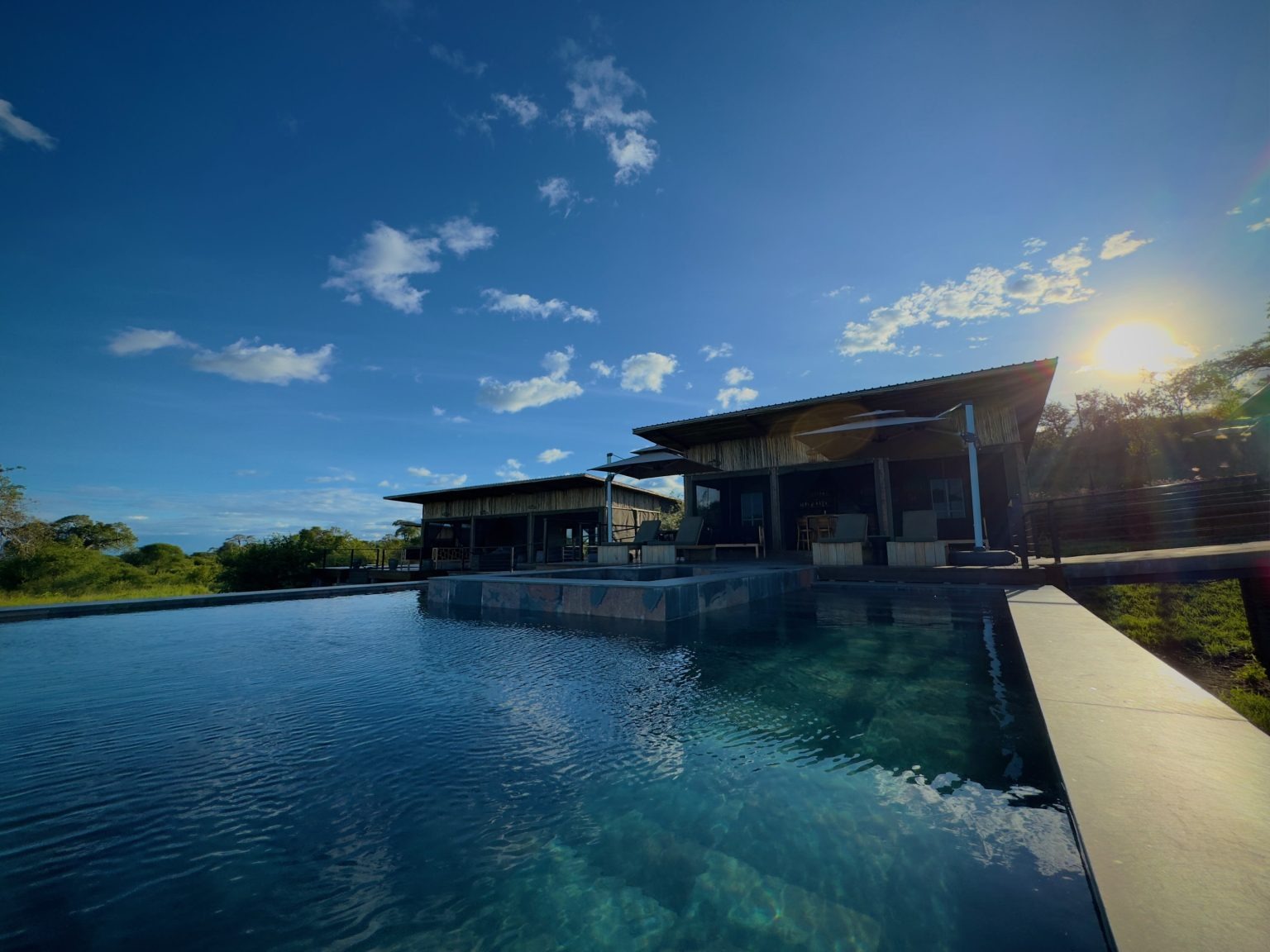
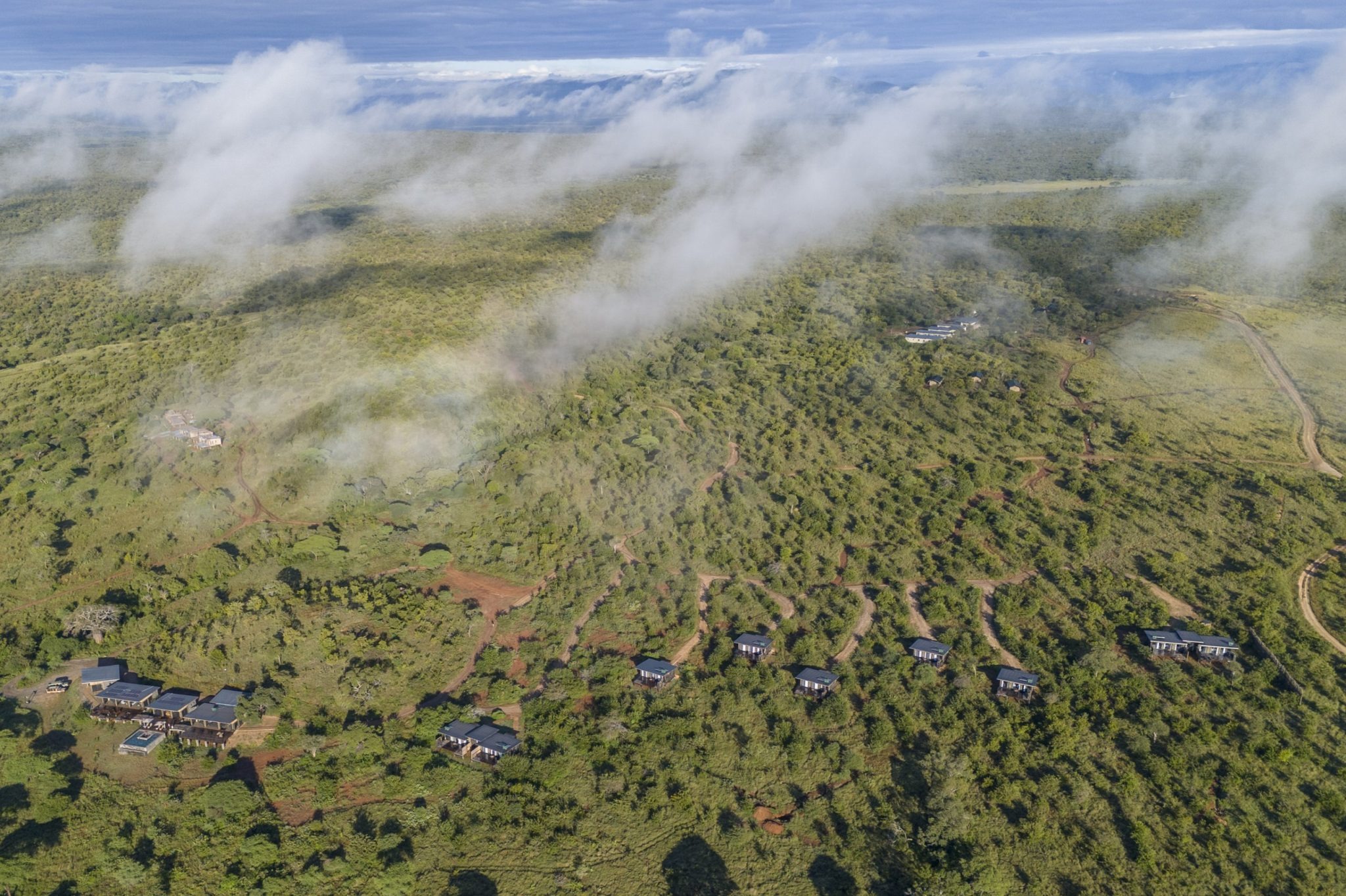
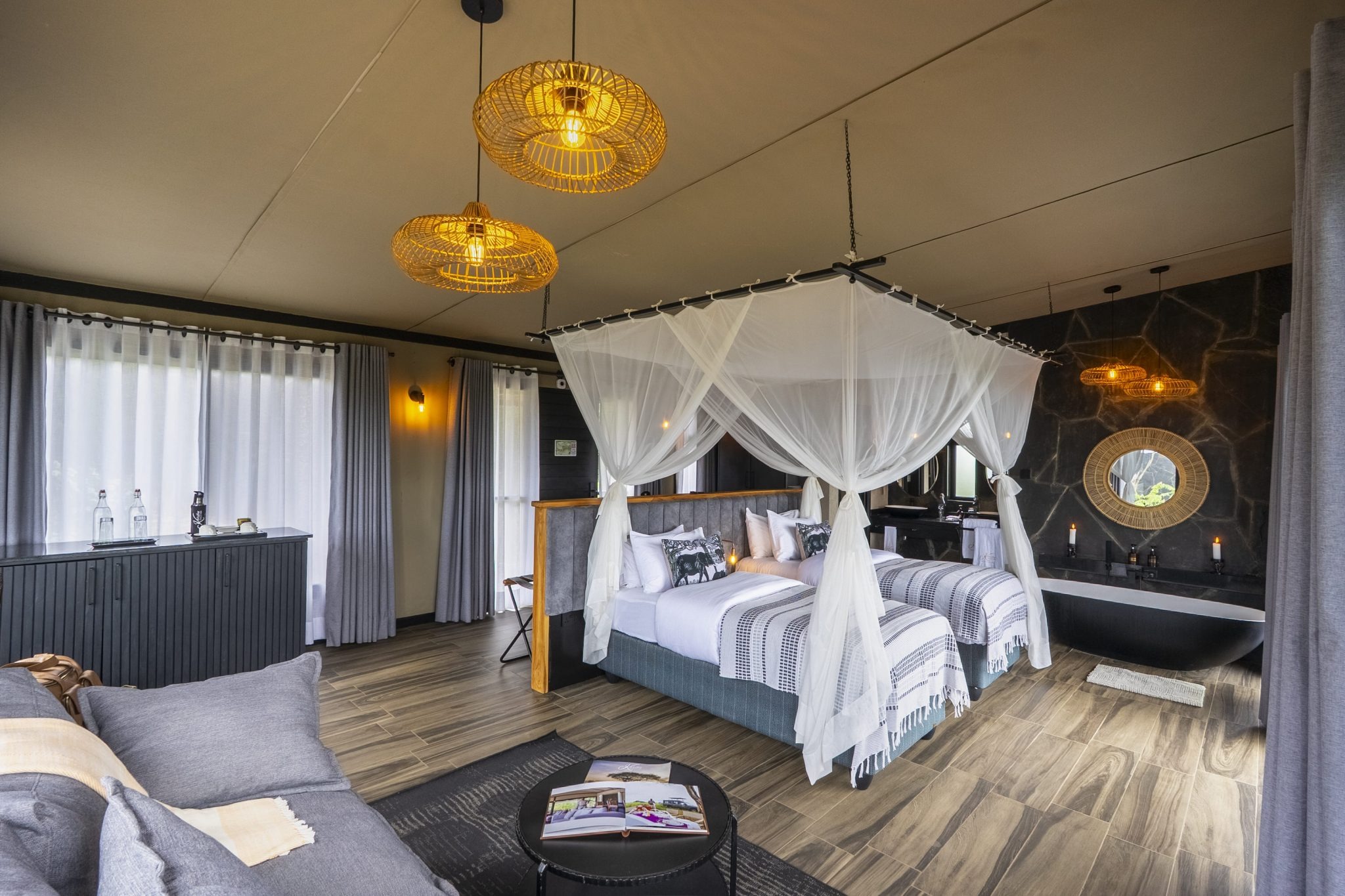
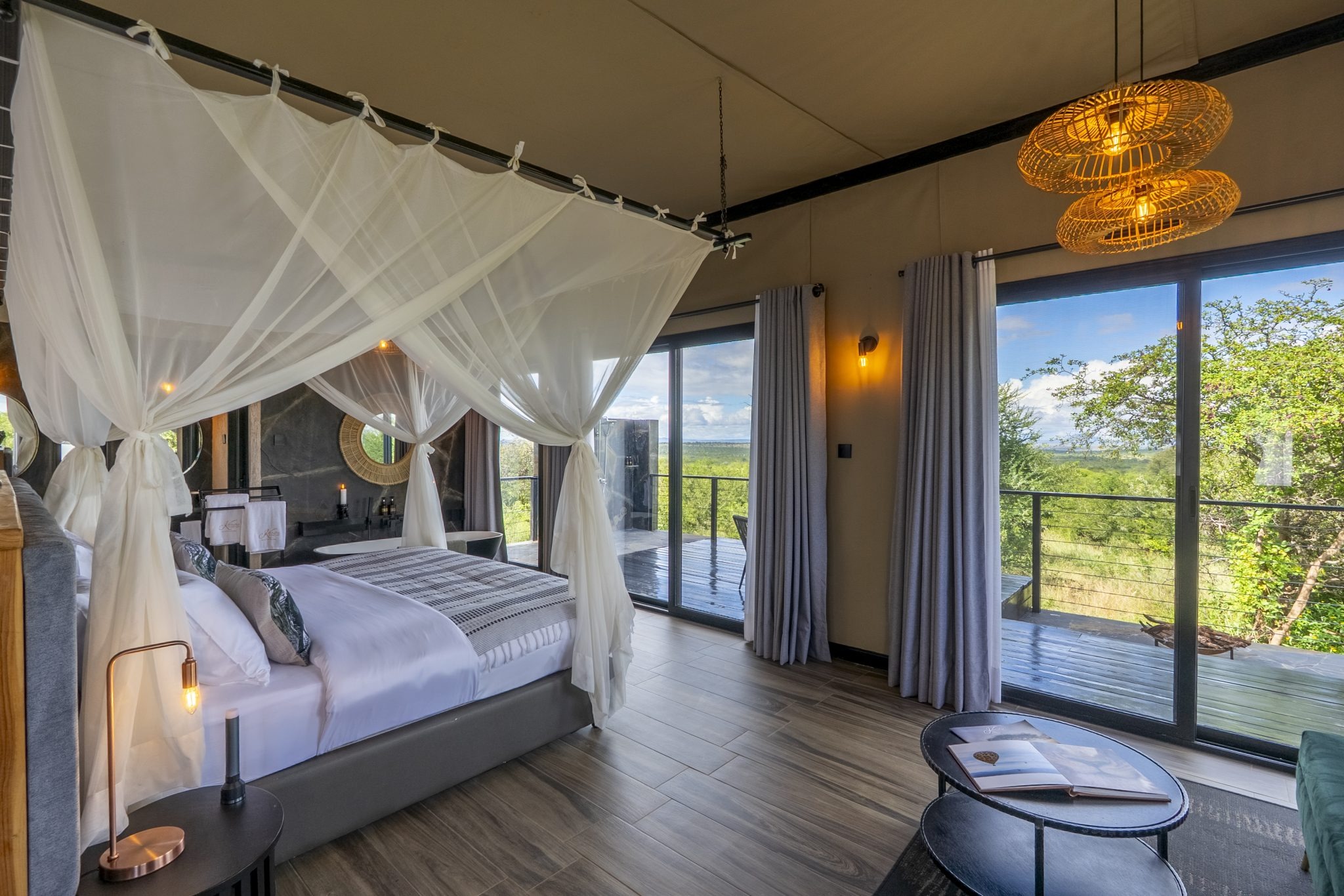
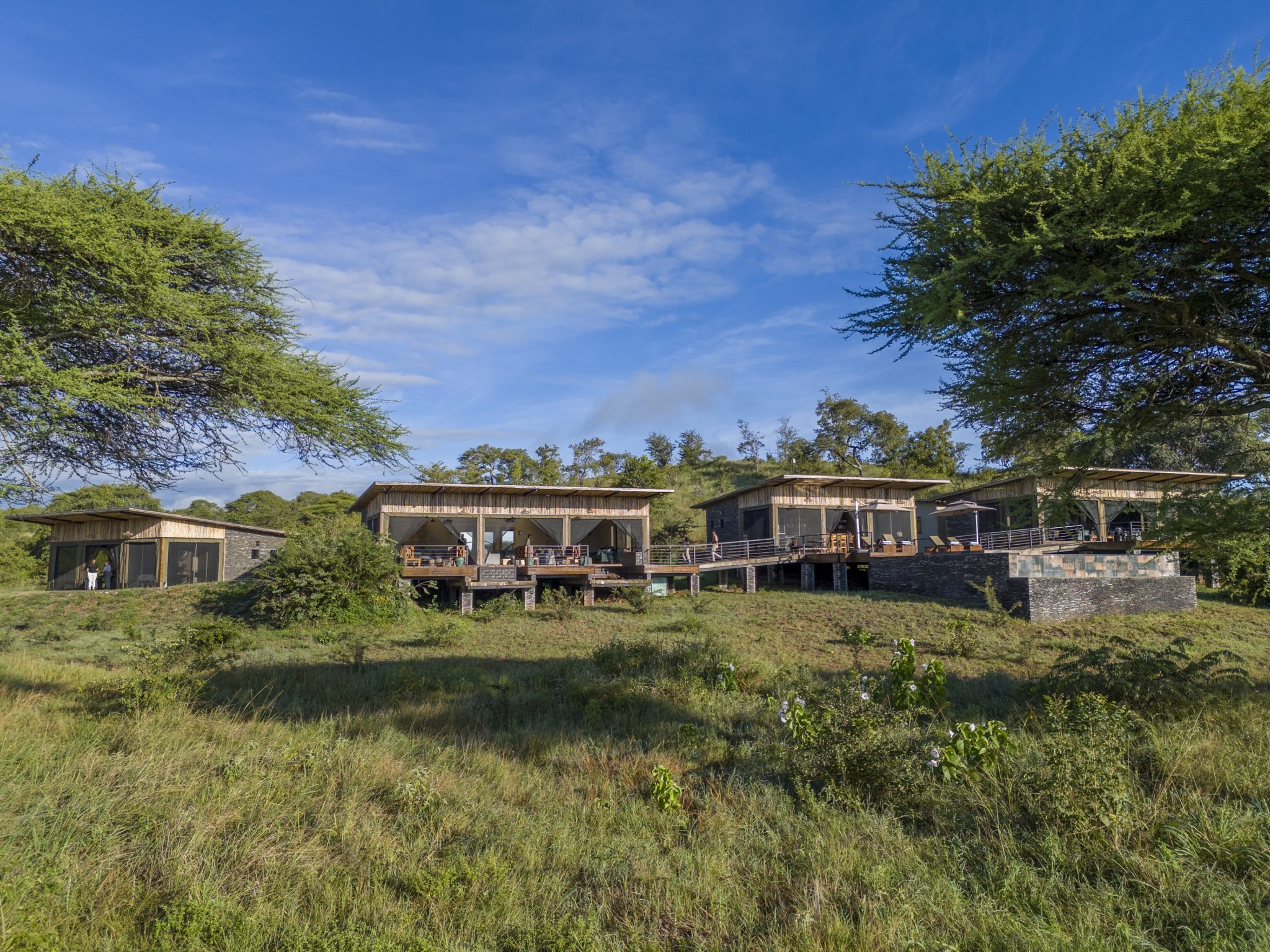
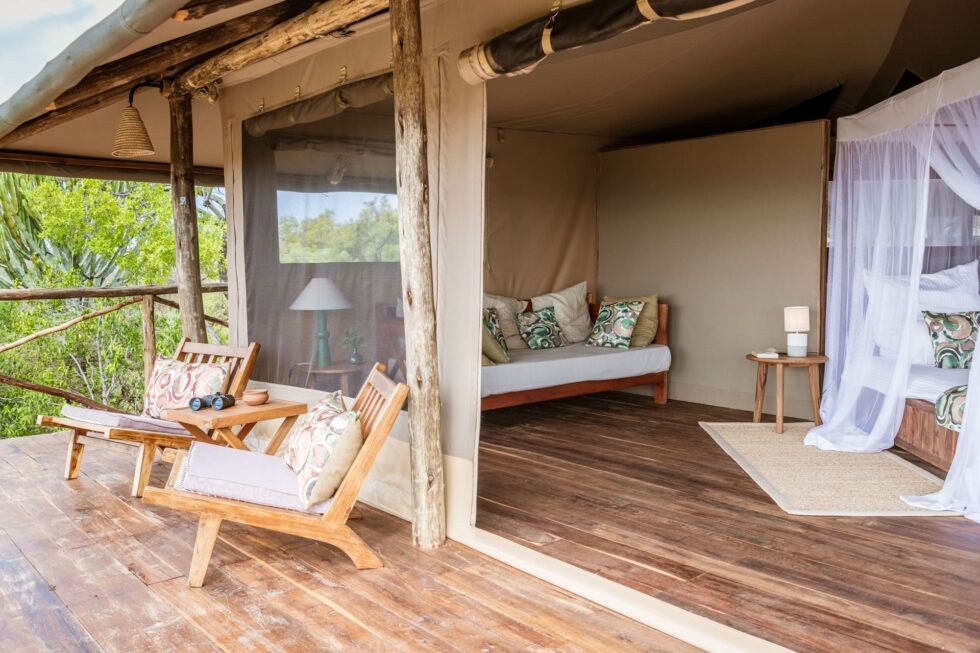
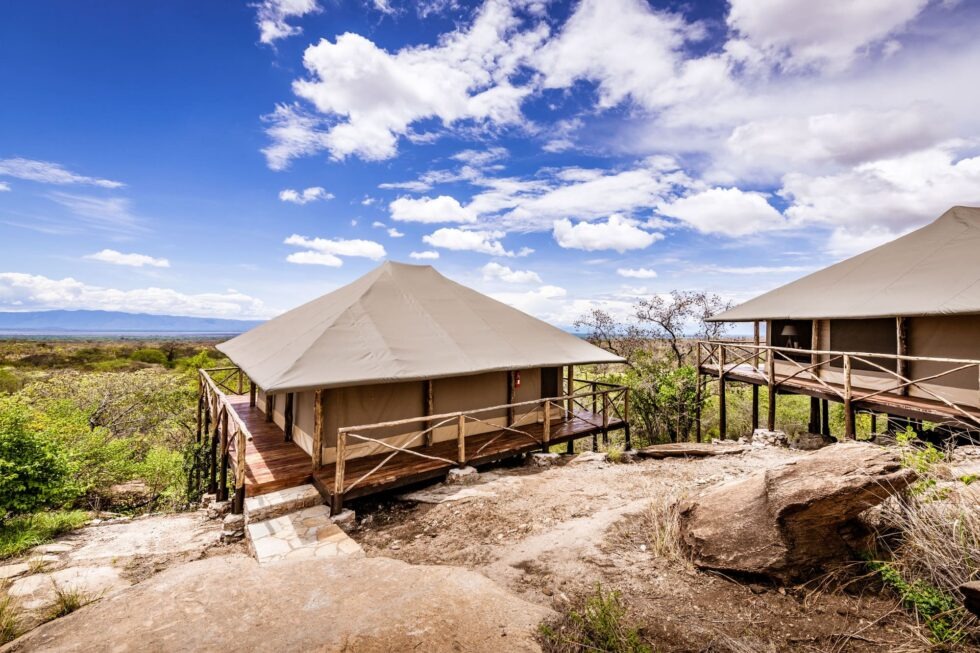
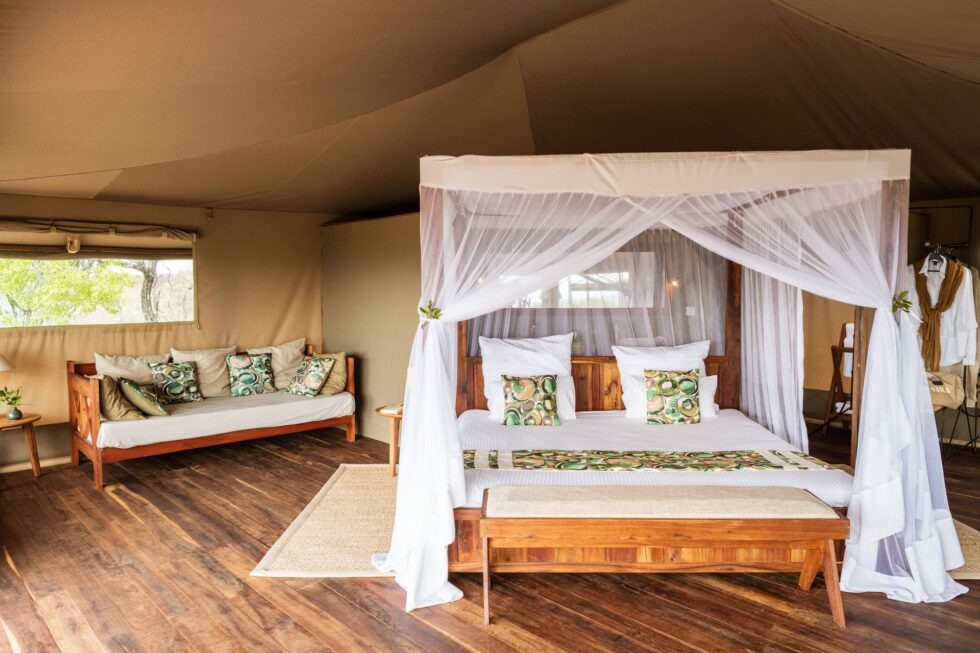
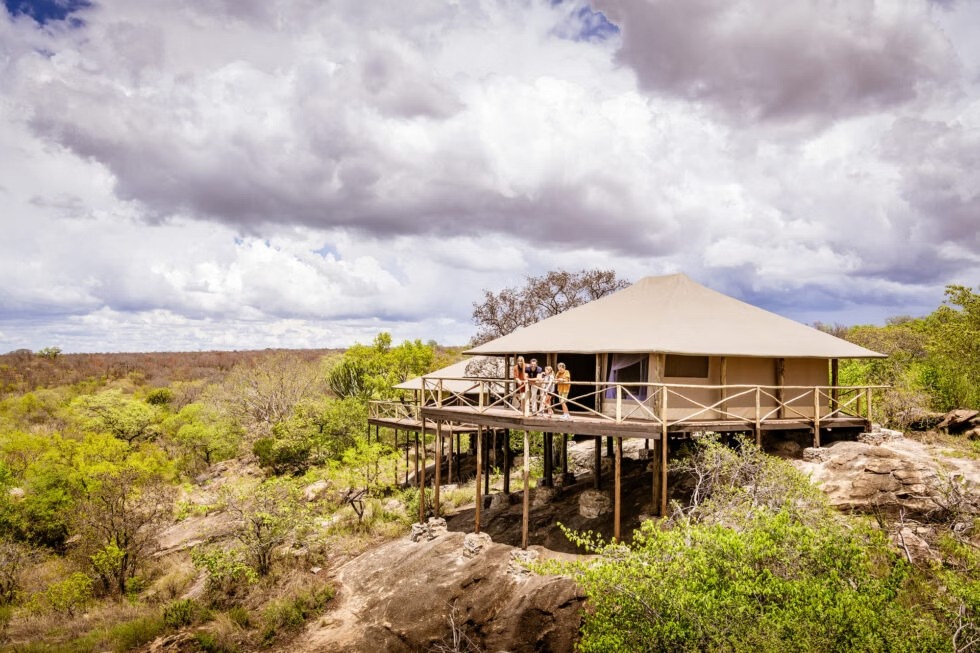
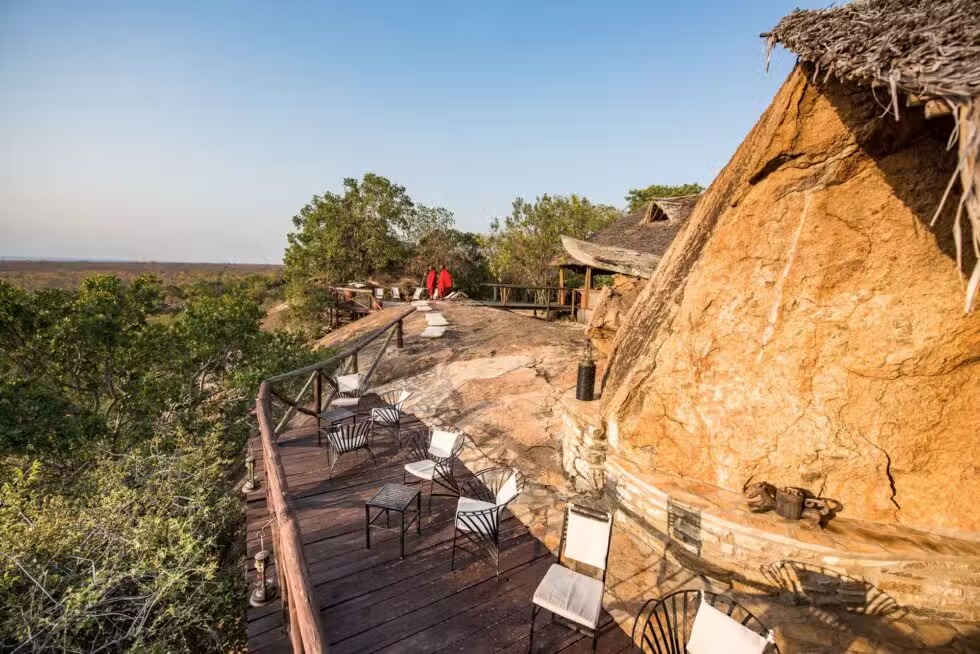
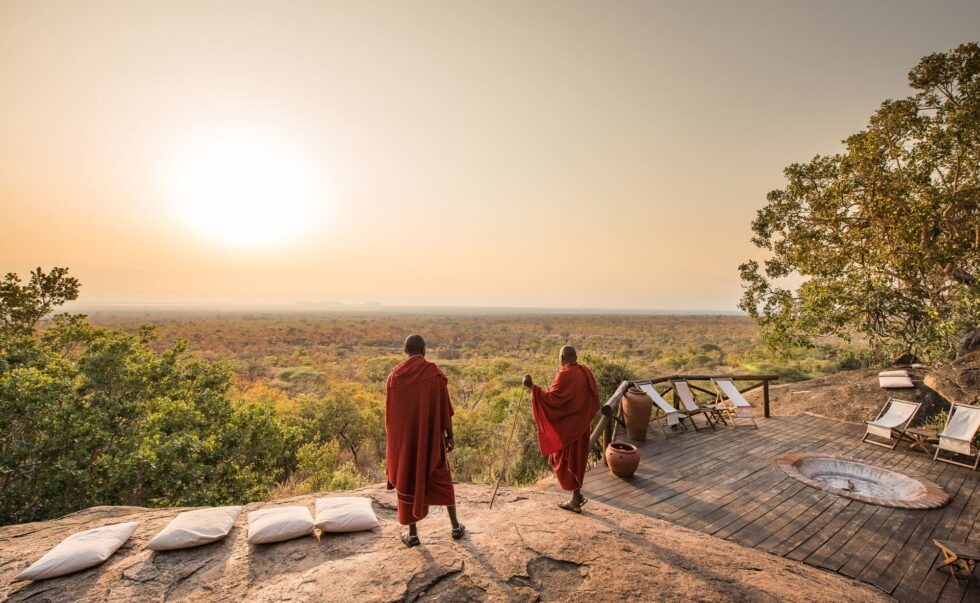
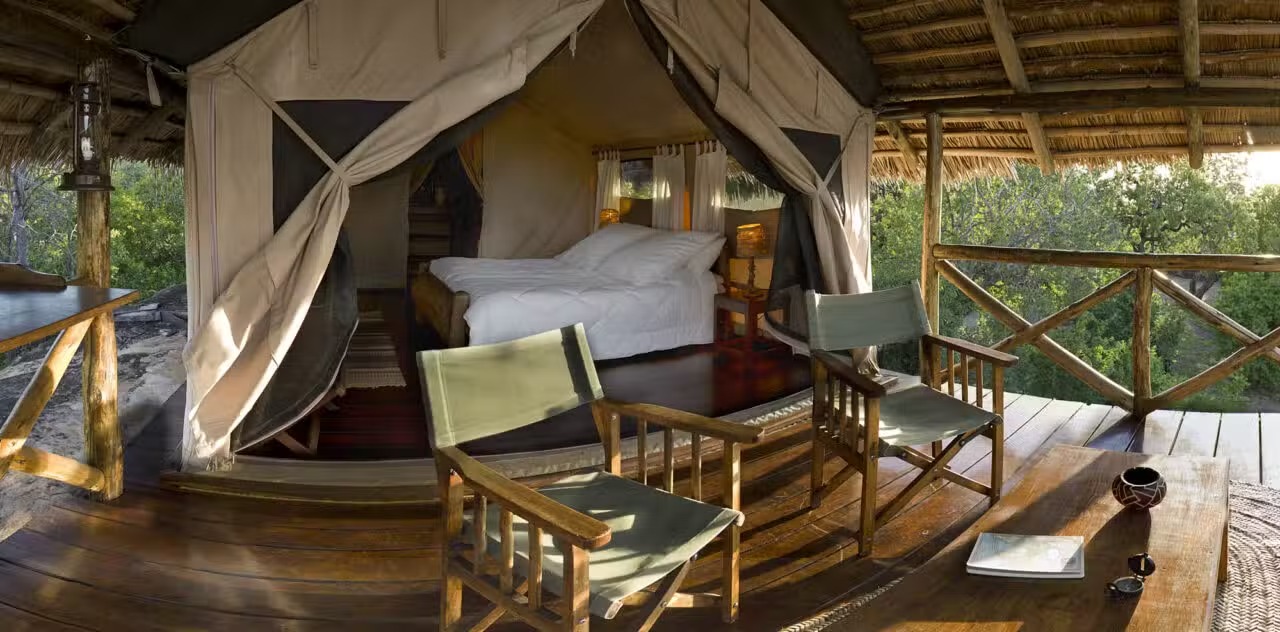
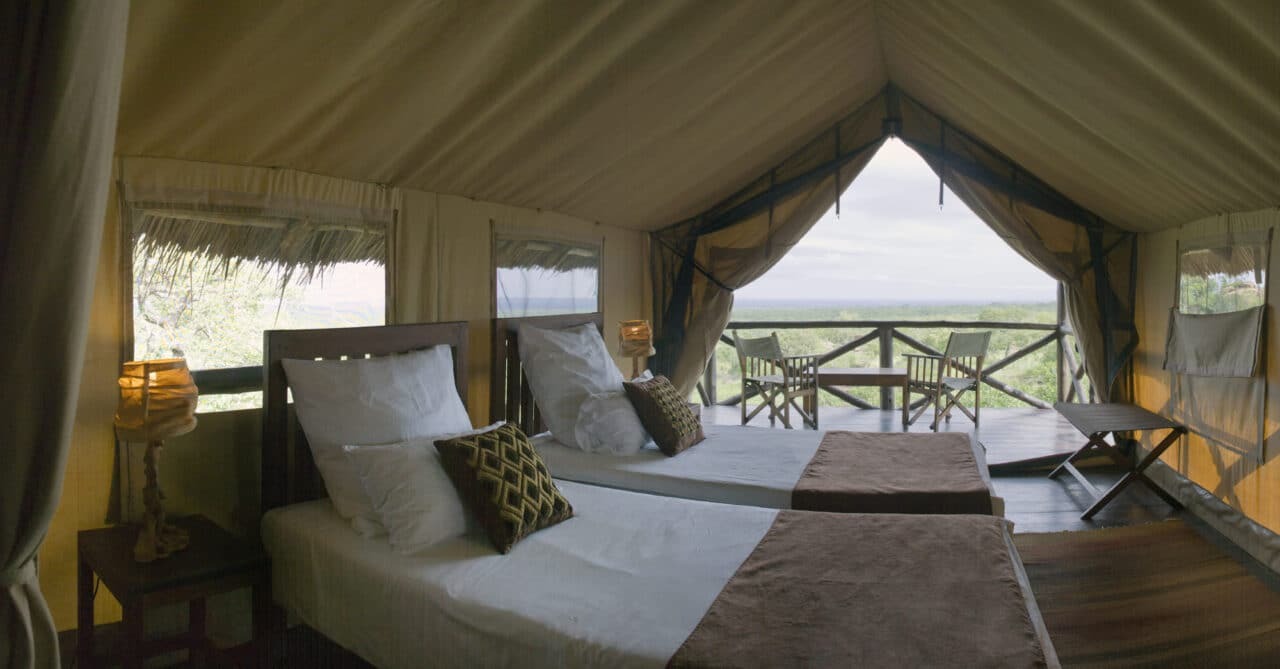
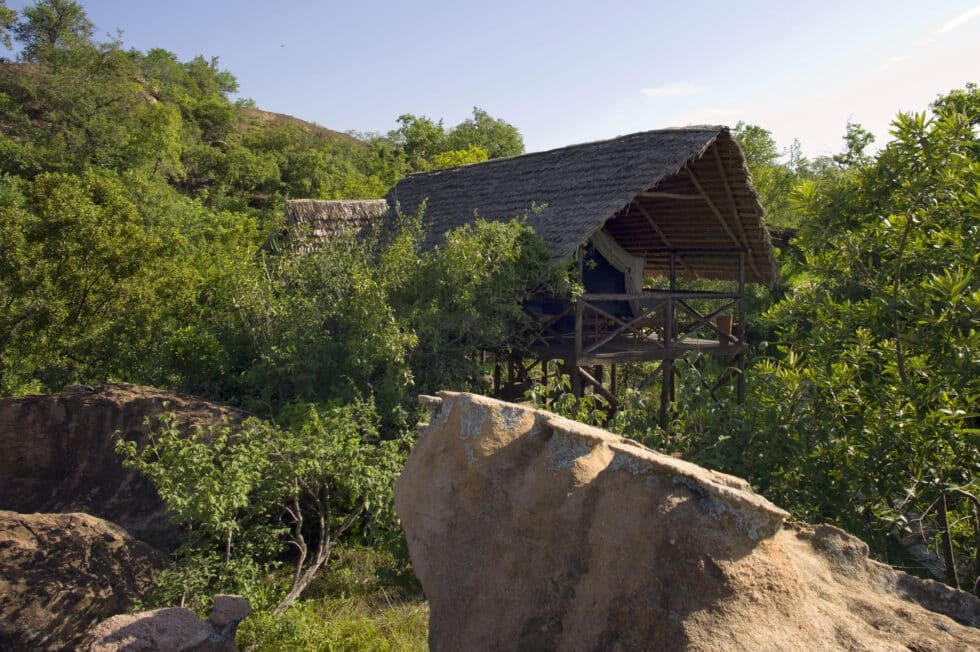
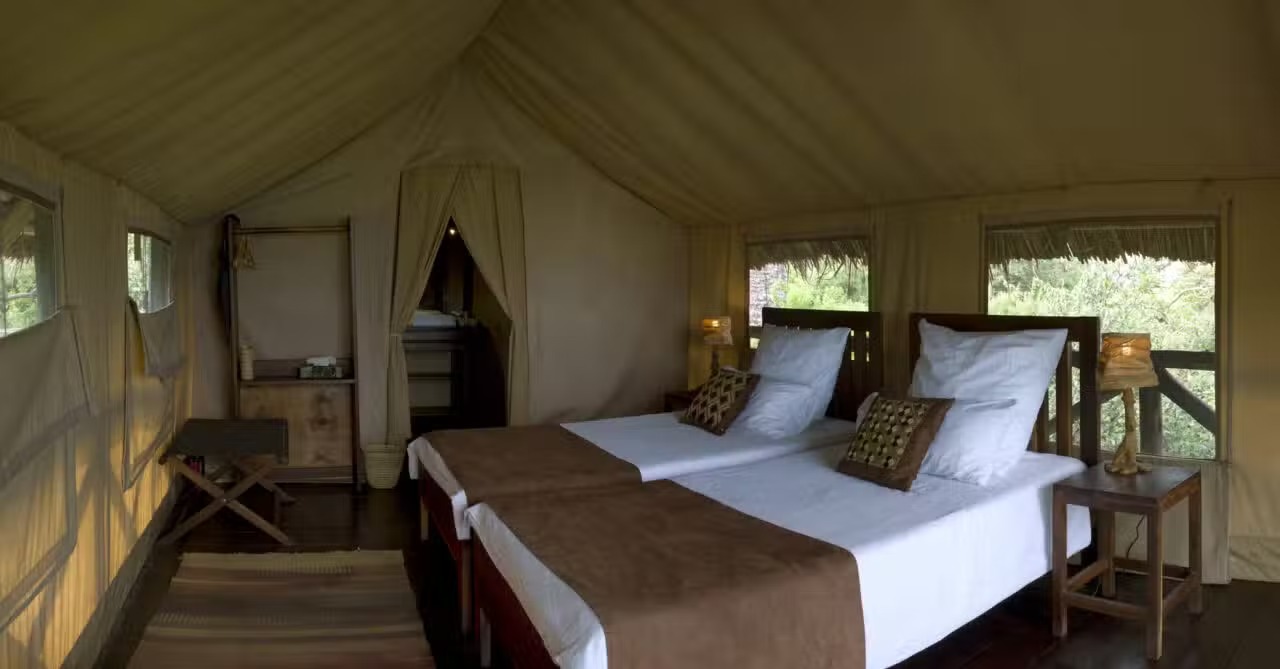
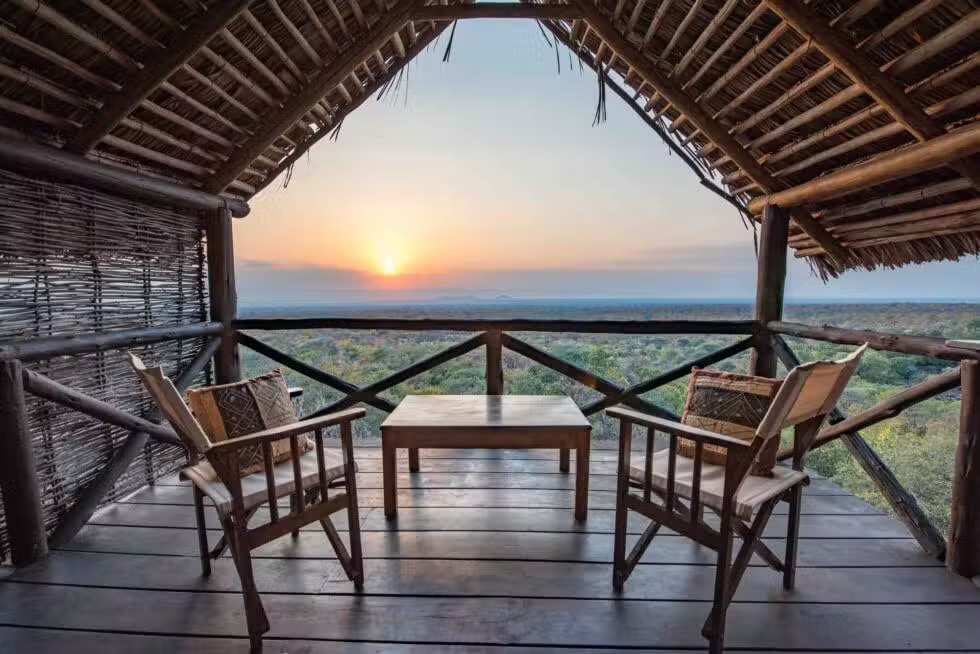
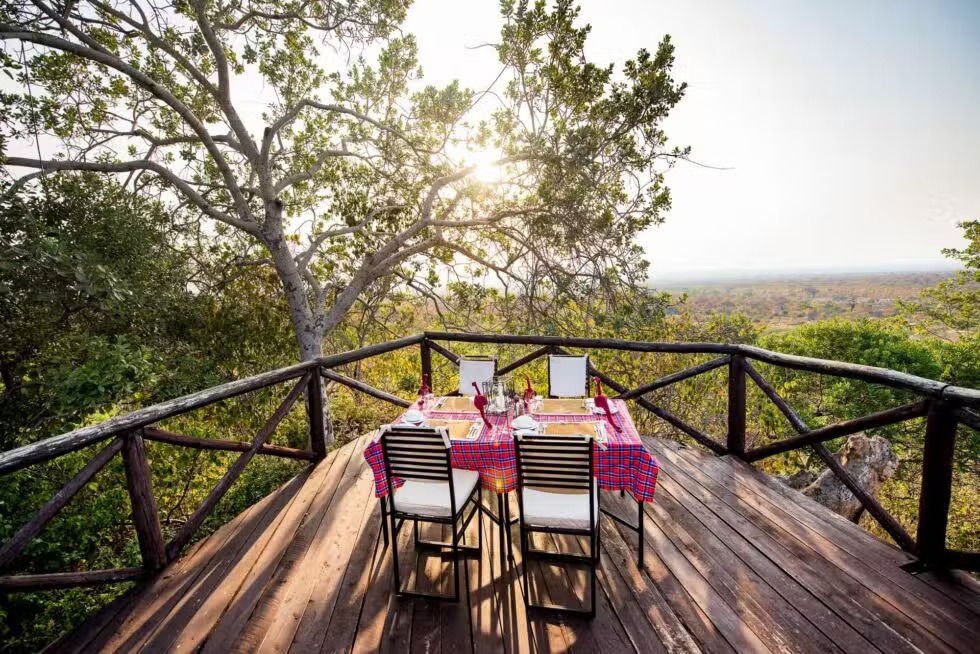
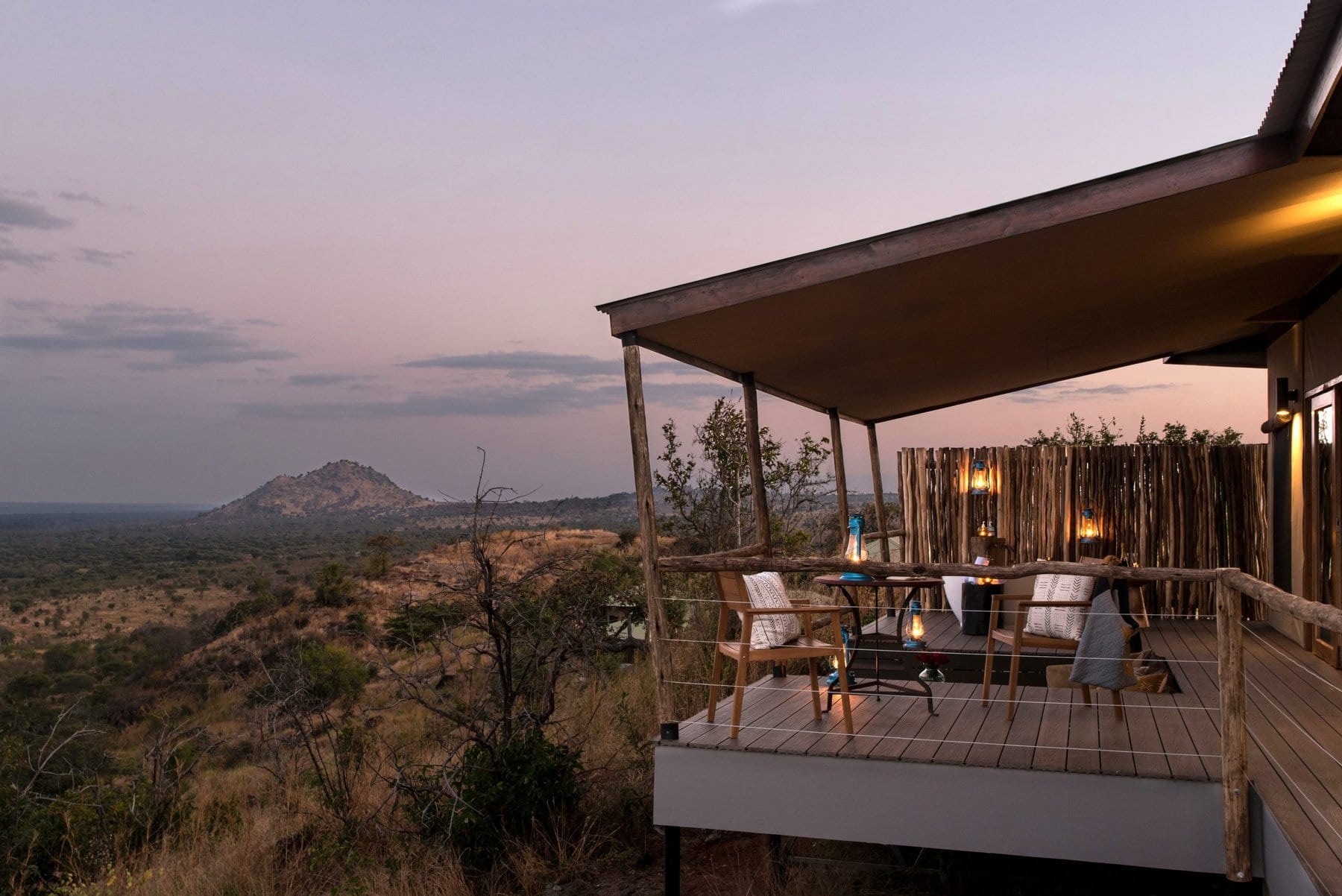
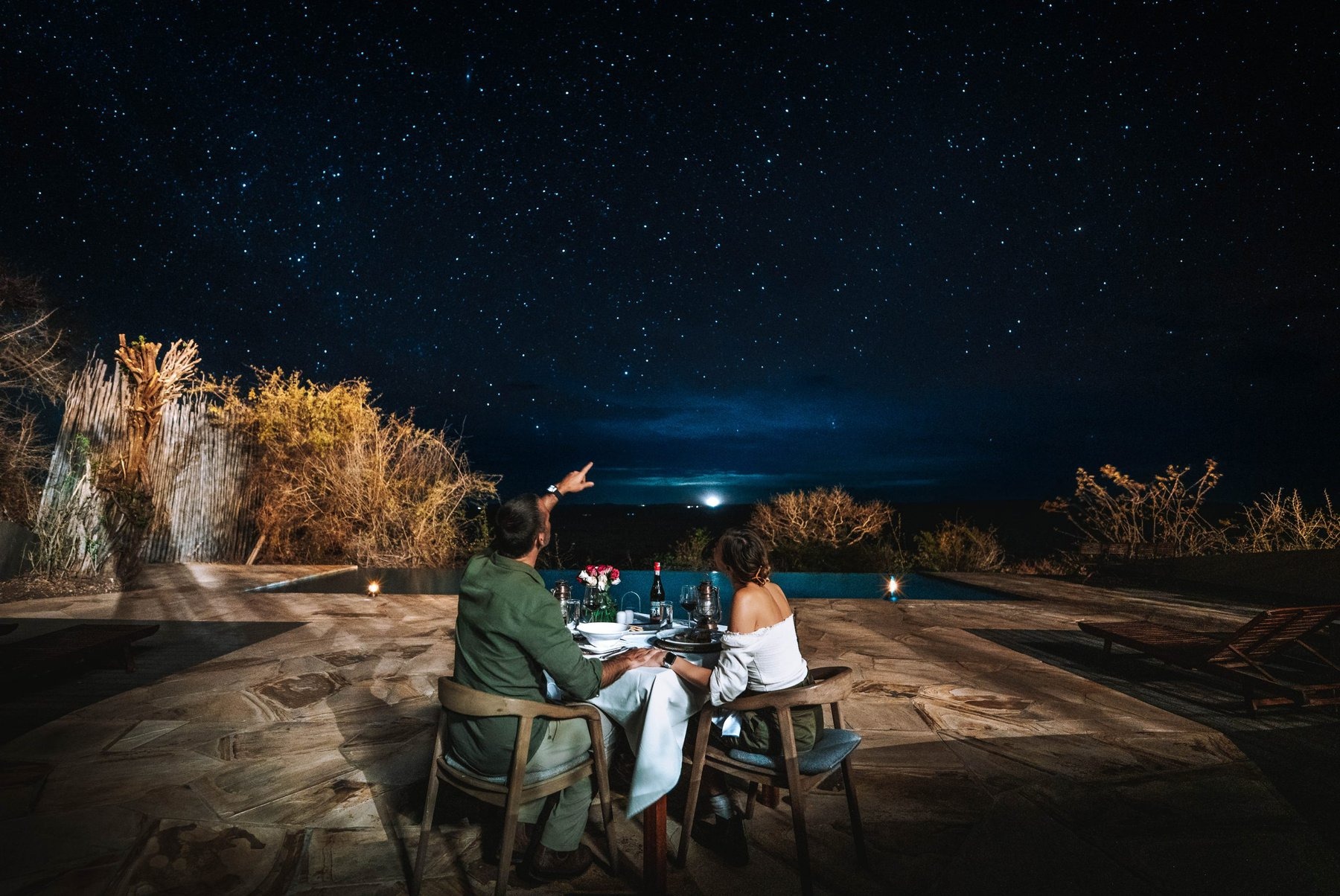
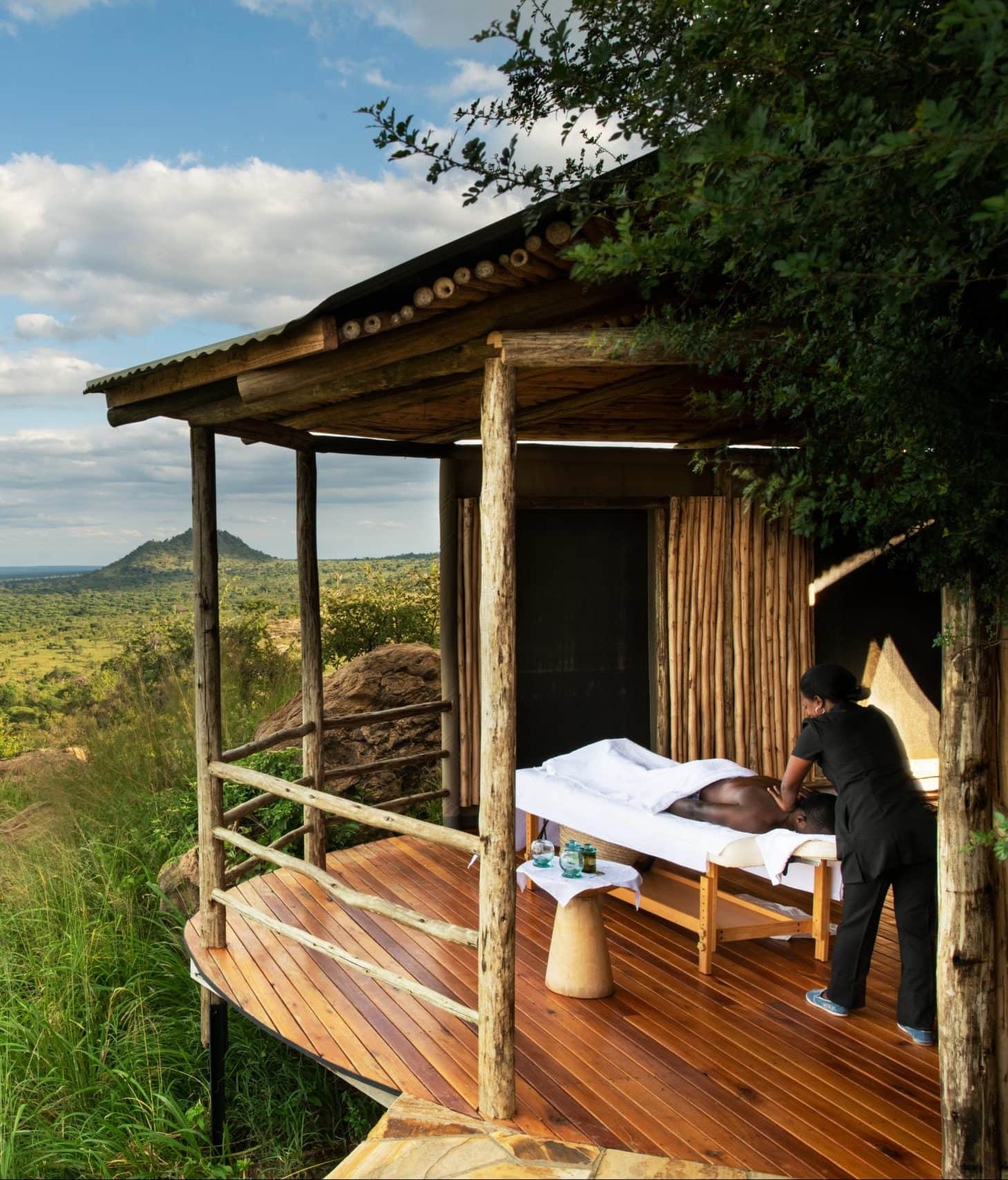
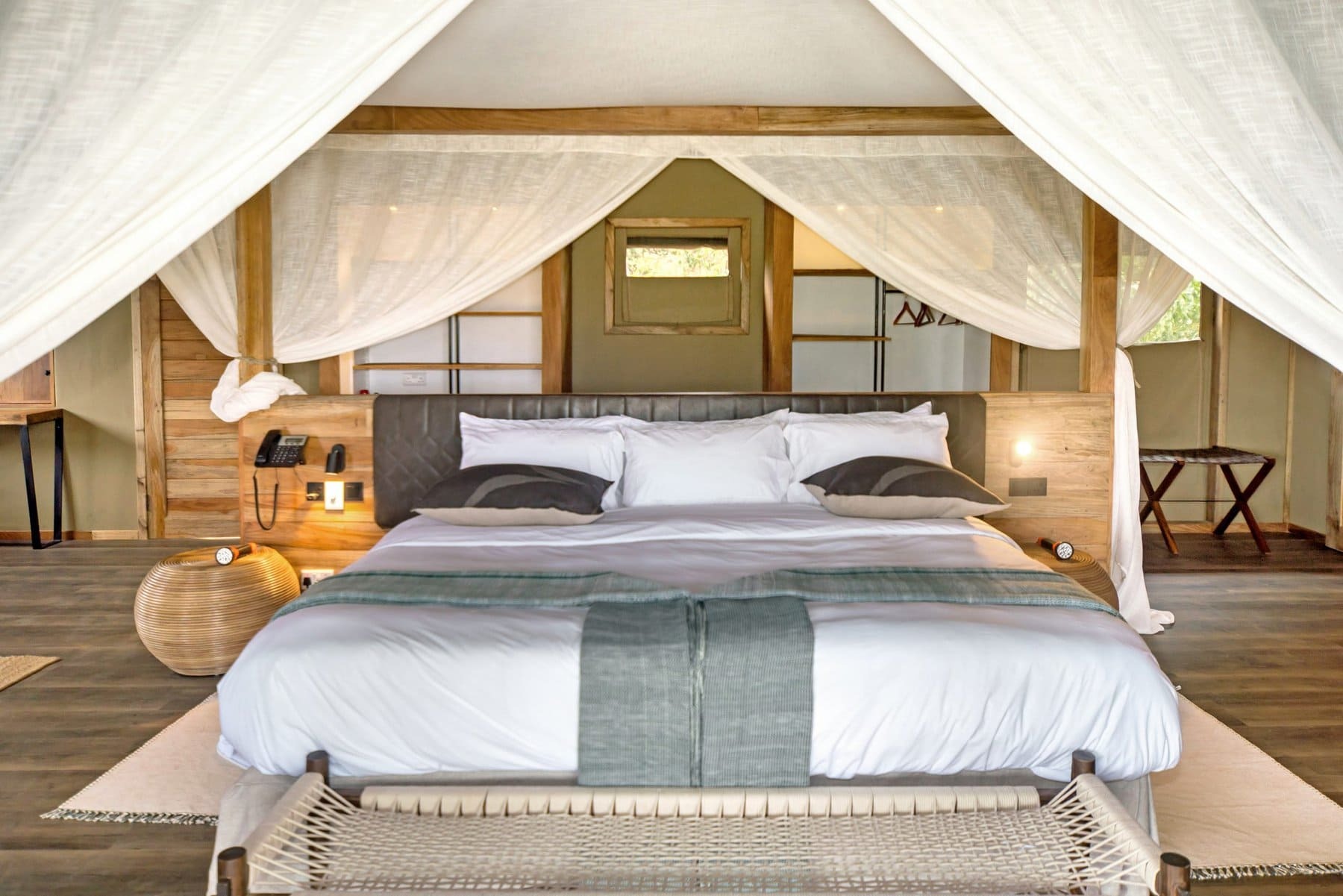
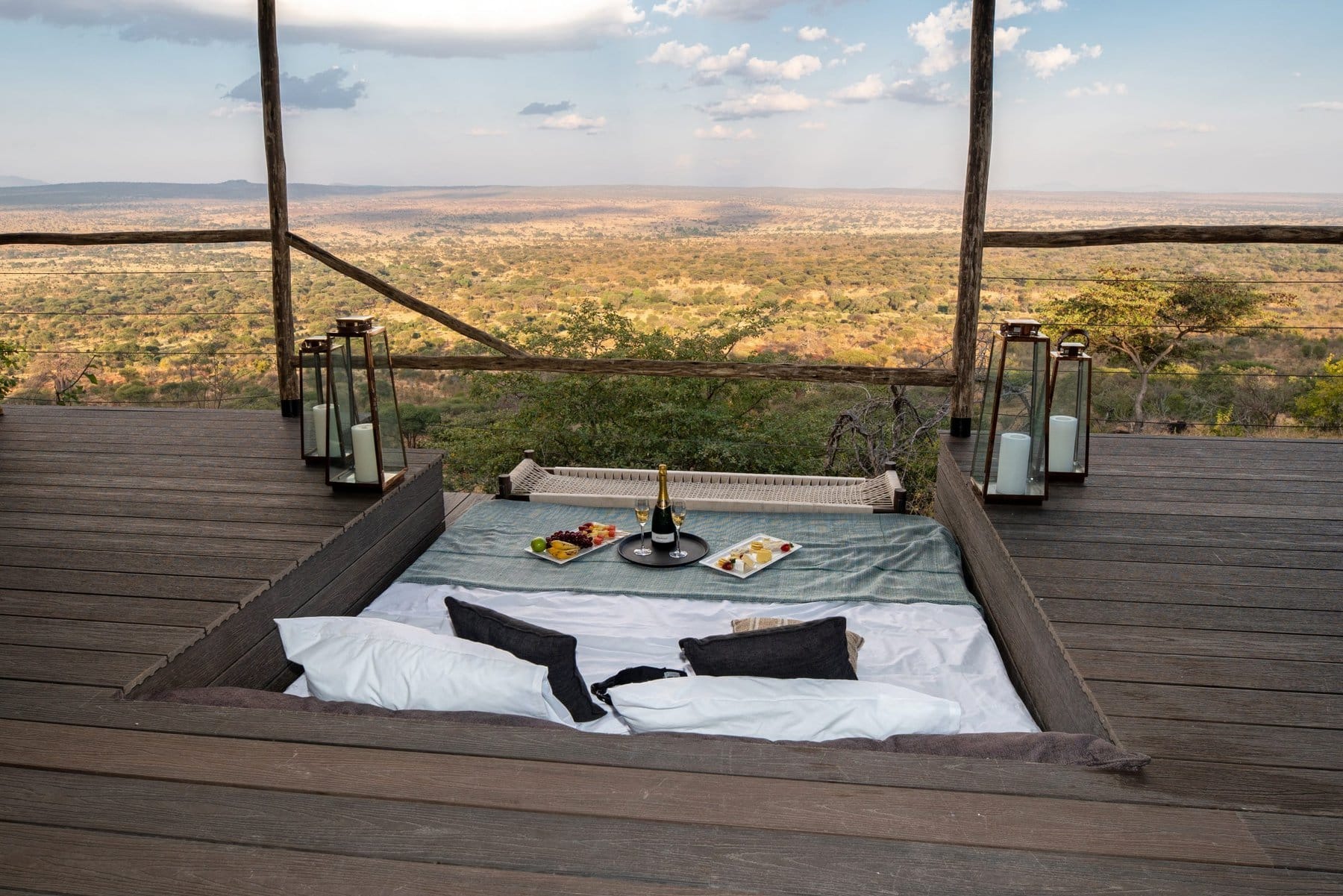
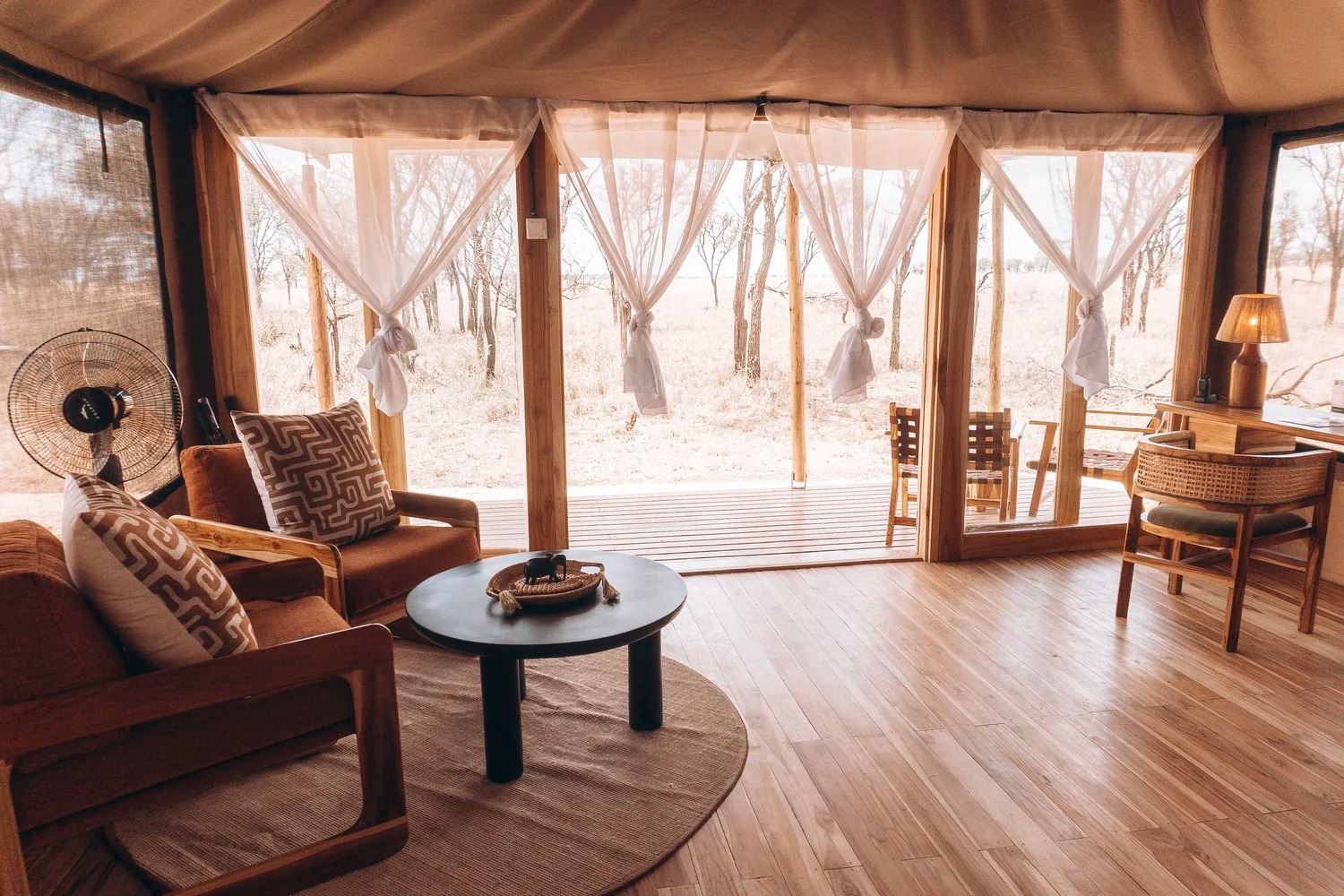
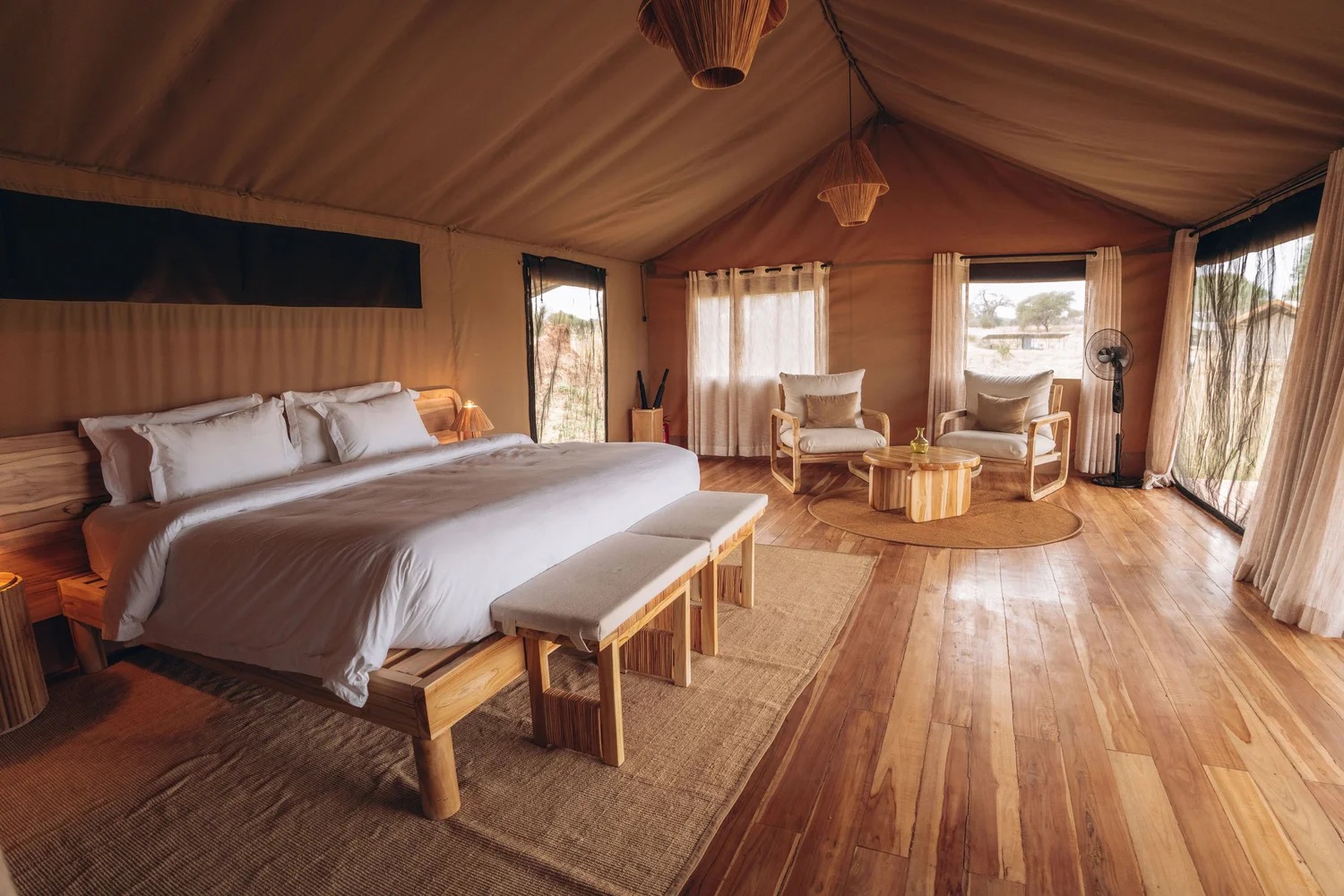
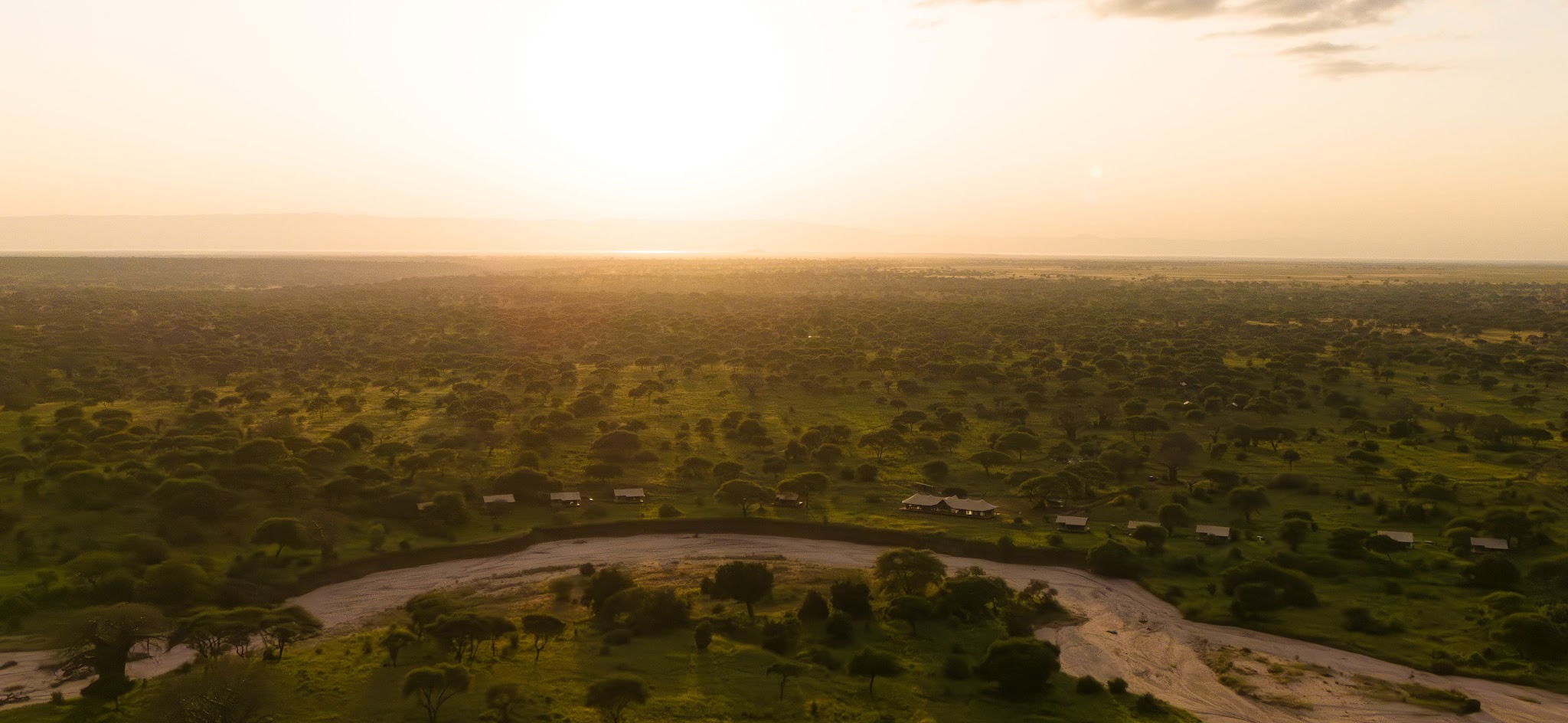
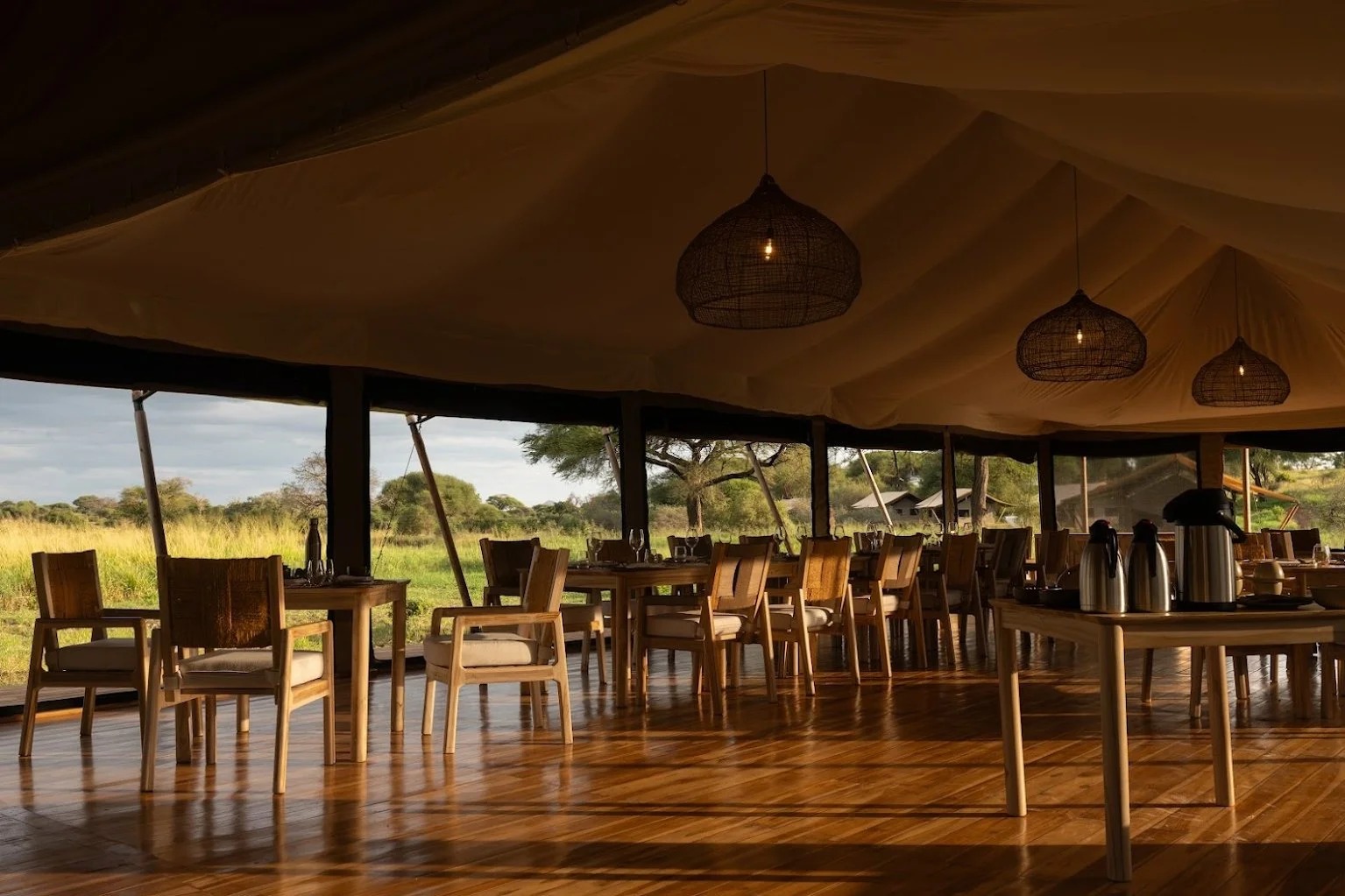
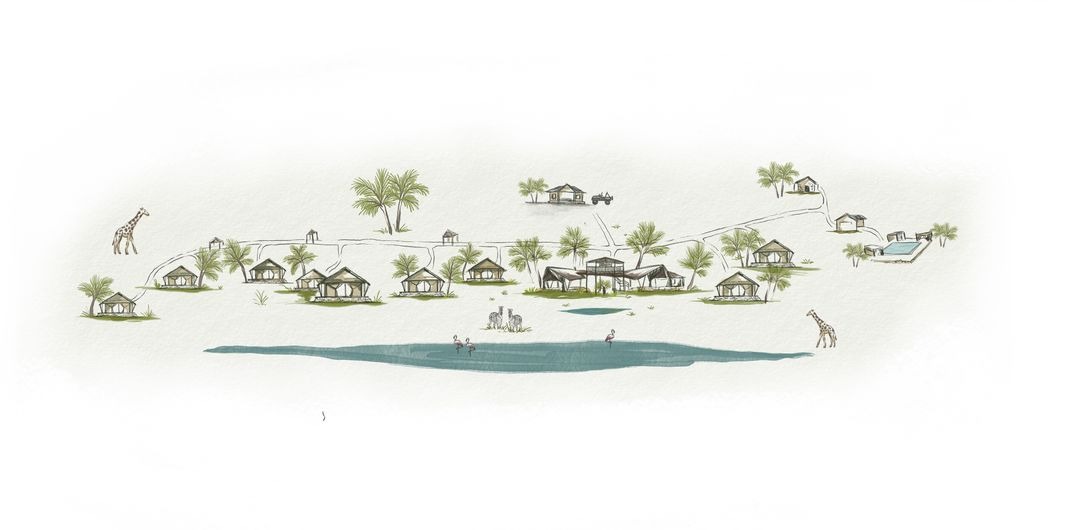
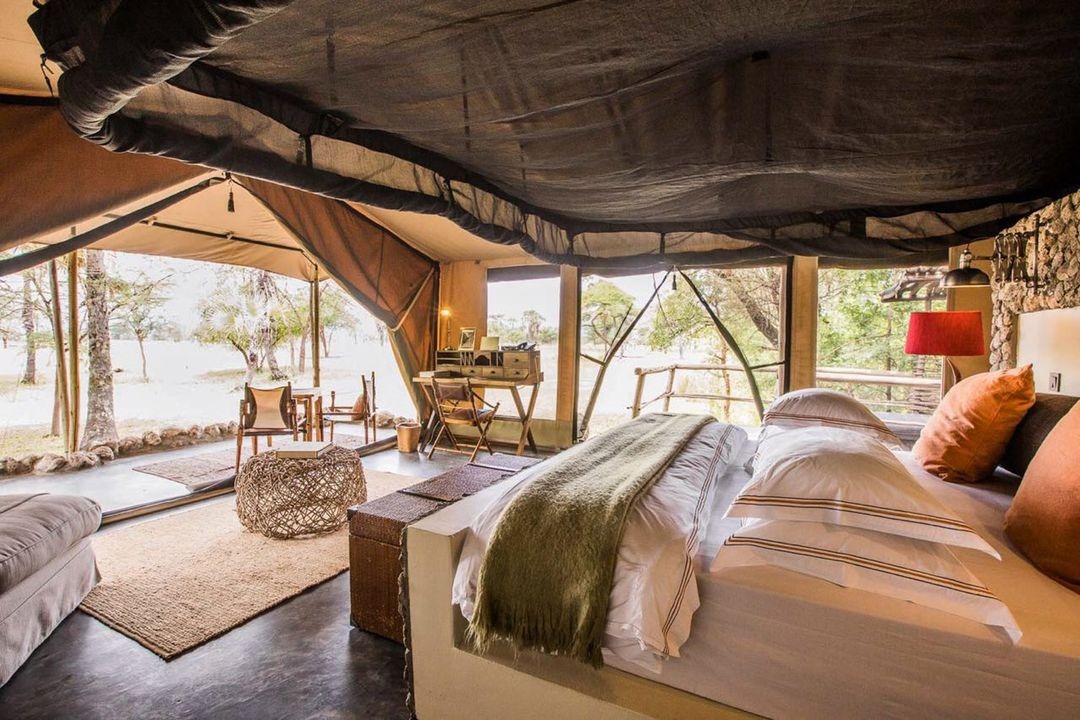
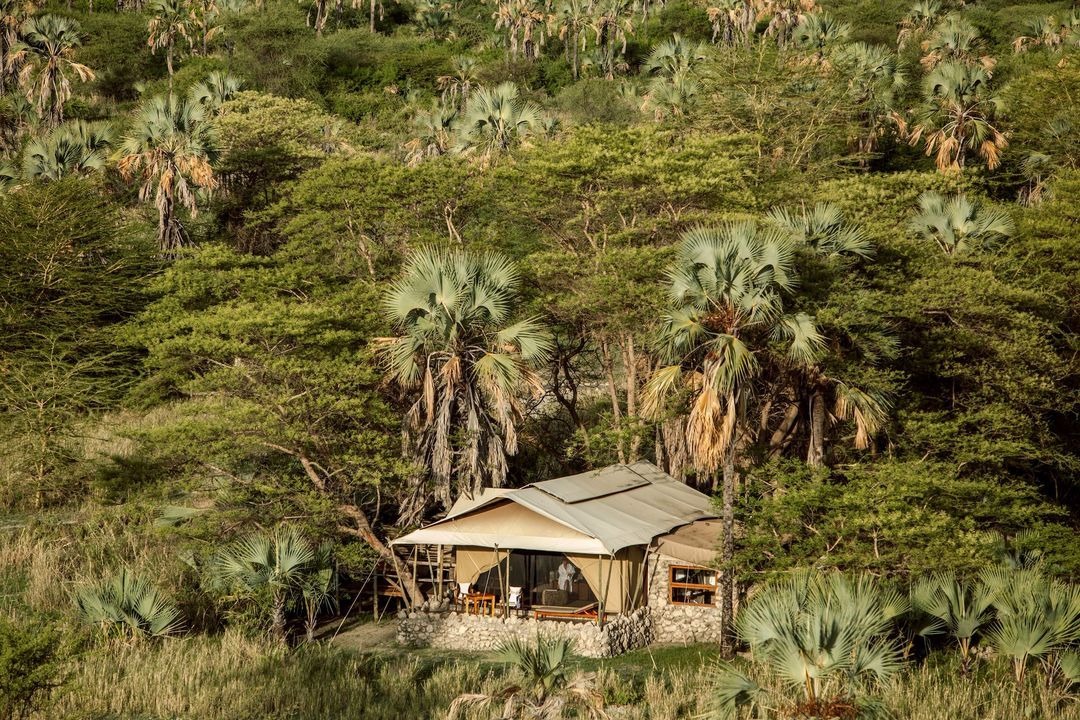
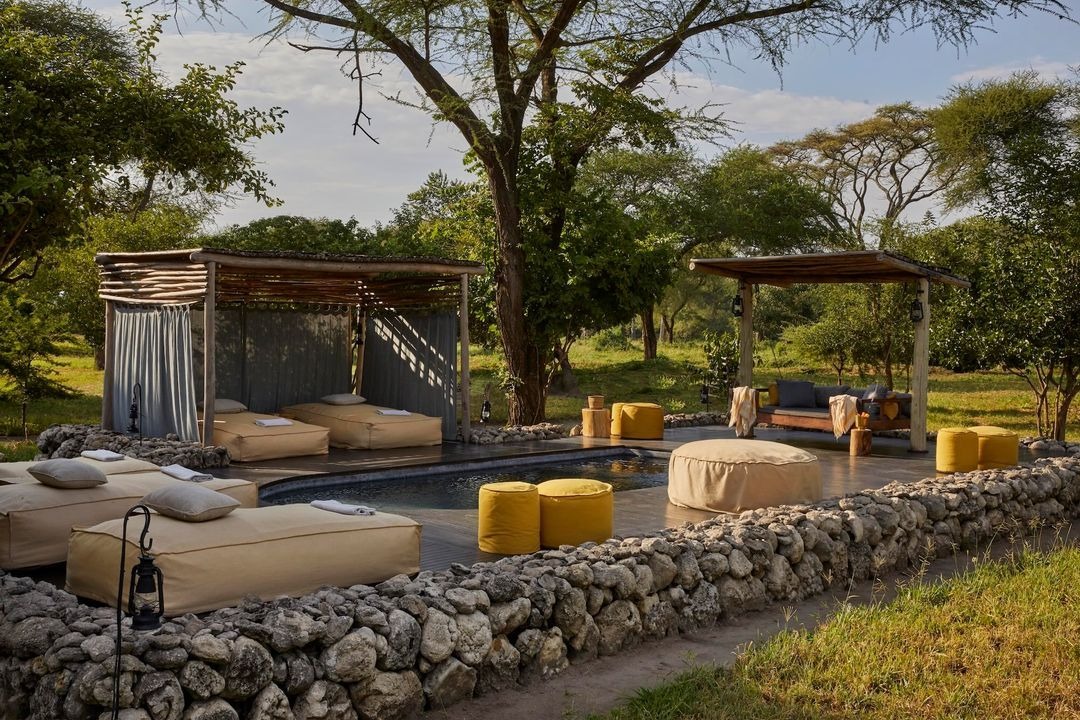
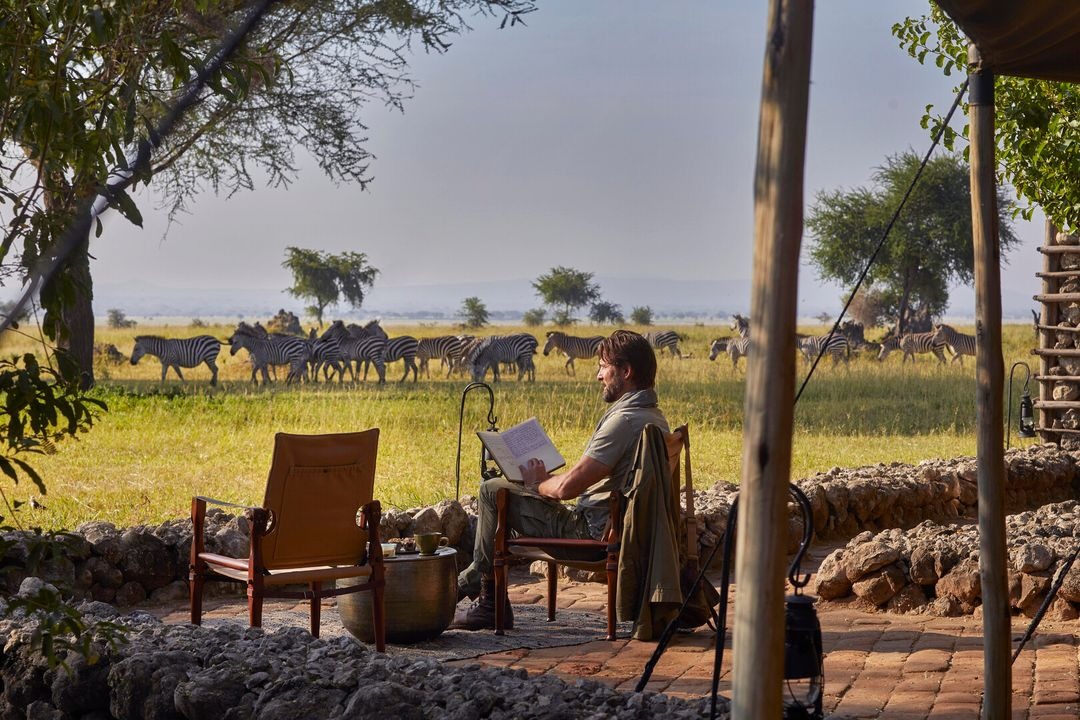
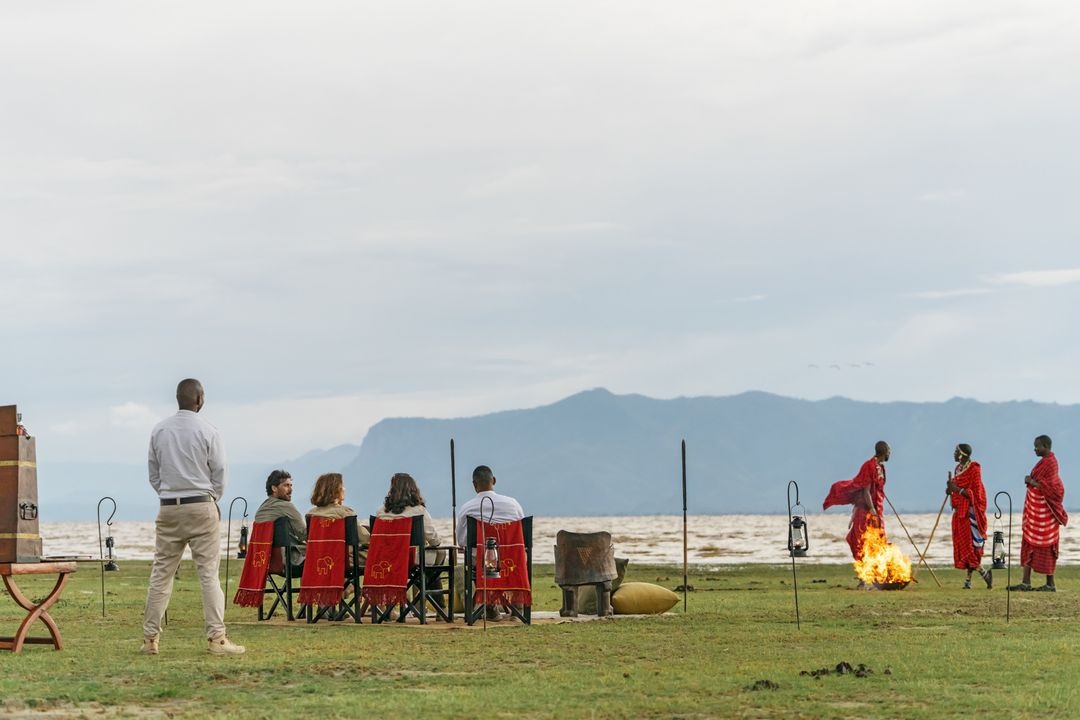
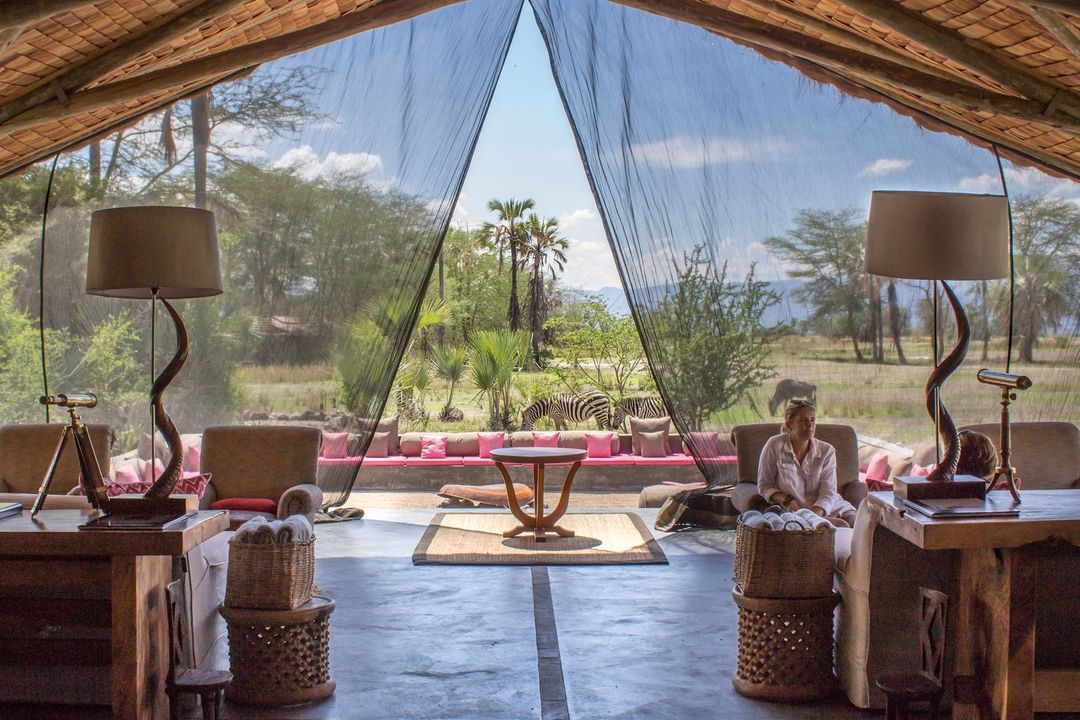
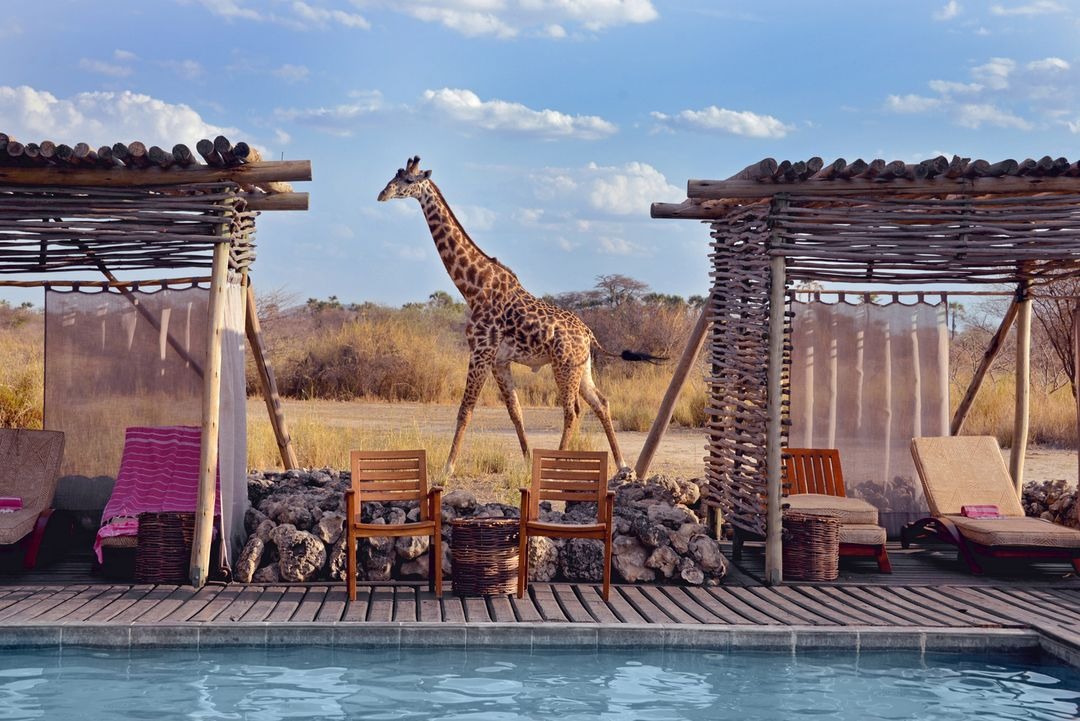
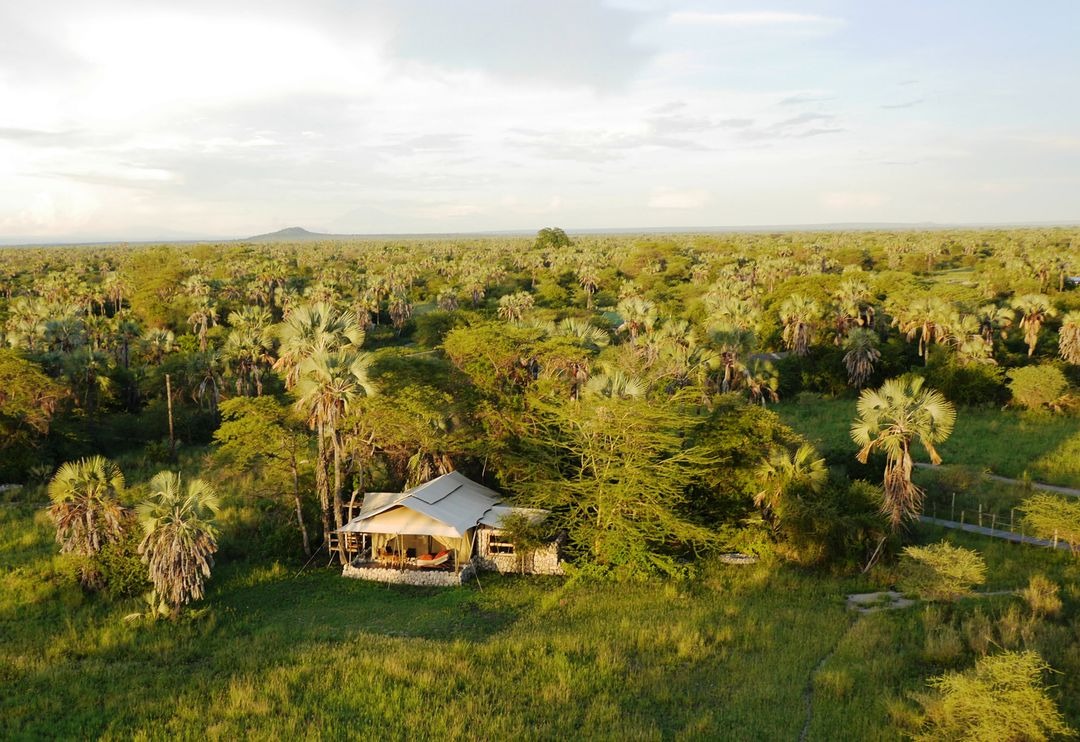
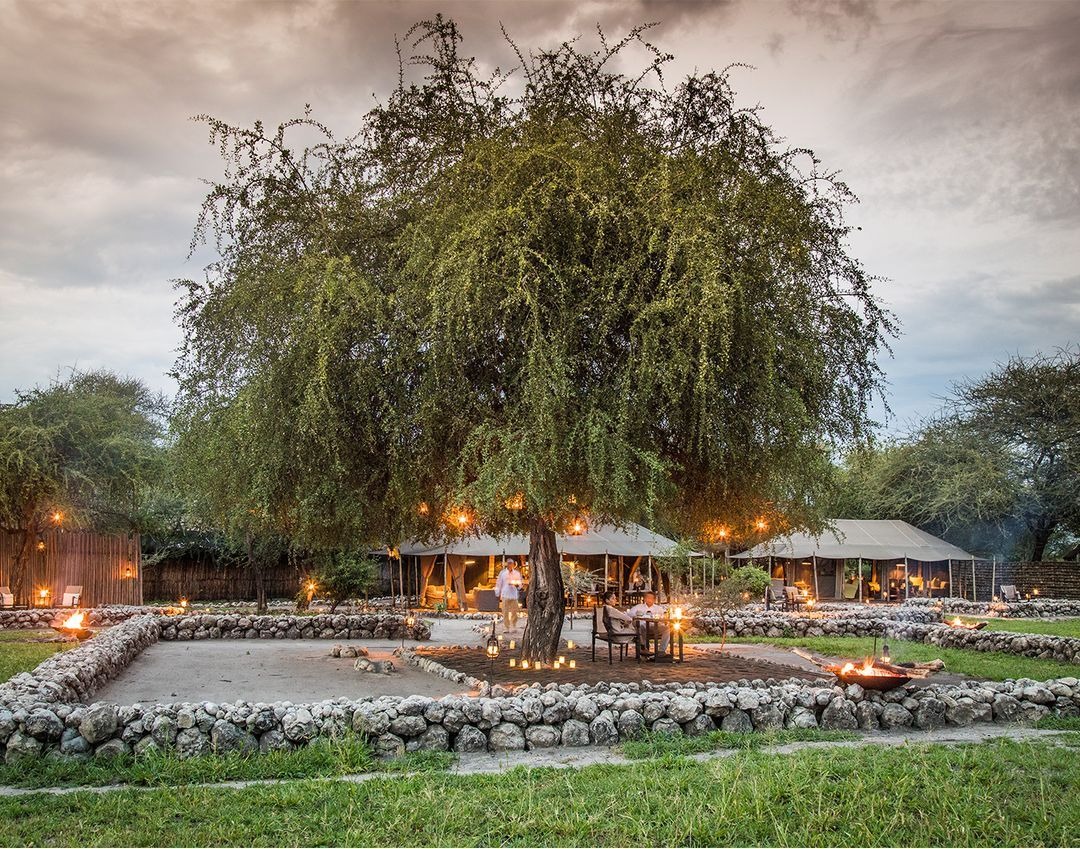
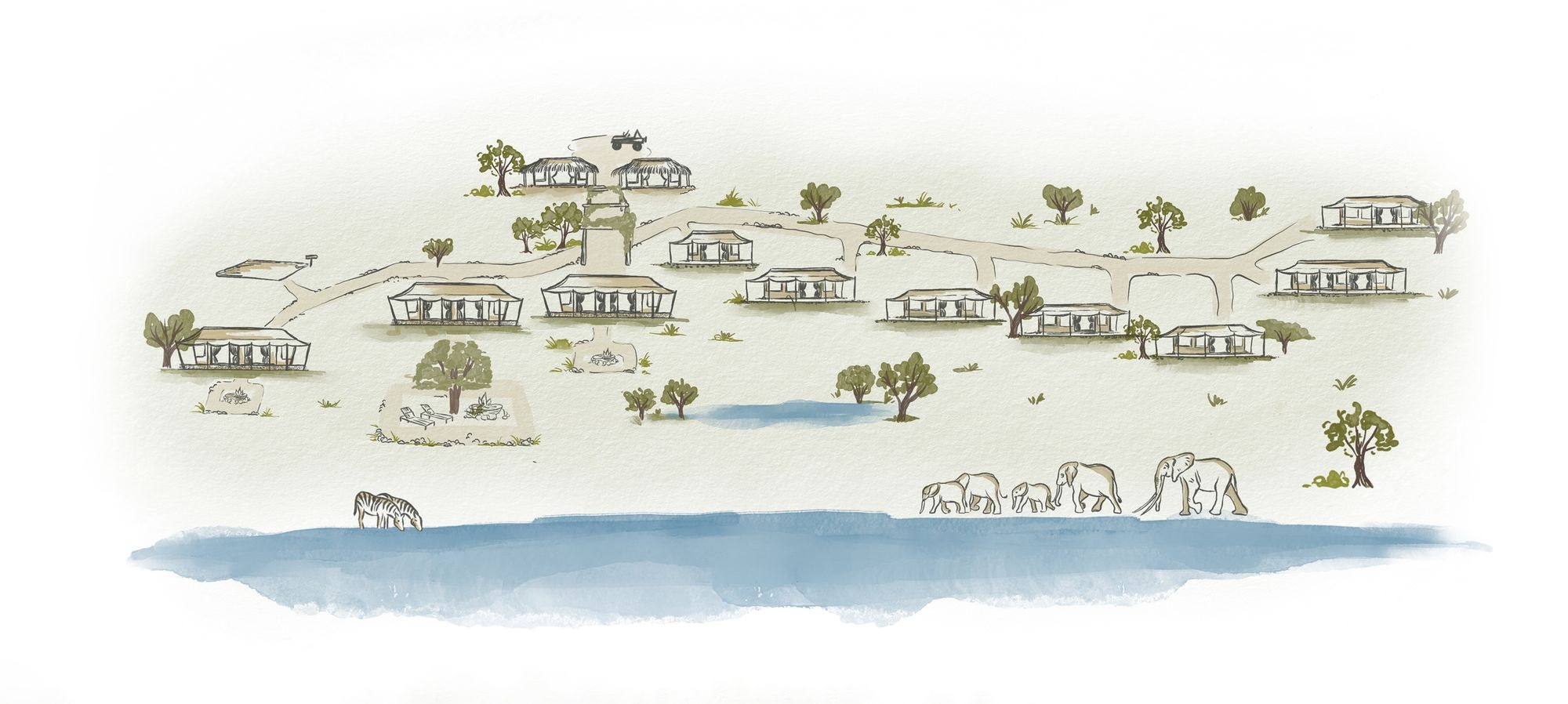
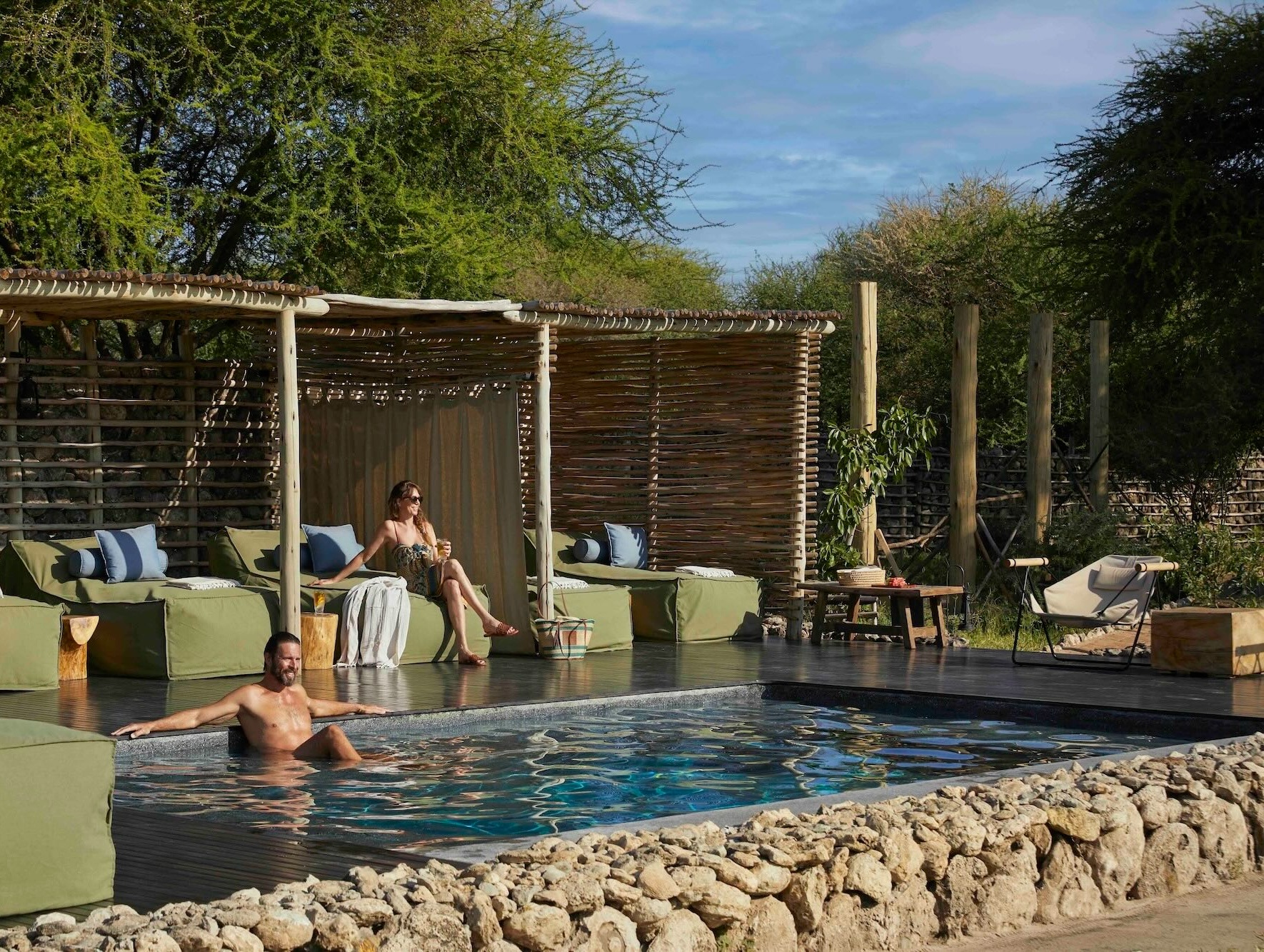
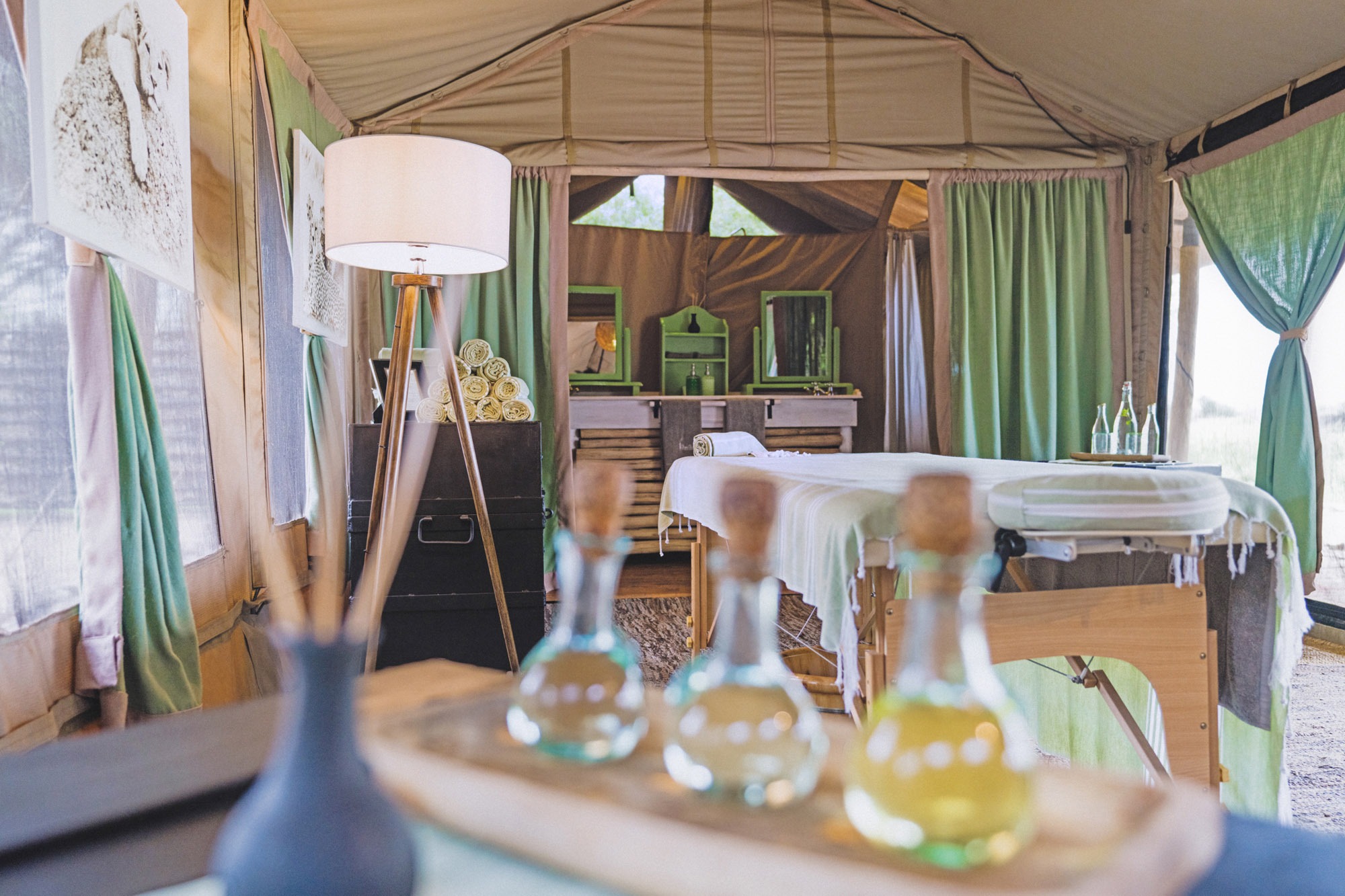
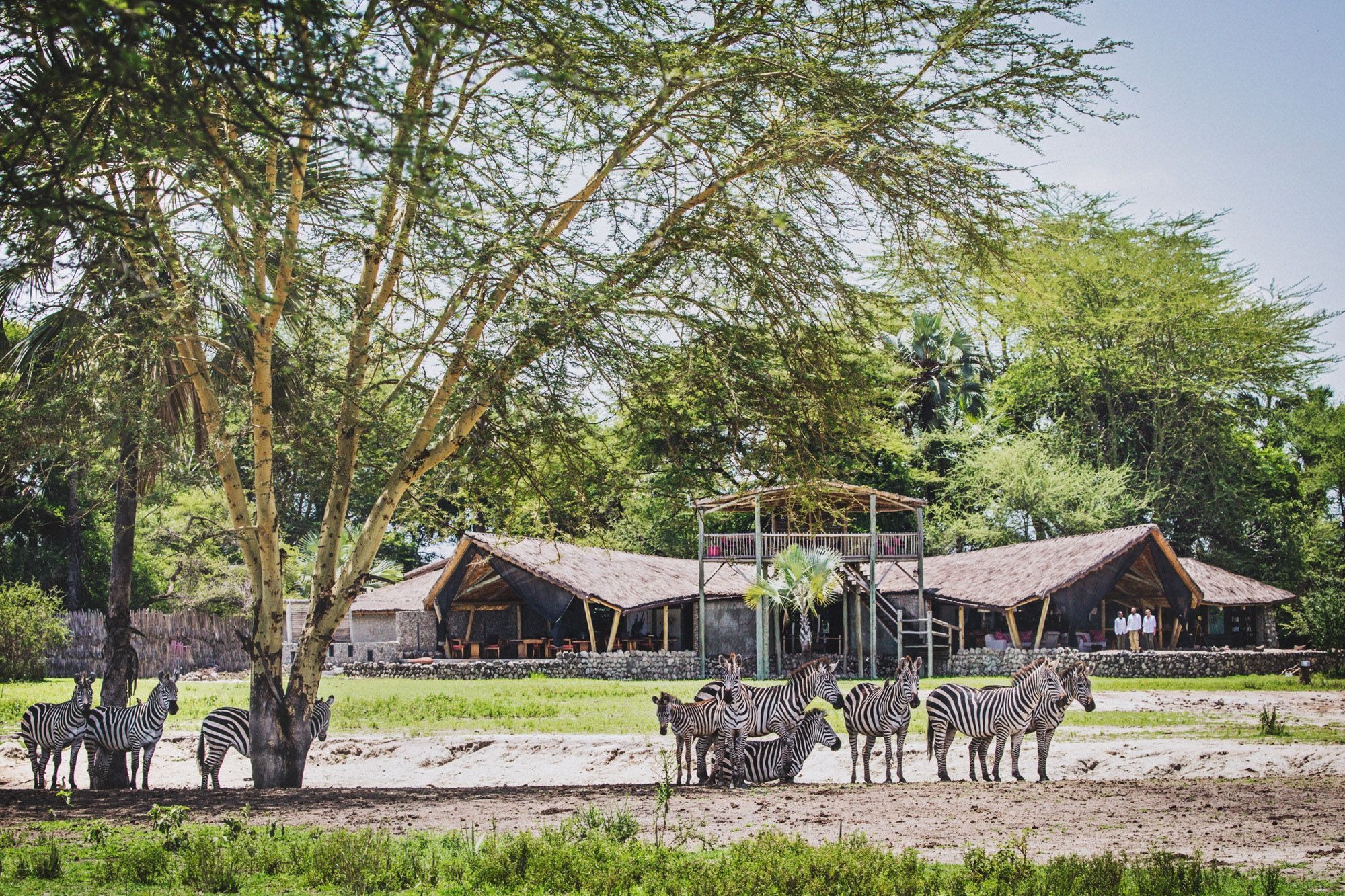
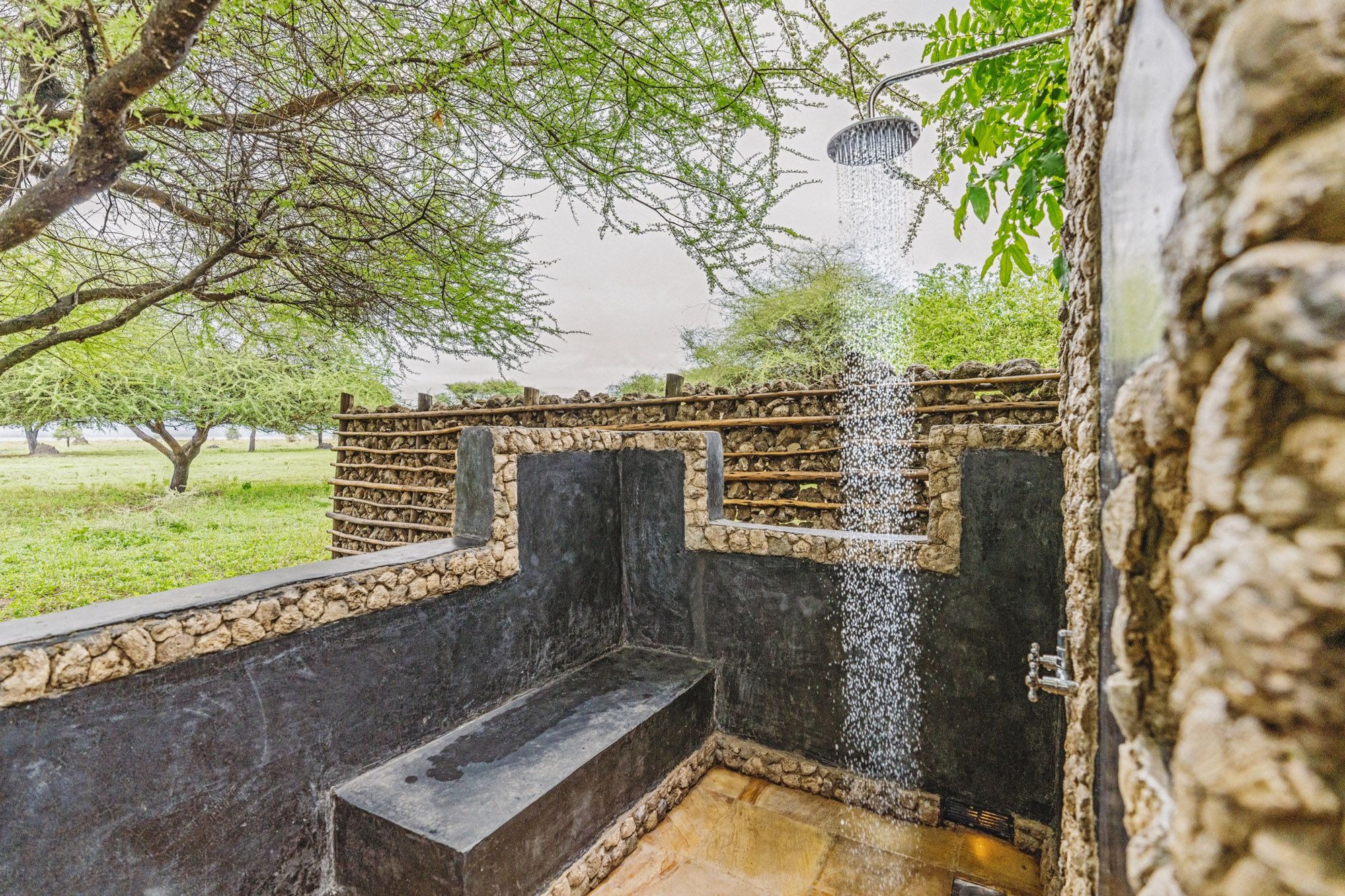
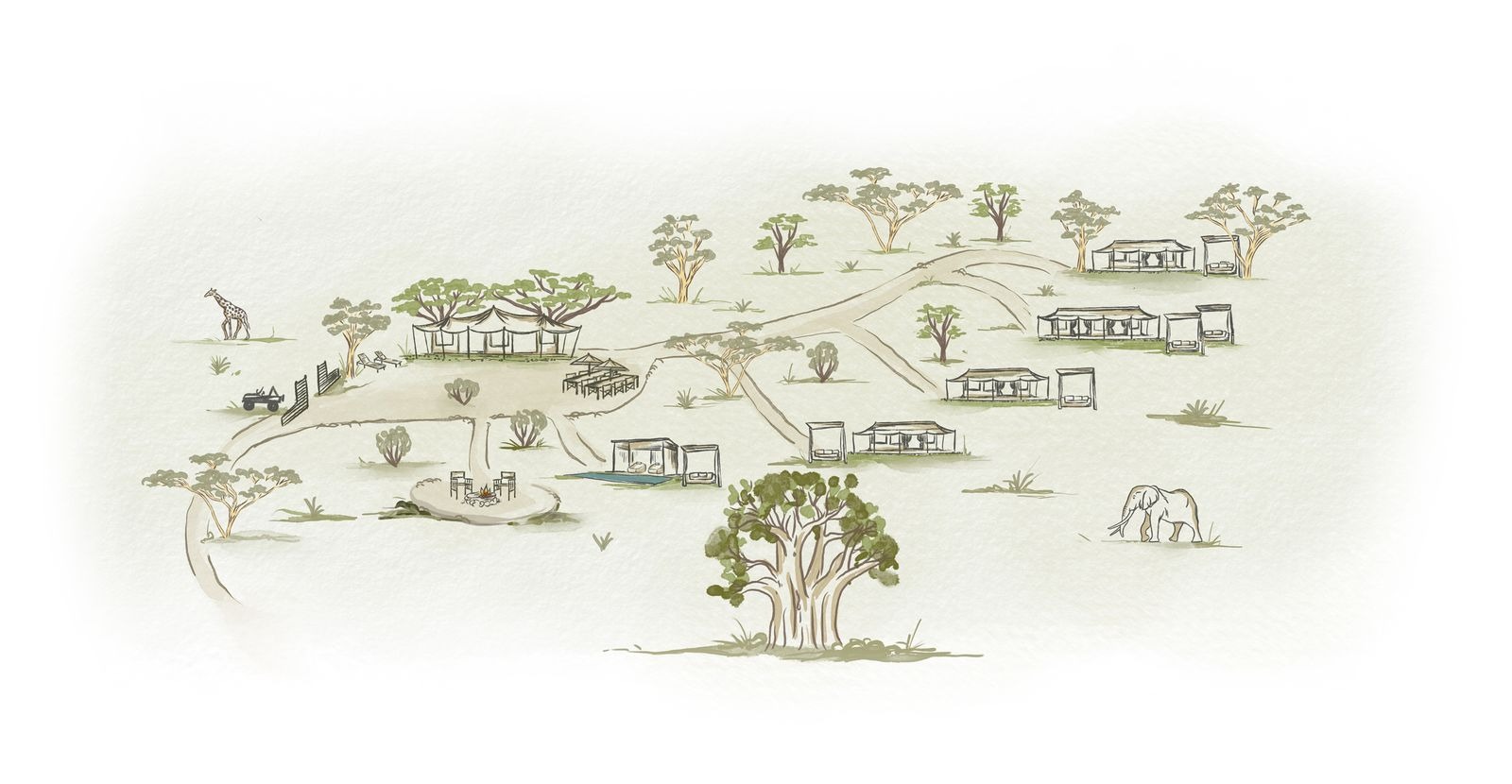
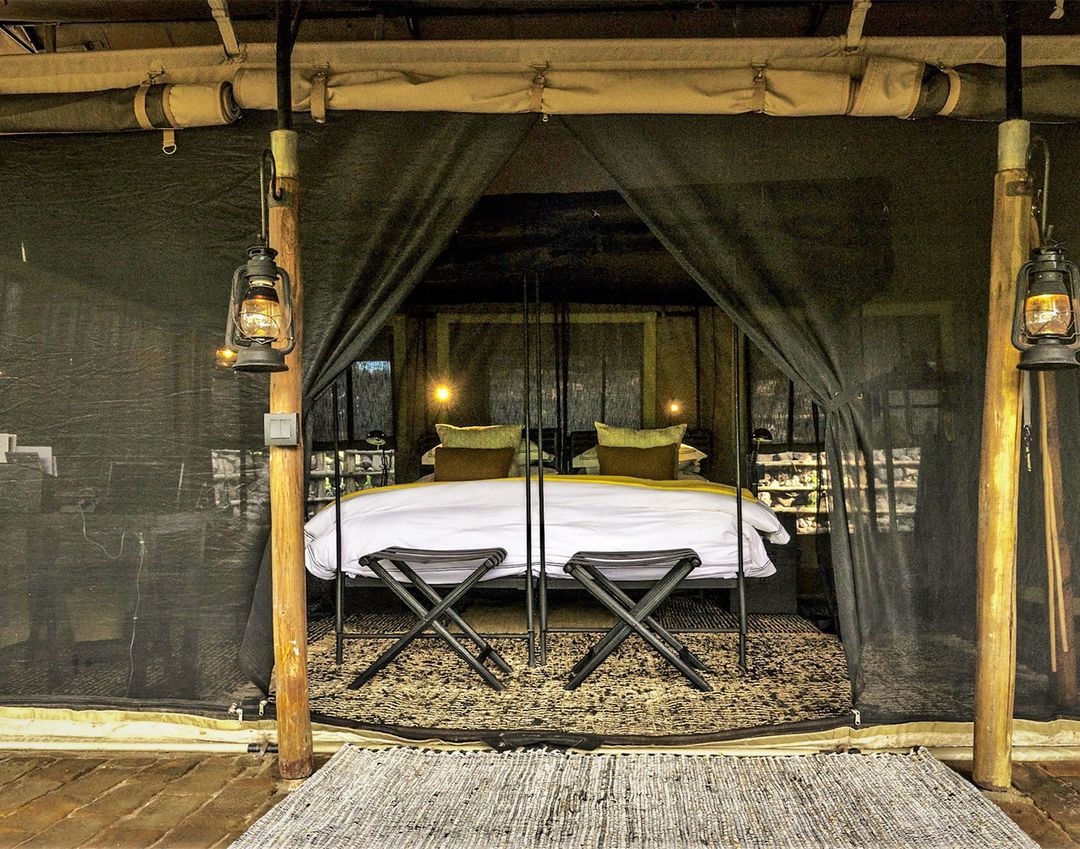
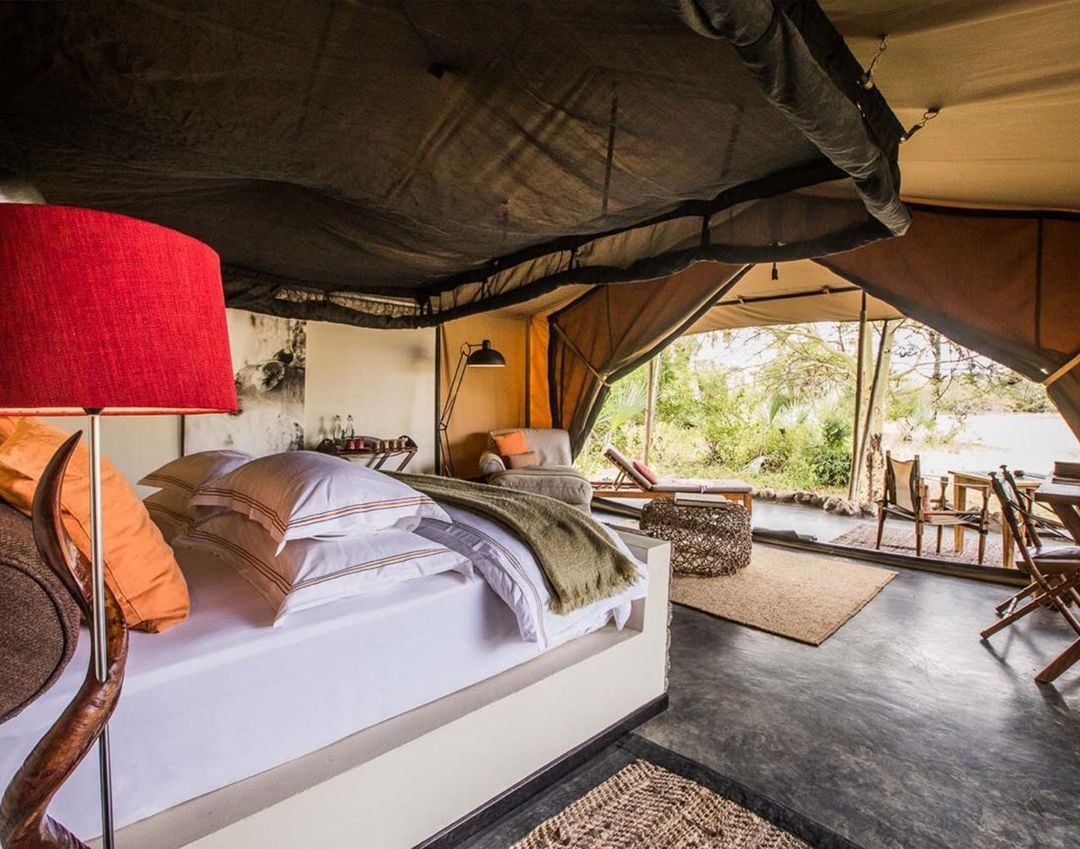
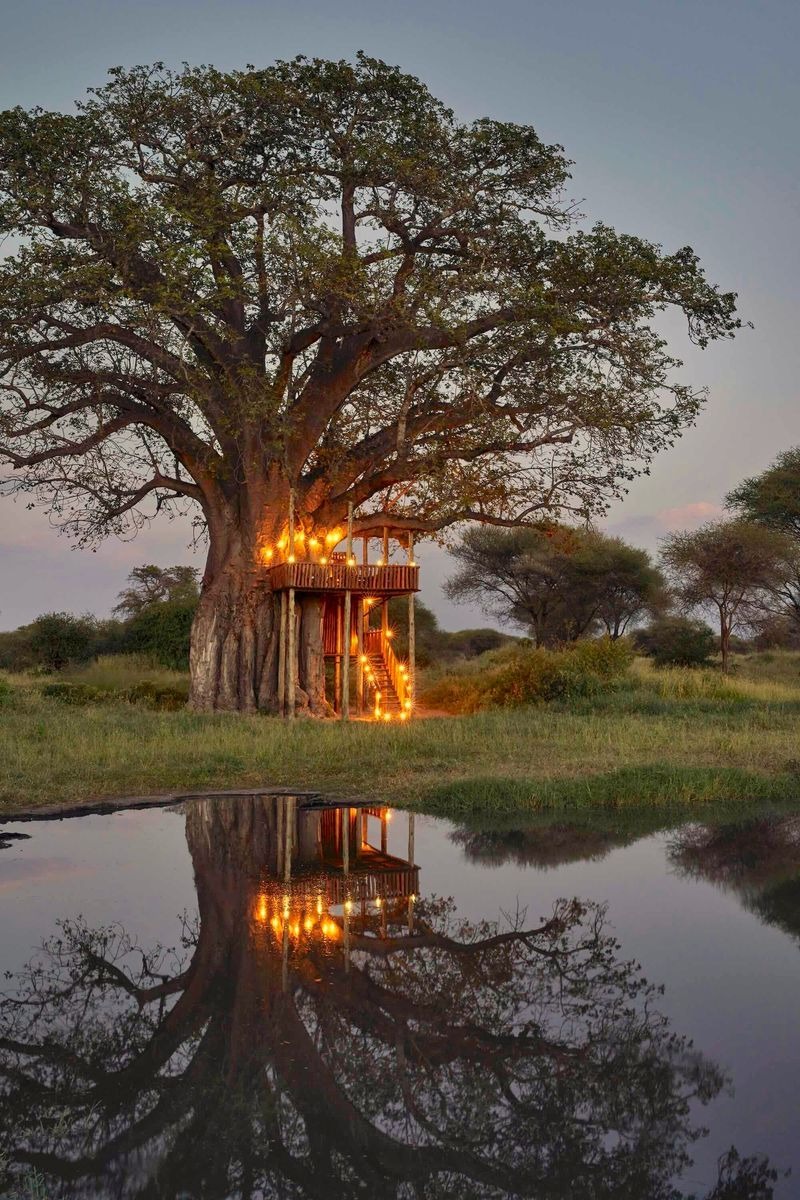
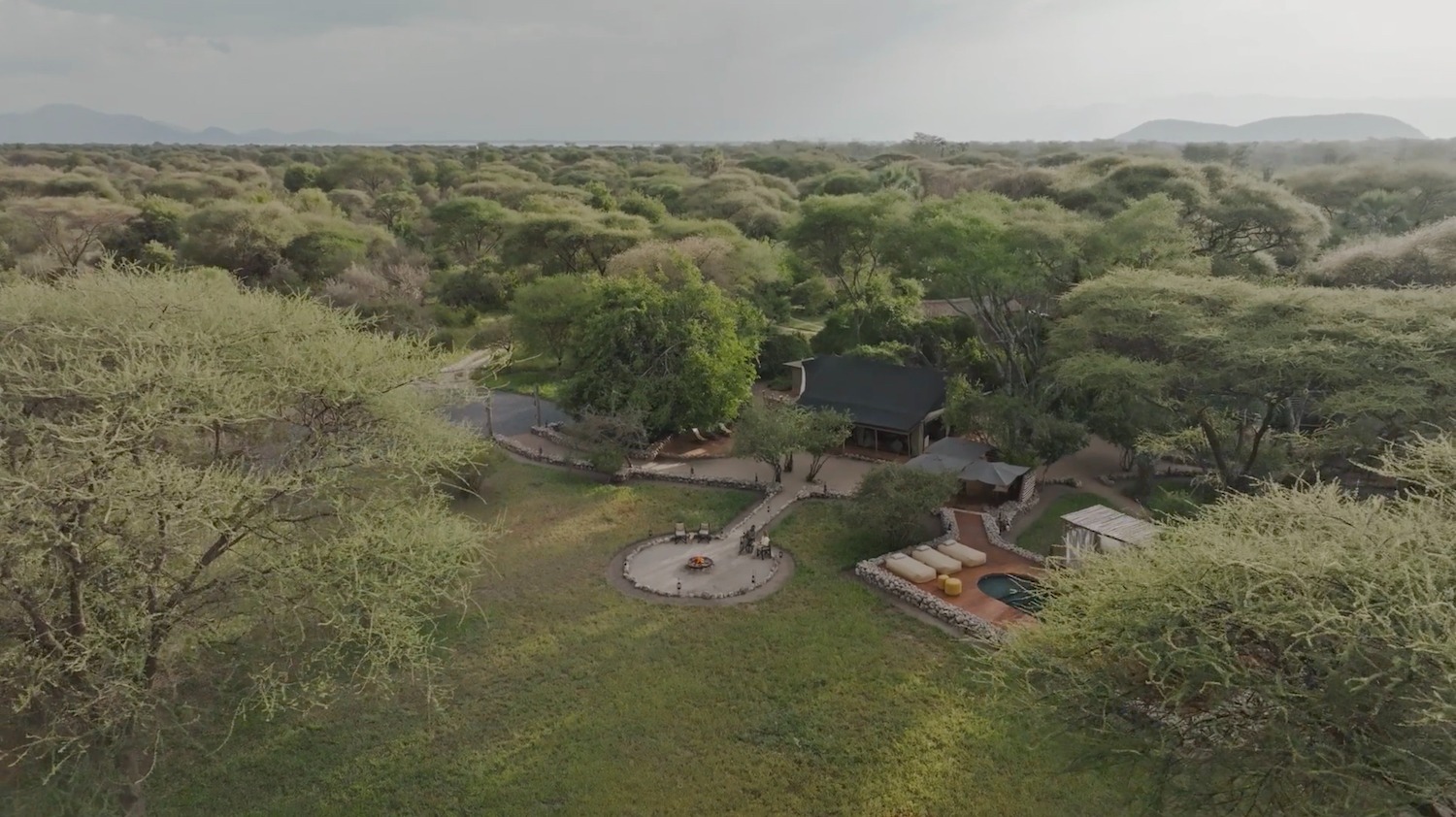
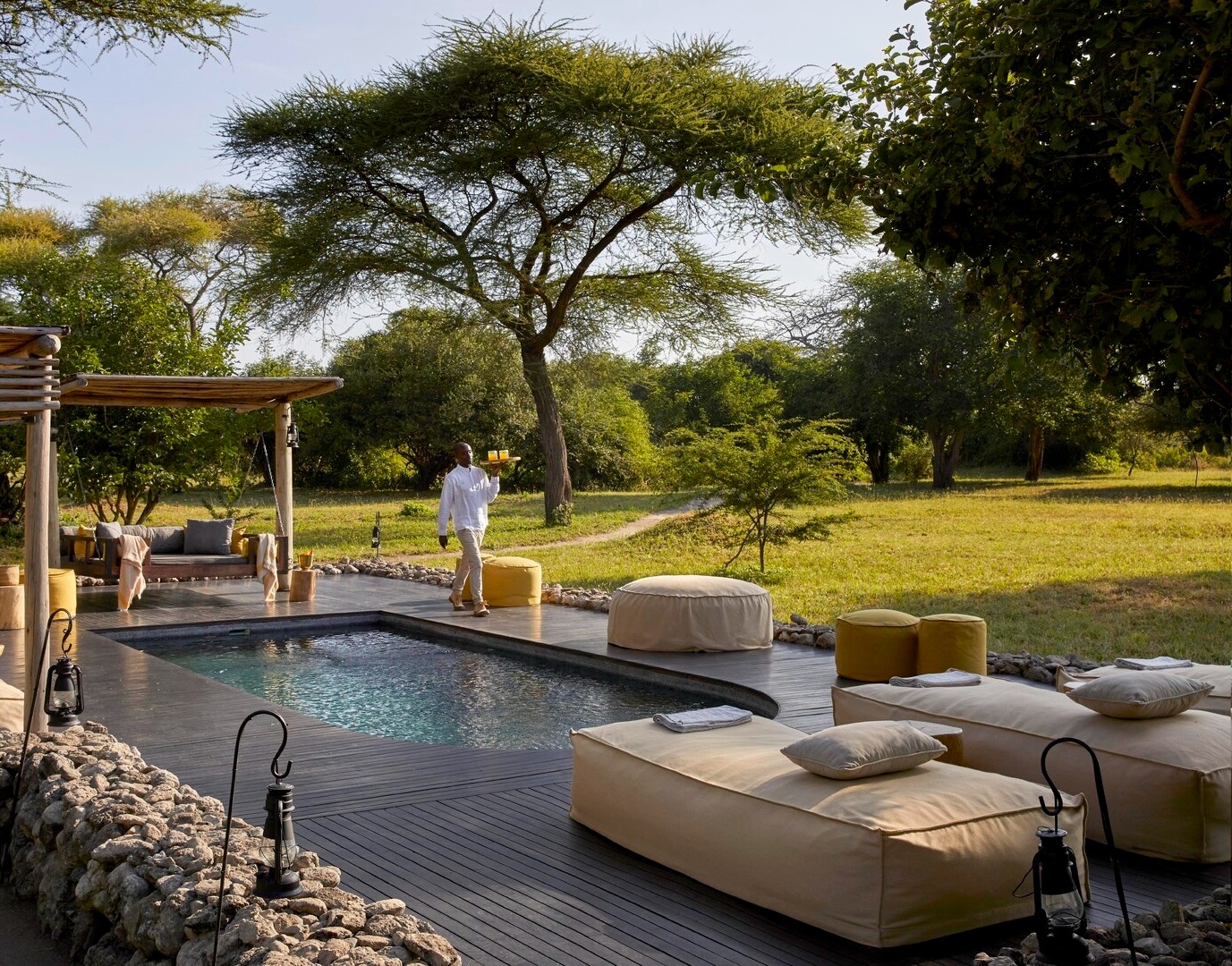
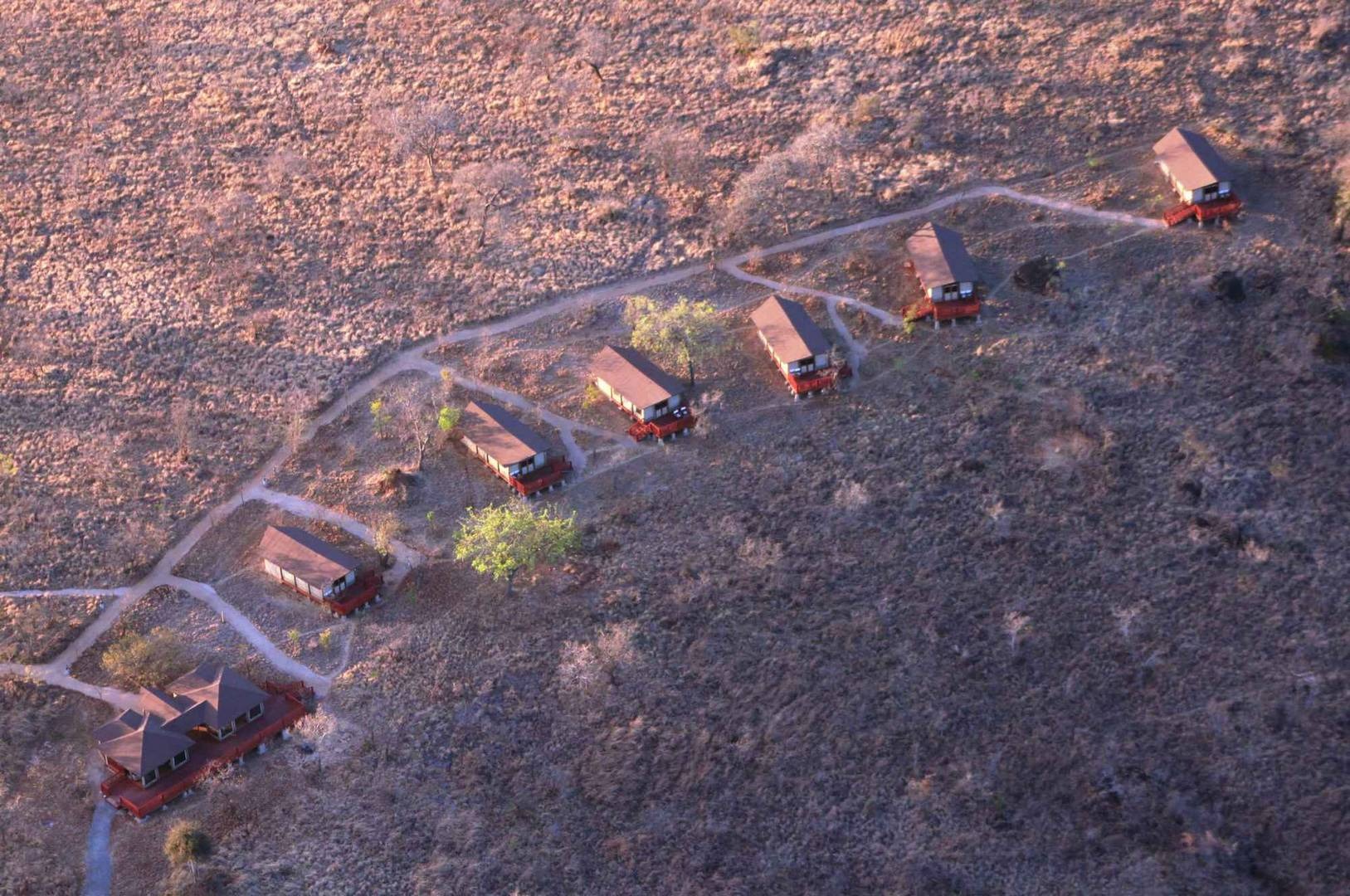
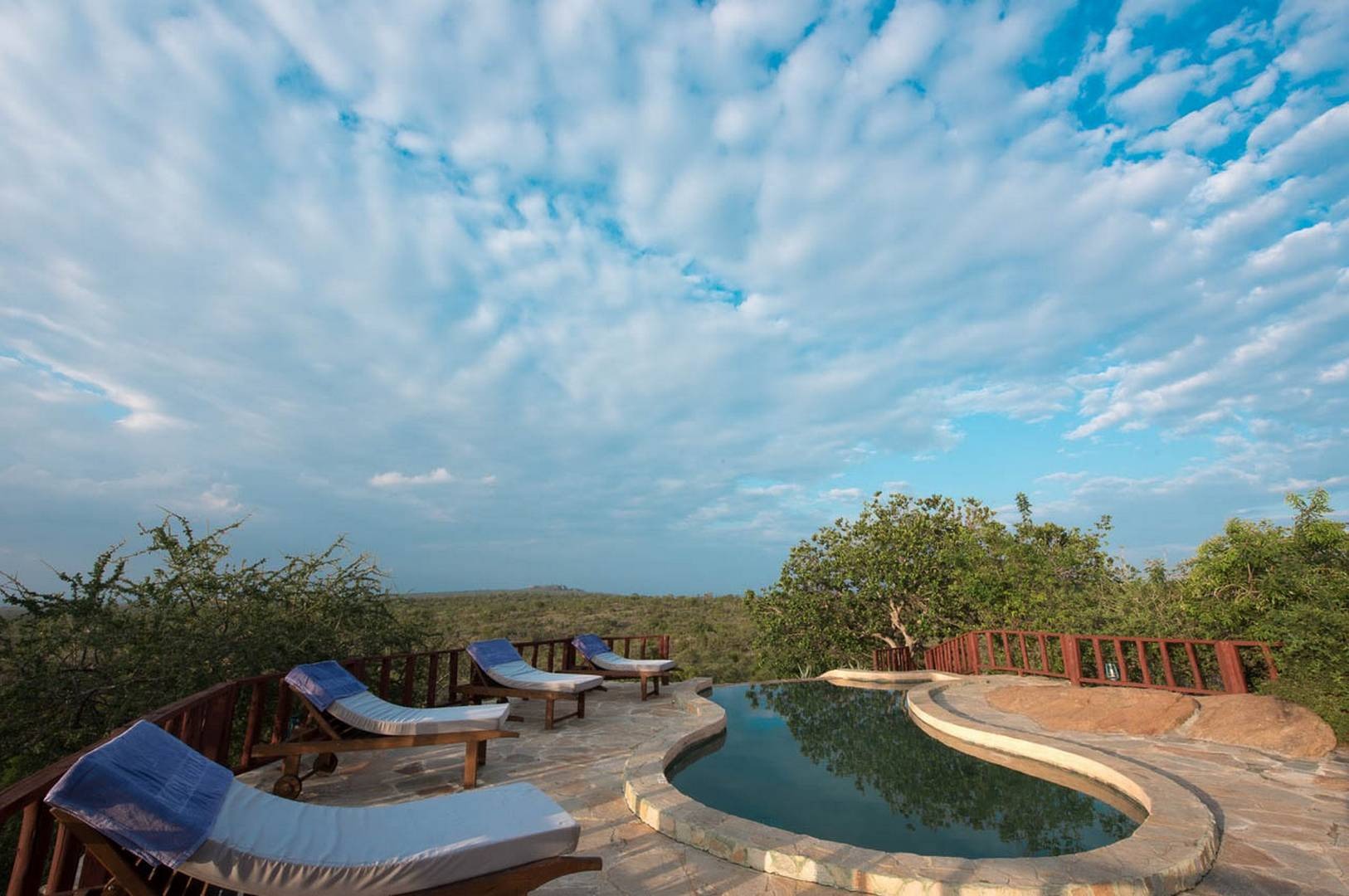
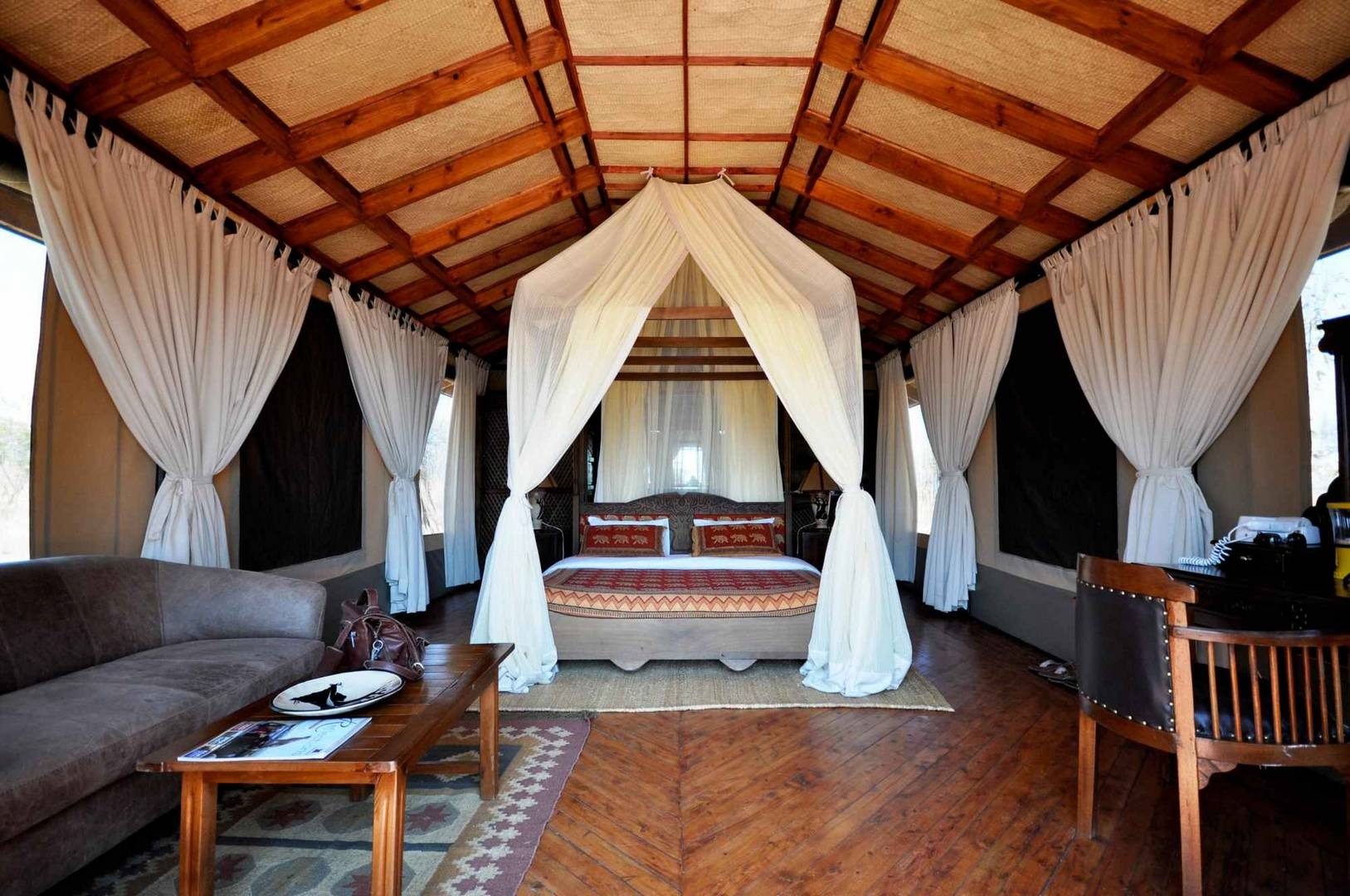
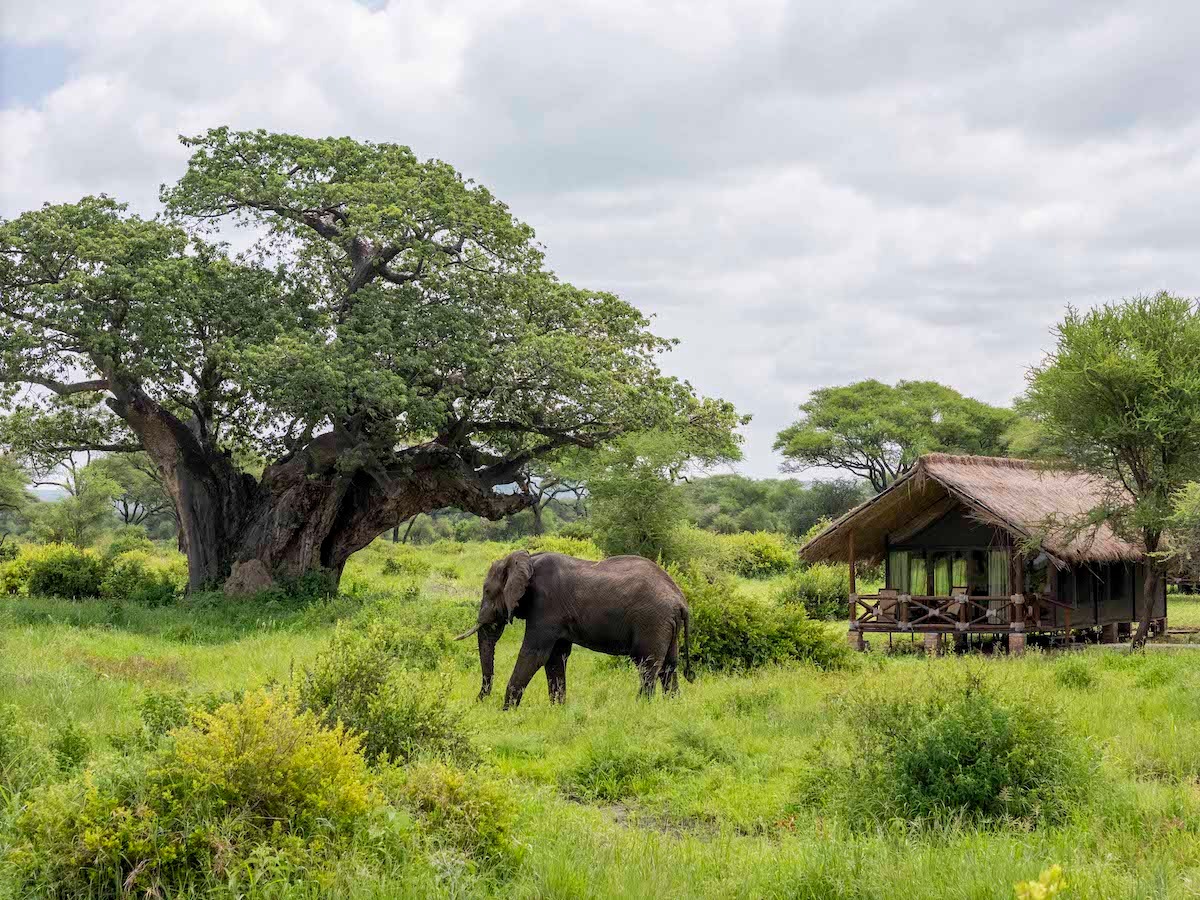
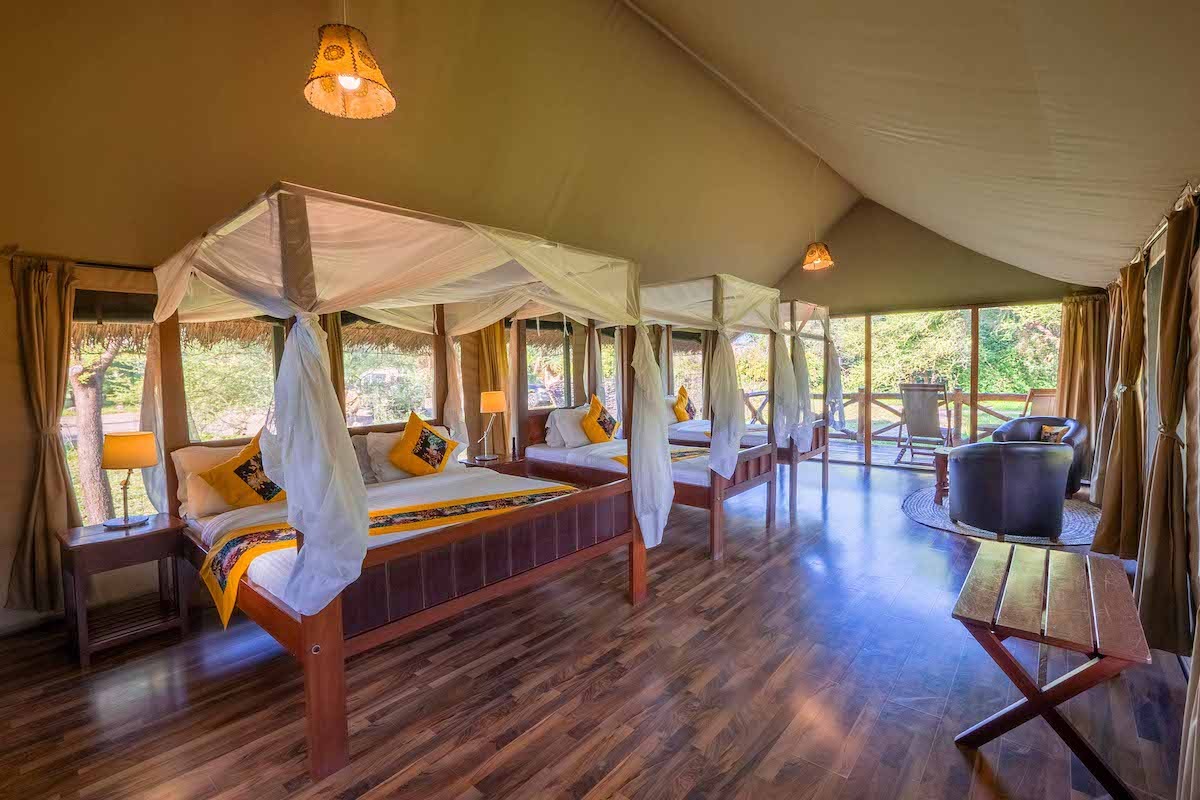
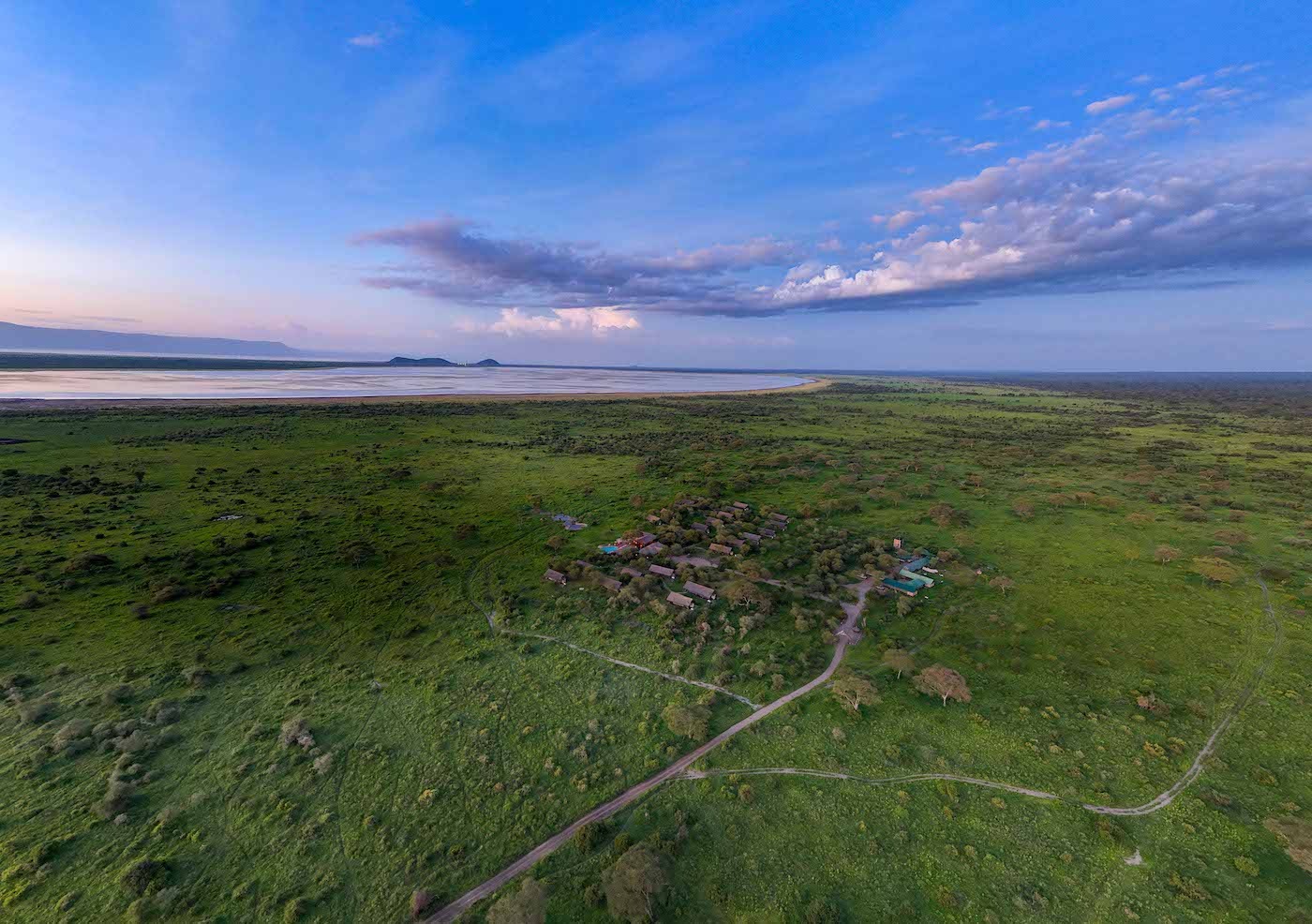
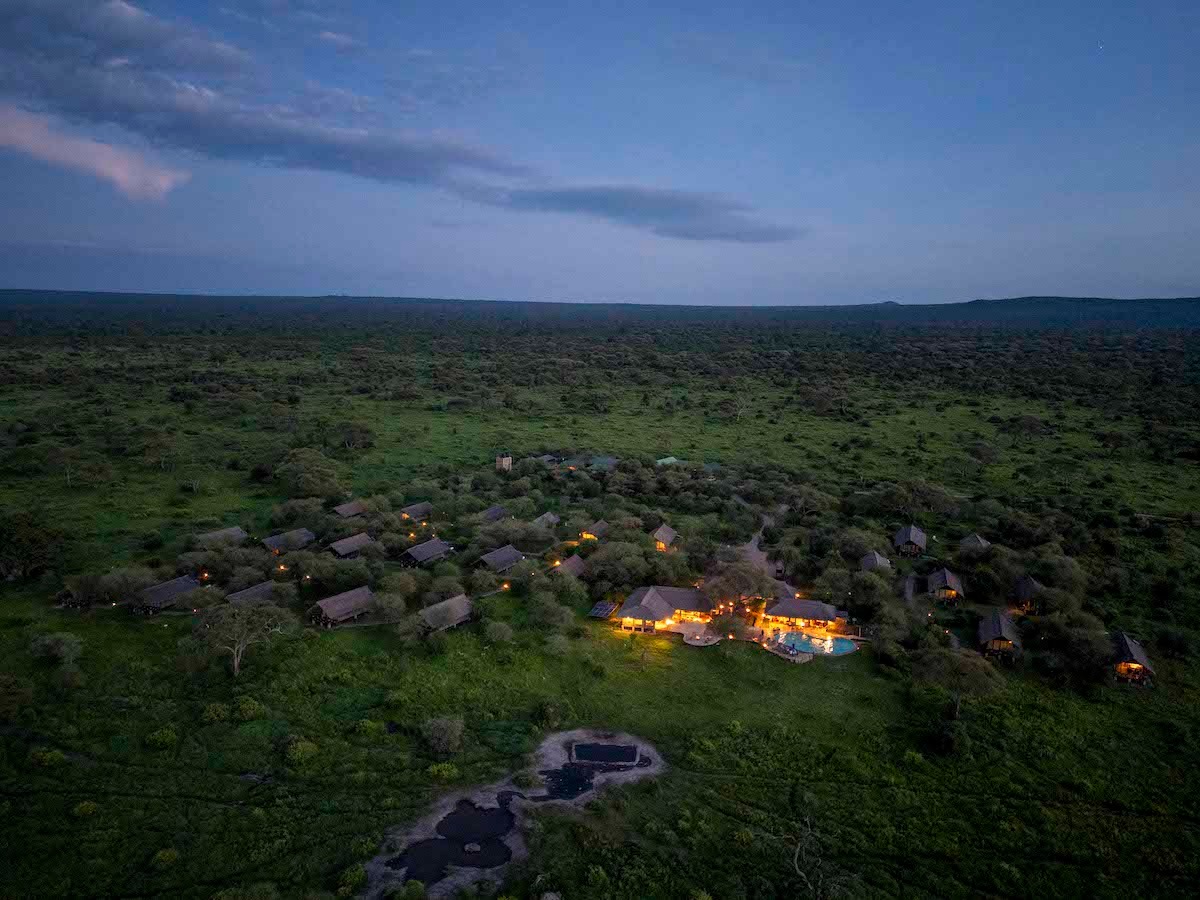
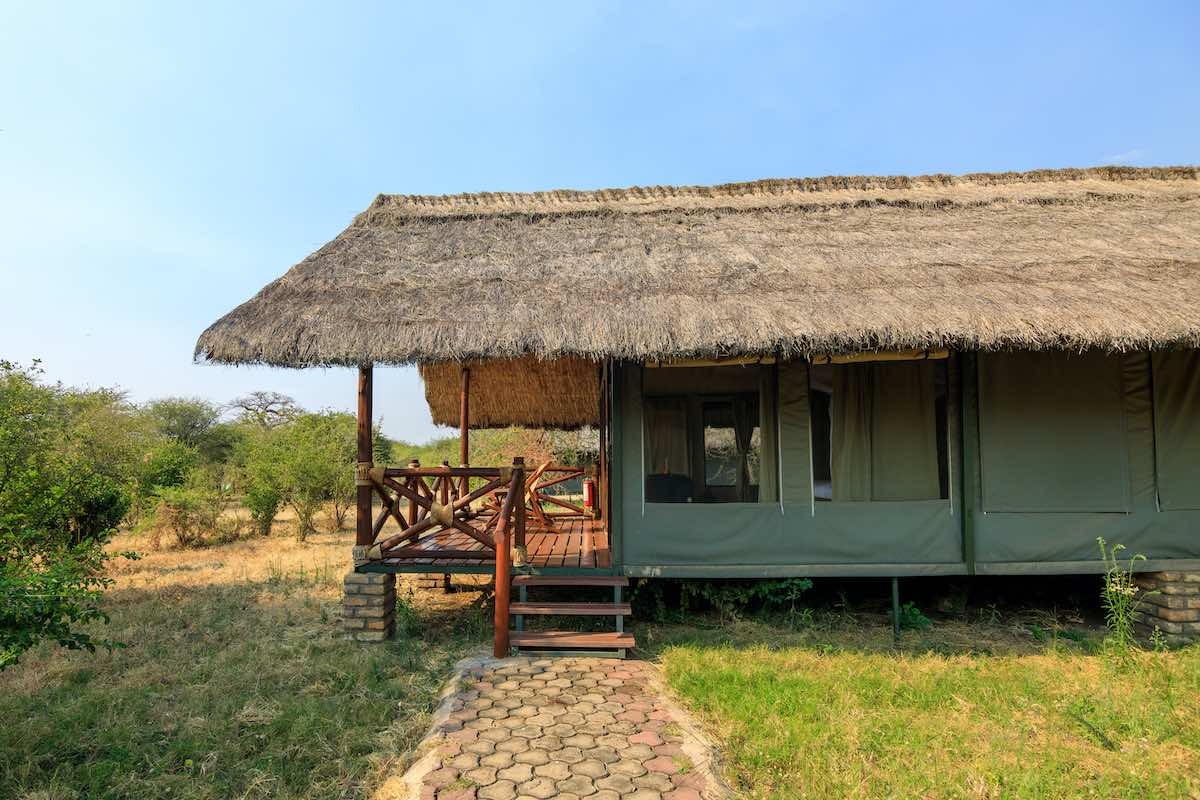
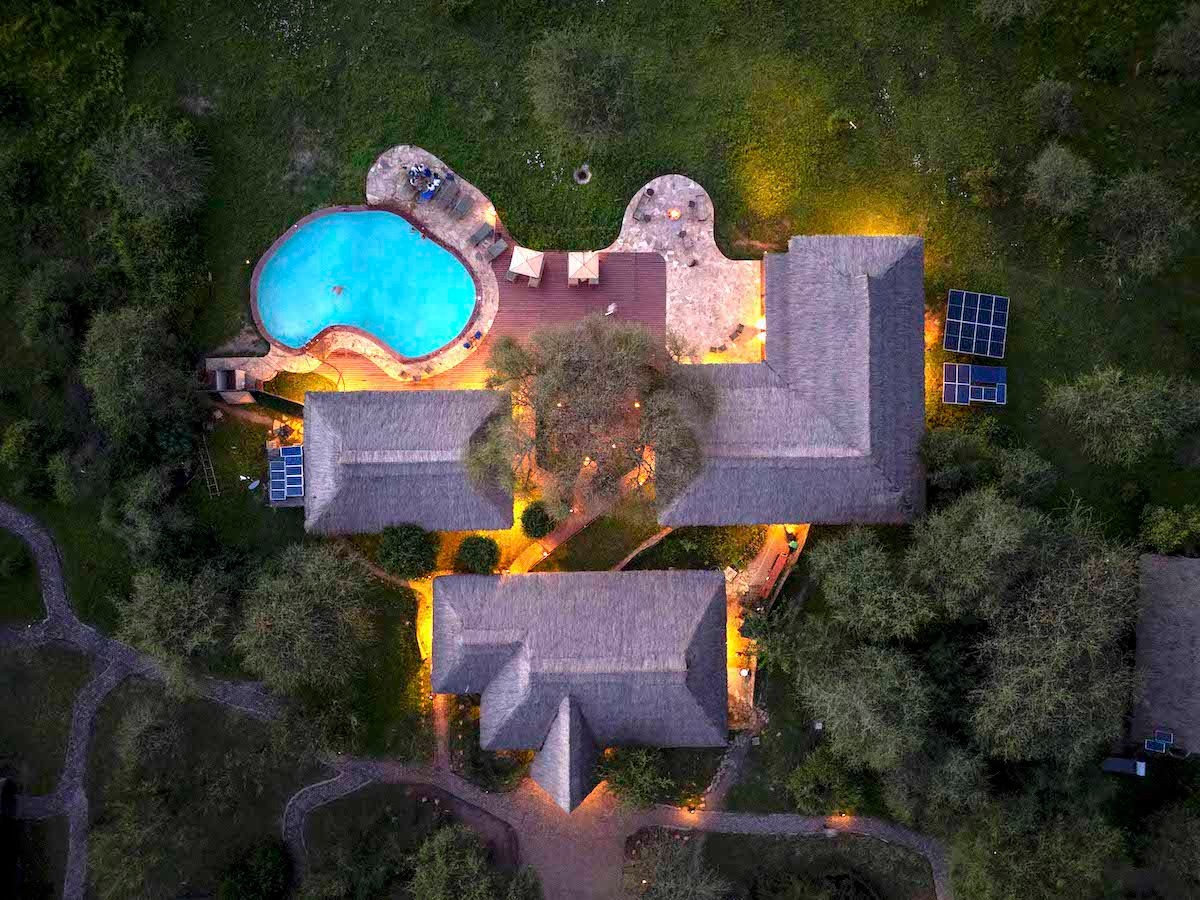
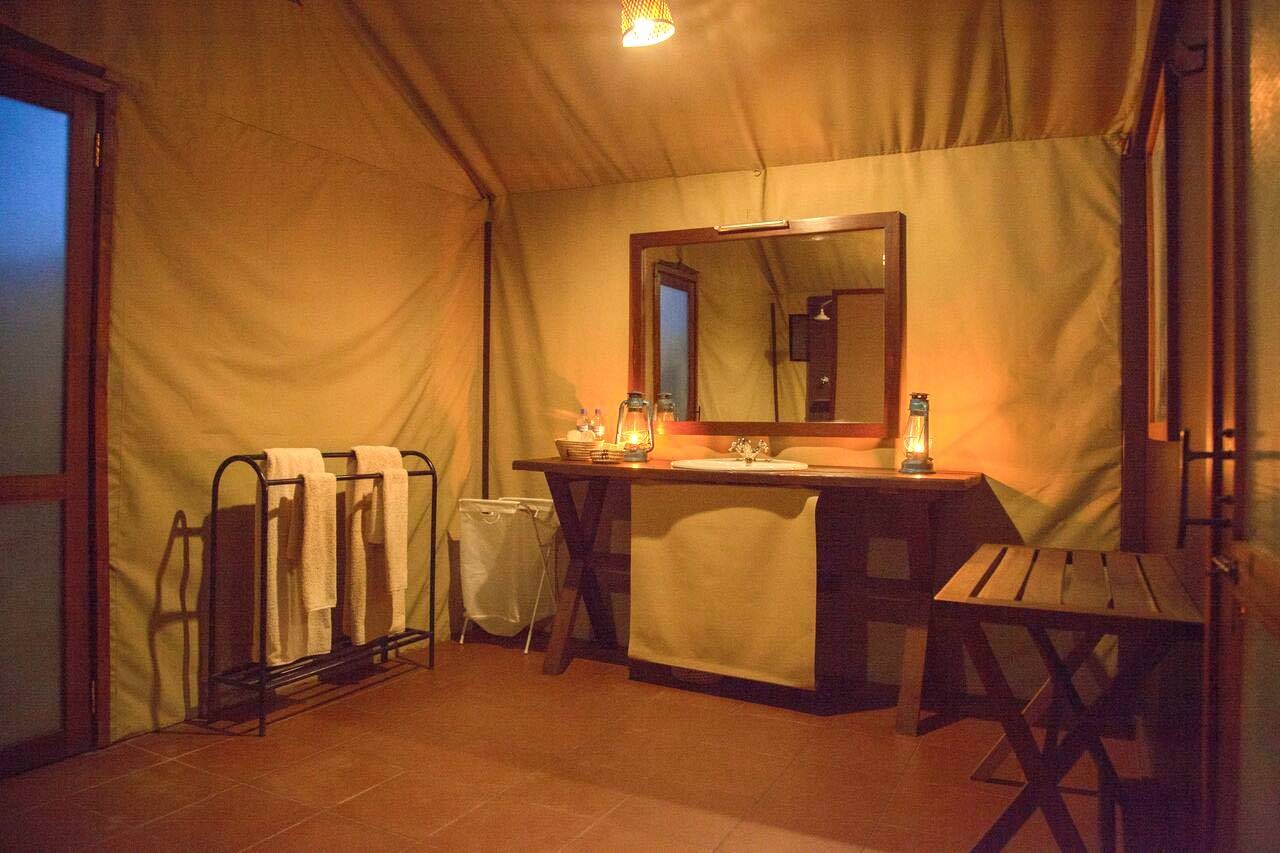
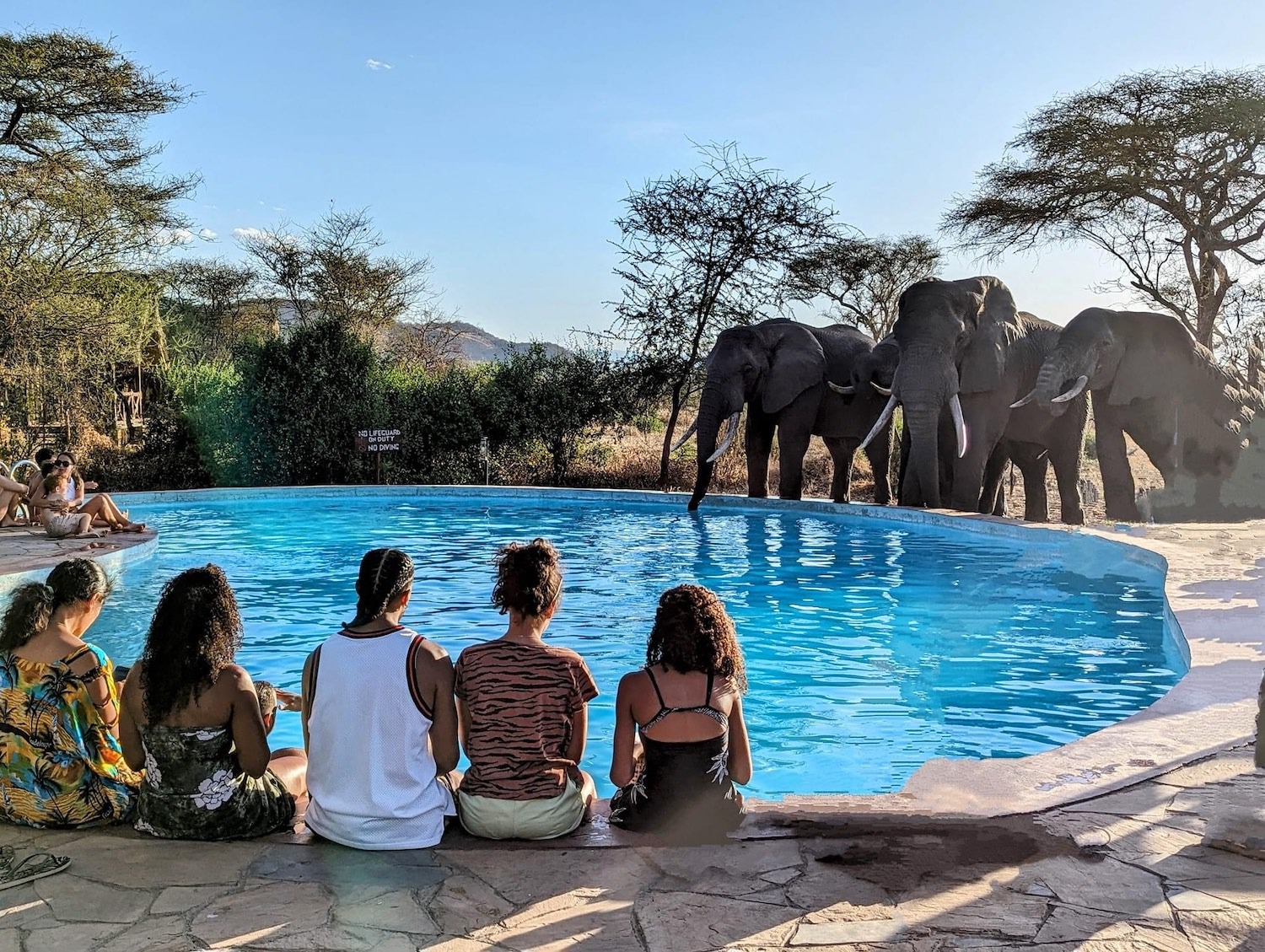
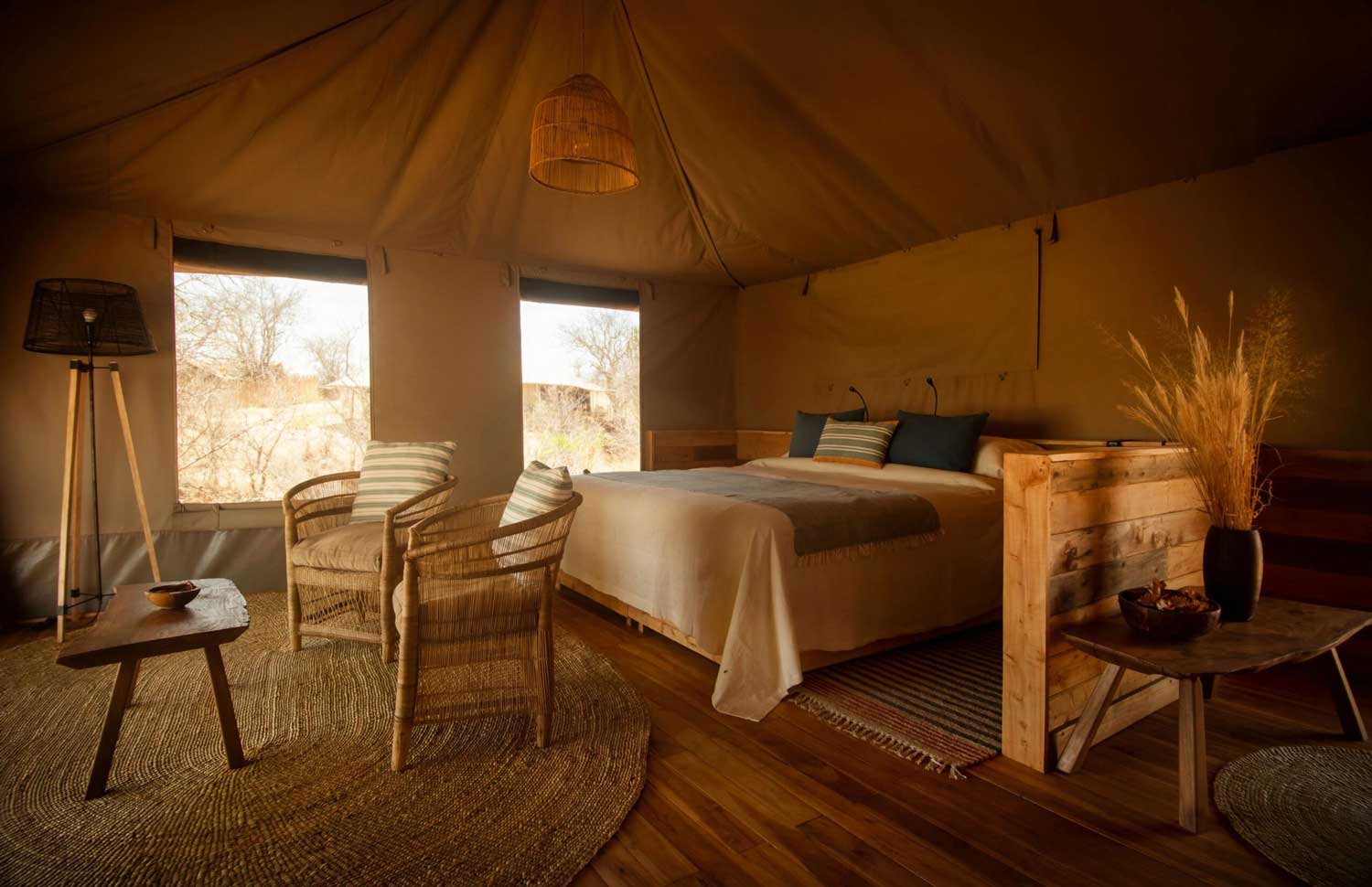
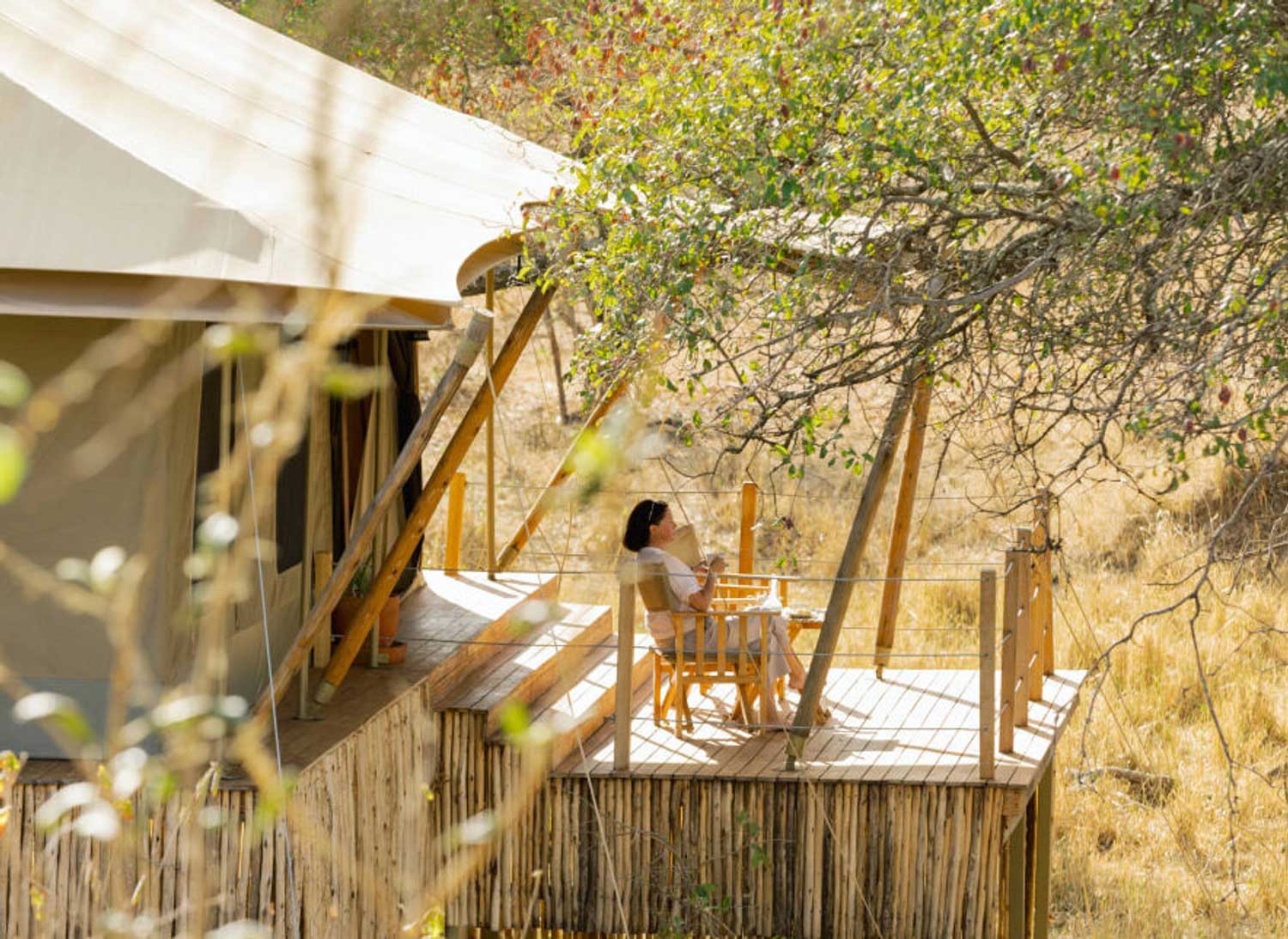
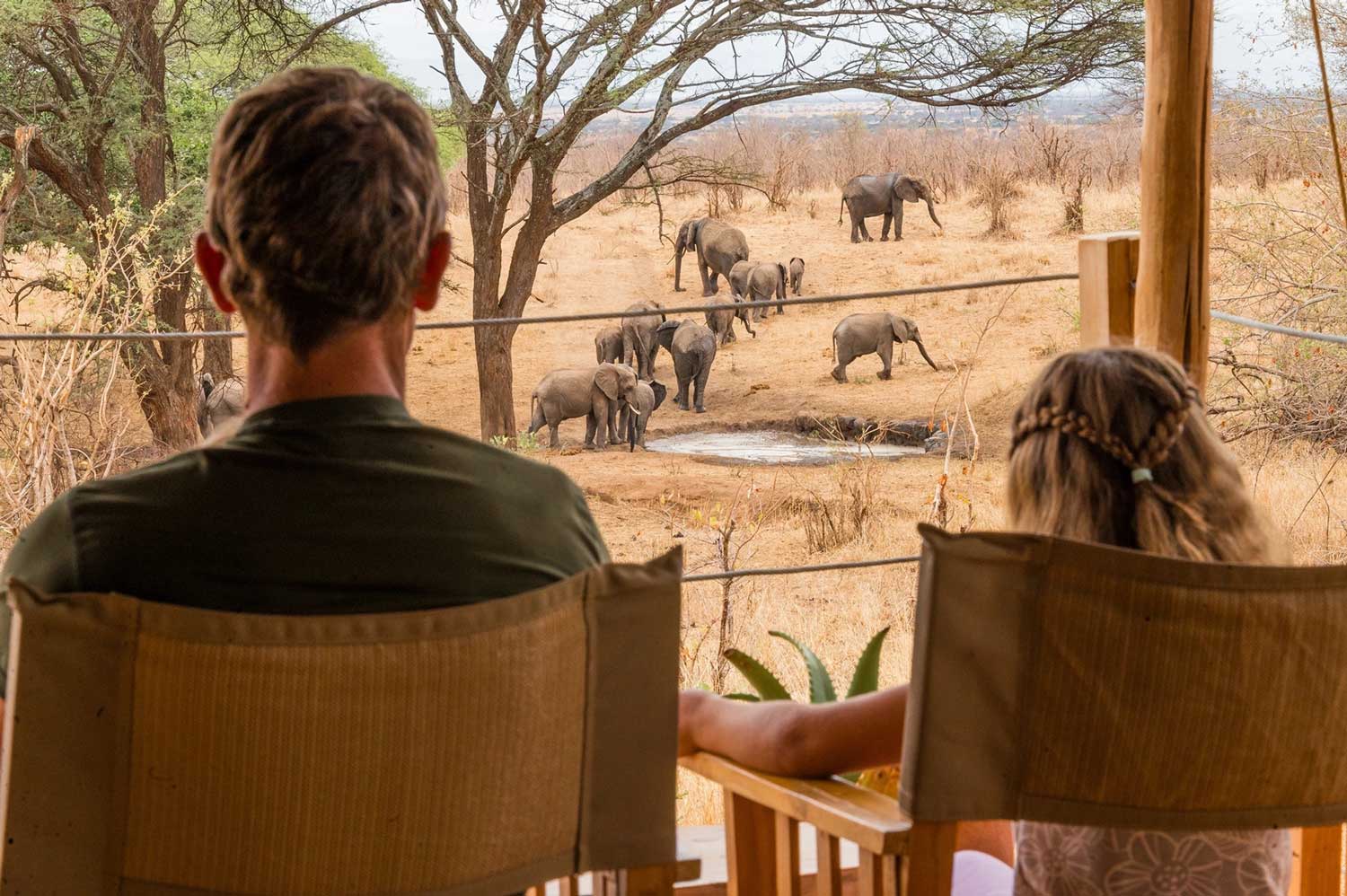
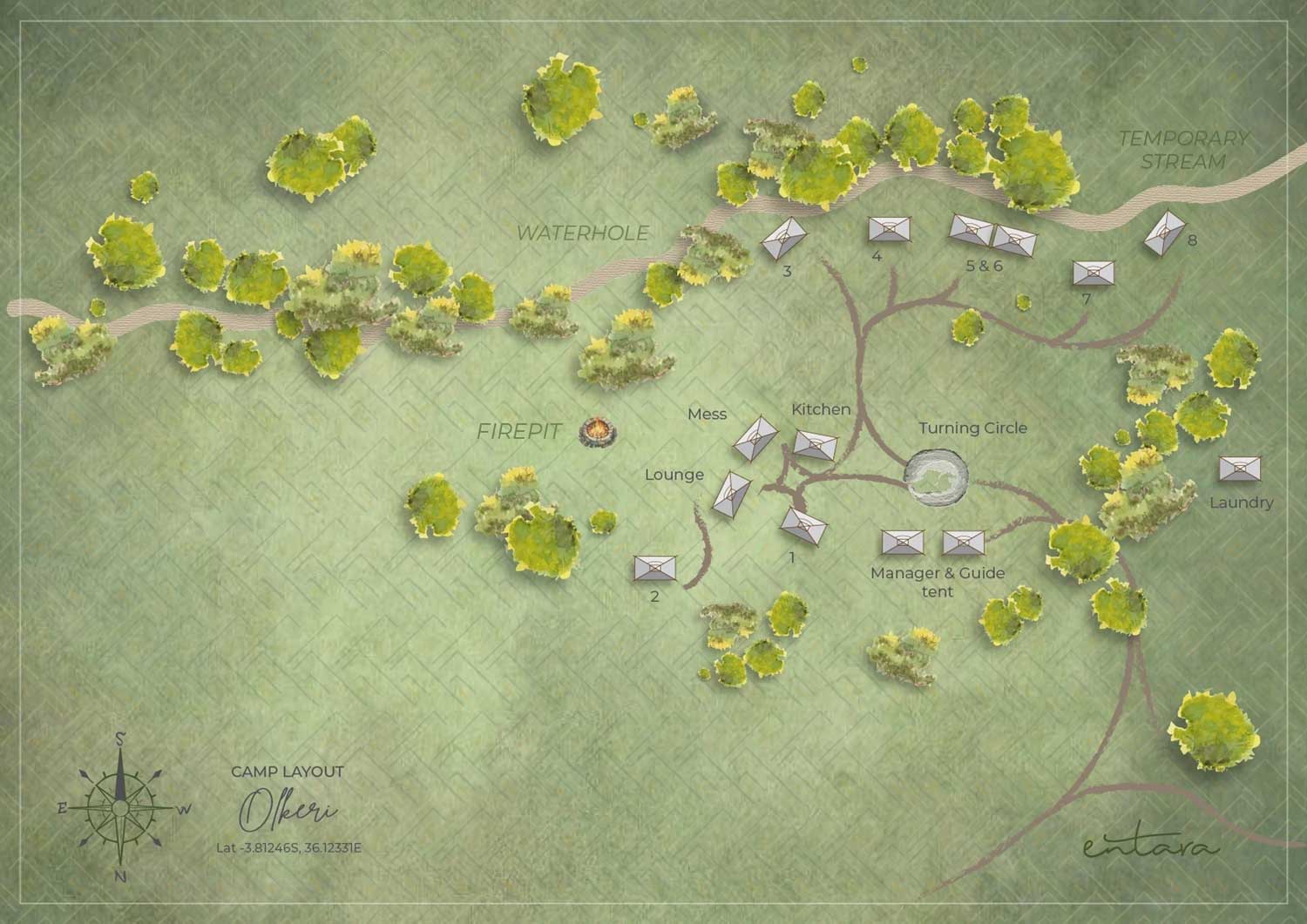
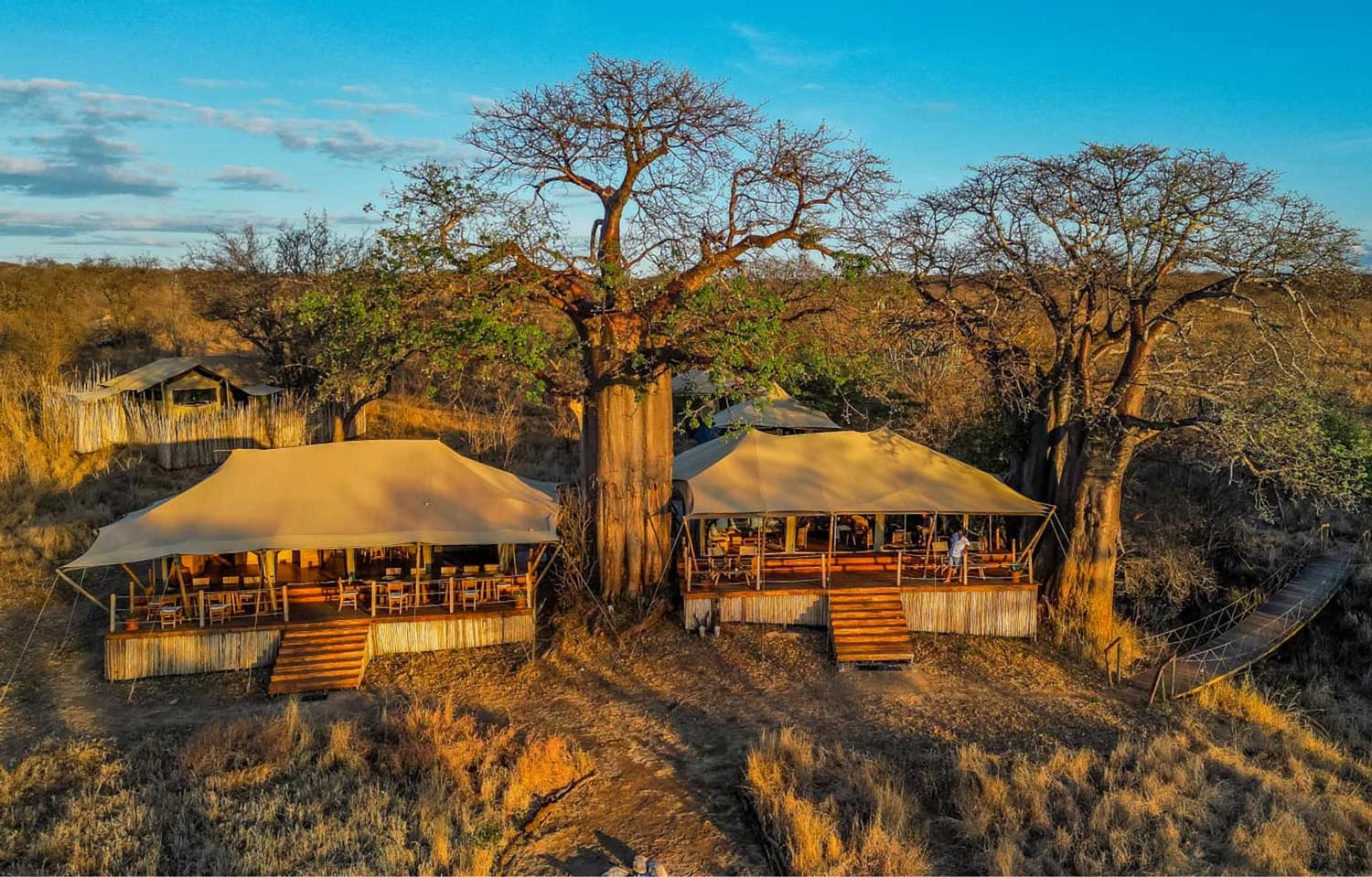
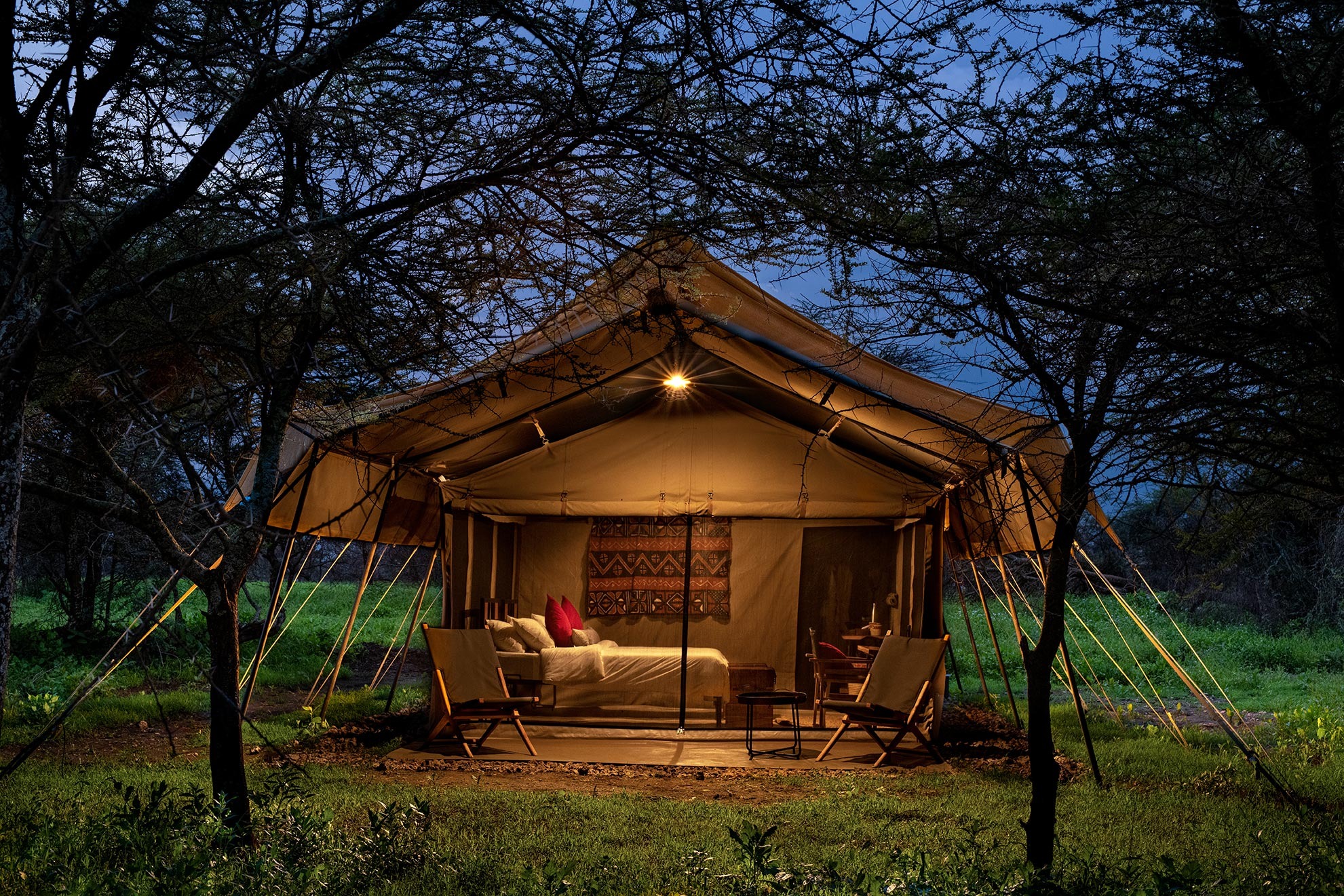
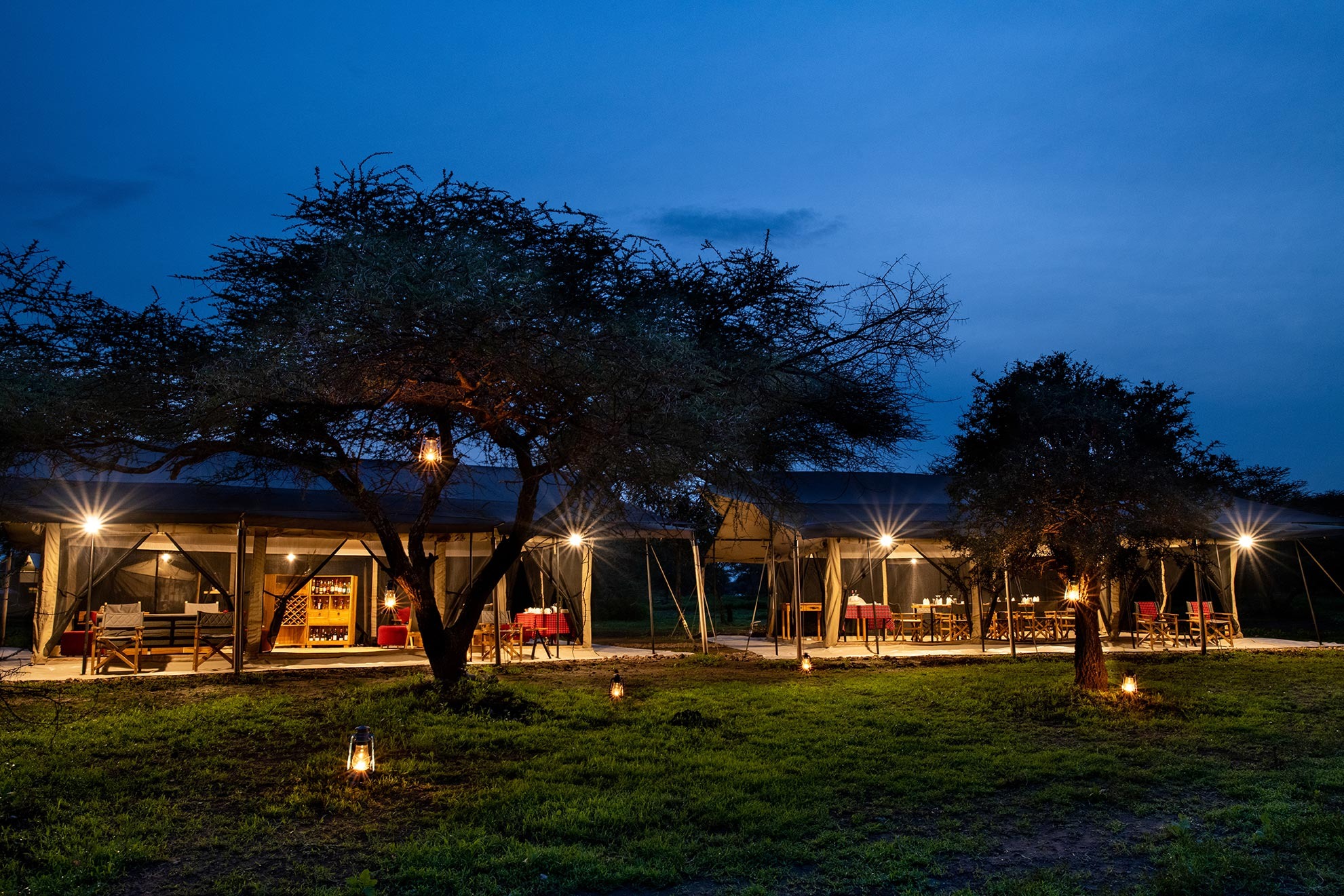
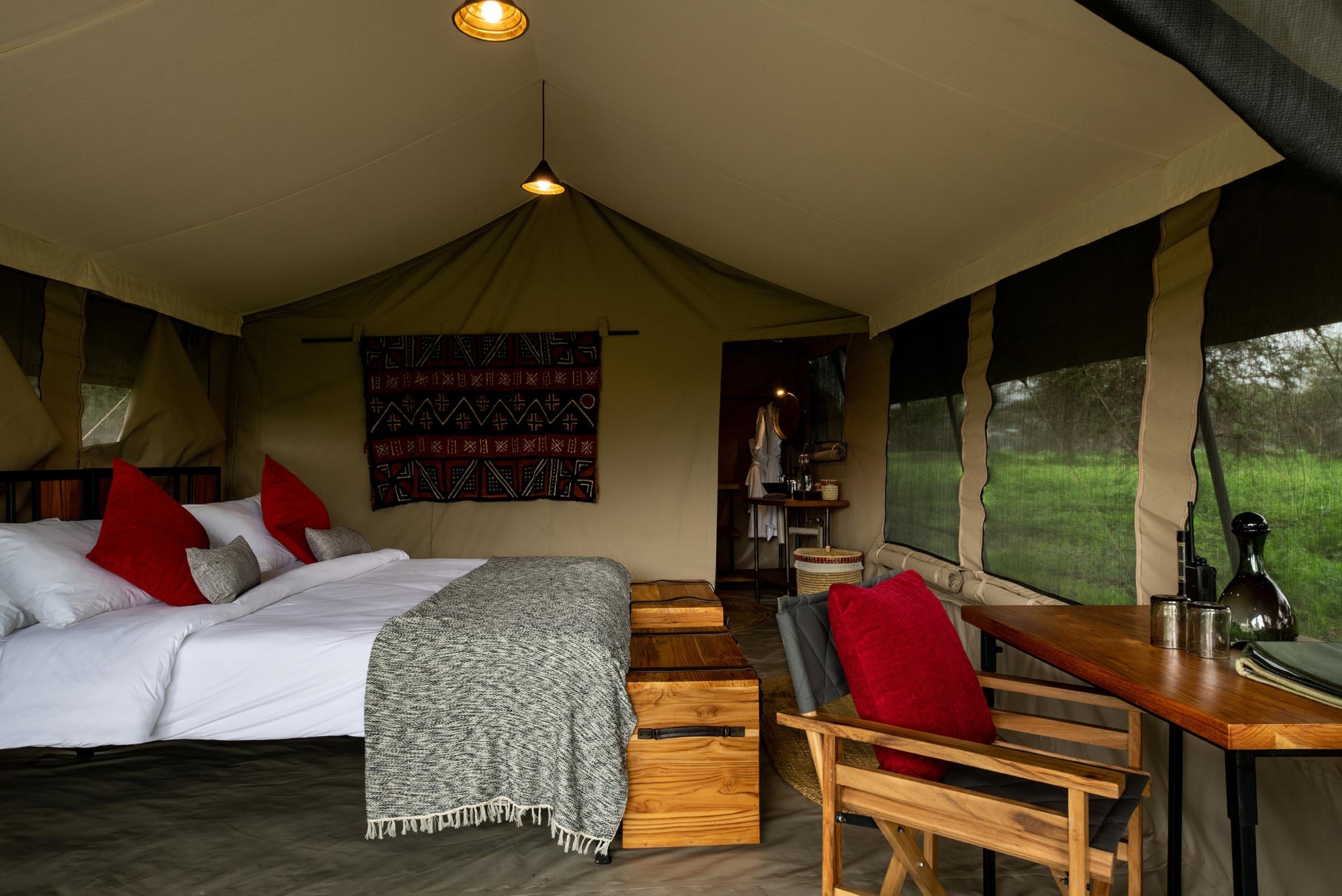
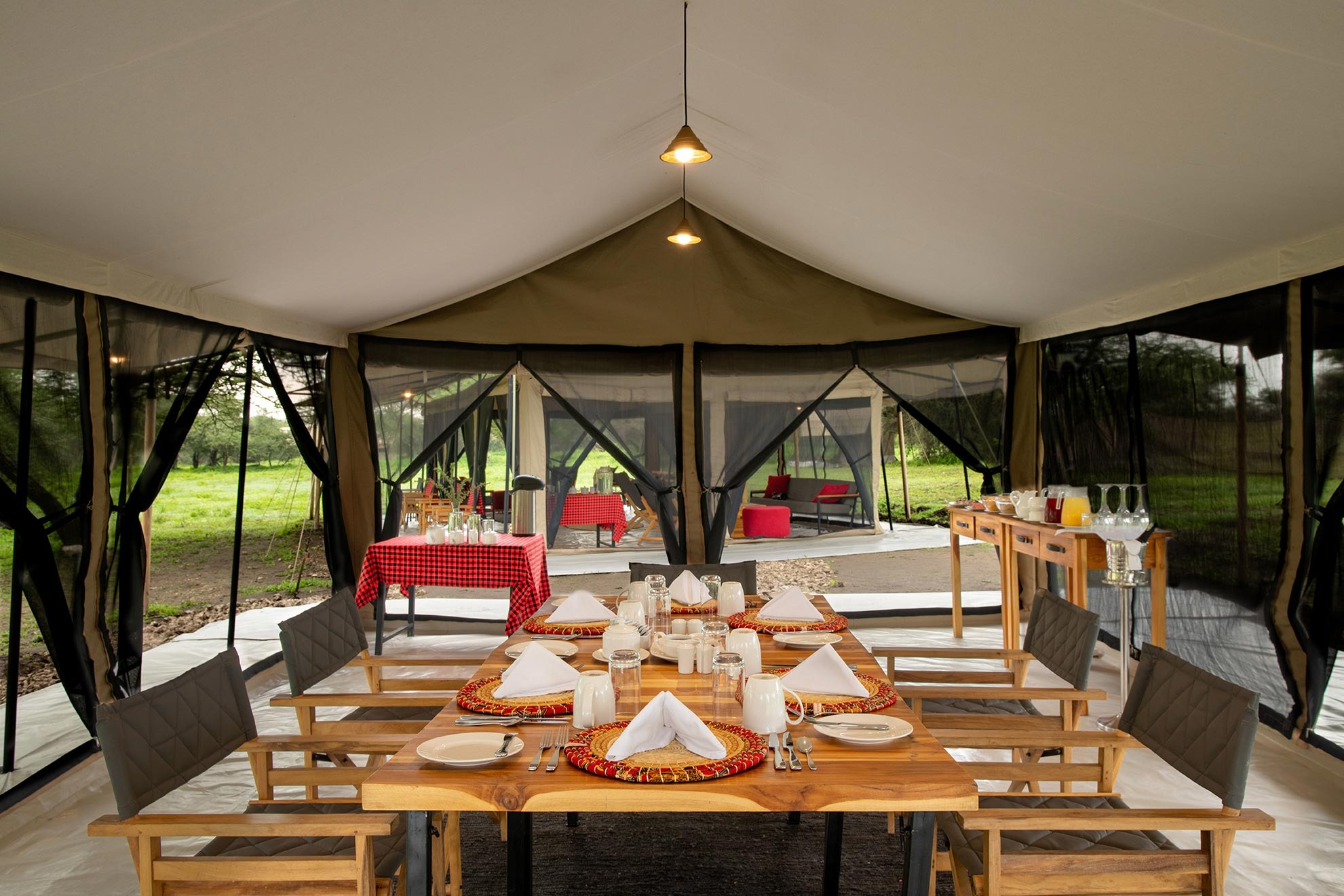
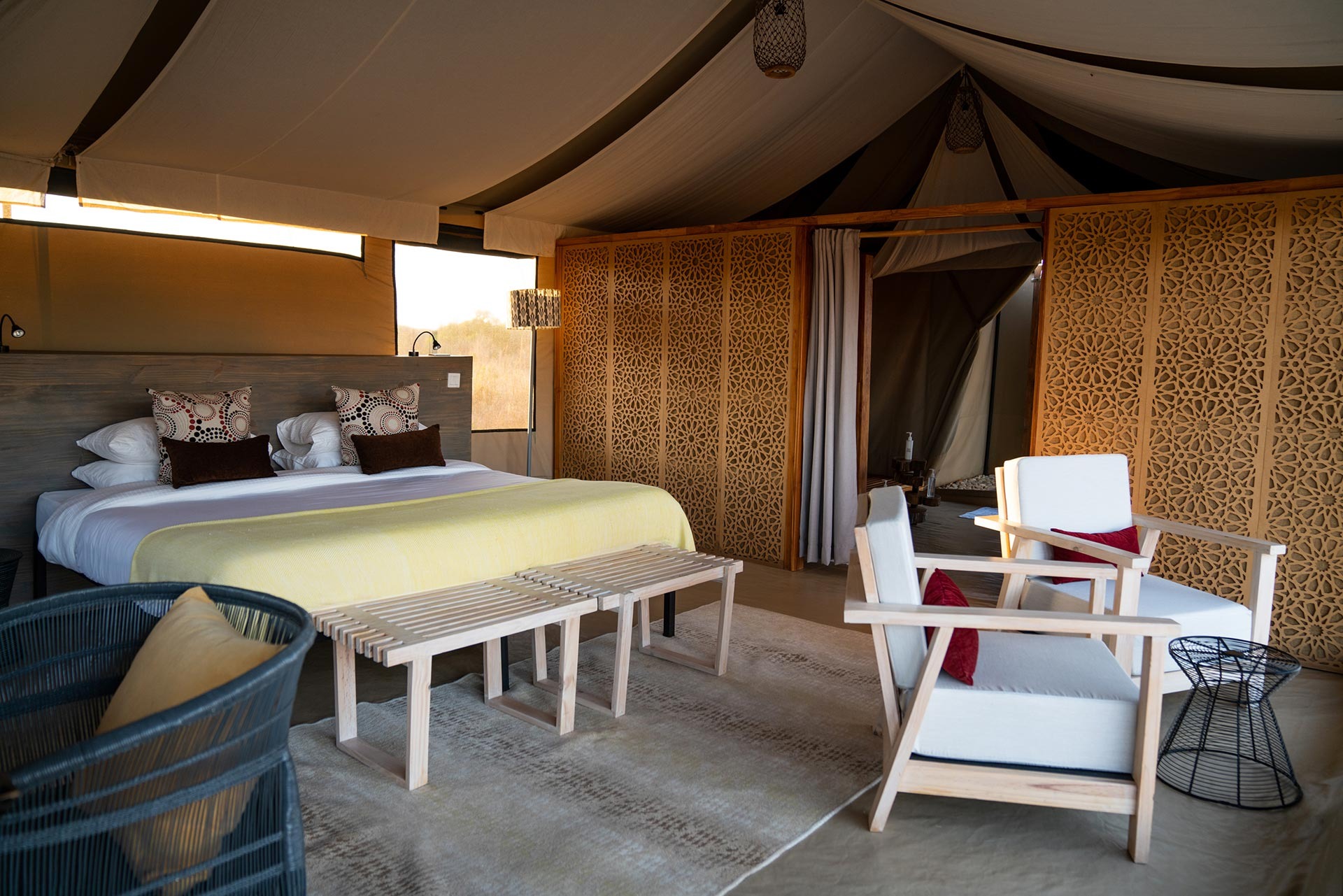
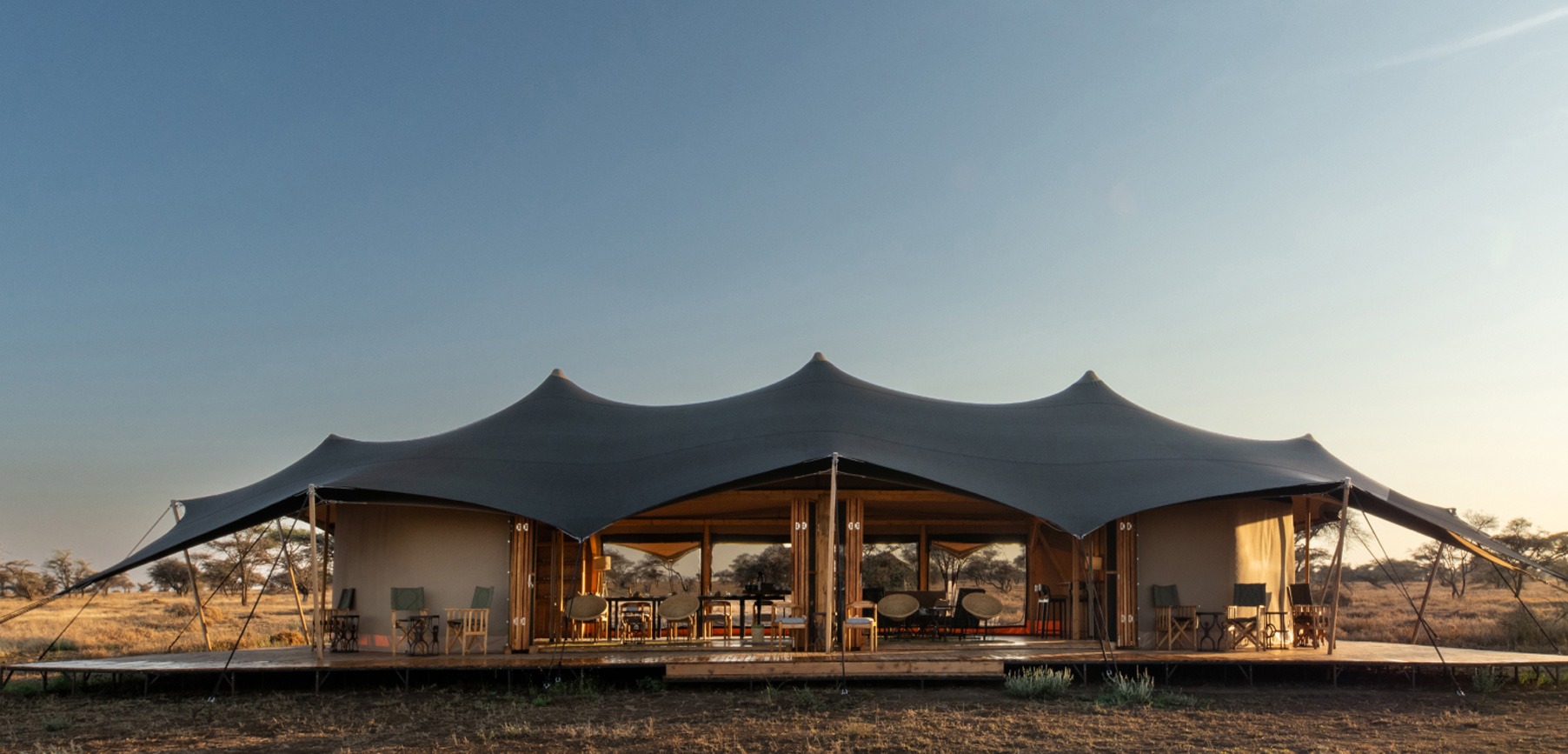
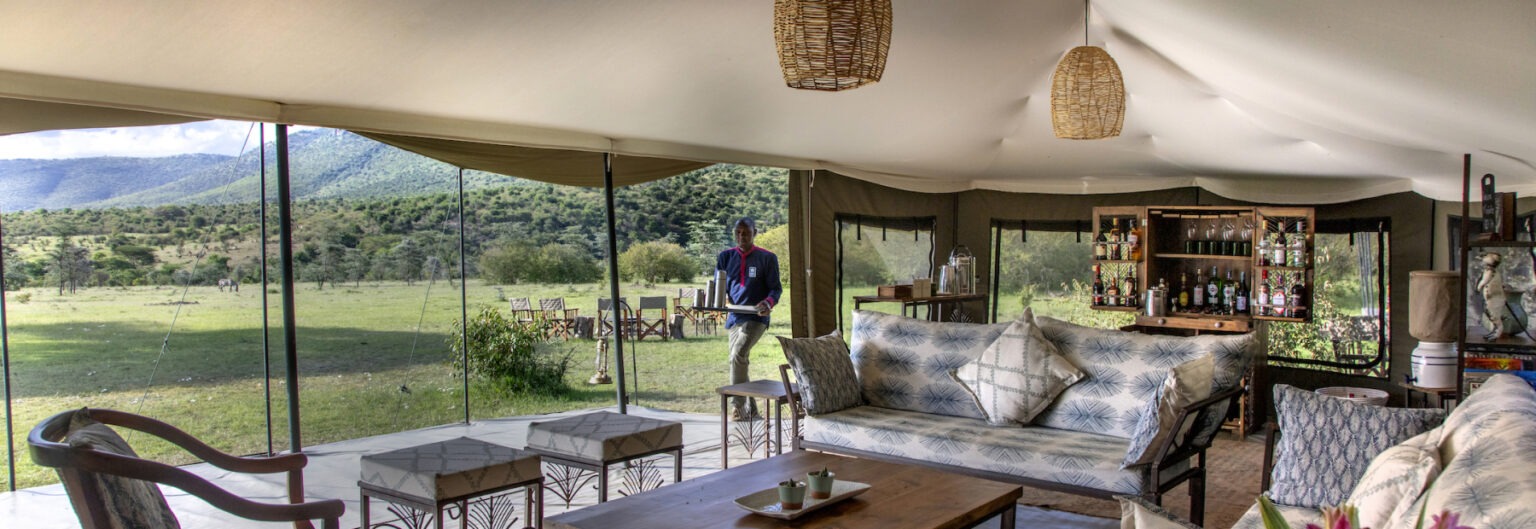
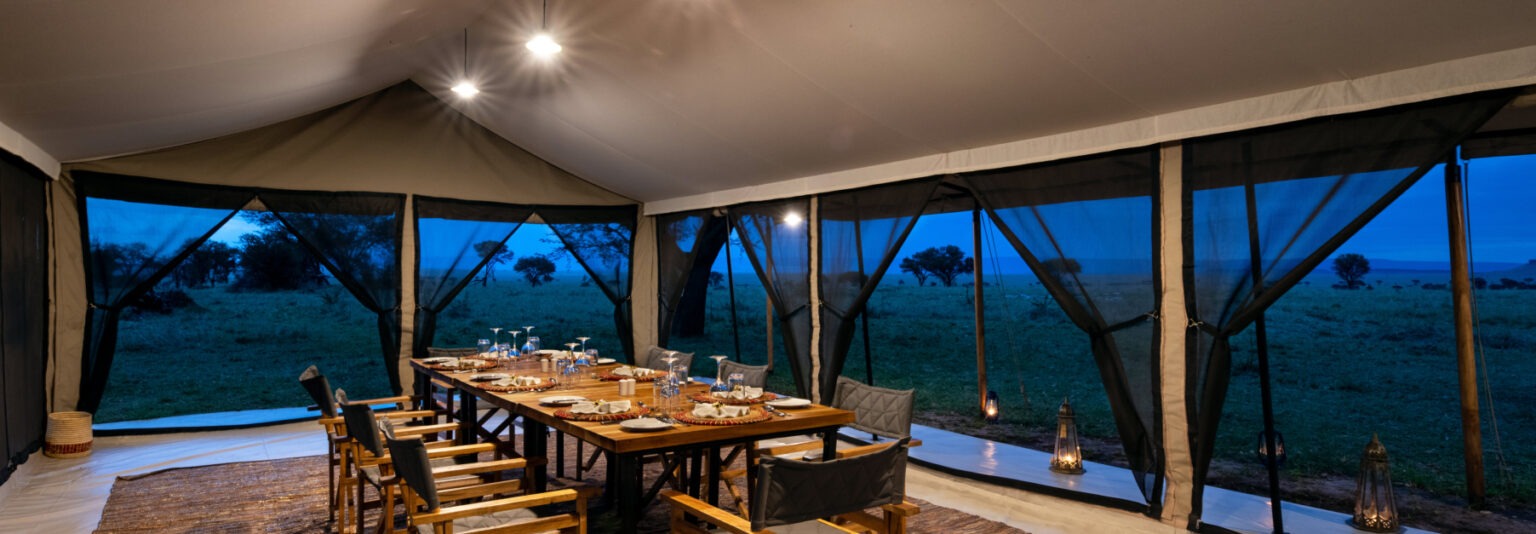
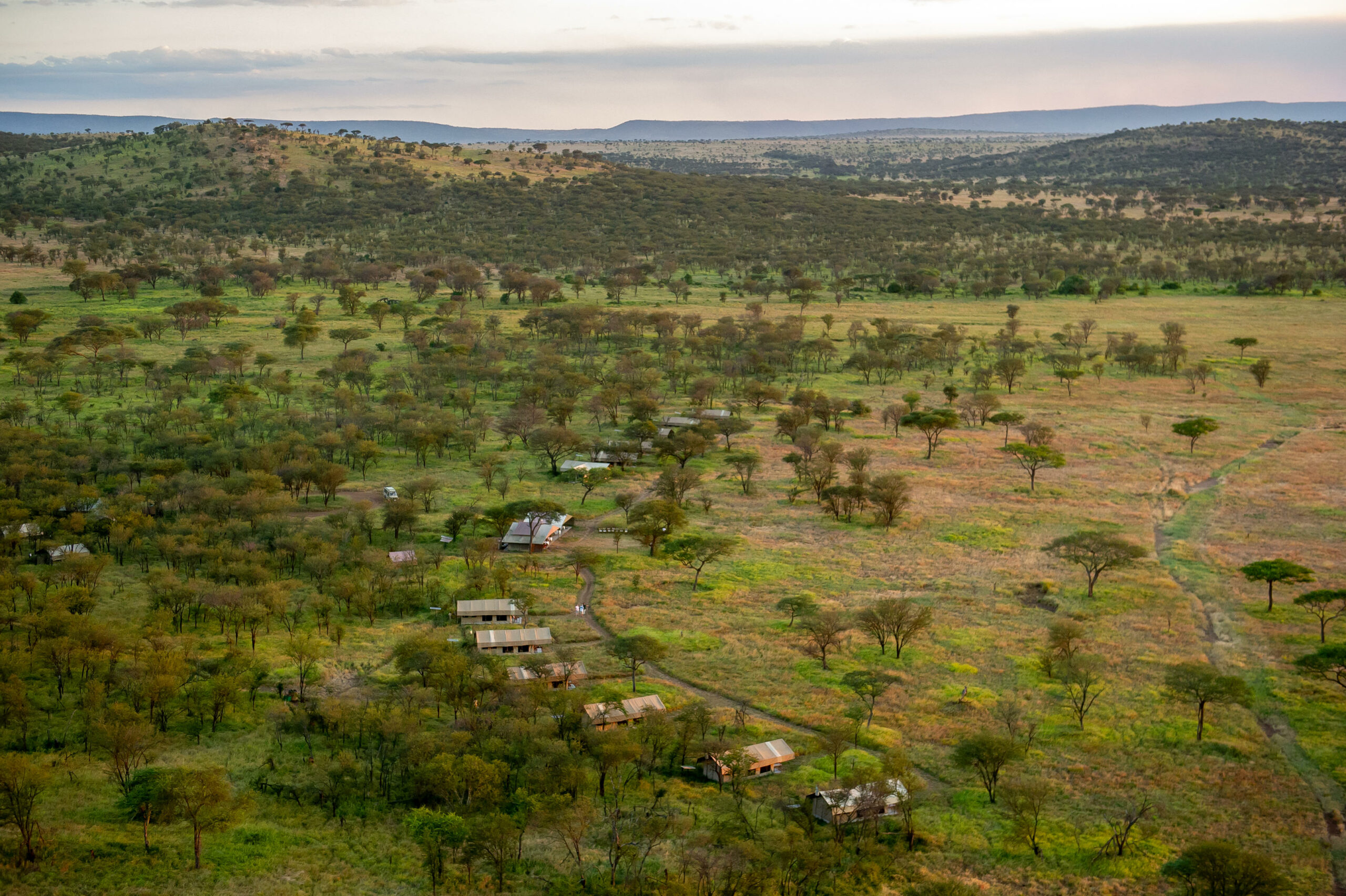
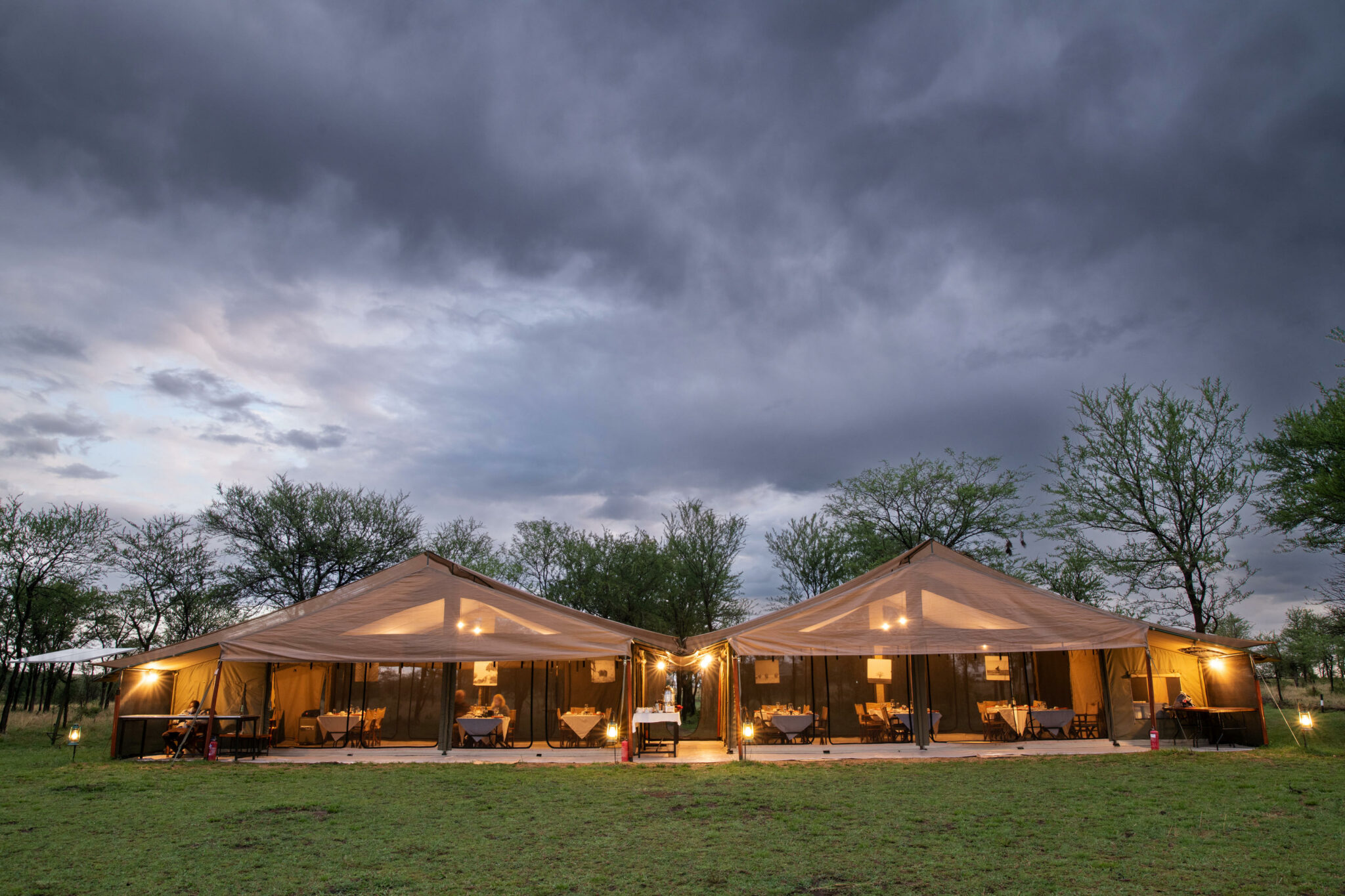
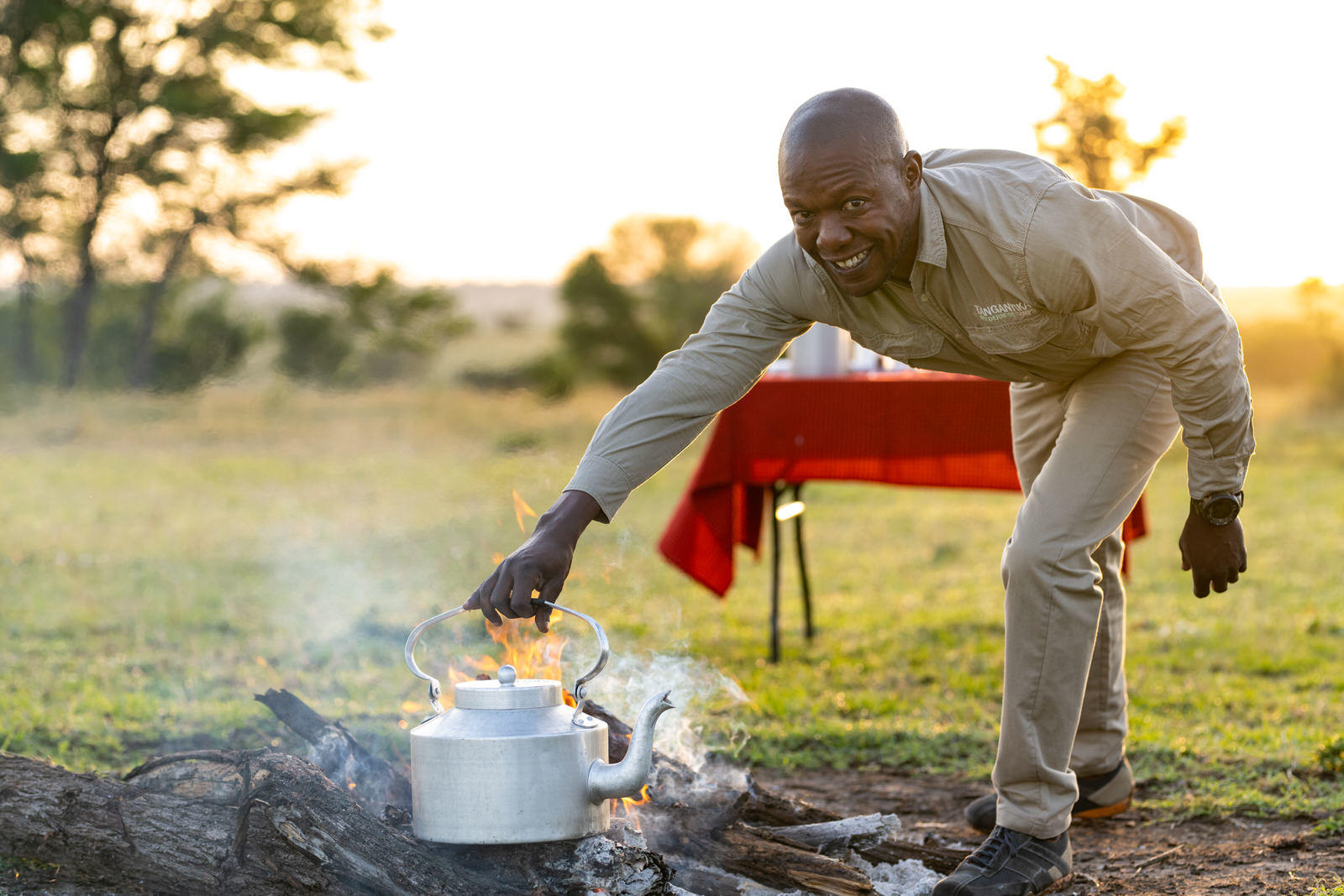
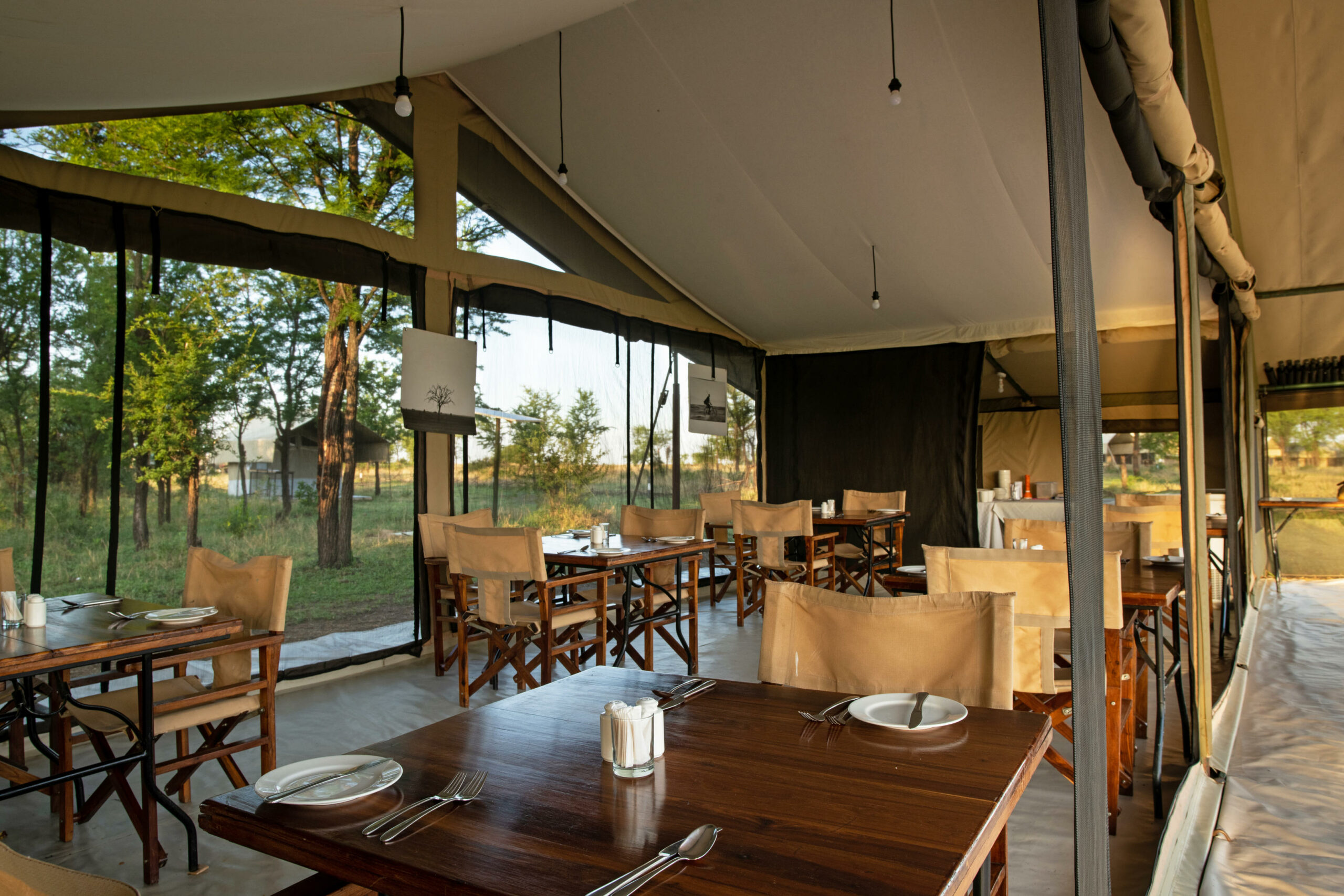
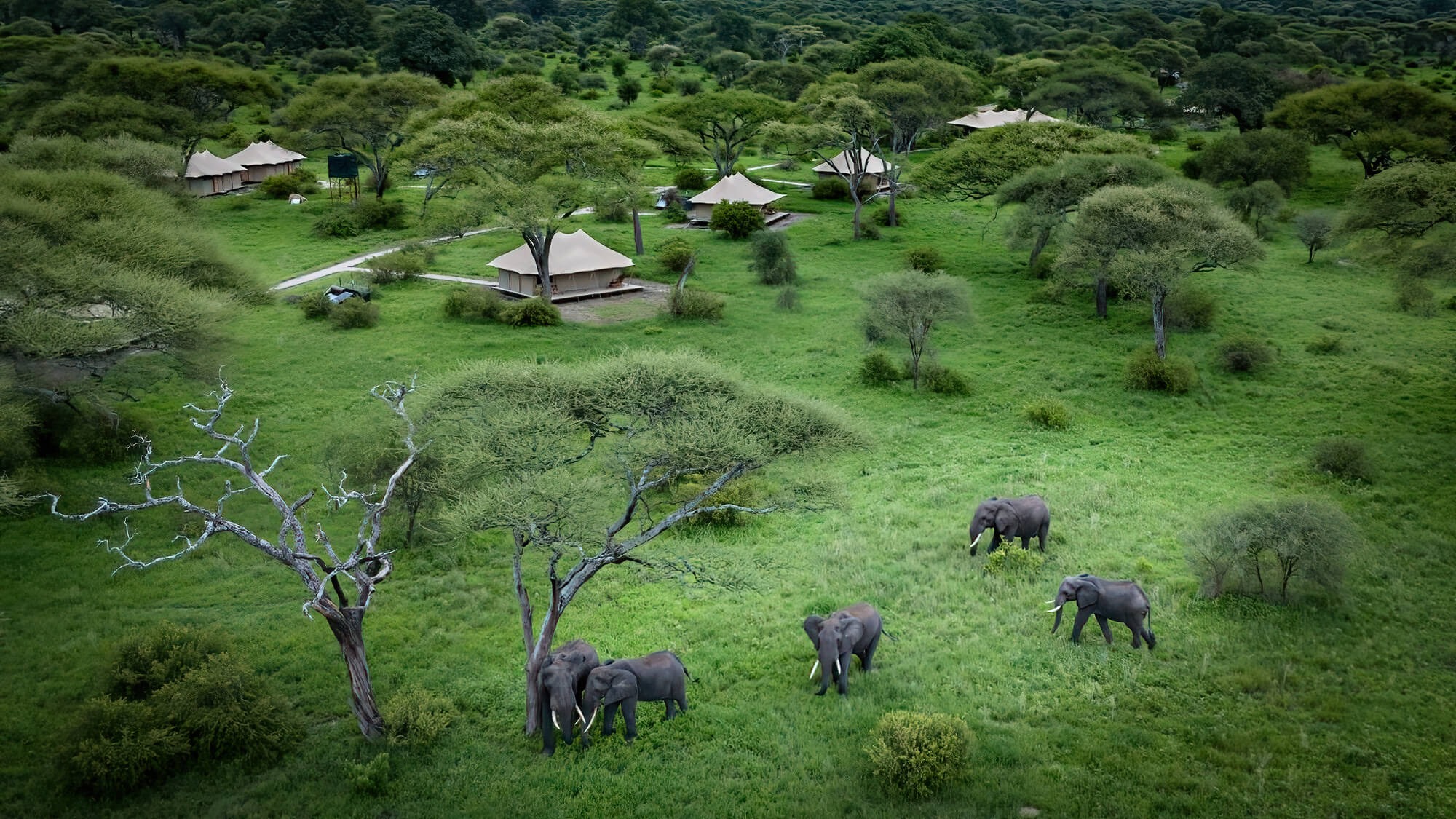
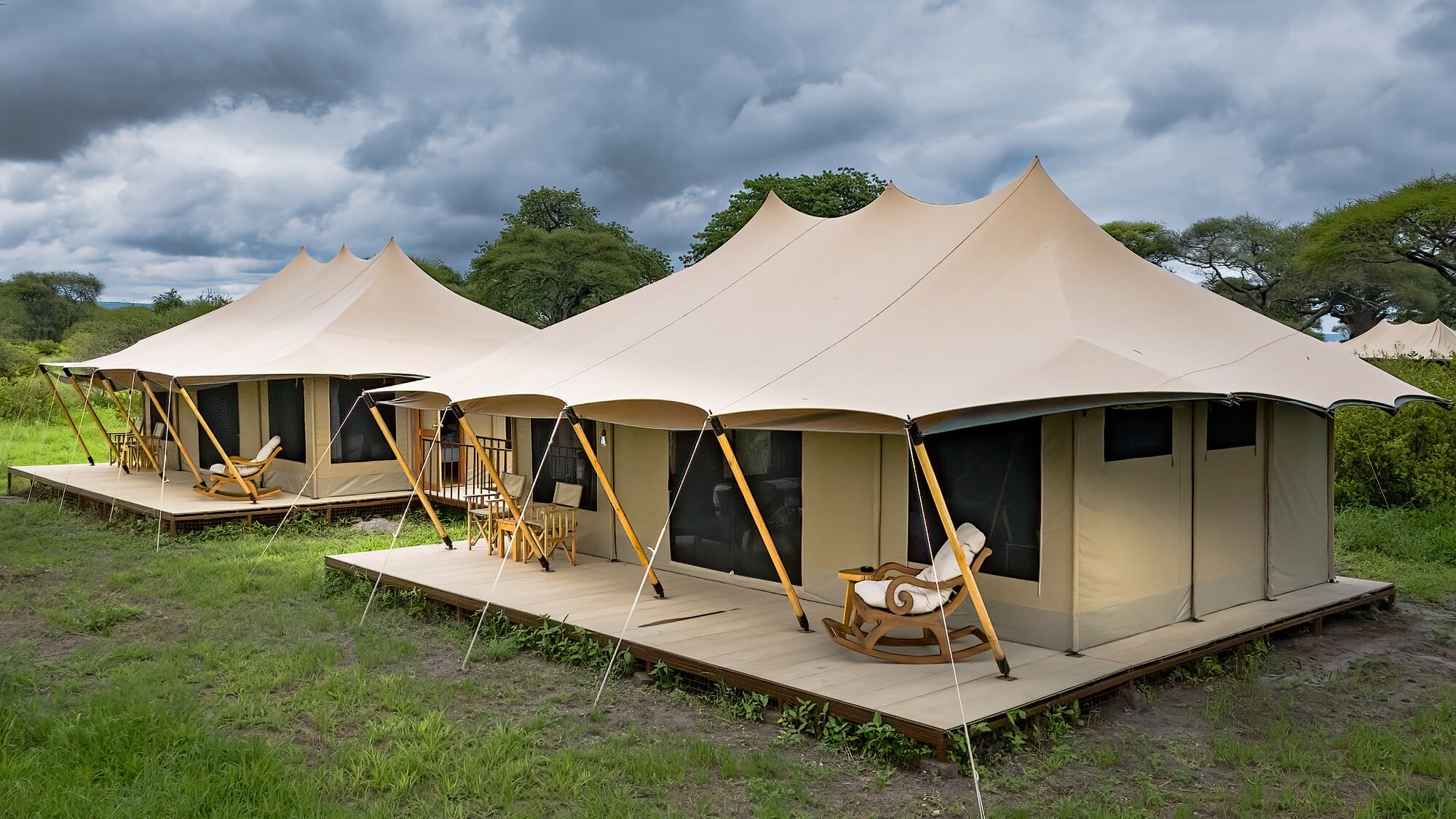
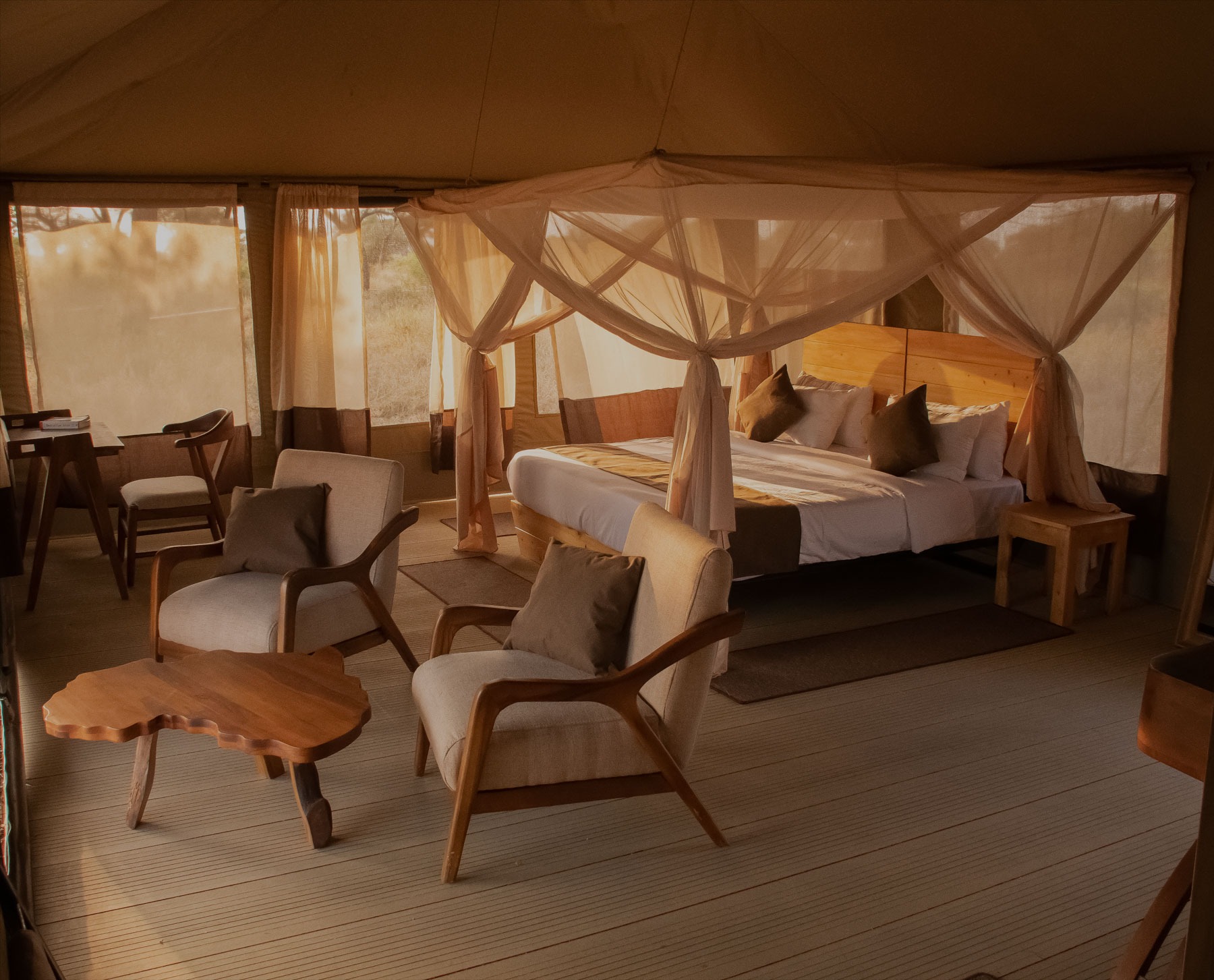
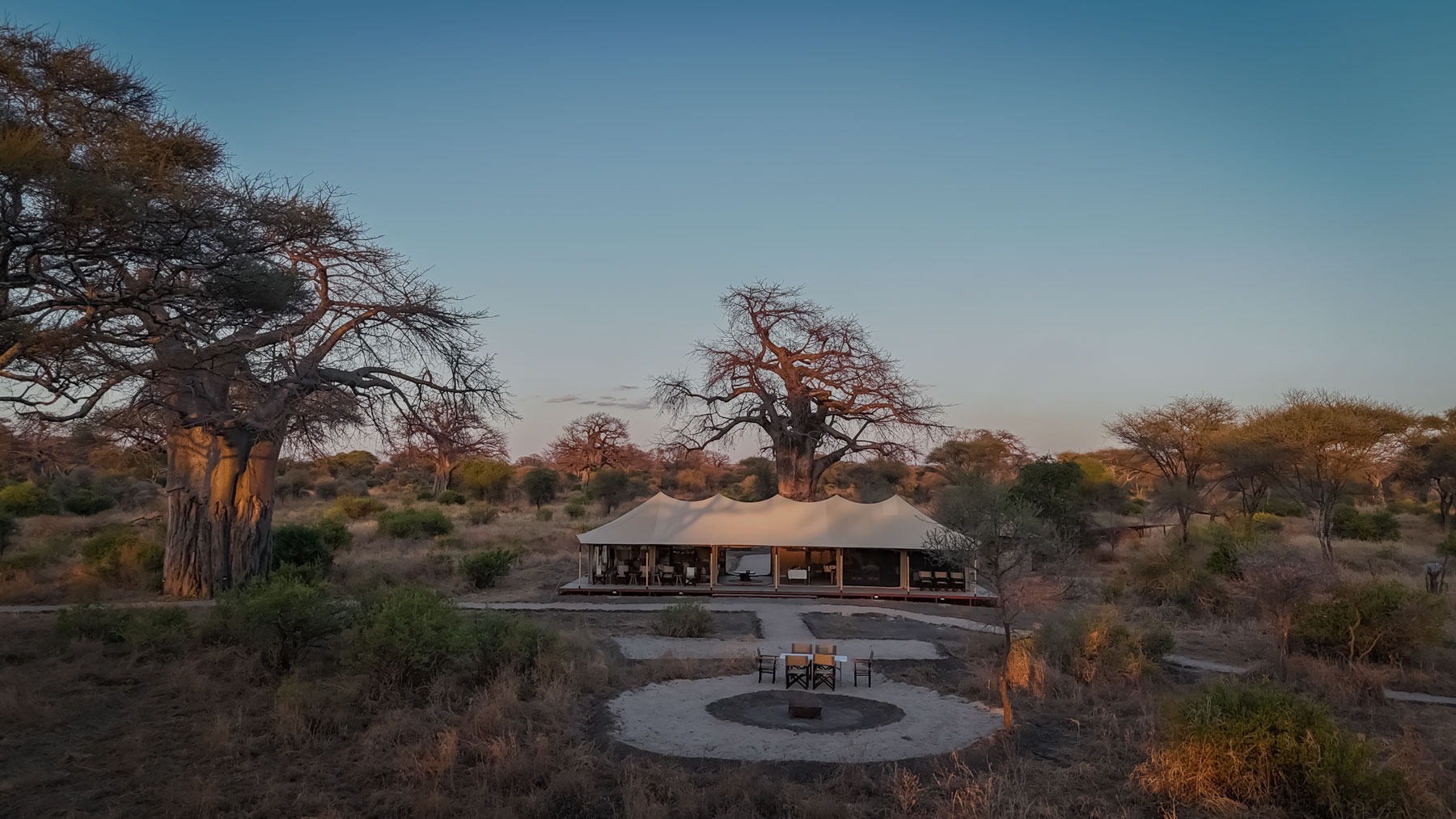
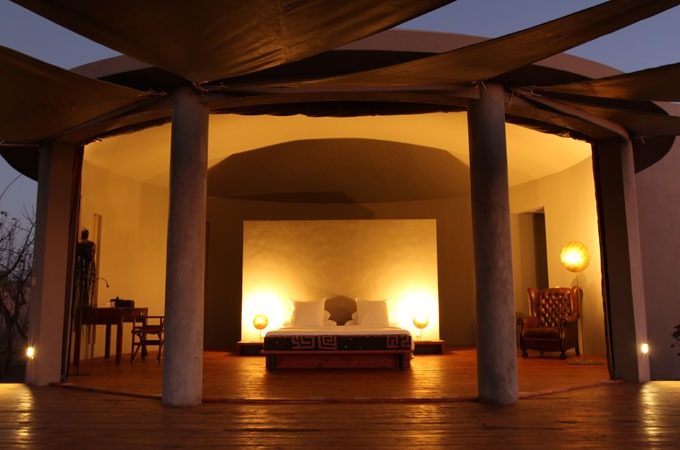
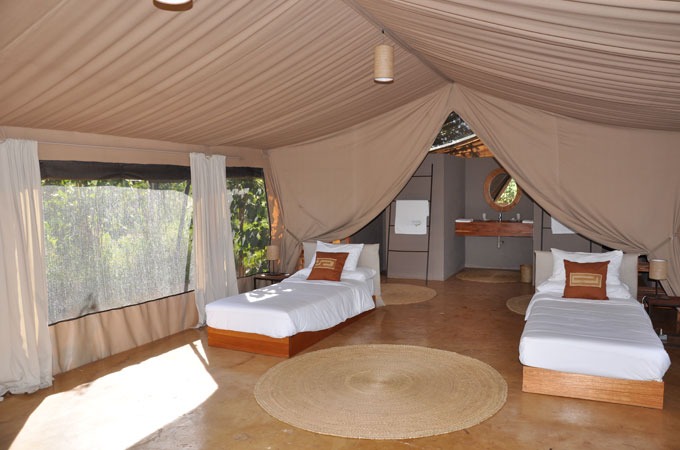
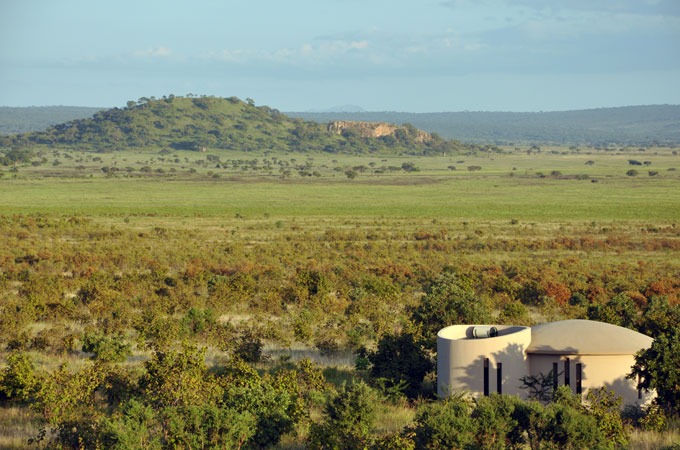
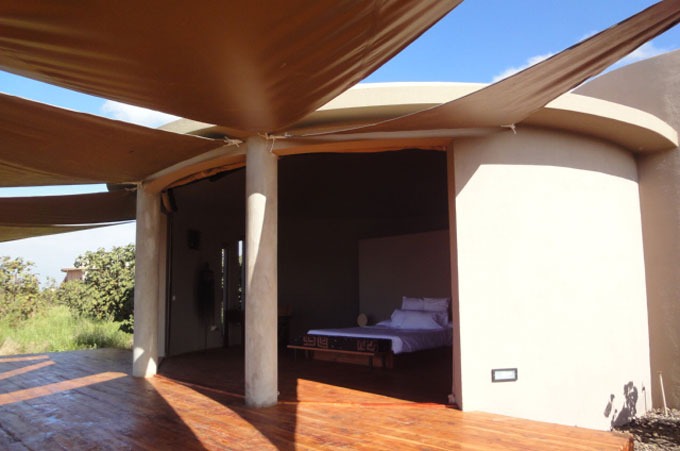
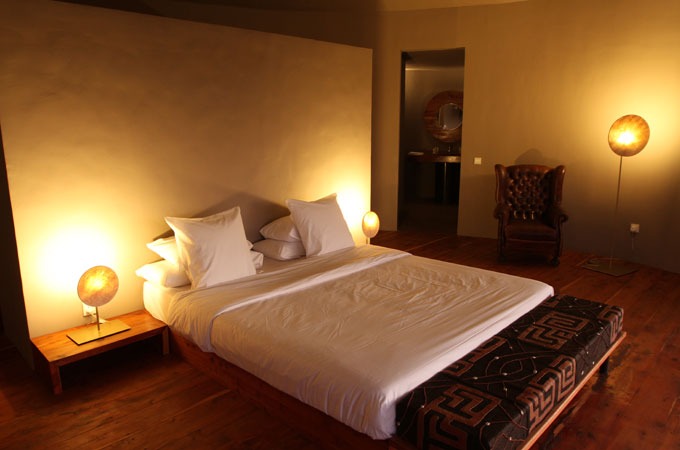
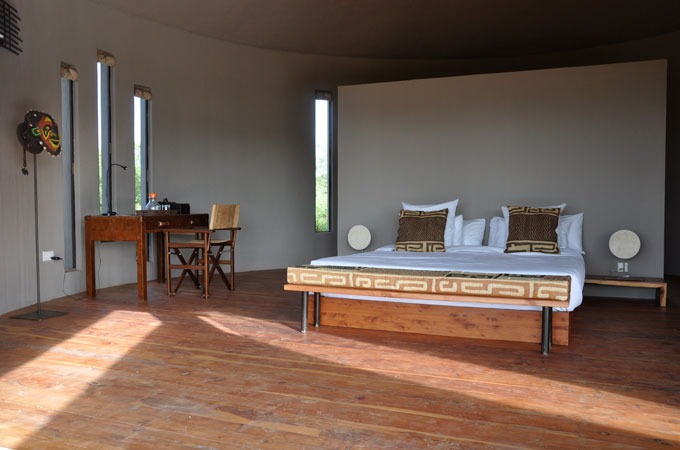
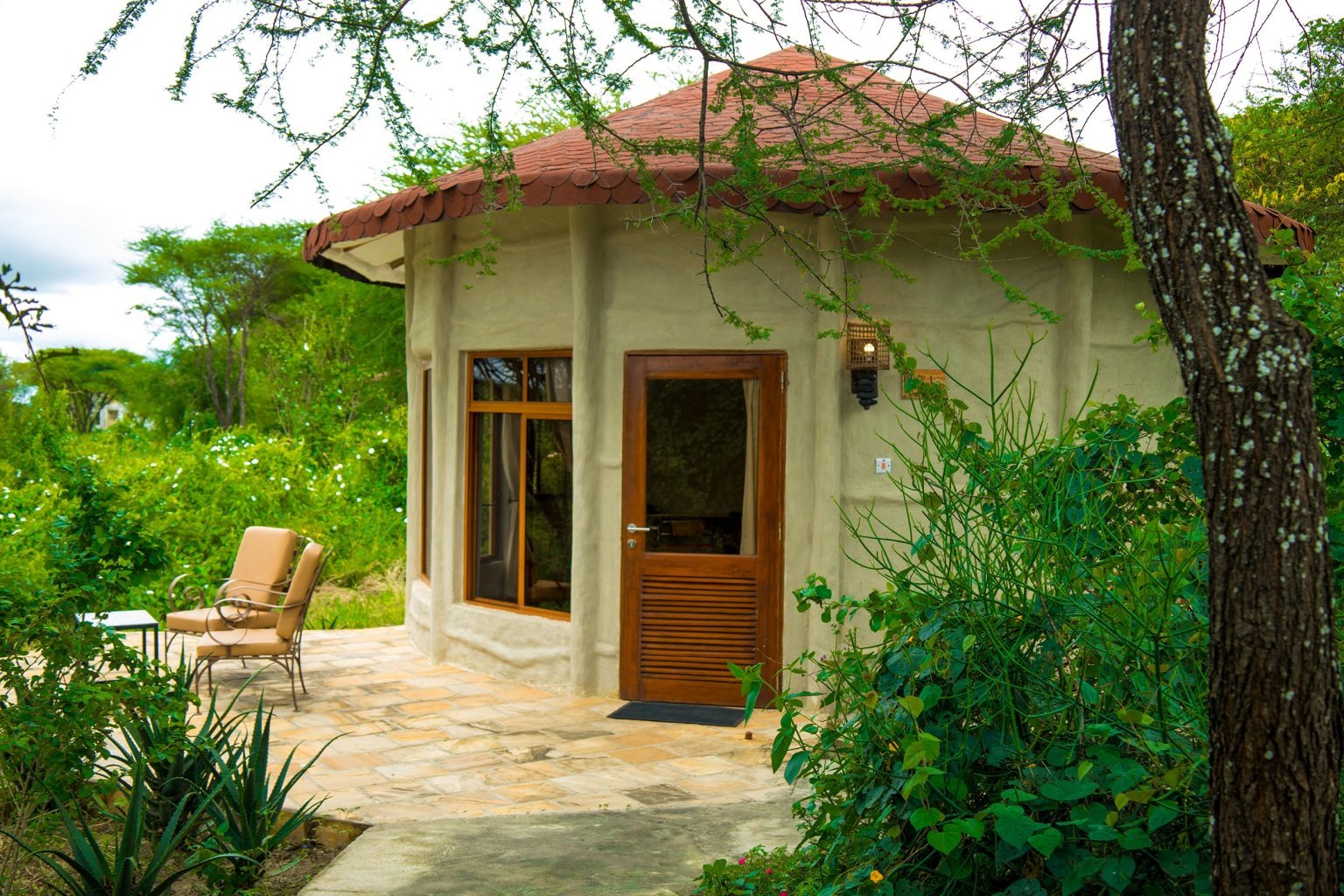
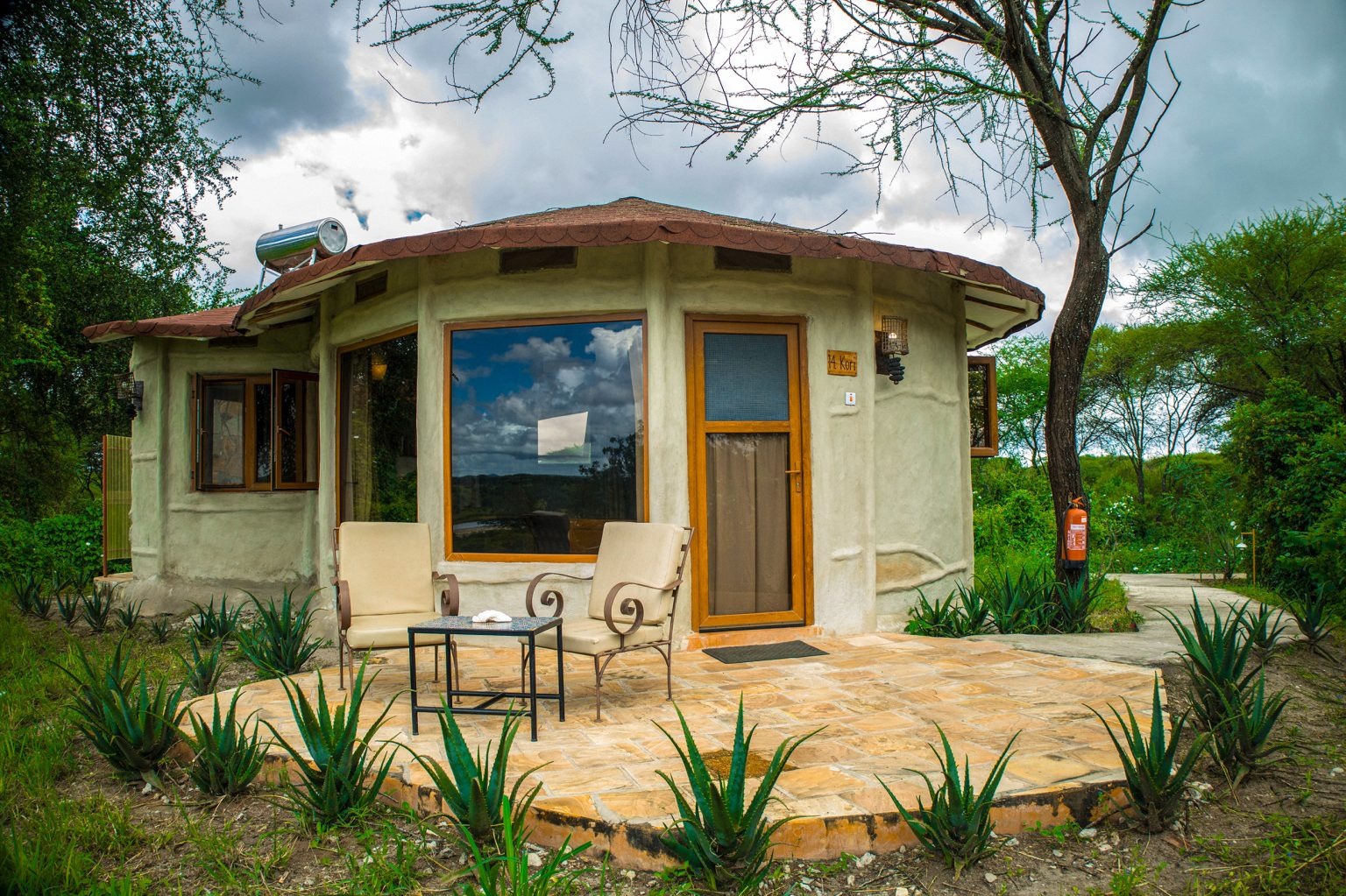
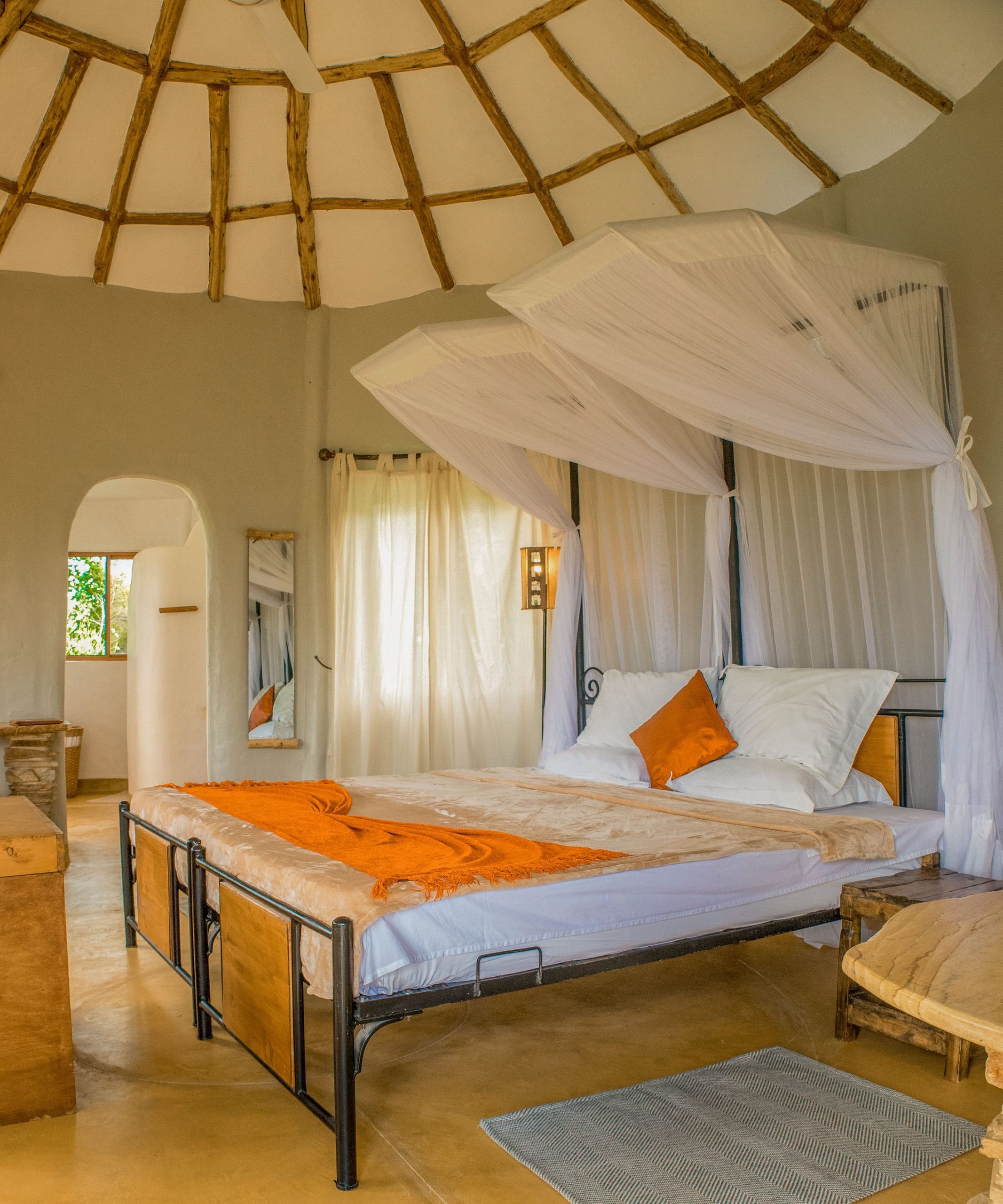
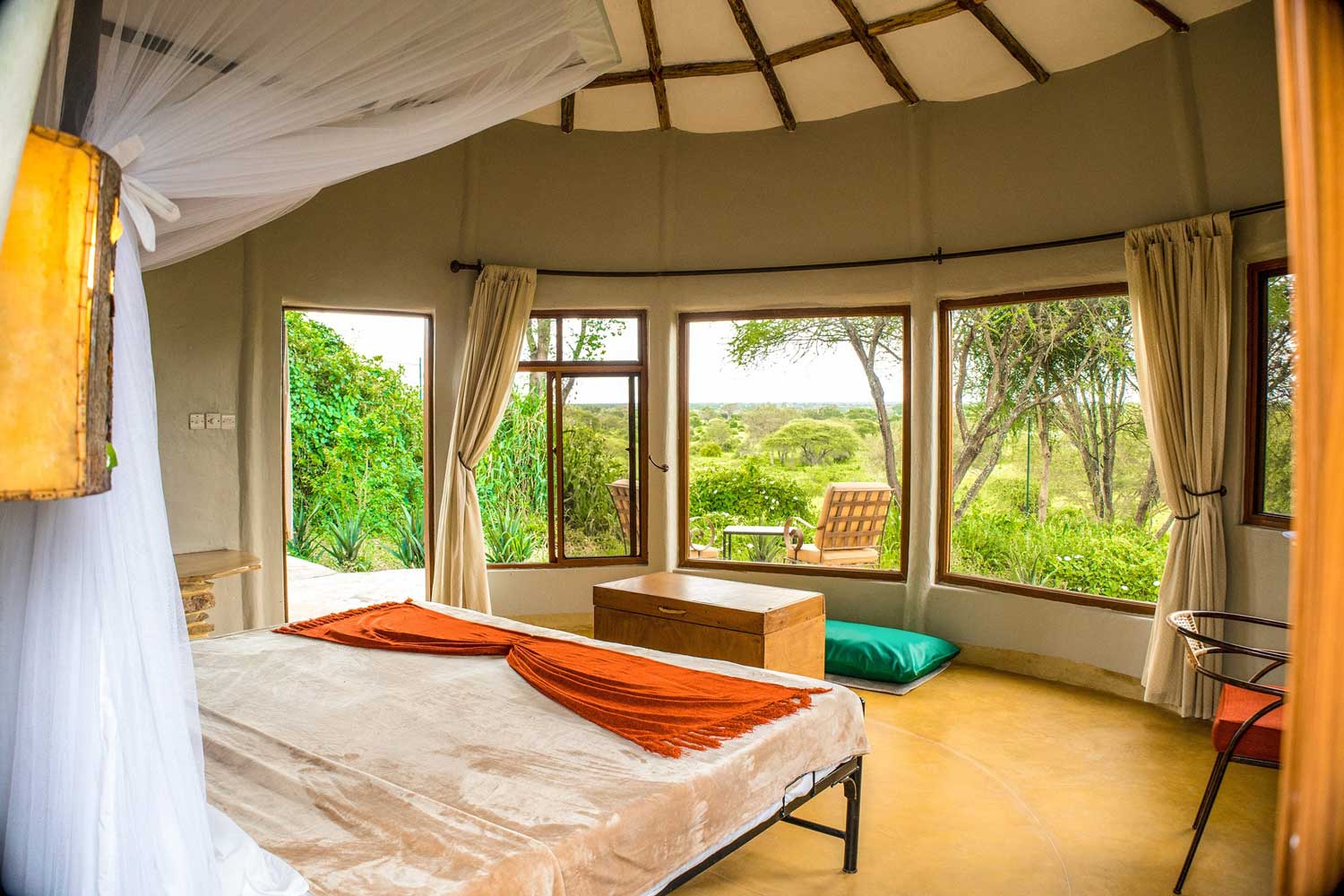
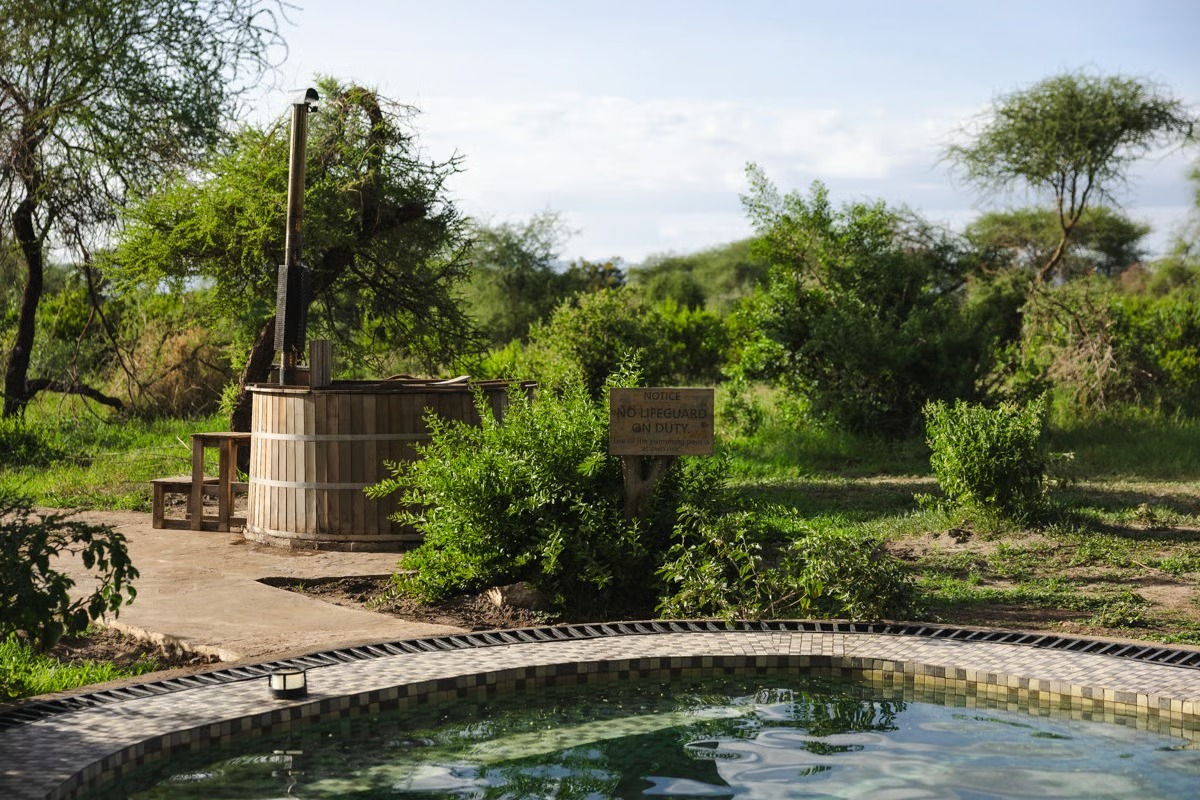
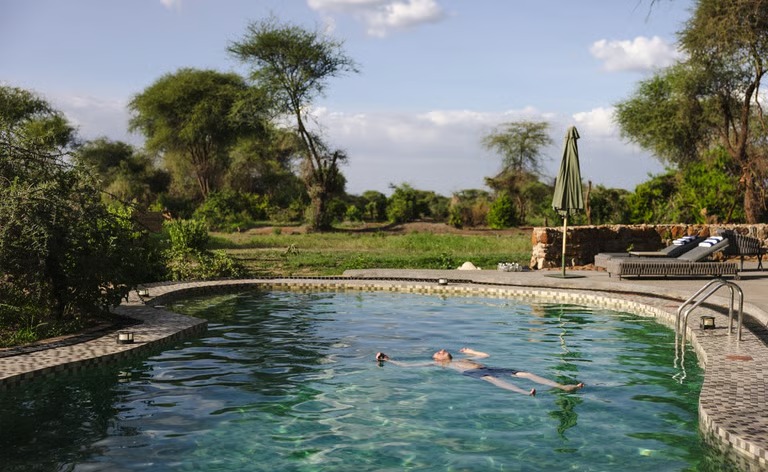
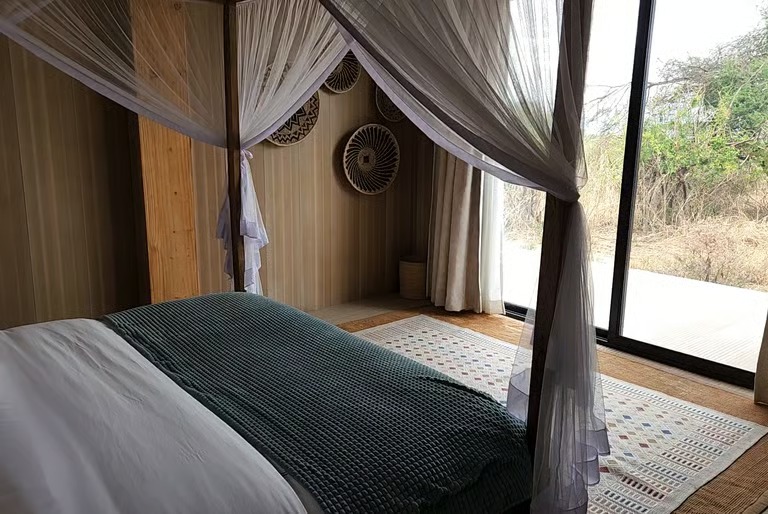
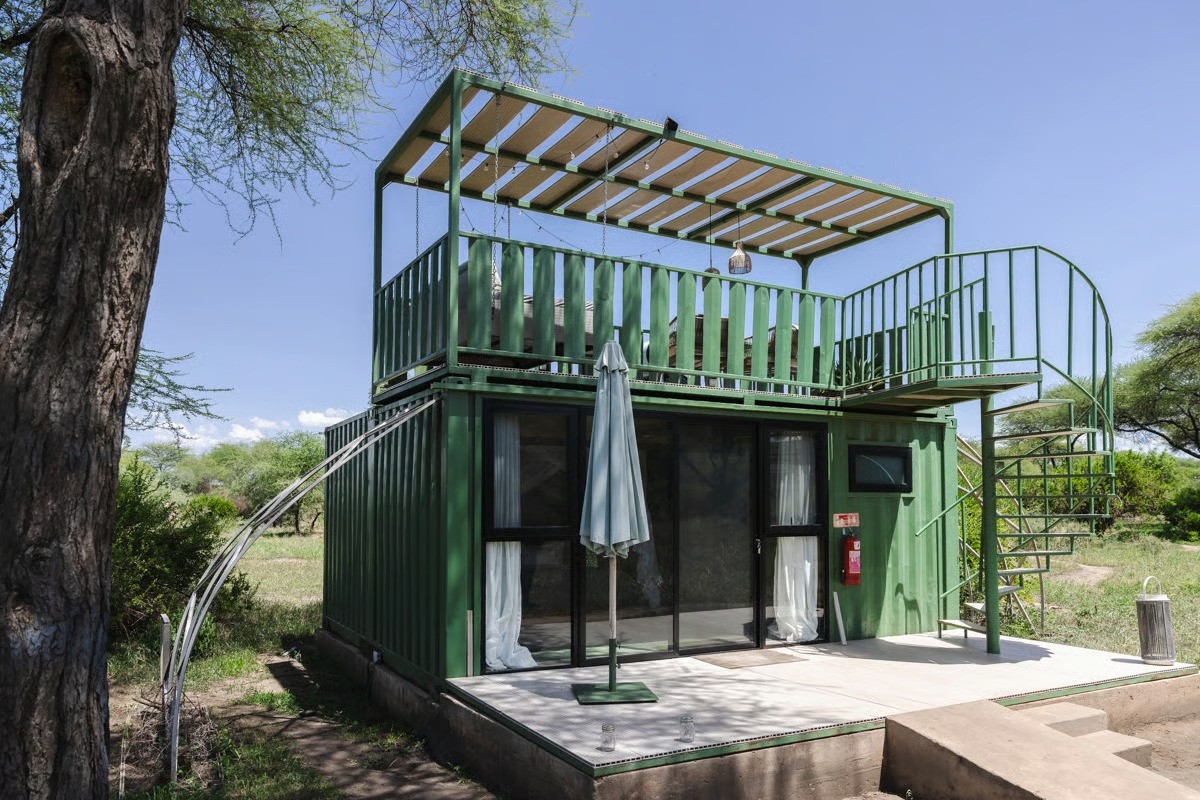
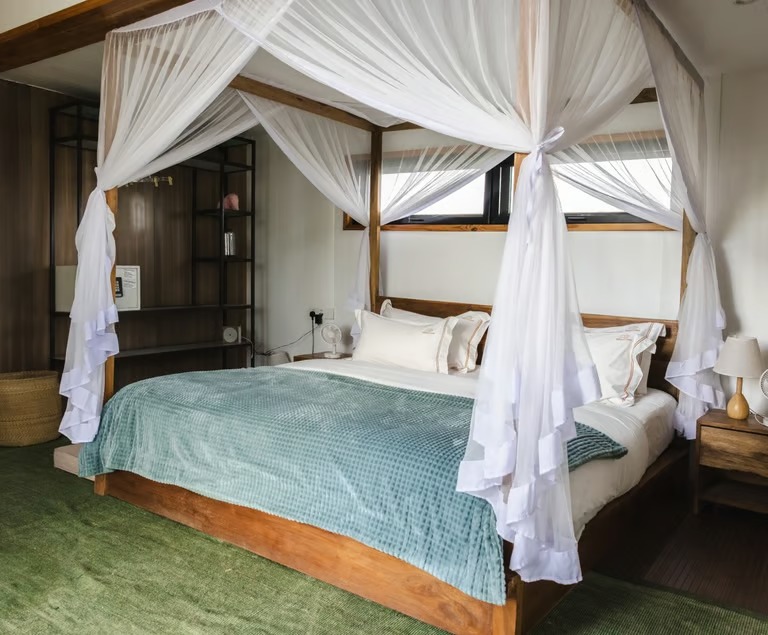
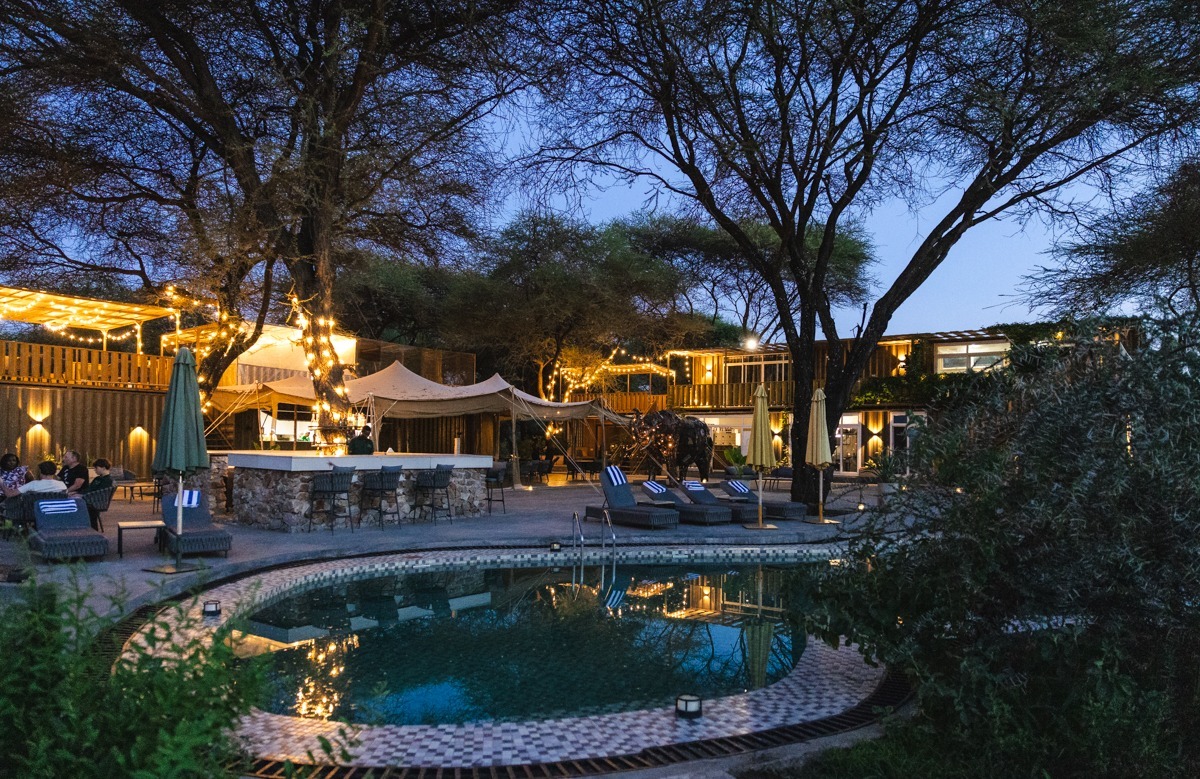
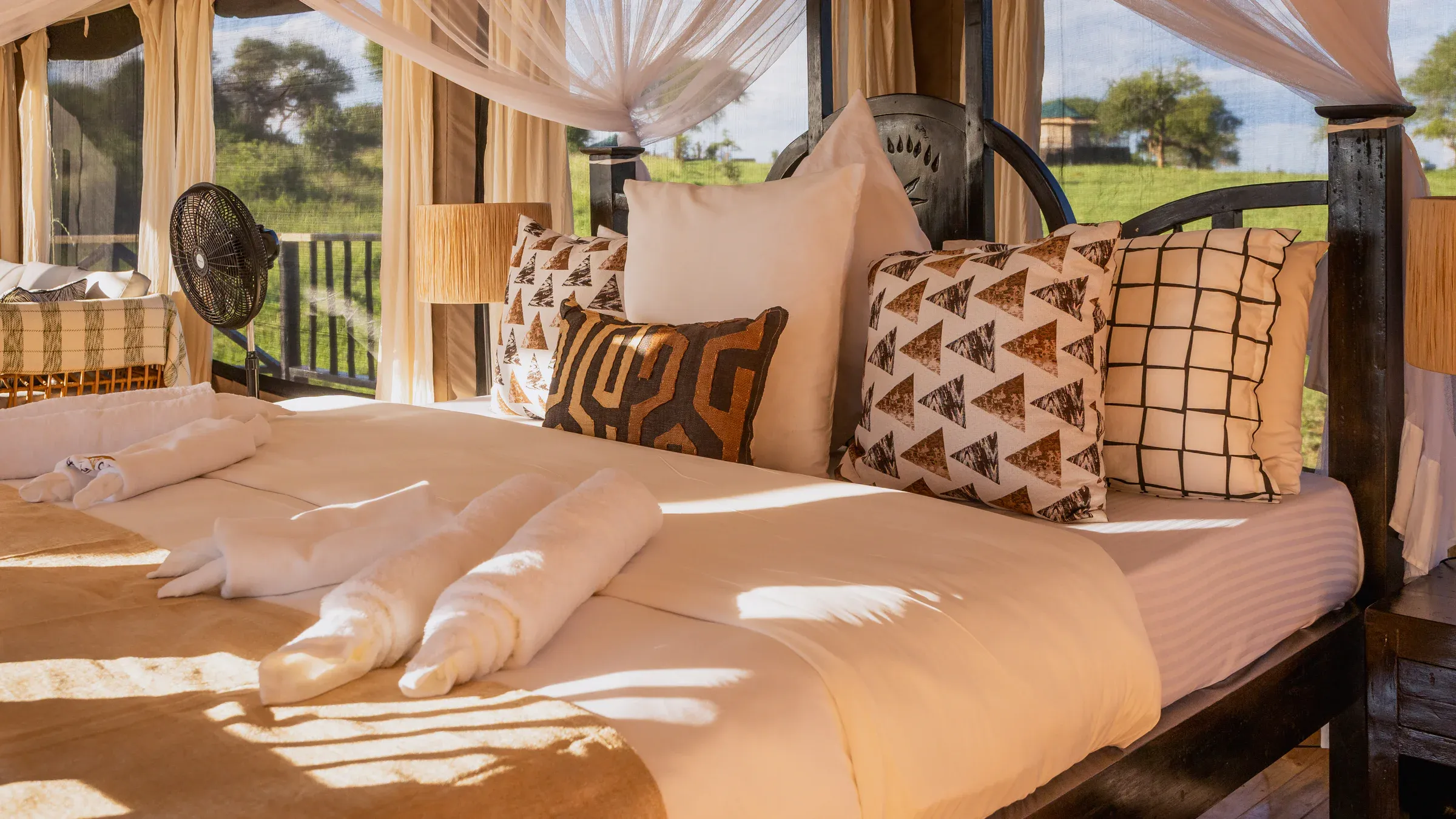
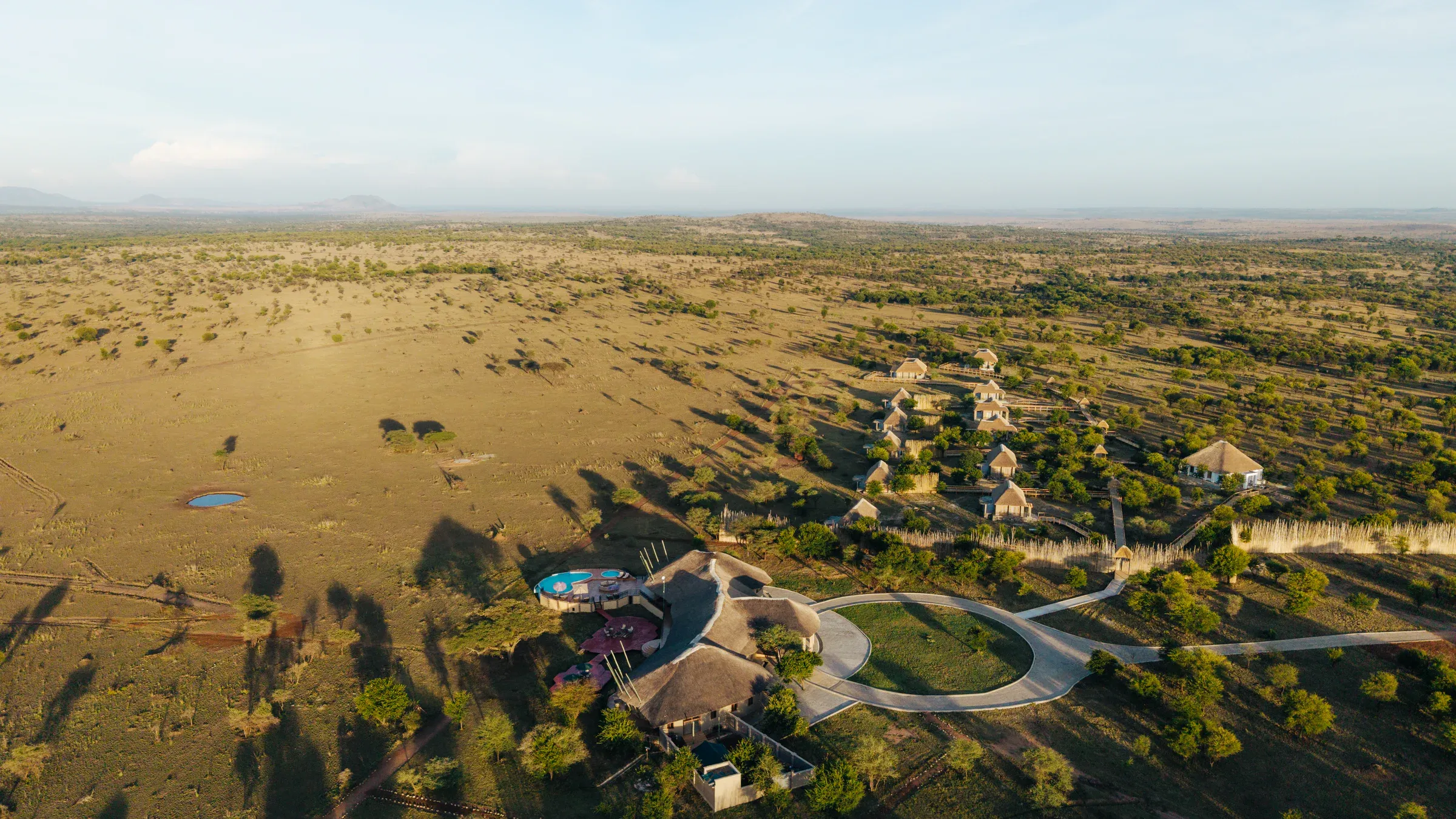
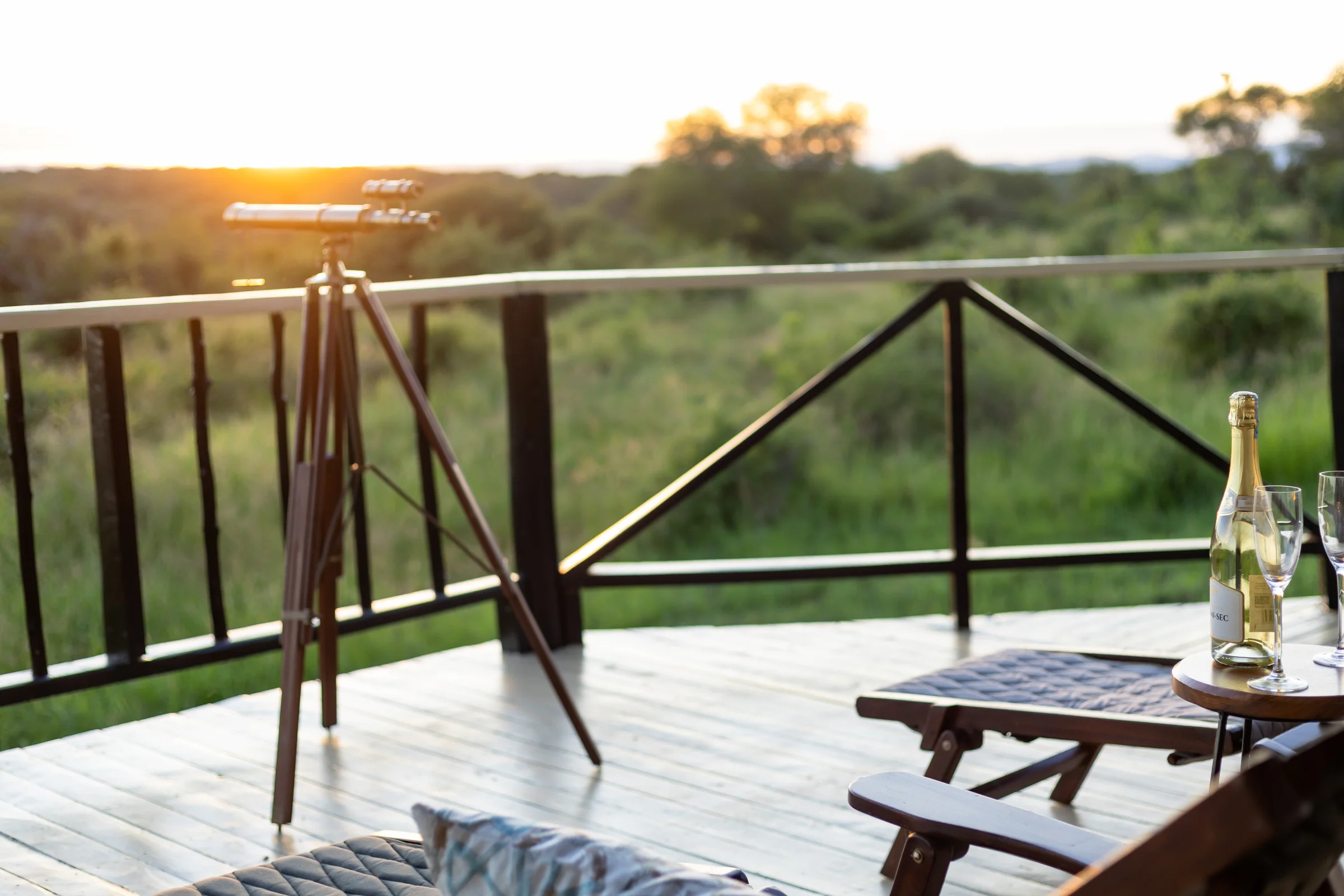
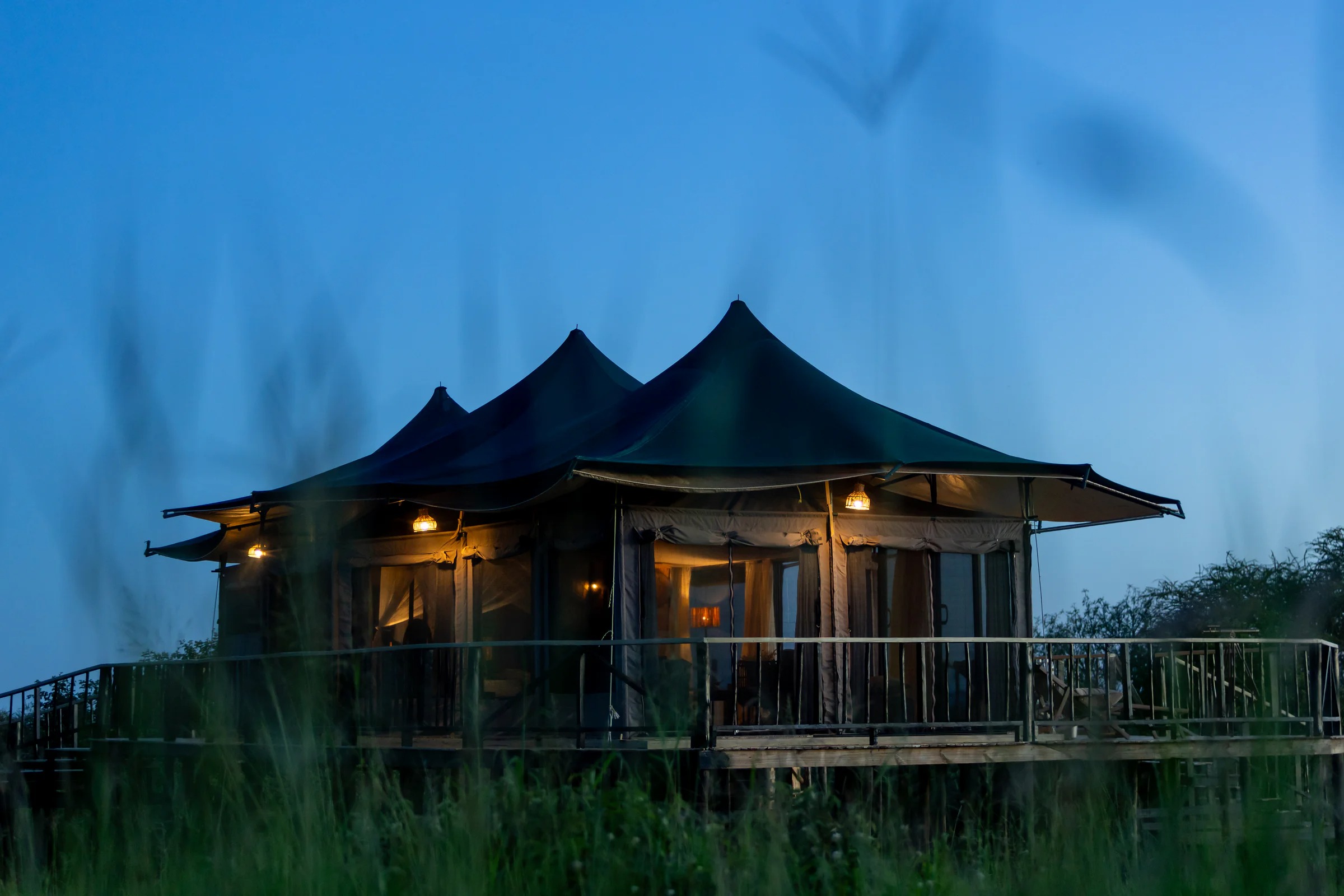
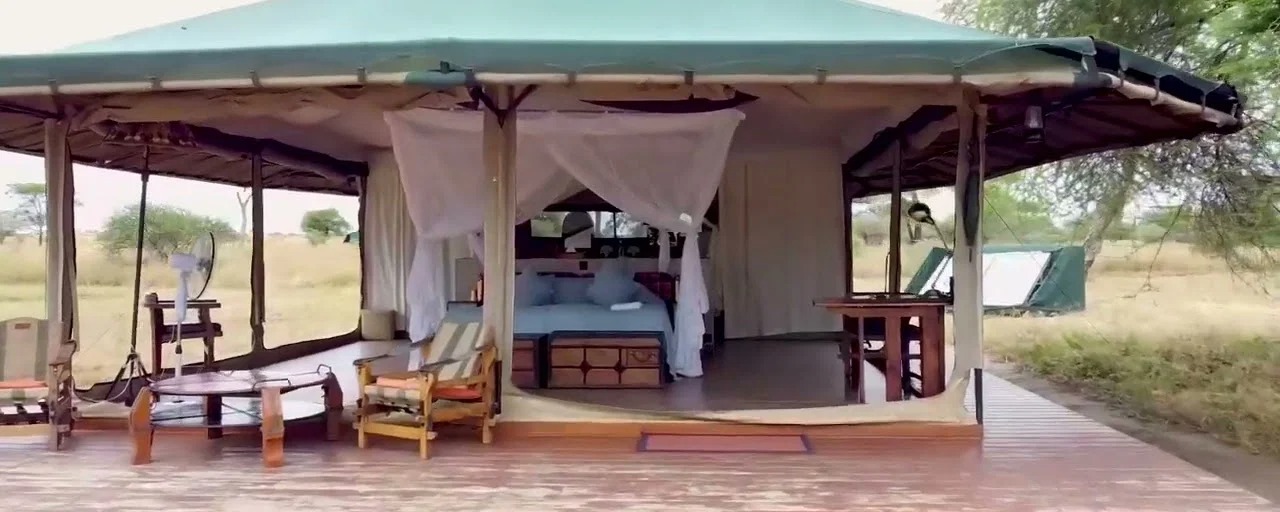
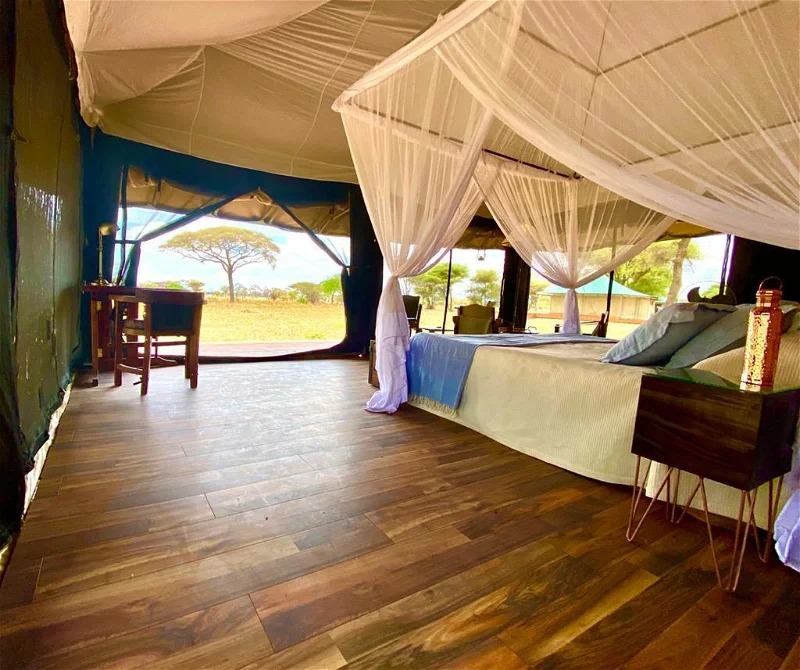
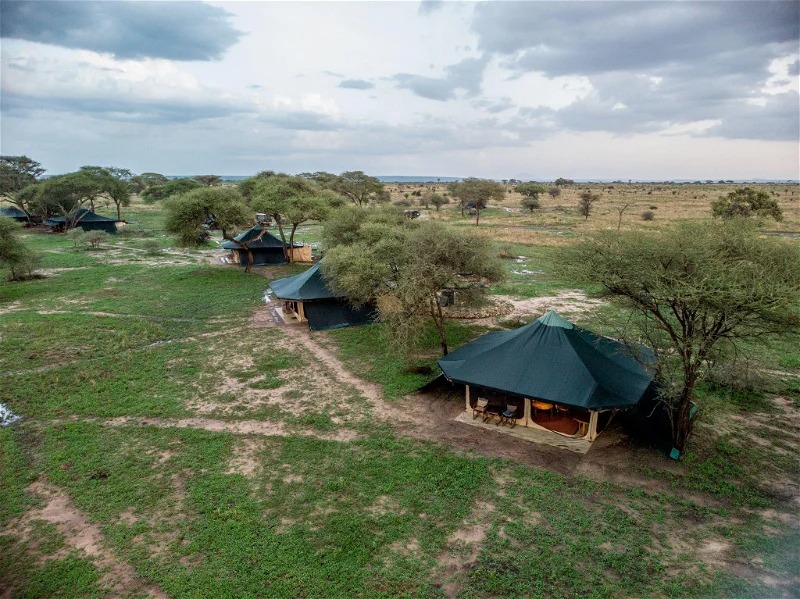
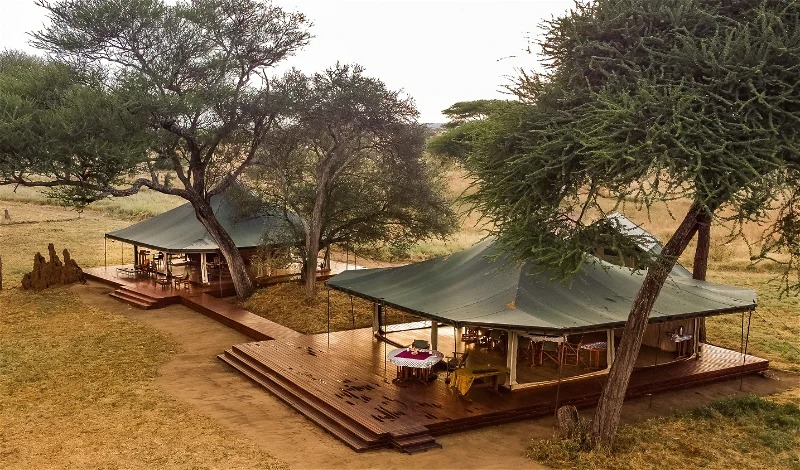
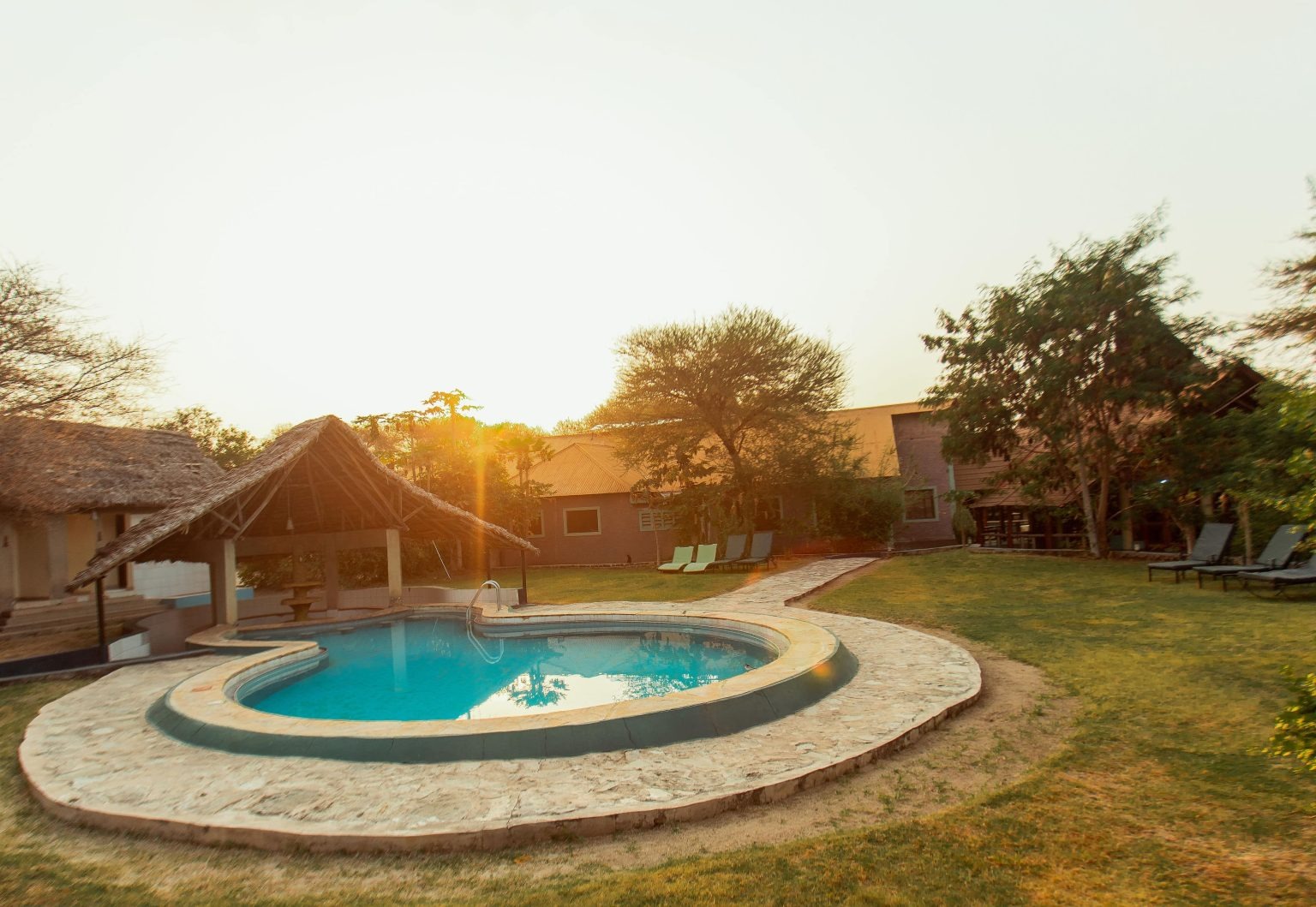
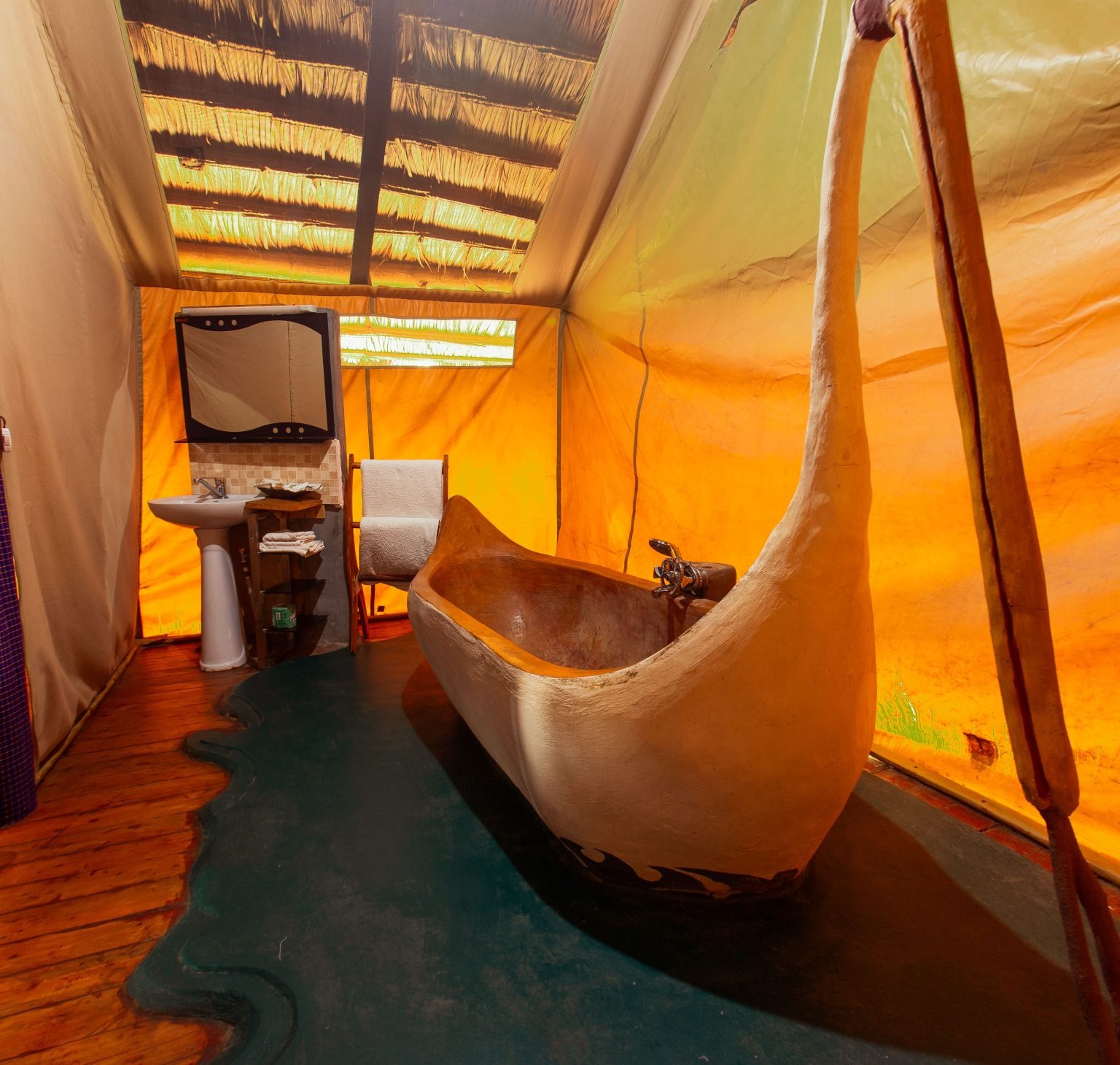
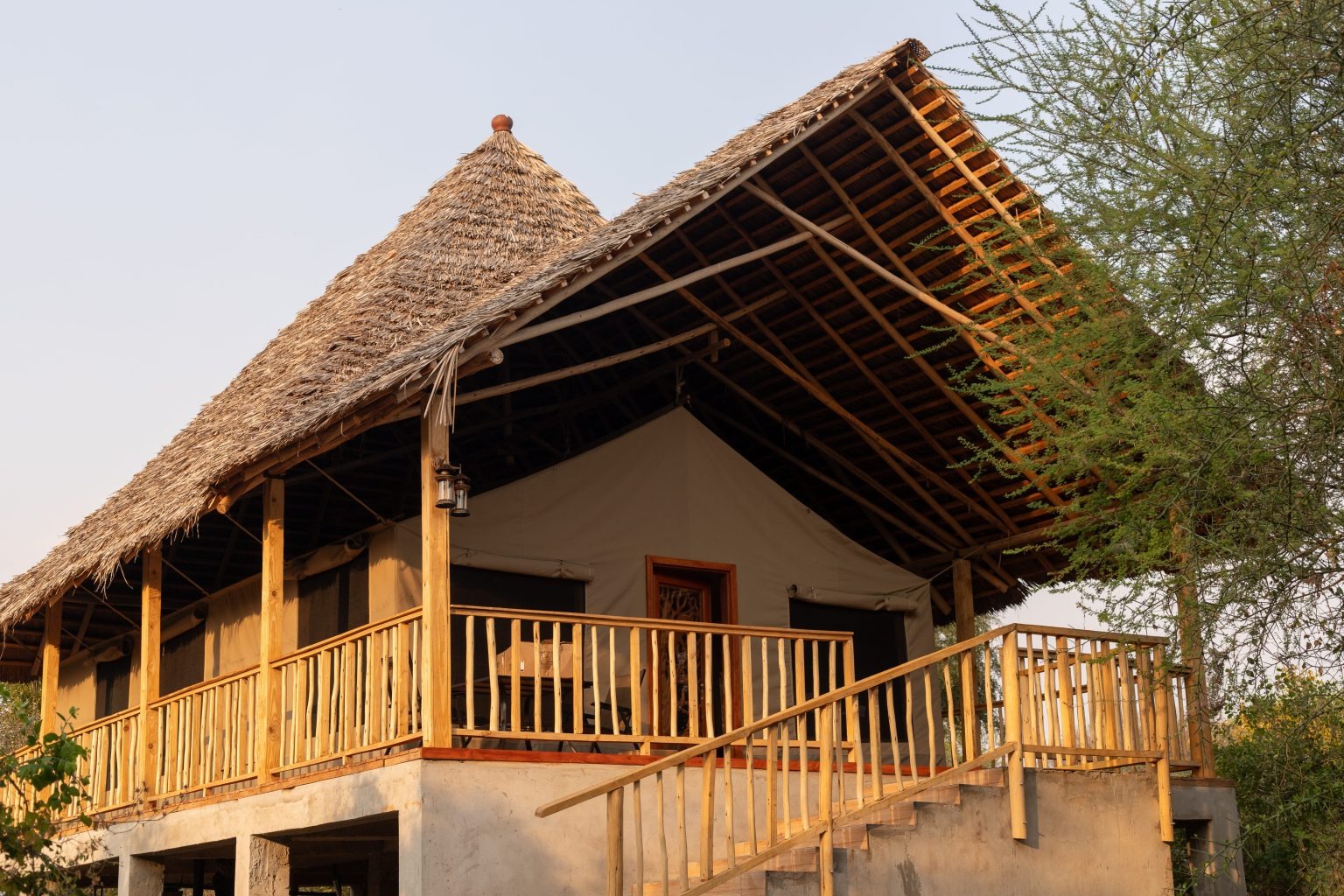
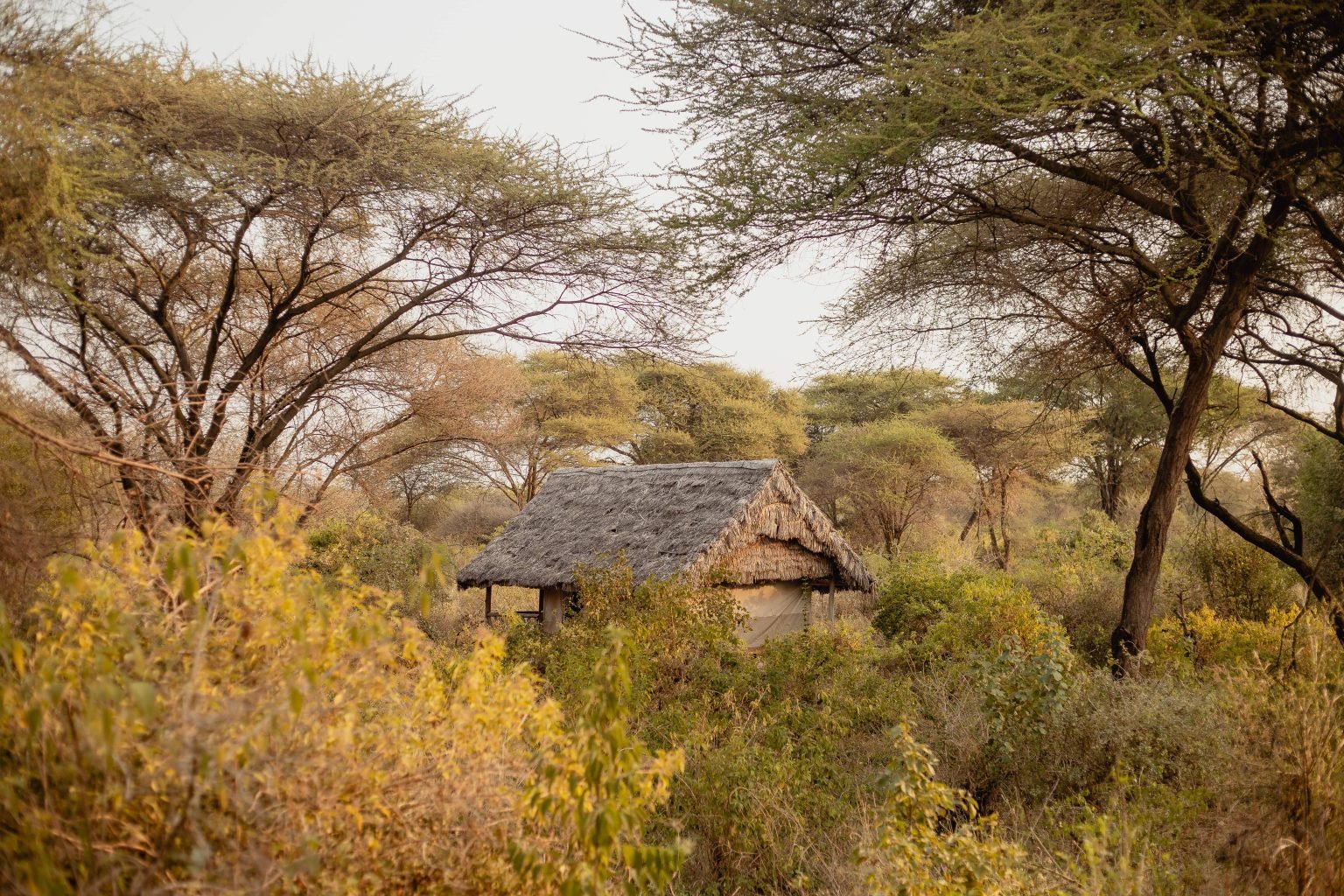
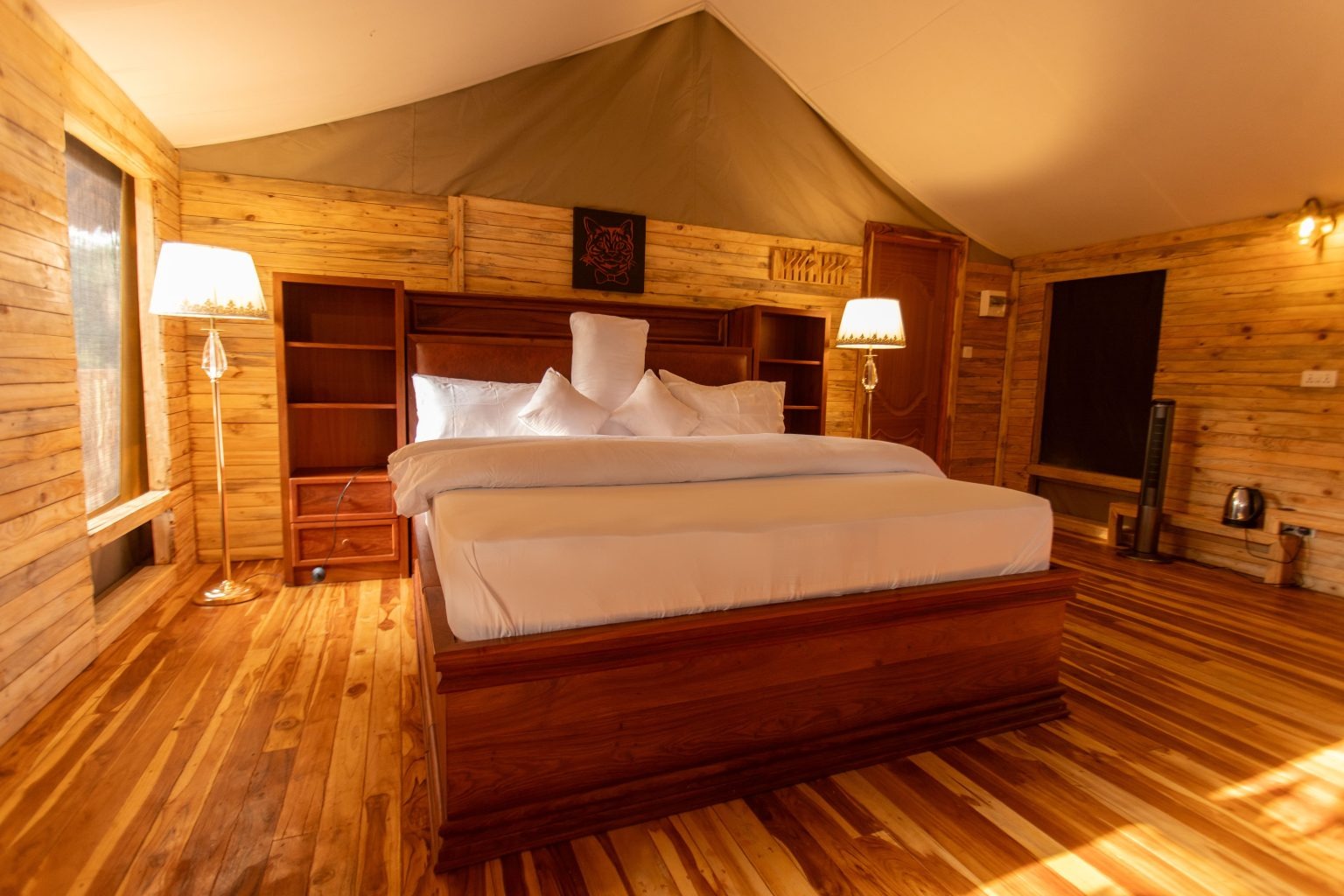
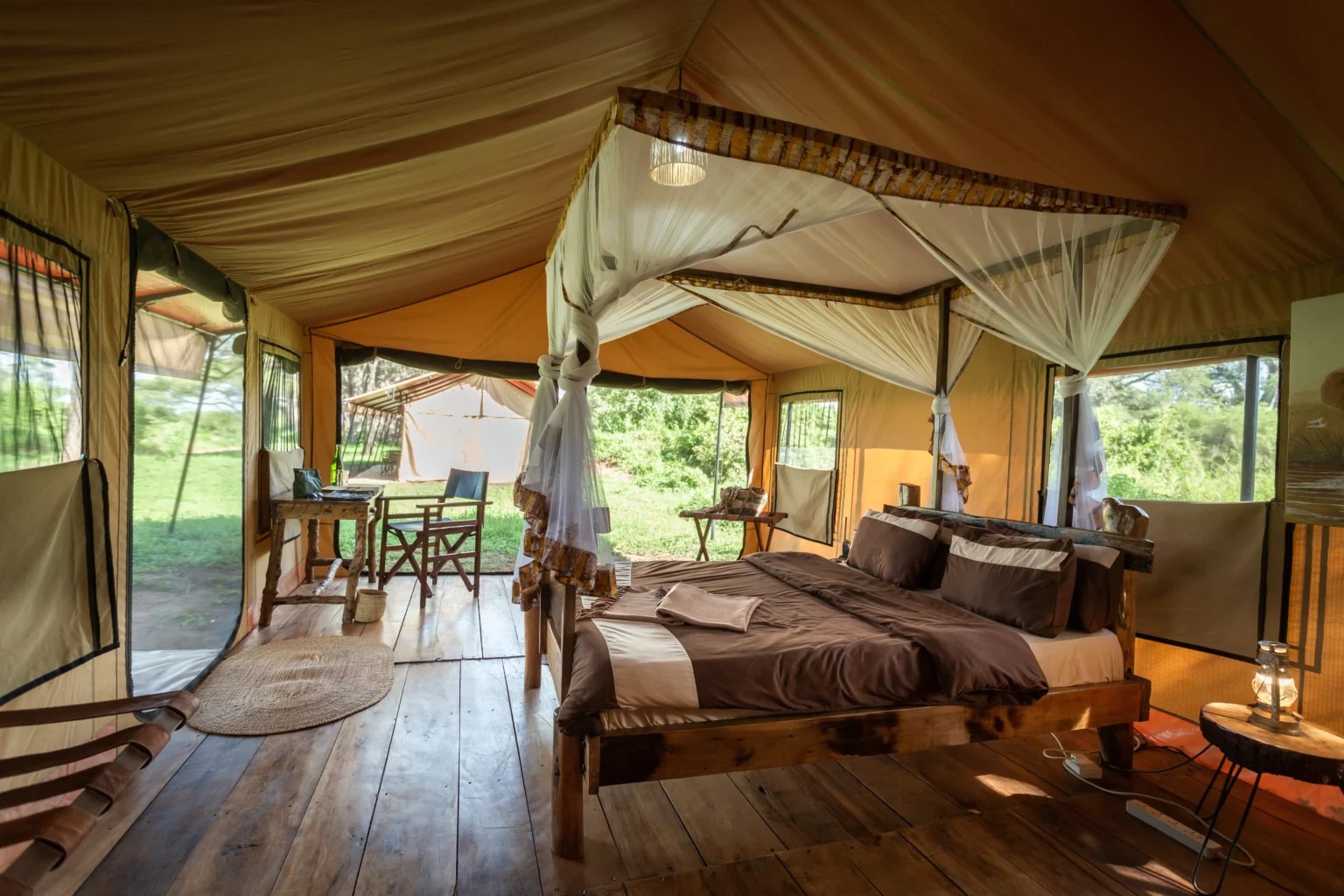
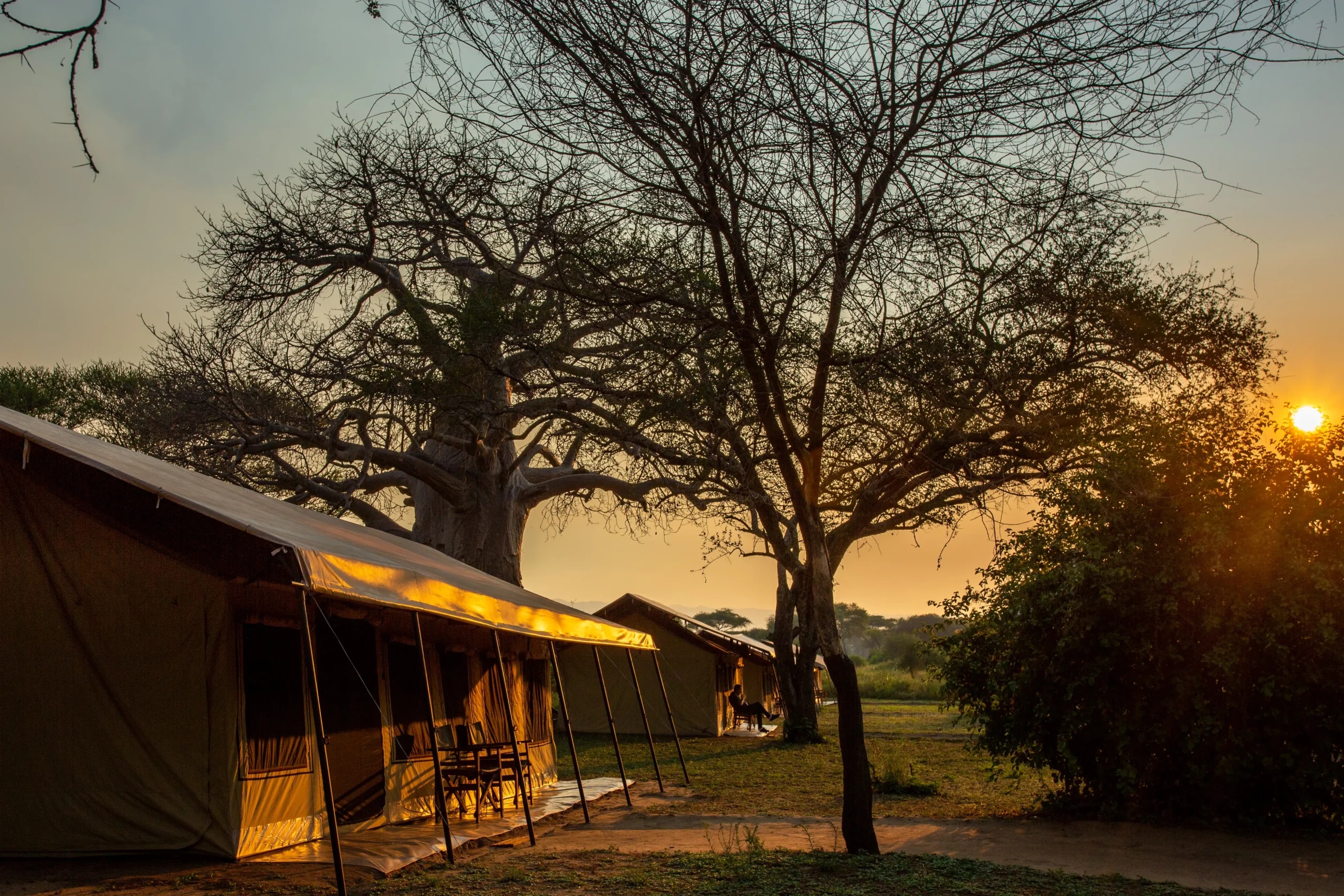
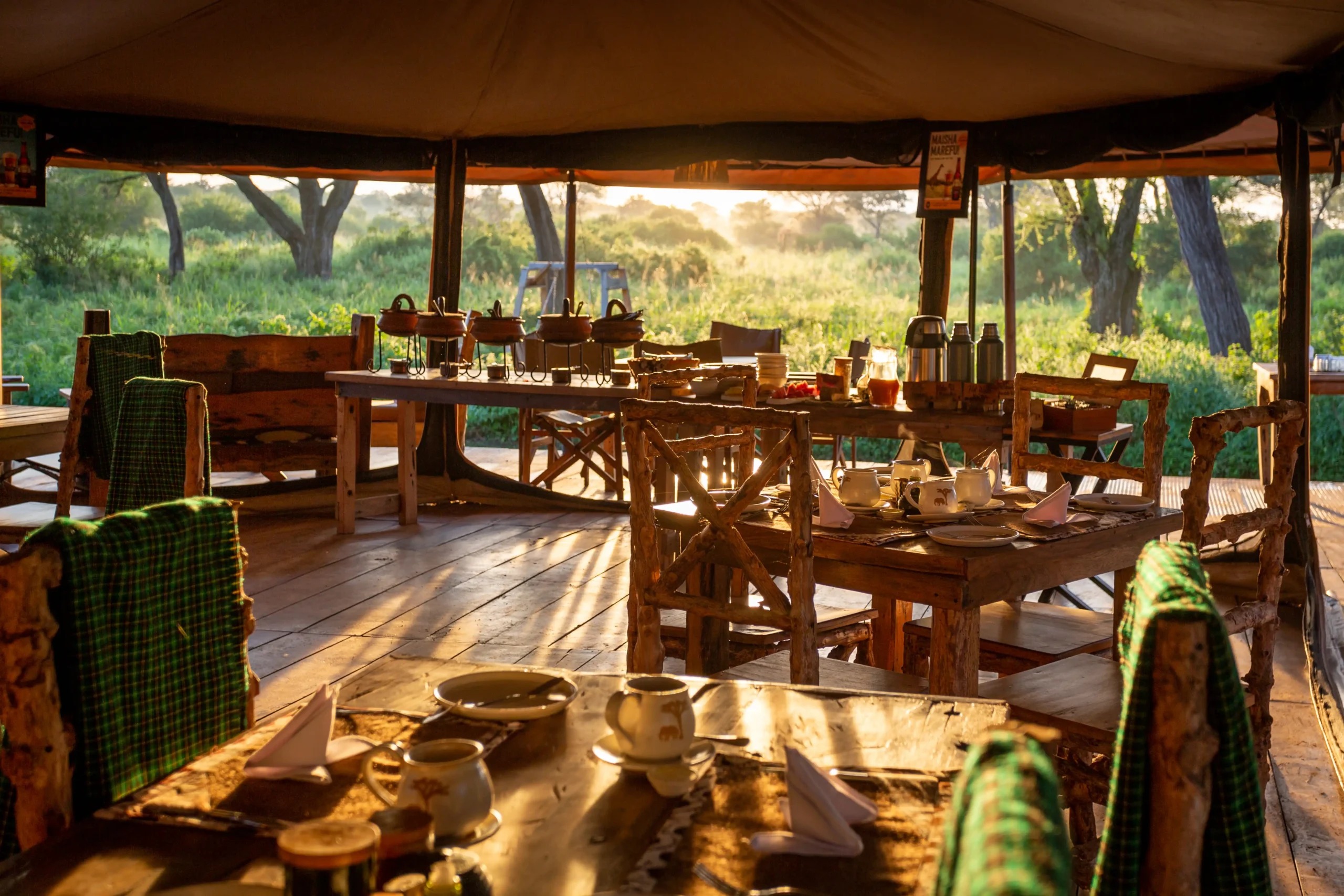
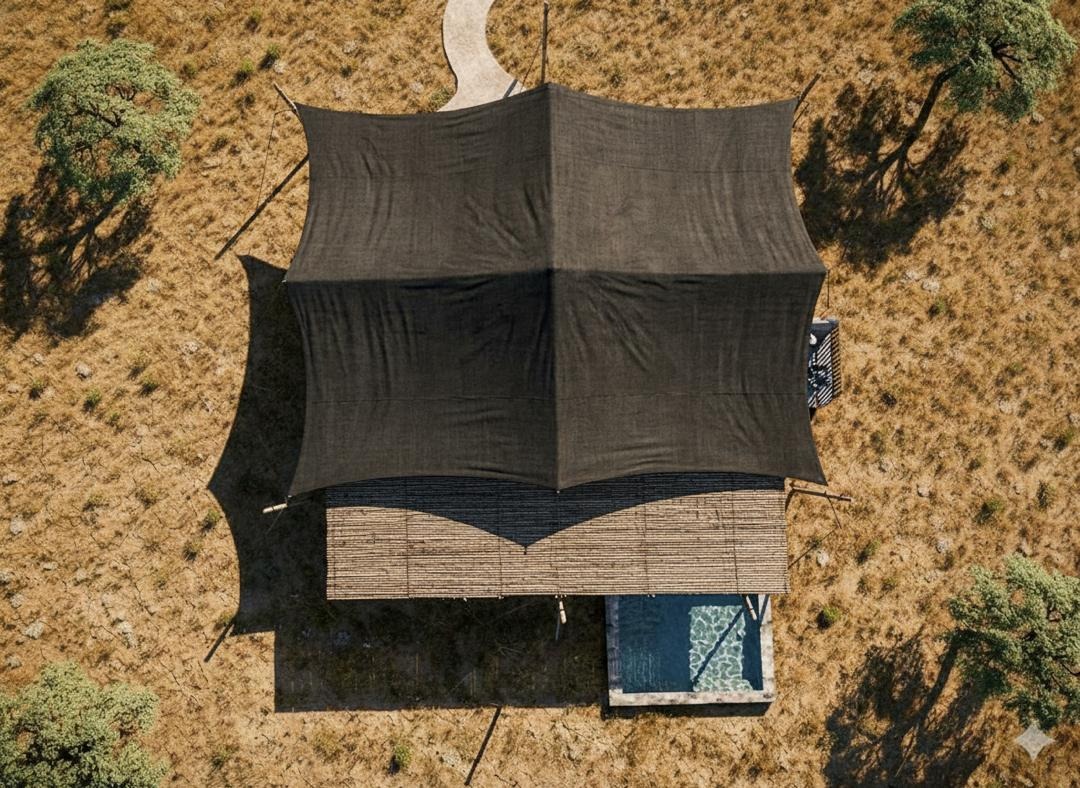
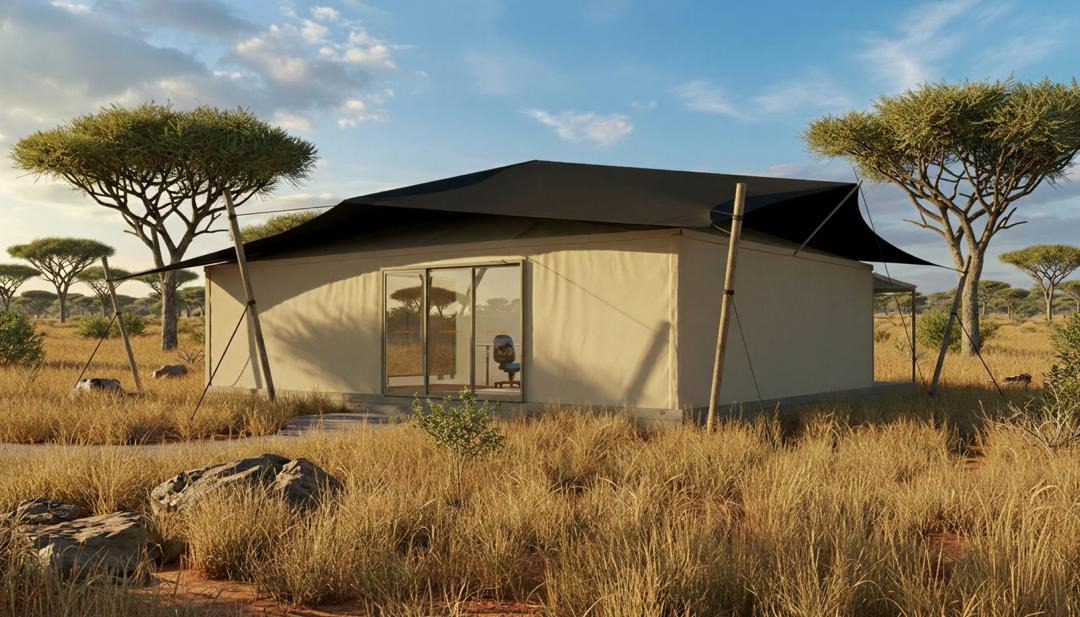
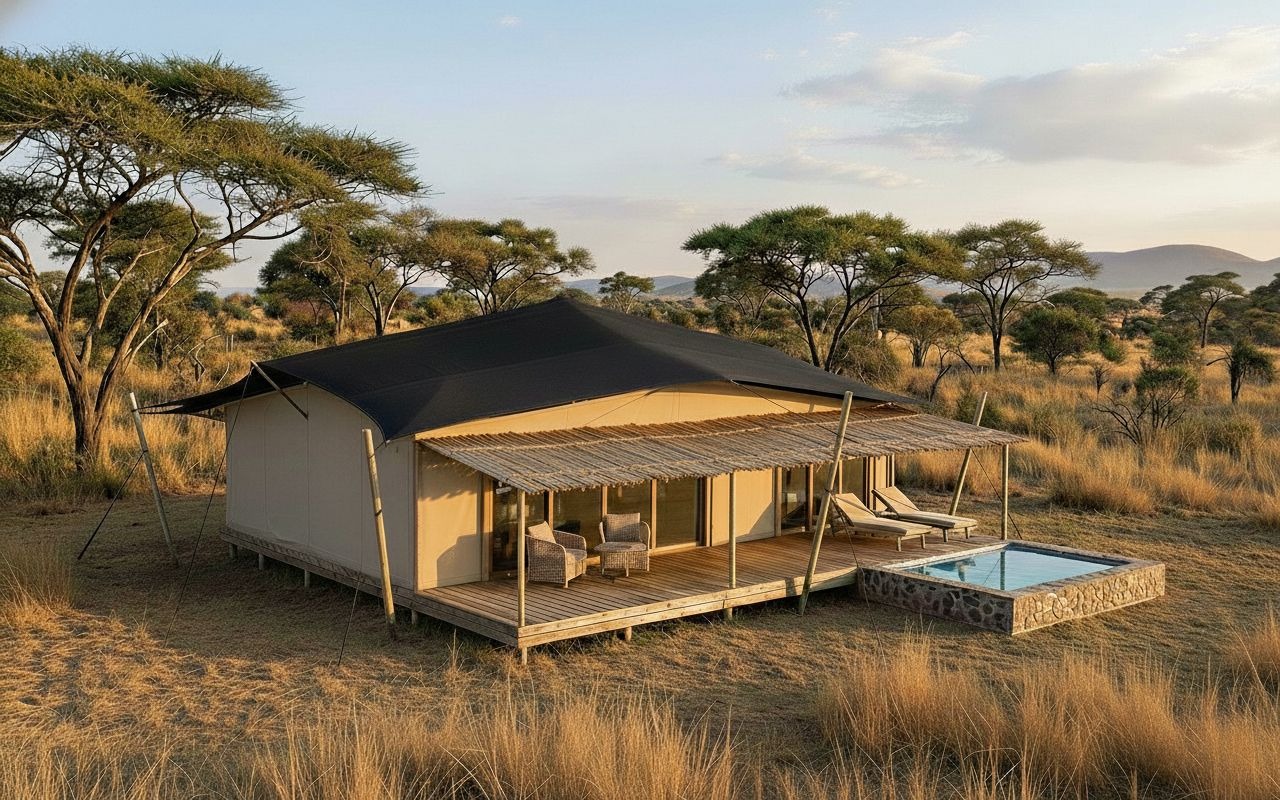
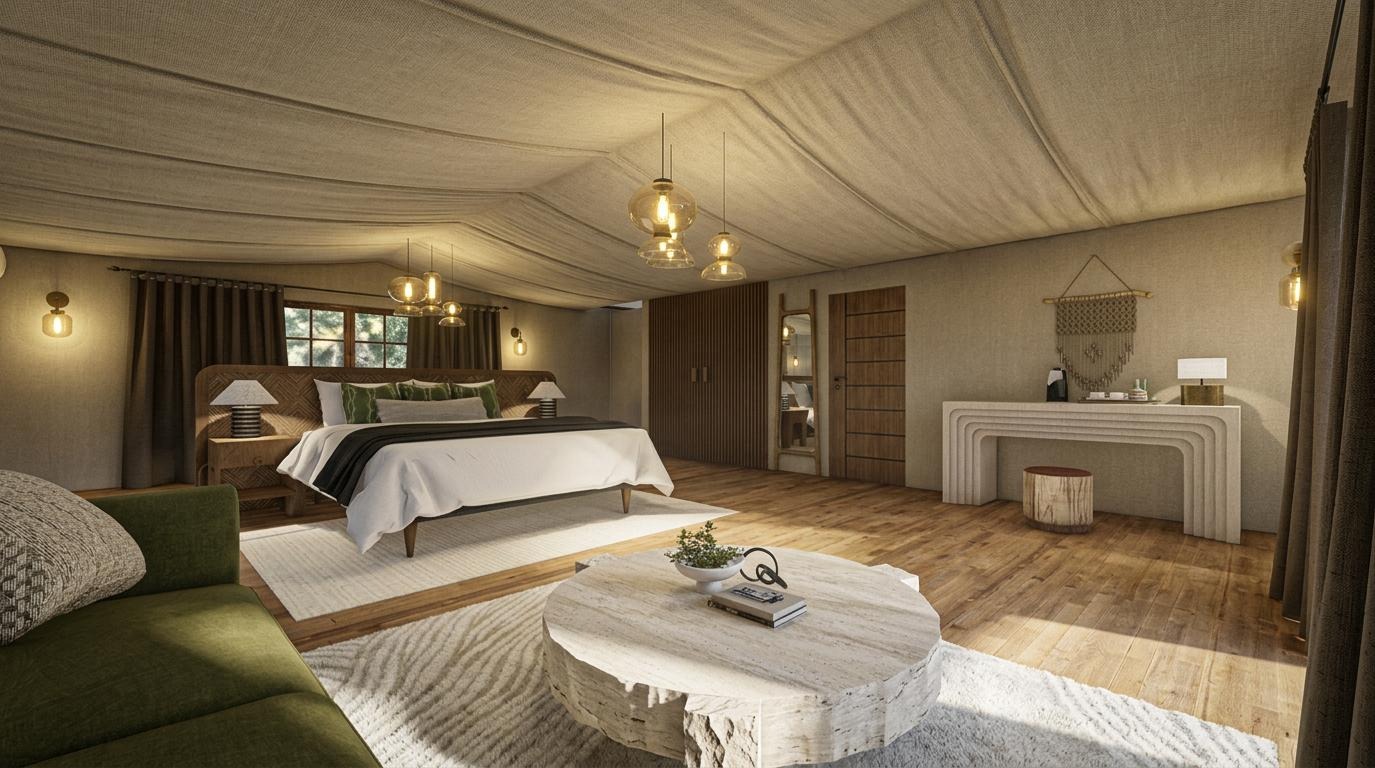
Lodges inside the park (like Lemala Mpingo Ridge or Tarangire Safari Lodge) offer the ultimate immersion, allowing you to start game drives at sunrise. Lodges outside in Wildlife Management Areas (WMAs) (like Chem Chem or Tarangire Treetops) are often better value and permit unique activities like night game drives and walking safaris, but you’ll have to factor in driving time to and from the park gate each day.
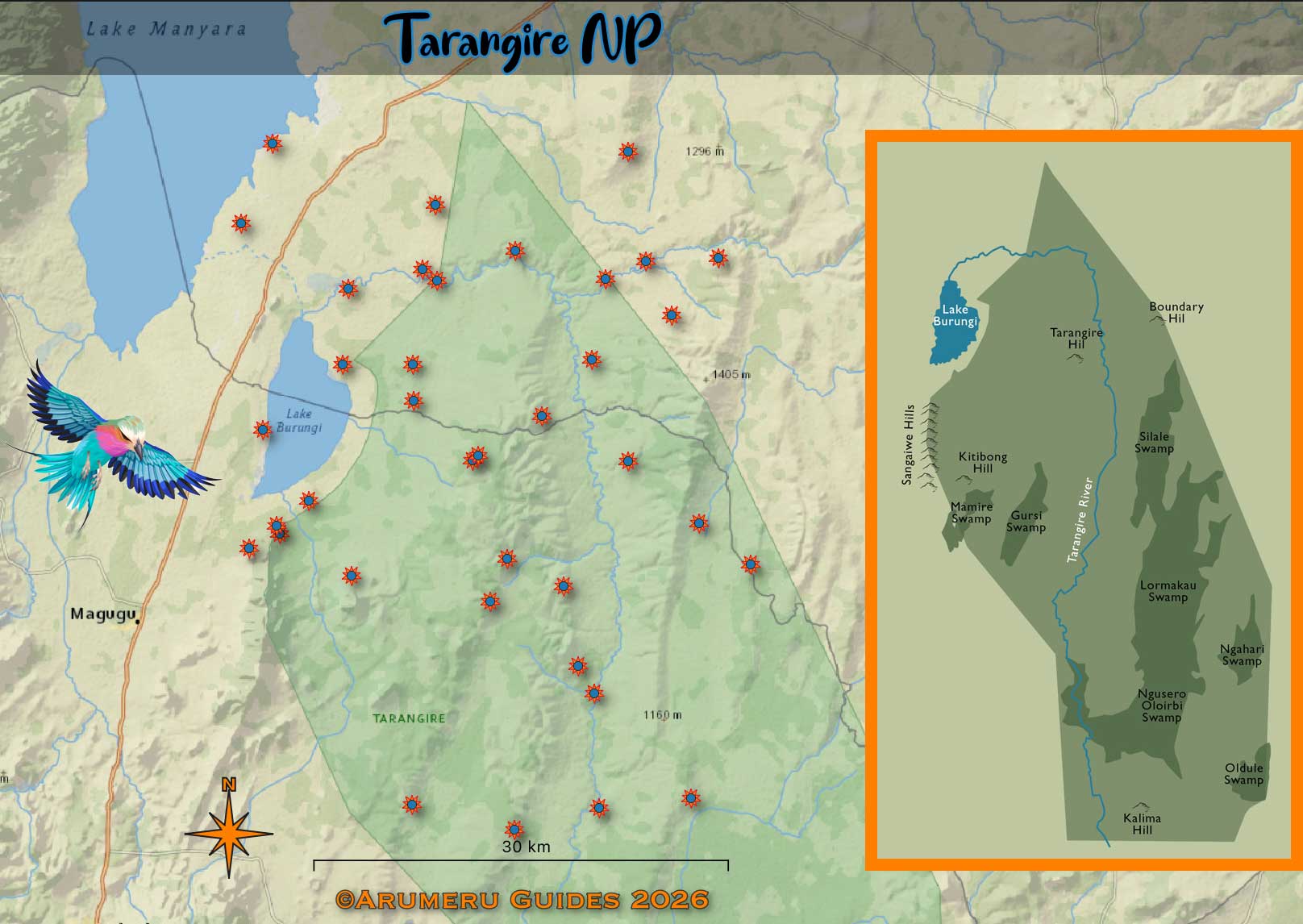
Maramboi Tented
Ecoscience Lodge
Chem chem Lodge
Forest Chem Chem
Little Chem Chem
Burunge Tented Camp
Tarangire Simba Lodge
Sangaiwe Tented Lodge
Sangaiwe Mbuyu
Tarangire Luxury Hideaway
Olkambe Simba Lodge
Sanctuary Swala Camp
Seriani Acacia Tented
Olivers Camp
Losunyai Lamarkao
Nomad Kuro
Nyikani Tented
Tarangire Elephant Springs
Tarangire View Tented
Angata Tented
Lokisale Camp
Tarangire Kati Kati
Tarangire Sopa Lodge
Lemala Mpingo Ridge
Tarangire Ndovu Camp
Ormatoi Rocks
Mawe Ninga
Tarangire Greenland Retreat
Tarangire Baobab Tented
Elewana Tarangire Treetops
Tarangire Olkeri Camp
Tarangire Nimali Tented
Conserve Safari Tarangire
Tarangire Safari Lodge
Roika Tented
Mbali Mbali Tarangire
Osopuko Tarangire
The Baobab Trees
Keystone Species – Baobabs of Tarangire
Tarangire is a park of giants. It is famous for its massive herds of elephants and for its staggering number of ancient baobab trees—gnarled, towering sentinels that stand like prehistoric monuments across the golden grasslands. Driving through the park, you are constantly in the shadow of these ‘upside-down trees,’ their bulbous trunks and skeletal branches defining the skyline.
Key Info on Baobab Trees
| Statistic | Detail | Significance |
|---|---|---|
Lifespan | 1,500yrs-2,500yrs (radiocarbon-dated) | Older than many world religions; living history books |
Height | 18m-25m (60-82 ft) on average. | Not extremely tall, but massive in girth |
Trunk Circumference | Up to 28m (92 ft). The "Big Baobab" in South Africa has a circumference of 33.4m. | One of the fattest tree species on Earth |
Water Storage Capacity | Up to 120,000ltrs (32,000 US gal). | Can sustain a small community through a dry season |
Fruit Yield | A mature tree can produce 200-400 fruit pods annually. | Each pod contains ~60-100 seeds embedded in the dry pulp |
Vitamin C Content | 6x more per gram than an orange. | One of the richest natural sources in the world |
Seed Dormancy | Seeds can remain viable in soil for over 10 years | An adaptation to wait for perfect germination conditions |
Species Count | 8 species worldwide: 1 in Africa, 6 in Madagascar, 1 in Australia | Shows ancient geological dispersal before continents fully separated |
Growth Rate | Exceptionally slow. A seedling may take 15-20 years to reach 2m | Explains the "missing generation" crisis from elephant browsing |
Carbon Storage | A mature baobab can sequester ~140 tons of CO₂ over its lifetime | Important, though less than dense rainforest trees, due to its low-density wood |
How old are the baobab trees in Tarangire?
“Some of the largest and oldest baobabs in East Africa are found in Tanzania’s Tarangire National Park. Carbon dating suggests that certain individuals exceed a thousand years in age. These trees are not merely plants; they are living archives, having endured centuries of droughts, fires, and the changing fortunes of the wildlife and humans around them.”
Many of Tarangire’s baobabs are estimated to be between 600 and 1,200 years old. Determining exact age is difficult as they do not produce reliable tree rings, but their immense size—some with trunks over 10 meters in diameter—attests to their incredible longevity.
Why does Tarangire have so many baobab trees?
“The Tarangire ecosystem, with its ancient, granitic soils and well-drained plains, provides the perfect substrate for baobabs. Unlike the heavy clay soils of the Serengeti, Tarangire’s sandy loams allow the baobab’s extensive lateral root system to spread widely just below the surface, anchoring these giants against winds and accessing scarce water over a large area. This geological foundation created a natural baobab sanctuary long before it was a park.”
“The density of Adansonia digitata in Tarangire National Park is notably higher than in adjacent Maasai steppe. This is largely due to historical human settlement patterns. For centuries, areas outside the present park boundaries were subject to more frequent burning for pasture and cultivation, which suppressed slow-growing baobab seedlings. The park area, with its history of seasonal use by wildlife rather than permanent settlement, acted as a de facto refuge where baobabs could complete their long, vulnerable establishment phase.”
The "Missing Generation" of Baobabs
The striking lack of young baobabs in Tarangire is an ecological red flag. It’s primarily due to elephant predation—seedlings are a favored, nutrient-rich food. Combined with fire, grazing pressure, and harsher dry cycles, few saplings survive to replace the ancient giants, creating a worrying regeneration gap.
Why do baobabs bloom at night?
Their large, white, fragrant flowers open at dusk and are pollinated almost exclusively by fruit bats and nocturnal moths, falling off by the next afternoon.
How can a hollow baobab still be alive?
The living part of the tree is just under the bark. The inner heartwood can rot away completely, leaving a living “shell” that can store water or even shelter animals (or people).
What animals use baobab trees in Tarangire?
“In the Tarangire ecosystem, the baobab (Adansonia digitata) is a keystone species. Its flowers are pollinated by fruit bats and bees often hive in the flowers,
Its fruit is sought by baboons and elephants, and its hollow trunks provide refuge for everything from bees to genets. Birds like hornbills nest in trunk cavities,
During the harsh dry season, elephants will often strip the bark to access the moist, fibrous interior, a behavior that can mortally wound the tree but underscores its role as a lifeline in an arid land.”
What does the baobab fruit taste like?
The dry, powdery pulp inside the hard fruit shell has a tangy, citrus-like flavor often compared to a blend of grapefruit, pear, and vanilla. The dry fruit pulp is a nutritional powerhouse: contains 6x the vitamin C of oranges, is rich in antioxidants, calcium, potassium, and fiber. It’s called “monkey bread.”

The Termite Mounds
Keystone Species – Termites of the Masai Steppe
The fungus-cultivating termites (Macrotermes spp.) of Tarangire are keystone ecosystem engineers. Their mounds are not random; they are evenly spaced, creating a patterned landscape known in ecology as a ‘Mima’ terrain. This spacing is a result of intraspecific competition. These mounds can persist for centuries, long after the colony itself is dead,
“The density and regular spacing of Macrotermes mounds in Tarangire is exceptionally high, with some areas featuring over 10 mature mounds per hectare.
The termite mounds of the Tarangire ecosystem are visually distinguished by their deep, vivid red coloration, a direct result of the termites excavating and transporting iron-
What exactly is a termite mound?
| Statistic | Detail | Significance |
|---|---|---|
Lifespan | 1,500yrs-2,500yrs (radiocarbon-dated) | Older than many world religions; living history books |
Height | 18m-25m (60-82 ft) on average. | Not extremely tall, but massive in girth |
Trunk Circumference | Up to 28m (92 ft). The "Big Baobab" in South Africa has a circumference of 33.4m. | One of the fattest tree species on Earth |
Water Storage Capacity | Up to 120,000ltrs (32,000 US gal). | Can sustain a small community through a dry season |
Fruit Yield | A mature tree can produce 200-400 fruit pods annually. | Each pod contains ~60-100 seeds embedded in the dry pulp |
Vitamin C Content | 6x more per gram than an orange. | One of the richest natural sources in the world |
Seed Dormancy | Seeds can remain viable in soil for over 10 years | An adaptation to wait for perfect germination conditions |
Species Count | 8 species worldwide: 1 in Africa, 6 in Madagascar, 1 in Australia | Shows ancient geological dispersal before continents fully separated |
Growth Rate | Exceptionally slow. A seedling may take 15-20 years to reach 2m | Explains the "missing generation" crisis from elephant browsing |
Carbon Storage | A mature baobab can sequester ~140 tons of CO₂ over its lifetime | Important, though less than dense rainforest trees, due to its low-density wood |
What exactly is a termite mound?
“The epigeal (above-ground) nests of Macrotermes spp., often termed ‘cathedral mounds’ for their imposing size, are complex macrostructures whose primary function is homeostasis. They are engineered to maintain a near-constant internal milieu of temperature (30 ± 1°C) and high relative humidity (>90%) for the cultivation of the symbiotic fungus, Termitomyces, upon which the colony depends.”
How tall and wide do these mounds get?
“In the savannas of the Tarangire ecosystem, measurements of active Macrotermes bellicosus mounds show a mean height of 3.2 ± 0.7 m and a mean basal diameter of 12.5 ± 3.1 m. The largest recorded structure exceeded 4.8 m in height. The below-ground nursery and fungus chambers often extend to depths of 3-4 m to intersect with the capillary fringe of the water table.”
What is the "lifetime" and growth rate of a mound?
Using repeat photography and radiocarbon dating of included charcoal, we estimate active colony lifespans in this region to be 50-70 years. Mound growth is not linear; following initial establishment, vertical accretion can proceed at 20-30 cm per annum during peak colony growth phase, slowing as the colony matures. Inactive mounds, composed of hardened laterite, exhibit erosion rates of less than 1 cm per decade, allowing them to persist as landscape features for several centuries
What is the colony population inside a large mound?
“A mature colony of Macrotermes represents one of the most populous insect societies. Total population estimates, derived from mound excavations and nest volume calculations, range from 1 to 3 million individuals, encompassing a single physogastric (egg-laying) queen, a king, numerous neotenic reproductives, and vast cohorts of sterile workers and soldiers.”
What is the "Mima" terrain or spatial patterning?
The over-dispersed, regular spacing of Macrotermes mounds creates a ‘Mima’ terrain pattern. In Tarangire, spatial point pattern analysis reveals a mean nearest-neighbor distance of 15-25 meters, resulting in an average density of 6-10 mounds per hectare. This pattern is a non-aggressive equilibrium arising from intense inter-colony competition for foraging territory.”
Quantify the "fertile island" effect. What's the nutrient increase?
Studies show soil on and immediately around mounds has significantly higher concentrations than the surrounding savanna:
- Organic Carbon: 20-50% higher.
- Nitrogen: 30-100% higher.
- Phosphorus: 50-200% higher.
- Cation Exchange Capacity (CEC): 2-3 times higher, indicating much greater soil fertility and nutrient-holding capacity.
How much soil do termites move?
“Macrotermes are premier geobiological agents. A single large colony is estimated to process 1,500 ± 500 kg of soil annually in nest construction and maintenance. Extrapolated over their density in systems like Tarangire, this equates to a landscape-scale soil translocation rate of 10-20 metric tons per hectare per century, an order of magnitude exceeding that of earthworms in comparable systems.”
What is the water table depth they require?
Successful establishment and long-term survival of a Macrotermes colony is contingent on a perennial water table within capillary reach, typically 2 to 4 meters below the surface. This hydrologic connection is non-negotiable; it provides the passive moisture flux critical for maintaining the high humidity (>90%) required in the fungus chambers without energetically costly water transport by workers.
What is the primary construction material?
“Mineralogical analysis reveals that Macrotermes preferentially select and transport clay-sized particles (<2µm) from the B-horizon, specifically iron (Fe³⁺) and aluminum (Al³⁺) oxides (laterite). These particles are cemented with calcium carbonate and organic secretions from the termites’ labial glands, creating a composite material with a compressive strength comparable to poor-quality concrete (2-5 MPa).”
What is the key difference between Macrotermes and other termites?
“The subfamily Macrotermitinae, including Macrotermes, is defined by its obligate mutualism with the basidiomycete fungus Termitomyces. The termites construct fungus combs within the nest, inoculate them with fungal mycelium, and then consume the nitrogen-rich fungal nodules (‘mycotêtes’). This external rumen allows them to digest cellulose with unparalleled efficiency, a key innovation permitting the colossal colony sizes and energetic output required for monumental mound construction.”
Other common termites are wood-eaters or soil-feeders that do not build such massive, climate-controlled structures.
What makes the mounds in Tarangire red?
The deep red color comes from iron oxides (laterite). The termites excavate this iron-rich clay subsoil from the ancient Precambrian basement complex and bring it to the surface during construction.
Why are there huge termite mounds in Tarangire but not on the Serengeti plains?
Two main reasons: 1) Soil Type – Tarangire has clay-rich, cohesive lateritic soils perfect for building, while the Serengeti has loose, sandy volcanic ash that crumbles. 2) Disturbance – The Serengeti has intense annual fires and grazing that prevent mound establishment.
How do elephants use the mounds?
Elephants “mine” the mounds, breaking them open with tusks and feet to eat the mineral-rich clay subsoil at the core. This provides essential salts and aids digestion. The activity reshapes but doesn’t usually destroy the colony.
Why don't these mounds exist in Ngorongoro Crater?
Primarily due to hydrology. The crater floor often has a shallow, fluctuating water table and swampy areas. This waterlogged environment is unsuitable for the fungus-growing termites, whose gardens require stable, humid—but not flooded—conditions.
What is the connection between baobab trees and termite mounds?
It’s a symbiotic, long-term partnership. The mound provides a raised, well-drained, nutrient-rich microsite—an ideal nursery for a baobab seed. Over centuries, the tree’s roots stabilize and can engulf the mound.
How do the mounds regulate their internal environment?
They function as a giant lung. Metabolism warms air, causing it to rise through central chimneys. As it cools at the surface, it sinks through peripheral ducts, creating constant circulation that regulates temperature and humidity to protect the fungal gardens.
What other animals depend on the mounds?
They support an entire micro-ecosystem:
- Predators: Aardvarks & aardwolves (specialist feeders).
- Other Fauna: Mongooses, lizards, snakes for shelter.
- Herbivores: Zebra, wildebeest for superior forage.
- Megafauna: Elephants & buffalo as mineral licks.
The 47 : 1 ratio in Tarangire
What is the 47:1 ratio in Tarangire?
The 47:1 ratio means there are approximately 47 mature baobab trees for every elephant in Tarangire National Park. This is not a coincidence but a ‘mathematically balanced mutualism’ discovered through 15 years of research, representing the optimal number of trees needed to sustain an elephant through the dry season while ensuring enough elephants exist to disperse baobab seeds for forest regeneration.
The elephants of Tarangire are mathematicians of space and time. Their celebrated 47:1 ratio with baobabs—that perfect equation of need and availability—functions only because they are masters of scale. The 3,580 elephants do not simply live in the park; they use it with seasonal precision, compressing to 5 per square kilometer in the dry season when the baobabs’ water and nutrition become essential, then expanding outward across 8,500 square kilometers when rains come. Their GPS tracks reveal them as landscape architects, connecting protected area to community land to wildlife corridor in seamless circuits. The 47 baobabs per elephant is not a static number but a dynamic relationship—one that requires access to 400,000 trees across the region to maintain balance within the park. These elephants move not as nomads but as stewards, their migrations ensuring that both they and the baobabs survive by never staying anywhere long enough to exhaust what is given.
Why Every Elephant in Tarangire Has Exactly 47 Baobab Trees
| Statistic | Detail | Significance |
|---|---|---|
Lifespan | 1,500yrs-2,500yrs (radiocarbon-dated) | Older than many world religions; living history books |
Height | 18m-25m (60-82 ft) on average. | Not extremely tall, but massive in girth |
Trunk Circumference | Up to 28m (92 ft). The "Big Baobab" in South Africa has a circumference of 33.4m. | One of the fattest tree species on Earth |
Water Storage Capacity | Up to 120,000ltrs (32,000 US gal). | Can sustain a small community through a dry season |
Fruit Yield | A mature tree can produce 200-400 fruit pods annually. | Each pod contains ~60-100 seeds embedded in the dry pulp |
Vitamin C Content | 6x more per gram than an orange. | One of the richest natural sources in the world |
Seed Dormancy | Seeds can remain viable in soil for over 10 years | An adaptation to wait for perfect germination conditions |
Species Count | 8 species worldwide: 1 in Africa, 6 in Madagascar, 1 in Australia | Shows ancient geological dispersal before continents fully separated |
Growth Rate | Exceptionally slow. A seedling may take 15-20 years to reach 2m | Explains the "missing generation" crisis from elephant browsing |
Carbon Storage | A mature baobab can sequester ~140 tons of CO₂ over its lifetime | Important, though less than dense rainforest trees, due to its low-density wood |
Baobabs numbers Beyond Boundaries
he baobabs of Tarangire teach a fundamental ecological truth: parks are not islands. These ancient trees, with their 120,000-liter water reserves and cathedral-like presence, extend their roots—both physical and ecological—far beyond the lines drawn on maps. The 168,500 baobabs within Tarangire’s borders are but the visible portion of a much larger population of 400,000+ trees that form a living network across 15,000 square kilometers of Tanzania. This arboreal continuum creates what conservationists call a ‘source-sink dynamic’: the park’s celebrated groves are constantly replenished by seeds from outside, while in return, elephants carry park-generated seeds to distant lands. The baobabs’ very survival depends on this exchange—a reminder that nature recognizes no human boundaries, and that true conservation must embrace entire ecosystems, not just postcard-perfect protected areas.
Baobabs numbers Beyond Boundaries
he baobabs of Tarangire teach a fundamental ecological truth: parks are not islands. These ancient trees, with their 120,000-liter water reserves and cathedral-like presence, extend their roots—both physical and ecological—far beyond the lines drawn on maps. The 168,500 baobabs within Tarangire’s borders are but the visible portion of a much larger population of 400,000+ trees that form a living network across 15,000 square kilometers of Tanzania. This arboreal continuum creates what conservationists call a ‘source-sink dynamic’: the park’s celebrated groves are constantly replenished by seeds from outside, while in return, elephants carry park-generated seeds to distant lands. The baobabs’ very survival depends on this exchange—a reminder that nature recognizes no human boundaries, and that true conservation must embrace entire ecosystems, not just postcard-perfect protected areas.
Why Every Elephant in Tarangire Has Exactly 47 Baobab Trees
The 47:1 ratio represents the precise point where elephant appetite meets baobab resilience—a golden mean honed by drought and famine, distilled into a number that means ‘just enough.'” This perfectly balanced equation—where one species’ survival is literally counted in the other—creates one of Earth’s most resilient and visually stunning partnerships: giants wandering among ancient, bottle-shaped trees in a landscape where every life is accounted for in nature’s grand, mathematical design.
Why do elephants need exactly 47 baobab trees?
Each elephant requires this specific number to survive the **8-month dry season**. Baobabs act as natural reservoirs, storing up to 120,000 liters of water in their trunks and providing nutrient-rich bark and fruit. The 47-tree portfolio ensures elephants don’t over-browse any single tree, allowing for rotational use that gives trees time to recover between feedings—a system honed by millennia of drought adaptation.
What do baobabs get from elephants in return?
Baobabs depend entirely on elephants for **seed dispersal and germination**. Baobab seeds will not sprout unless they first pass through an elephant’s digestive system, which cracks their tough coating. Each elephant disperses approximately 15,000 baobab seeds annually across distances up to 65 km, creating genetic diversity and ensuring the forest’s next generation.
How was this ratio discovered and proven?
15 years of scientific study** (2004-2019) by researchers tracking 147 GPS-collared elephants, mapping 165,000+ baobabs, and analyzing 1,200+ dung samples. The data showed elephant survival during drought directly correlated with access to at least 45 baobabs, while baobab regeneration failed in areas with fewer than 30 trees per elephant—pinpointing 47 as the optimal balance.
What happens if the ratio changes?
If the ratio drops **below 30:1**, elephants over-browse individual trees and baobab seedlings fail to establish. If it rises **above 60:1**, resources are underutilized and seed dispersal decreases. Currently at 47:1, Tarangire maintains perfect balance—elephant health peaks, baobab fruit production is optimal, and the ecosystem shows maximum resilience to climate fluctuations.
Is this ratio unique to Tarangire?
Yes—while elephants and baobabs interact across Africa, Tarangire’s **semi-arid conditions and concentrated dry-season resources** created this precise mathematical relationship. Other parks show different ratios (Amboseli: 15:1, Ruaha: 110:1), but Tarangire’s 47:1 represents the most studied and balanced mutualism, making it a model for sustainable elephant-baobab coexistence.
How does climate change affect this balance?
Projections show the ratio could decline to **28:1 by 2050** due to warming trends that reduce baobab fruit production by 23% per 1°C increase. More frequent droughts shorten tree recovery periods, threatening the rotational browsing system. Conservation efforts now focus on maintaining the 40-55:1 range as a buffer against climate impacts.
What does this mean for Tarangire's conservation?
The 47:1 ratio serves as a **key ecosystem health indicator** guiding management decisions. Park managers now monitor baobab and elephant numbers annually, protect mature baobabs from fire and damage, establish baobab corridors for natural migration, and maintain elephant populations between 3,200-3,800 individuals—all to preserve this million-year-old partnership that defines Tarangire’s ecological identity.
The Tarangire River omuramba
“Geologists call it a ‘losing stream’ or an omuramba—a sand river. But the Tarangire does not lose its water; it banks it. It is a seasonal floodplain over a permanent aquifer, a brilliant hydrological adaptation to an arid climate. The sandy bed acts as a massive natural filter and storage unit, allowing monsoonal floods to percolate down to a layered aquifer where water from the last Ice Age mingles with last year’s rains. This creates a stratified time capsule: elephants drinking today may be drawing up molecules that fell as rain when saber-toothed cats stalked these shores. The river’s genius is its invisibility; by disappearing, it prevents evaporation and becomes a sustainable reservoir, making the dry season not a time of scarcity, but of revealed abundance.”
What is unique about the Tarangire River?
| Statistic | Detail | Significance |
|---|---|---|
Lifespan | 1,500yrs-2,500yrs (radiocarbon-dated) | Older than many world religions; living history books |
Height | 18m-25m (60-82 ft) on average. | Not extremely tall, but massive in girth |
Trunk Circumference | Up to 28m (92 ft). The "Big Baobab" in South Africa has a circumference of 33.4m. | One of the fattest tree species on Earth |
Water Storage Capacity | Up to 120,000ltrs (32,000 US gal). | Can sustain a small community through a dry season |
Fruit Yield | A mature tree can produce 200-400 fruit pods annually. | Each pod contains ~60-100 seeds embedded in the dry pulp |
Vitamin C Content | 6x more per gram than an orange. | One of the richest natural sources in the world |
Seed Dormancy | Seeds can remain viable in soil for over 10 years | An adaptation to wait for perfect germination conditions |
Species Count | 8 species worldwide: 1 in Africa, 6 in Madagascar, 1 in Australia | Shows ancient geological dispersal before continents fully separated |
Growth Rate | Exceptionally slow. A seedling may take 15-20 years to reach 2m | Explains the "missing generation" crisis from elephant browsing |
Carbon Storage | A mature baobab can sequester ~140 tons of CO₂ over its lifetime | Important, though less than dense rainforest trees, due to its low-density wood |
What is unique about the Tarangire River?
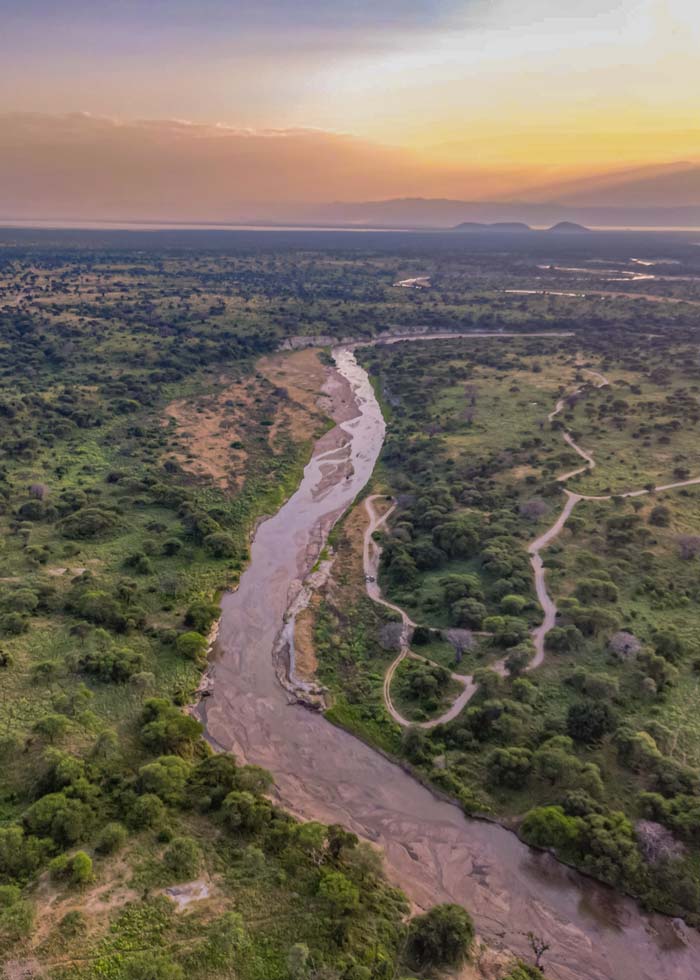
The Tarangire River is a “sand river” or omuramba—a seasonal watercourse that flows underground for 8 months of the year while appearing as a completely dry, sandy channel on the surface. This unique hydrological phenomenon creates the largest dry-season wildlife concentration in Tanzania, as animals gather along its banks to access water that persists 20-35 meters below the sand in a massive 5.2-billion-cubic-meter aquifer.
How can a river be "invisible"?
The river is invisible because it flows beneath a sandy bed that acts as a natural filter and storage system. During the brief rainy season (December-March), surface water flows visibly, but for the rest of the year, the water percolates down into underground layers where it’s protected from evaporation. Wildlife detects and accesses this water through specialized behaviors—most famously, elephants dig wells to reach the hidden water table.
Why does wildlife concentrate here in dry season?
Because the Tarangire River provides the only reliable year-round water source across thousands of square kilometers during the June-October drought. While surface water disappears elsewhere, the river’s underground aquifer remains accessible, forcing 90% of the region’s wildlife to congregate along its 150-km course. This creates spectacular viewing opportunities with densities reaching 5.2 elephants per square kilometer.
How do animals access the underground water?
Through remarkable adaptations: Elephants dig wells up to 2 meters deep using their tusks and trunks, creating communal waterholes for over 40 other species. Their ability to detect water involves seismic sensing—feeling vibrations through their feet that indicate where the water table is closest to the surface. Other animals then use these elephant-made wells or rely on capillary moisture drawn up by riverbank trees like baobabs.
What is the "fossil water" in Tarangire?
Recent isotope studies reveal that approximately 70% of the Tarangire River’s groundwater is “fossil water”—precipitation that fell during the Last Ice Age, 10,000-25,000 years ago. This ancient water mixes with modern rainfall recharge (30%), meaning today’s wildlife is drinking molecules that fell when mammoths and saber-toothed cats roamed the area, making the river a liquid time capsule connecting prehistoric and modern ecosystems.
Can tourists see the river's water?
Only during the brief rainy season (typically December to March) when surface flow occurs. For most of the year, visitors see the dramatic dry riverbed with wildlife clustered along its banks—a scene that paradoxically represents the river’s greatest abundance, as the concentration of animals proves the hidden water’s presence. The sight of elephants digging in dry sand to reveal water is one of Tarangire’s most iconic experiences.
Why is the Tarangire River essential to understanding Tarangire National Park?
Because the river explains everything about Tarangire’s ecology: why animals concentrate here in dry season, how baobabs survive drought, why predator densities are high, and ultimately, why this park exists as a protected area. The river’s unique disappearing act creates the wildlife spectacles that define Tarangire, making it not just a geographical feature but the ecological engine of the entire ecosystem.
TheTse Tse Flies
The Guardian Paradox
The word ‘tsetse’ comes from Tswana, a language of southern Africa, and, in that language, the word means fly.
“the story of Tarangire cannot be told without the tsetse fly its the ‘guardian pest’ of Tarangire… It is a primary reason why Tarangire remains one of Tanzania’s most pristine and wildlife-rich parks…
Six Lives of a Fly: How a Pest Became Africa’s Unlikely Guardian
Table of Tsetse Fly Facts: Biology & Impact
| Category | Detail | Why It Matters |
|---|---|---|
Mating & Fertility: Mates once, stays pregnant for life. | "A female tsetse mates once in her lifetime... the female is fertilized for the rest of her life." | Creates permanent, independent reproductive units that cannot be stopped by removing males. |
Reproductive Power: One pregnant fly can start a new population alone. | "If a fertilized fly should stray into a region where there are no others she will still continue to produce fertile eggs for the remaining... two hundred days of her life." | Makes the species an unstoppable colonizer; a single fly can reclaim territory. |
Birth Method: Gives live birth, like a mammal. | "A female tsetse fly will hatch out a single egg inside her own body and feed the larva through special glands, similar in function to the uterus in mammals." | High-investment parenting (K-strategy) ensures each offspring is robust and has a high survival rate. |
Larval Development: The larva grows and molts inside the mother before birth. | "The young larva will then shed its skin three times inside the 'womb'... Then the single larva is born as a whitish maggot..." | Offspring are born at an advanced, tough stage, ready for immediate survival in a harsh environment. |
Survival Strategy: Quality over quantity: one strong baby at a time. | "This low-reproduction, high-investment strategy is... the evolutionary bedrock of her species' tenacity." | Population is resilient, not numerous, making it resistant to traditional pest control methods. |
Unbeatable Nature: Biologically impossible to fully eradicate from land. | "This biology meant that eradication required... killing every single, independently potent female—a logistical impossibility in vast wilderness." | Their biological claim to the land is absolute, outlasting human campaigns and megafauna. |
Ecological Role: Created a permanent "no farming" zone. | "Their presence is a primary reason why large-scale agriculture and human settlement have not encroached on the park." | Acted as Africa's most effective, if accidental, land-use planner, preserving wilderness. |
Conservation Result: Their stubbornness saved the savanna for wildlife. | "The tsetse fly is the 'guardian pest'... a primary reason why Tarangire remains one of Tanzania's most pristine and wildlife-rich parks." | Unintentional conservator: the pest humans fought became the wilderness's greatest protector. |
Tourist Experience: Bite is painful but does not transmit disease to visitors. | "The species in Tarangire do not carry human African trypanosomiasis... Their main threat is a painful bite." | A manageable nuisance that reminds visitors they are in a truly wild, untamed ecosystem. |
Wildlife Spectacle: Flies on elephants create a bird-feeding frenzy. | "These swarms attract massive numbers of insectivorous birds... This bustling, dynamic interaction is a unique wildlife viewing highlight." | Drives a key symbiotic spectacle, turning a pest into a crucial part of the safari food web drama. |
Historical Irony: Humans lost the war against the fly, and the wilderness won. | "The creature most aggressively fought by humans became the very entity that saved this piece of Africa for humans—not for farming, but for wonder." | The ultimate paradox: defeat by a fly led to the preservation of iconic landscapes for future generations. |
Immune Grazers: Why Zebra and Wildebeest Are Rarely Bitten
“Scientific studies of tsetse fly feeding patterns reveal a striking and counterintuitive selectivity. While warthogs and bushpigs supply the vast majority of their blood meals, the flies display a near-total avoidance of the savanna’s most iconic herds. Zebra, wildebeest, and hartebeest—animals that dominate the grazing landscape—are virtually never bitten. This is not a matter of opportunity, as these animals share the same habitat. Instead, it points to a powerful evolutionary defense. Researchers believe these ‘immune grazers’ may possess a chemical or odor profile in their skin and blood that is highly repellent to tsetse flies, or a hair density and skin thickness that makes feeding inefficient. This natural immunity allowed these species to thrive in tsetse-dense regions, shaping the very composition of the great herbivore migrations and underscoring that in the tsetse’s world, visibility is no guarantee of vulnerability.“
Tse tse flies: From Pest to Keystone Species
The story of the tsetse fly is one of profound ecological irony, tracing a path from despised “economic enemy” to recognized “keystone species.” For colonial authorities, its woodlands were “‘wasted’ land,” leading to “massive wildlife culling campaigns” that were “ecologically devastating and largely failed.” Yet in its stubborn resilience—“the tsetse fly does not surrender so easily”—lay its unintended power. By transmitting disease to livestock, it created a “biological fence” that became “a primary reason why large-scale agriculture and human settlement have not encroached” on vast wilderness areas. This made it the “unintentional conservator” of ecosystems, so that when national parks like Tarangire were created, the truth was clear: “the very same factors that made it a scourge to colonial farmers had preserved the wilderness from conversion.” Its unique biology, where a female “mates once in her lifetime” and can independently repopulate an area, made it an “unbeatable” claimant to the land.
Today, science acknowledges this “painful irony”: the fly, “long fought as an enemy of development, has been one of Tanzania’s most effective conservation allies,” performing an “ecosystem service worth billions.” The final, stunning paradox is that “the creature most aggressively fought by humans became the very entity that saved this piece of Africa for humans—not for farming, but for wonder,” securing its legacy as the true “guardian pest” of the savanna.
Tse Tse flies: Tarangire vs Serengeti
| Feature | Tarangire | Serengeti |
|---|---|---|
Core Presence: | "A keystone character in the story." A pervasive and defining force in its riverine thickets and woodlands. | "The tsetse fly is a footnote, not a main chapter." Largely absent from the iconic plains, confined to fringe woodlands. |
Shaping Wildlife: | "Animals tolerate the bites for water and food." Dry-season concentrations of elephants & others occur precisely in tsetse-rich areas. | "The great migration happens freely." Animal movements are driven by grass and rain, not insect avoidance. |
Historical Role: | "Saved by biological resistance." Its protection is an accident—the fly kept settlers and cattle out for centuries. | "Saved by human vision and international law." Its protection is a story of human conservation foresight. |
Visitors Experience: | "Managed immersion." Requires strategy (light clothes, closed windows) but offers unique spectacles like bird-and-elephant symbiosis. | "Unobstructed freedom." Vast, open views with no need for insect-specific precautions on the plains. |
Interesting Fact: | Tarangire's tsetse species (G. swynnertoni) is so specialized it rarely bites humans, preferring warthog, buffalo, and kudu. | The Serengeti's short-grass plains are tsetse-free due to ancient soil types and fire patterns, creating a safe haven for wildebeest calves. |
The One-Sentence Story: | "Tarangire exists because of the fly's presence. Our narrative is one of ecological irony and a tenacious, six-legged guardian." | "The Serengeti thrives in spite of the fly's absence. Our narrative is one of climatic destiny and human stewardship." |
Because the Tarangire River provides the only reliable year-round water source across thousands of square kilometers during the June-October drought. While surface water disappears elsewhere, the river’s underground aquifer remains accessible, forcing 90% of the region’s wildlife to congregate along its 150-km course. This creates spectacular viewing opportunities with densities reaching 5.2 elephants per square kilometer.
How do animals access the underground water?
Through remarkable adaptations: Elephants dig wells up to 2 meters deep using their tusks and trunks, creating communal waterholes for over 40 other species. Their ability to detect water involves seismic sensing—feeling vibrations through their feet that indicate where the water table is closest to the surface. Other animals then use these elephant-made wells or rely on capillary moisture drawn up by riverbank trees like baobabs.
What is the "fossil water" in Tarangire?
Recent isotope studies reveal that approximately 70% of the Tarangire River’s groundwater is “fossil water”—precipitation that fell during the Last Ice Age, 10,000-25,000 years ago. This ancient water mixes with modern rainfall recharge (30%), meaning today’s wildlife is drinking molecules that fell when mammoths and saber-toothed cats roamed the area, making the river a liquid time capsule connecting prehistoric and modern ecosystems.
Can tourists see the river's water?
Only during the brief rainy season (typically December to March) when surface flow occurs. For most of the year, visitors see the dramatic dry riverbed with wildlife clustered along its banks—a scene that paradoxically represents the river’s greatest abundance, as the concentration of animals proves the hidden water’s presence. The sight of elephants digging in dry sand to reveal water is one of Tarangire’s most iconic experiences.
Why is the Tarangire River essential to understanding Tarangire National Park?
Because the river explains everything about Tarangire’s ecology: why animals concentrate here in dry season, how baobabs survive drought, why predator densities are high, and ultimately, why this park exists as a protected area. The river’s unique disappearing act creates the wildlife spectacles that define Tarangire, making it not just a geographical feature but the ecological engine of the entire ecosystem.
TheSignature BirdsTarangire
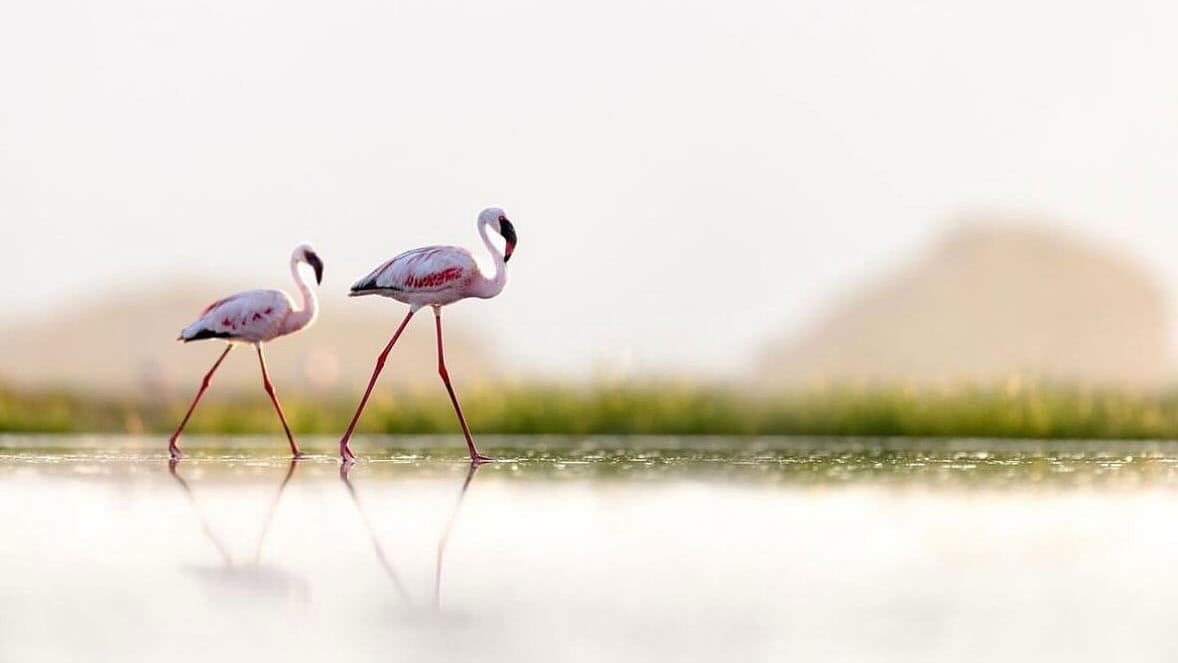
The park’s mosaic of woodland savanna, baobab forest, riverine vegetation, and wetlands sustains an extraordinary avifauna exceeding 500 species—making it one of the most species-rich bird areas in Tanzania and a designated Important Bird Area (IBA) by BirdLife International.
List of Signature Birds of Tarangire
(1) Raptors and Birds of Prey
Tarangire’s open savannas and baobab trees make it prime territory for large eagles, vultures, and owls.
(2) Waterbirds and Waders
Tarangire’s open savannas and baobab trees make it prime territory for large eagles, vultures, and owls.
(3) Ground and Grassland Birds
Tarangire’s open plains and termite mounds are perfect for these terrestrial species.
(4) Woodland and Savanna Birds
These bright, conspicuous birds bring color to Tarangire’s baobabs and acacias.
(5) Doves, Pigeons, Parrots, and Turacos
Tarangire’s open plains and termite mounds are perfect for these terrestrial species.
(6) Passerines and Songbirds
These smaller birds add life and sound to Tarangire’s woodland edges and campsites.
(7) Migratory Species
Between October and April, the park hosts many migrants:
Best Seasons for Birding
| Season | Months | Highlights |
|---|---|---|
Green Season | Nov–Apr | Migrants, breeding plumage, lush landscapes |
Dry Season | Jun–Oct | River congregations, large raptors, excellent visibility |
Why Tarangire is a Top Birding Destination
- Diverse habitats—The park features riverine forests, acacia woodlands, and grassland floodplains (seasonal marshes), baobab-studded hills, creating multiple ecological niches.
- Resident and migratory species—including Eurasian migrants from October to April.
- Large flocks—especially in the dry season when water concentrates along the Tarangire River and Silale Swamp.
-
The River Factor: The Tarangire River acts as a magnet during the dry season (June–November), concentrating birds along its banks.
-
Speciality Species: It is the best location for dry-country endemics that are hard to find elsewhere, particularly the Tarangire Weaver (endemic to Tanzania) and the Ashy Starling.
- Accessibility—excellent birding from safari vehicles or on guided walking safaris.
The "Special Six" (Tarangire Specialties)
Tse Tse flies: Tarangire vs Serengeti
| Feature | Tarangire | Serengeti |
|---|---|---|
Core Presence: | "A keystone character in the story." A pervasive and defining force in its riverine thickets and woodlands. | "The tsetse fly is a footnote, not a main chapter." Largely absent from the iconic plains, confined to fringe woodlands. |
Shaping Wildlife: | "Animals tolerate the bites for water and food." Dry-season concentrations of elephants & others occur precisely in tsetse-rich areas. | "The great migration happens freely." Animal movements are driven by grass and rain, not insect avoidance. |
Historical Role: | "Saved by biological resistance." Its protection is an accident—the fly kept settlers and cattle out for centuries. | "Saved by human vision and international law." Its protection is a story of human conservation foresight. |
Visitors Experience: | "Managed immersion." Requires strategy (light clothes, closed windows) but offers unique spectacles like bird-and-elephant symbiosis. | "Unobstructed freedom." Vast, open views with no need for insect-specific precautions on the plains. |
Interesting Fact: | Tarangire's tsetse species (G. swynnertoni) is so specialized it rarely bites humans, preferring warthog, buffalo, and kudu. | The Serengeti's short-grass plains are tsetse-free due to ancient soil types and fire patterns, creating a safe haven for wildebeest calves. |
The One-Sentence Story: | "Tarangire exists because of the fly's presence. Our narrative is one of ecological irony and a tenacious, six-legged guardian." | "The Serengeti thrives in spite of the fly's absence. Our narrative is one of climatic destiny and human stewardship." |
Because the Tarangire River provides the only reliable year-round water source across thousands of square kilometers during the June-October drought. While surface water disappears elsewhere, the river’s underground aquifer remains accessible, forcing 90% of the region’s wildlife to congregate along its 150-km course. This creates spectacular viewing opportunities with densities reaching 5.2 elephants per square kilometer.