The Maasai traditionally worship a dualistic deity, Engai, who resides in the tempestuous volcanic crater of Ol dionyo Lengai in the NCA.
The Maasai believe that every cow in the world is theirs by Godly ordain, and recognize cattle as the only real measure of material wealth. Since cows have no value once dead, they are slaughtered for eating only on special occasions –The main Maasai diet is a blend of cow’s blood and milk, fermented in a calabash to mouth-watering perfection. The Maasai view tribes who hunt, fish or eat vegetables with absolute contempt, and their proprietorial claim on every last breathing cow has often made life difficult for neighbouring pastoralists. Such attitudes have mellowed recently, but intertribal cattle raids still occur occasionally on territorial boundaries.
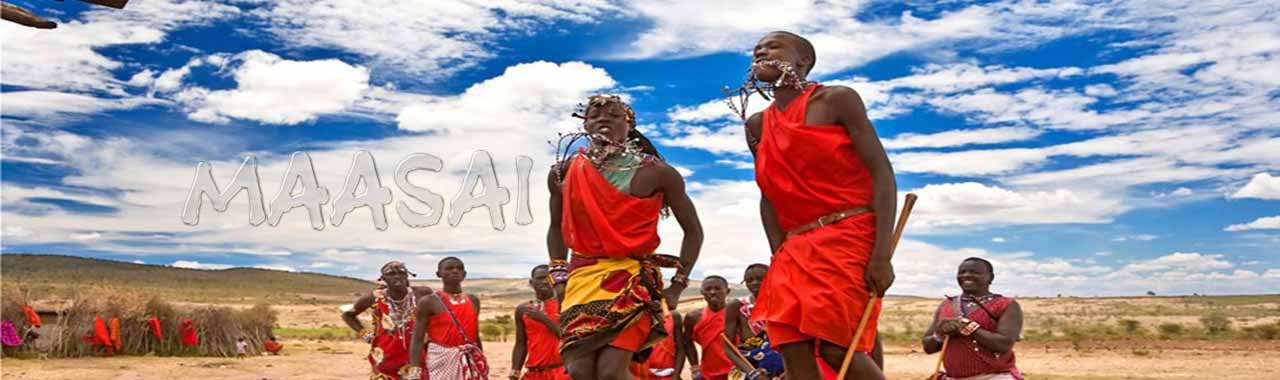
THE MAASAI AND NGORONGORO
“The Maasai’s pastoral lifestyle has always been compatible with conservation, and rather than being treated as interlopers the Maasai should be seen as an integral and beneficial part of the ecosystem” Matthew Ole Timan
The early foreigners who first met Maasai called the Jews of Africa and identified them as a nation not a tribe. They had maintained their strong and democratic government for many decades.
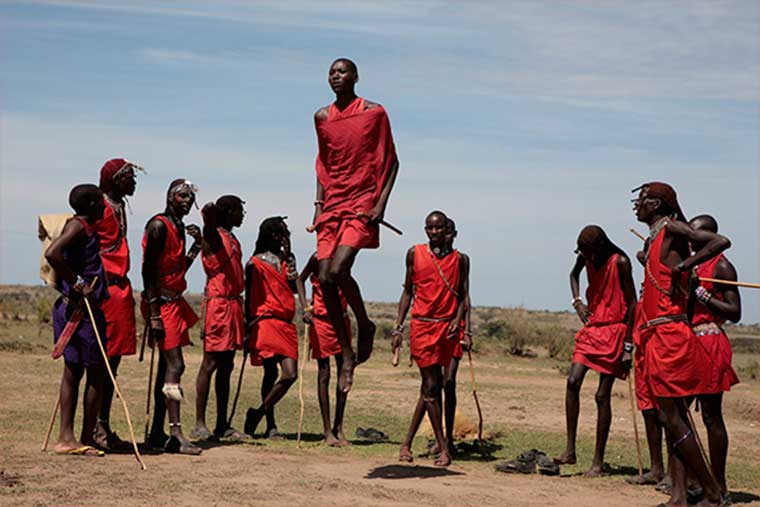
For thousands of years a succession of cattle herding people moved into the area, lived here for time and then moved on, sometimes forced out by other tribes. About 200 years ago the Maasai arrived and have since colonised the area in substantial numbers, their traditional ways of life allowing them to live in harmony with the wildlife and the environment, today about 42,200 Maasai pastoralists reside within the NCA, together with their herds of cattle, sheep, goats and donkeys.
During the rains they move out on to the open plains; in the dry season they move into the adjacent woodlands and mountain slopes.
The rights of the Maasai pastoralists who lived in the area when it was set up as a National park in June 1951 were safeguarded. However, no other Maasai were allowed to move in and any increase of their livestock was prohibited. No cultivation whatsoever is allowed within and around the Ngorongoro Crater and all Maasai involved in cultivation had to move out of the area.
The administration of the conservation area, whose objective is to maintain a steady balance between wildlife conservation and human interests was based on the three assumptions: firstly, that the Maasai would remain pastoral and not settle and adopt cultivation; secondly, that the pastoralism of the Maasai would continue to be traditional and extensive instead of becoming modern and intensive; and thirdly that enforced restriction against cultivation and settlement would in effect discourage such activity. The concept was that the pastoralists who have helped to shape the present ecosystem may continue their way of life in the area. The Maasai are allowed to take their animals into the crater for water and grazing, but not to live or cultivate there, elsewhere in the NCA they have the right to roam freely.
WHAT PROBLEMS DO THE MAASAI IN NGORONGORO FACE CURRENTLY?
"They said we would get a better place to live—one with good water and grass." OLE SERUPE (an elder representing the Maasai in Serengeti) recalled how the British had promised him new land in exchange for the move from Serengeti to Ngorongoro.
The Maasai got nothing of the sort. The British peeled off a 3,000-square-mile (7,800-square-kilometer) parcel to the east of Serengeti National Park and created a new home for the pastoralists in 1959. Designated the Ngorongoro Conservation Area, this reserve encompassed the desolate lands around Olduvai Gorge, the arid plains contiguous to the Serengeti, and a portion of the Crater Highlands, including the Ngorongoro Crater. An experiment in multiple land use, this new territory was to be a refuge for Maasai and their herds, for exceptional wildlife, and for the development of tourism.
Almost 50 years into that experiment, it would appear that wildlife and tourists are thriving in the Ngorongoro Conservation Area, but that the Maasai are struggling. Theirs is the old problem—too many people and too few resources, the same hard calculus that has caused so much conflict on the Serengeti's western borders. Numbers tell the story: The Maasai population has grown fivefold in the conservation area, from around 10,000 in 1954 to more than 50,000 today. At the same time they have less territory, having lost the most fruitful part of their new homeland in 1974, when they were evicted from the crater floor. Constrained by these and other developments, the Maasai face an uncertain future, hemmed in by Serengeti National Park to the west, by Ngorongoro Crater to the east, and by growing communities all around. Because their grazing range is limited, they have been unable to enlarge their herds to match their growing population. The result is that their wealth—still measured in livestock—has evaporated with the years, from an average of more than 26 cattle, goats, and sheep per person in 1960, to five for each Maasai today. They are forbidden to supplement their pastoral existence by farming on any scale larger than a subsistence basis out of fear that more intensive cultivation will degrade the area's natural habitat.
Having been uprooted twice before, the Maasai do not want to move again. And whether the government acknowledges it, the Maasai have already settled in to the Ngorongoro region for the long haul, having begun the slow, agonizing transition from the world of nomadism.
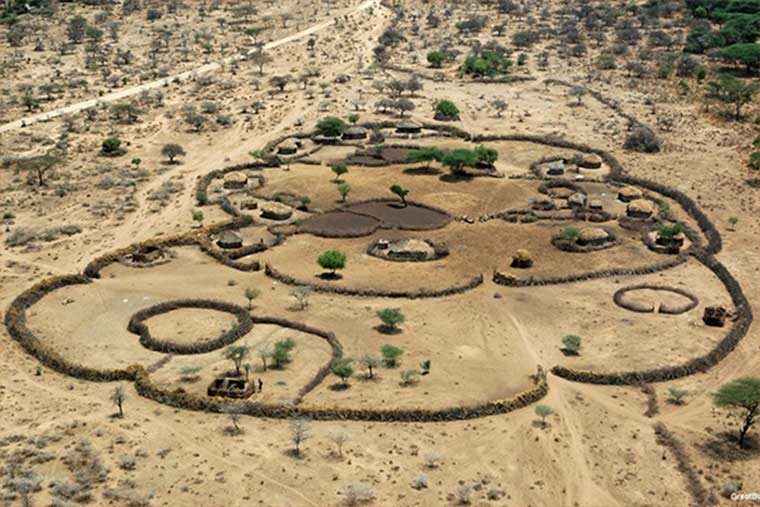
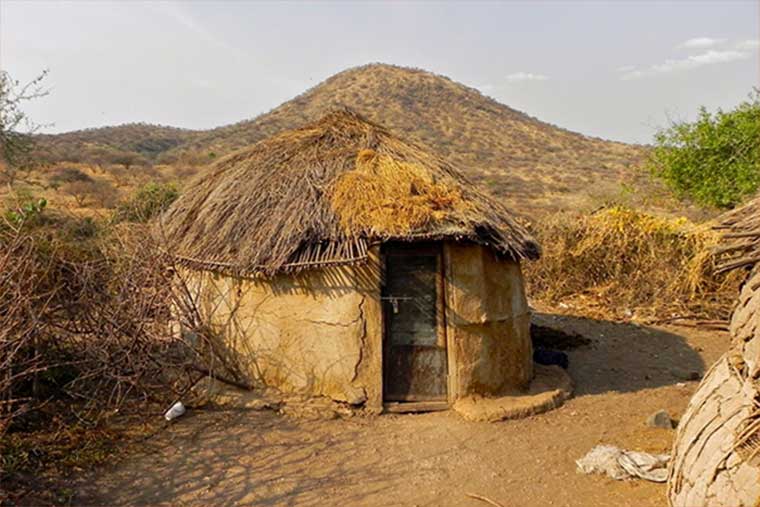
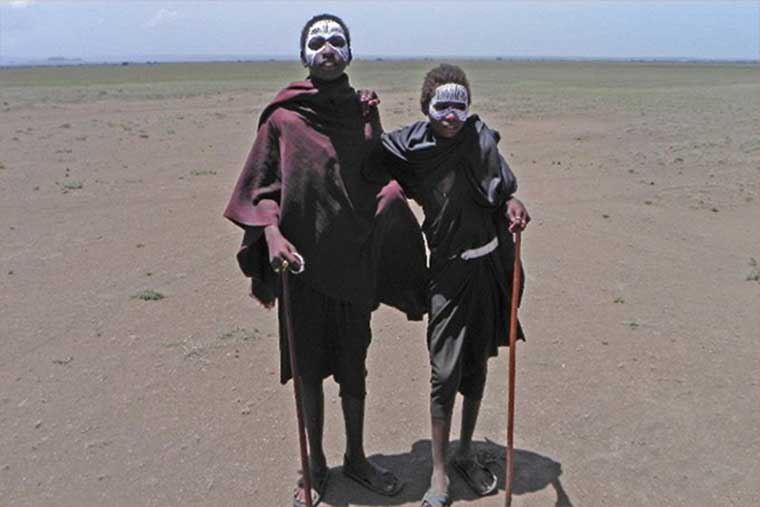
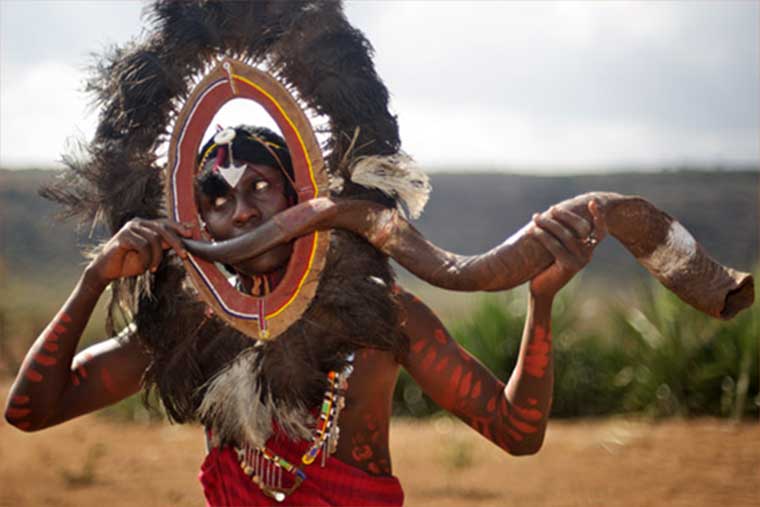
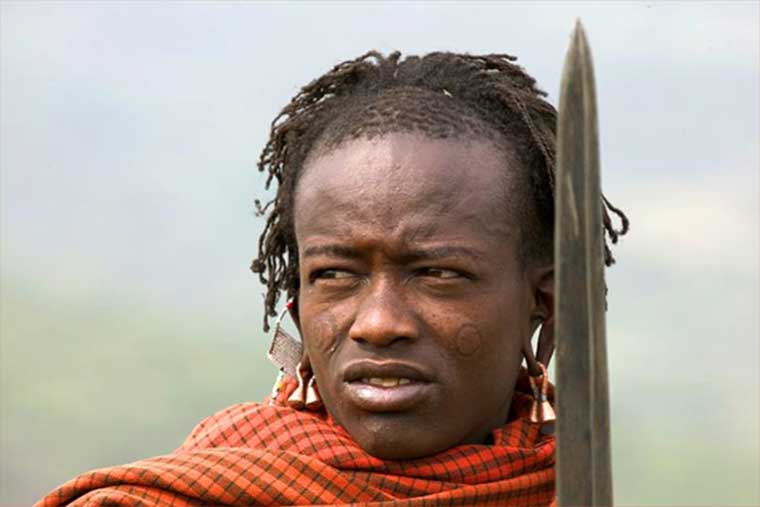
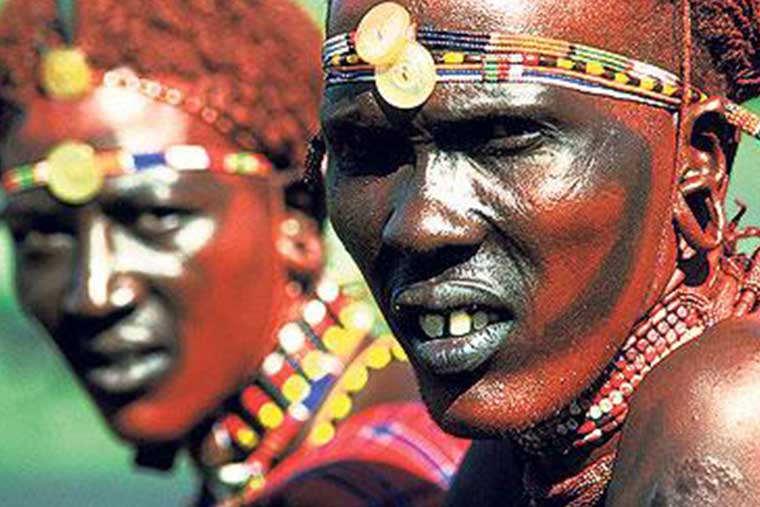
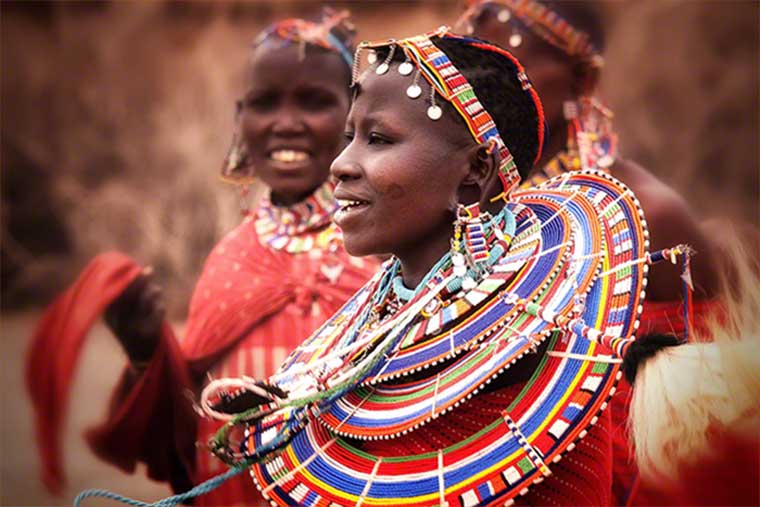
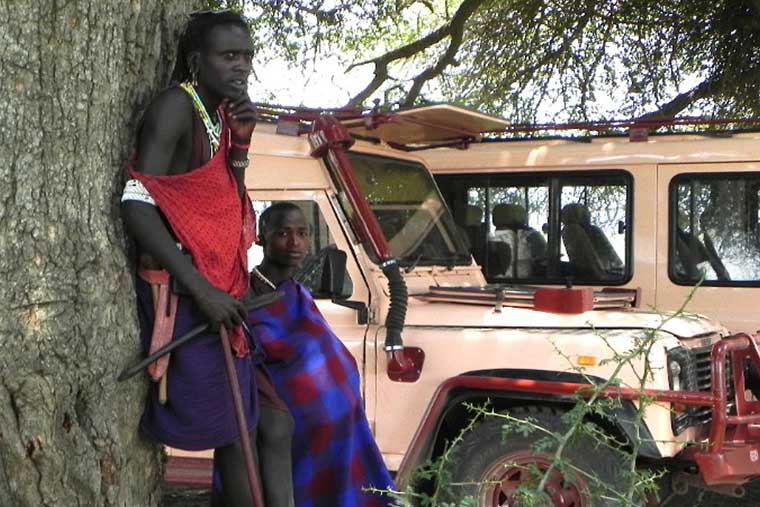
They still keep livestock—any Maasai worthy of the name must do so—but they have more goats and sheep than cattle these days, and they spend less time on the land, going out for a day or two rather than weeks or months. They return to live in permanent dwellings, fret about educating their children, take a keen interest in politics, and scratch away at the earth, working in vegetable plots outlawed by the conservation authority. The old ways are fading: Maasai intermarry with neighbouring tribes, fewer girls are circumcised, and fewer youths have the stretched and decorated earlobes of old. In Maasai country today, hiking boots, sneakers, and T-shirts have begun to replace traditional robes and sandals; and everywhere the twittering of cell phones sings from deep in the folds of Maasai togas. A new generation is leaving the villages to make their way in the world.
"I know where I am from," said one of these educated Maasai, Jombi Ole Kivuyo, who recently traded his warrior's spear for an apartment and a paycheck in Arusha. "But I don't know where I am going. I am like a blind man feeling his way."
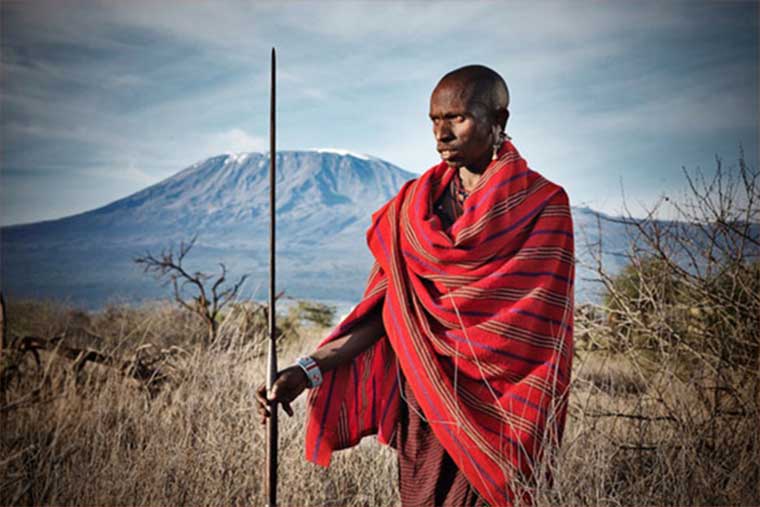
This young Maasai may stumble on his journey, but it is more likely that he will survive it, just as his ancestors survived the earlier disruptions of plague, war, eviction, and hunger because they were, to borrow a Maasai phrase, "tough as a hyena's sinew." They remain that way, striding along under the immense African sky, looking for the next hill.