
Zanzibar
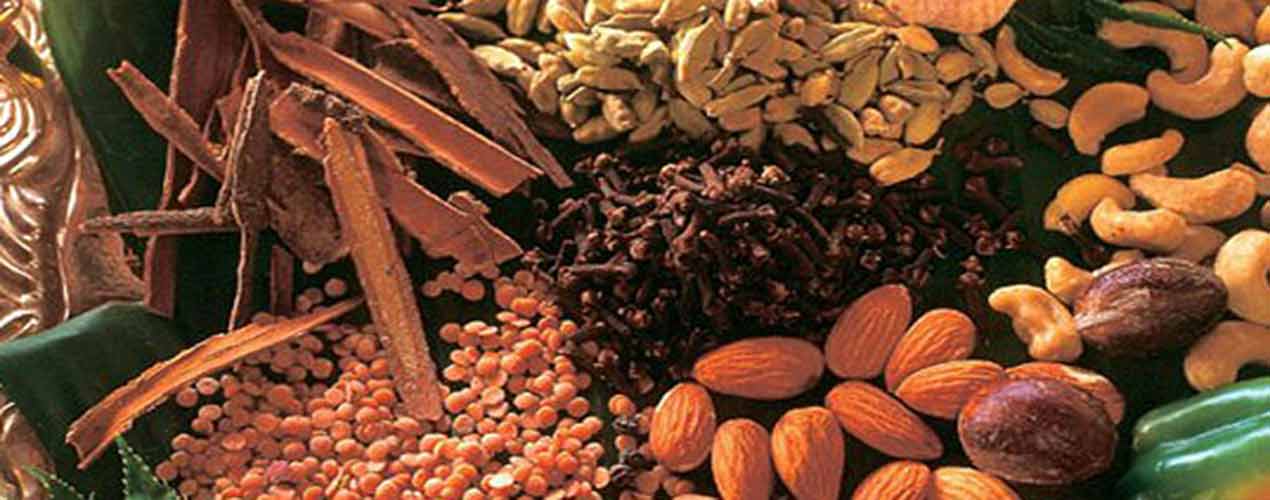
Zanzibar is commonly known as the ‘Spice Islands’ due to an aromatic mist of fragrances produced during the clove harvest season (July – December) and is also rich in other spices such as cinnamon, nutmeg, black pepper, cumin, ginger and cardamom.
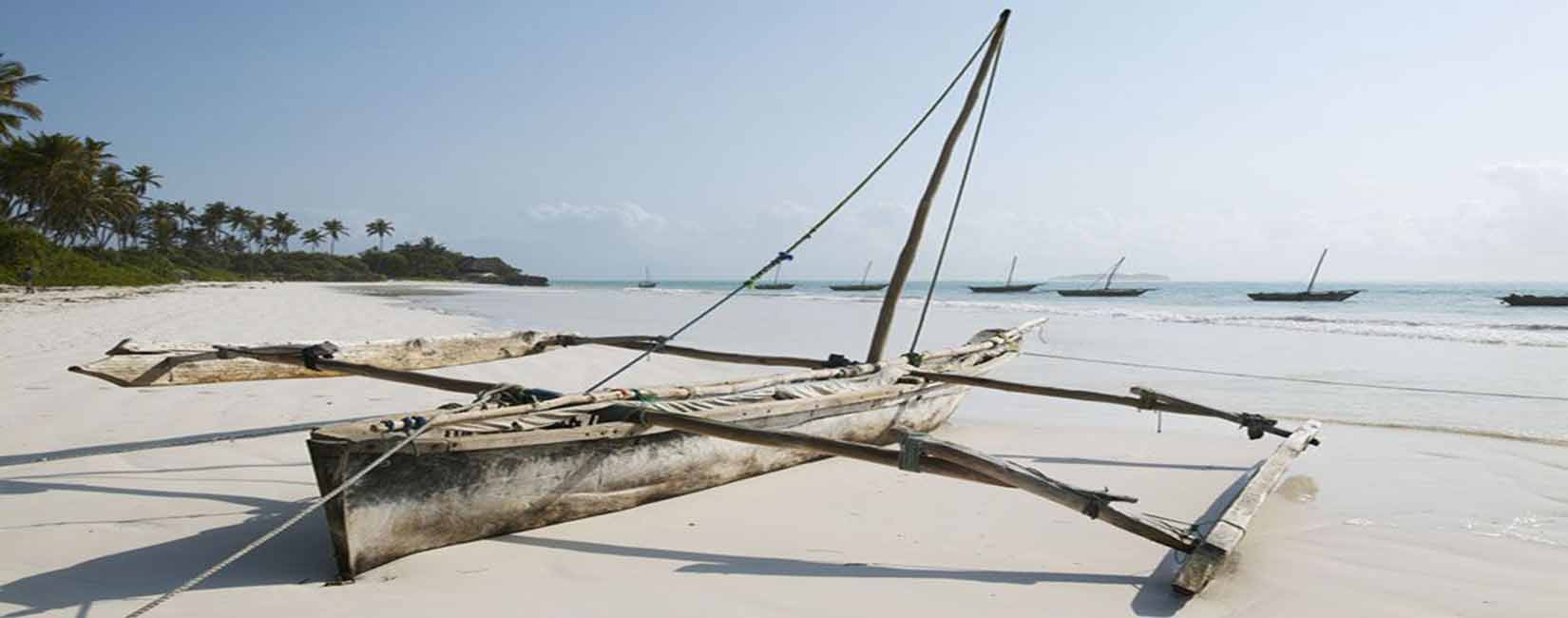
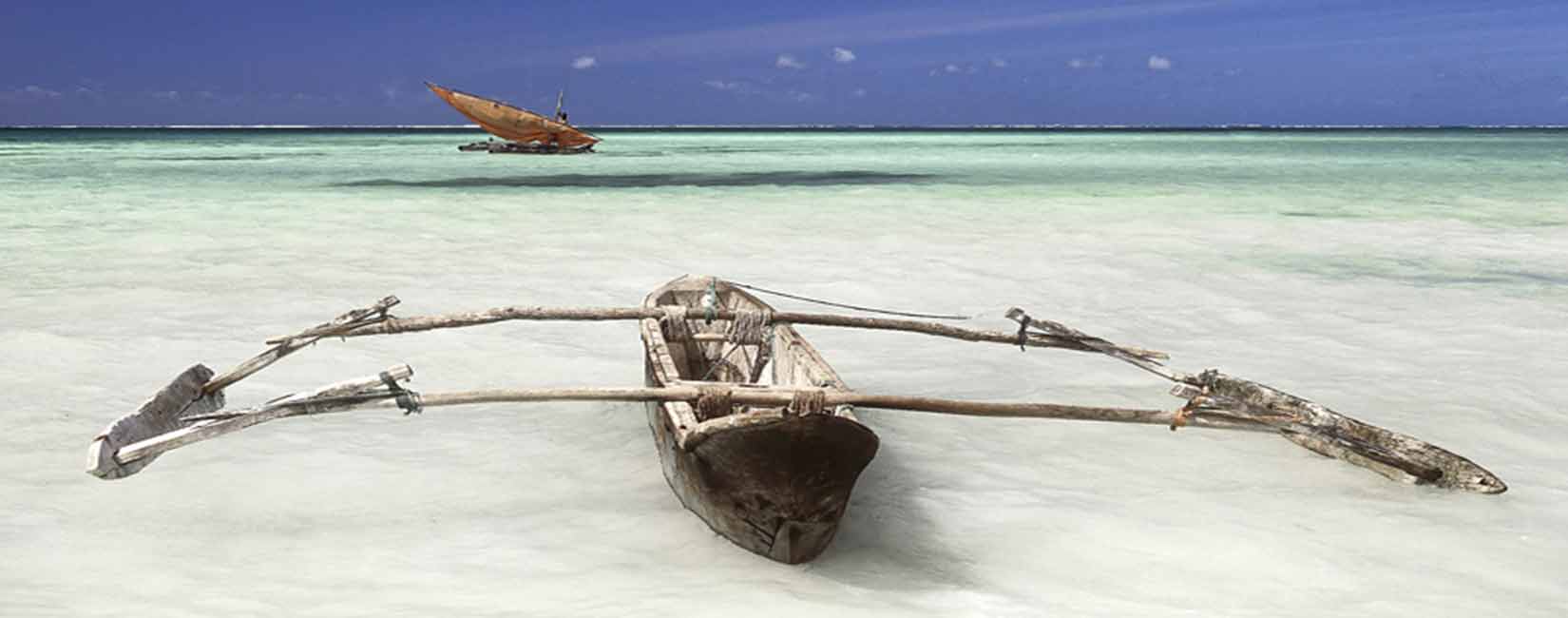
Zanzibar is a result of many influences and cultures from its long and colourful past, and this is reflected in its way of life and in its architecture, particularly in the charming stone town whose narrow streets are best explored by foot but beyond the veils of history also lies great beauty edged with natural tropical, white coral sands, palm-fringed beaches washed by clear blue water, just waiting to be discovered and enjoyed....
Two main Islands of roughly similar size make up the volatile unity known as Zanzibar, Unguja known outside East Africa as Zanzibar and Pemba known as the ‘Green Island’ the real island of cloves. Zanzibar was once part of the mainland from which it is now separated by a channel 40km wide whereas Pemba twice as old as its Pliocene sister arose from the sea.
The Stone Town declared as a world heritage site was built between 16th and 18th centuries, the structures were so soundly built they have survived for the most part without repairs, maintenance and redecoration since independence (1964) and it’s the only functioning historical city in East Africa as much of it remains as it was 150 to 200 yrs. ago.
A small part of a lasting Persian legacy survives in the name Zanzibar the origins from a Persian word ‘Zanghi-bar’ meaning ‘the negro coast’. The Persians intermarried with the Africans forming the Afro-Shiraz known as Swahilis a people with a distinct subculture, a new language was born based on Bantu but with an imposing Arabic superstructure. It’s now spoken throughout E.A and many parts of Central Africa but nowhere more purely than in Zanzibar.
Arabs from Muscat and Oman where the first arrivals and hence were the main land owners, the Zanzibar Islands provided an ideal base being relative small islands was easy to defend hence it was possible to control 1,500 km of a 10 mile strip from Mozambique to Somali, they were highly involved in the slave, spice and ivory trades, and they did not intermarry with the Africans.
Another smaller community was also established Indian traders who arrived in connection with the spice and ivory trade as elsewhere in East Africa, they settled as shopkeepers, traders, skilled artisans, money lenders, lawyers, doctors and accountants.
With the influences from Oman and Shiraz Zanzibar is overwhelmingly Islamic (97%) the remaining are Hindus, Christians and Sikhs, moreover the practise of Islam is tolerant and relaxed, social pressures on non-Muslims are minimal.