Tarangire National Park
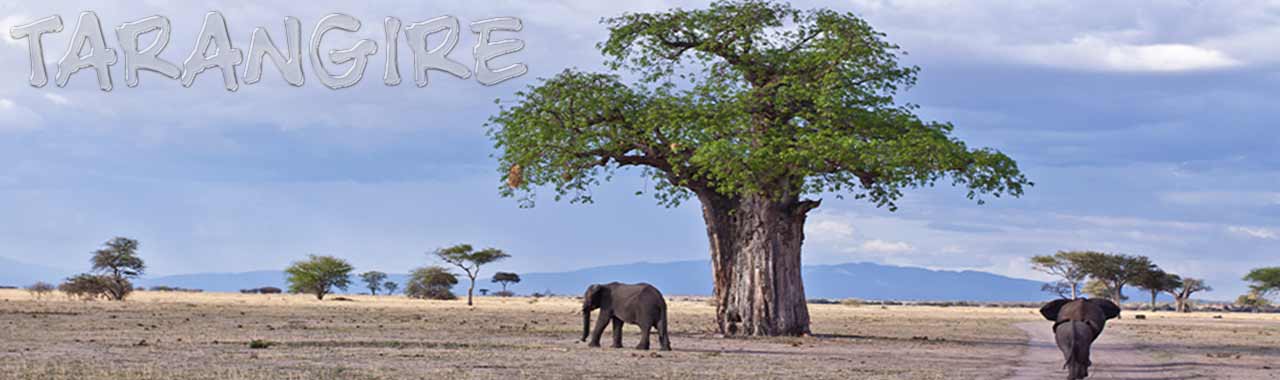
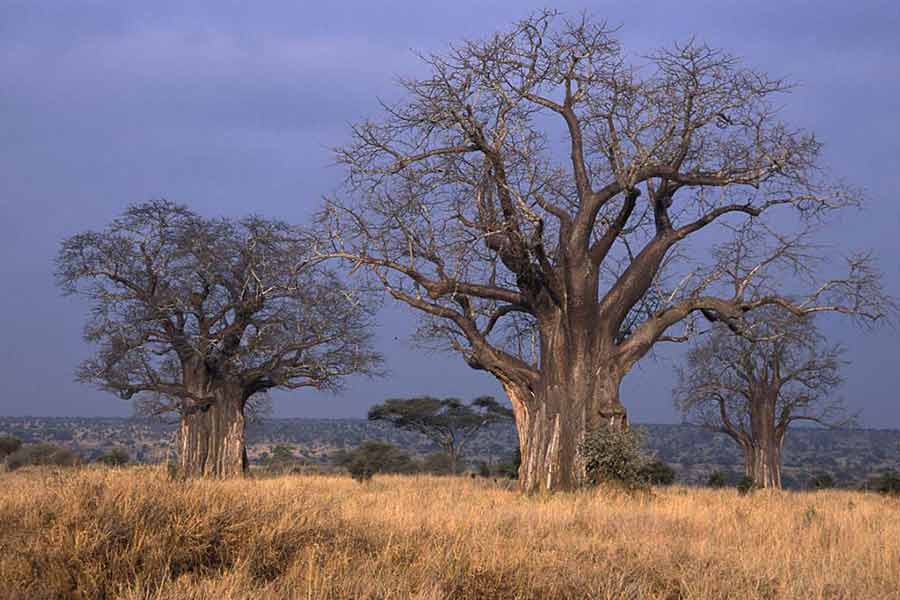
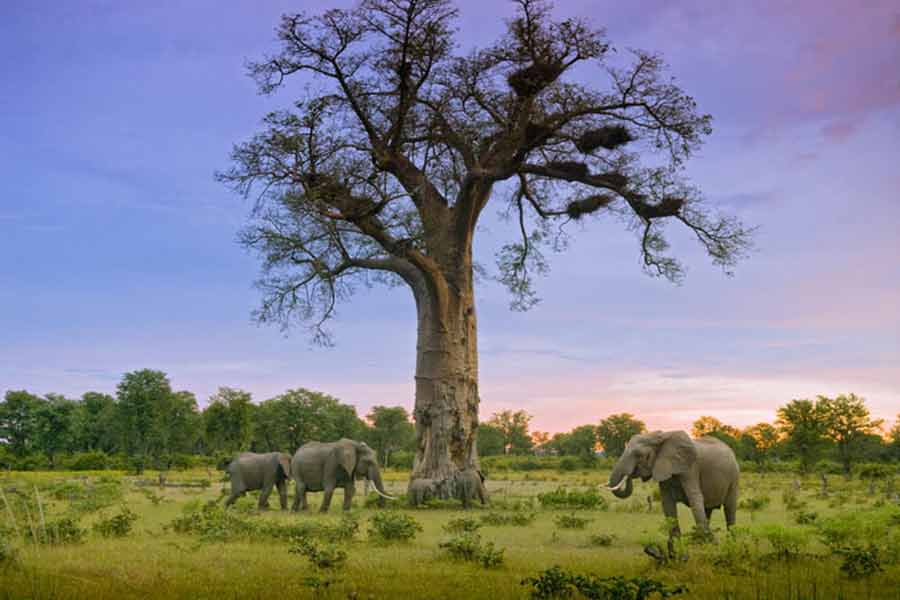
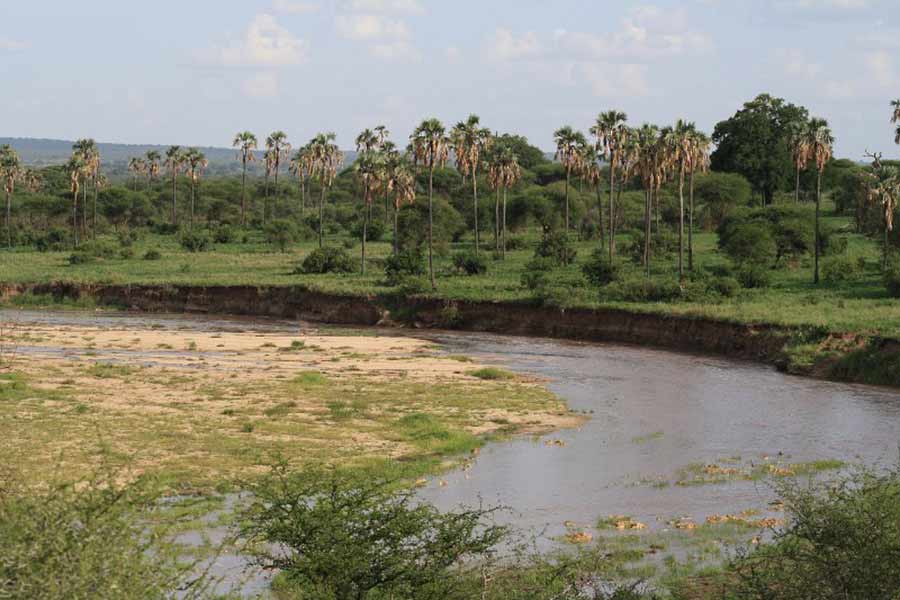
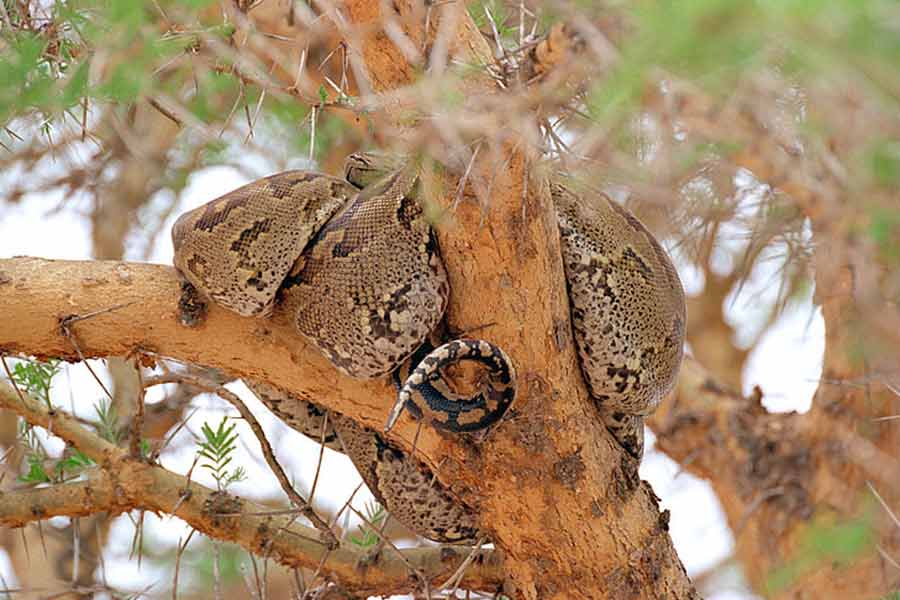
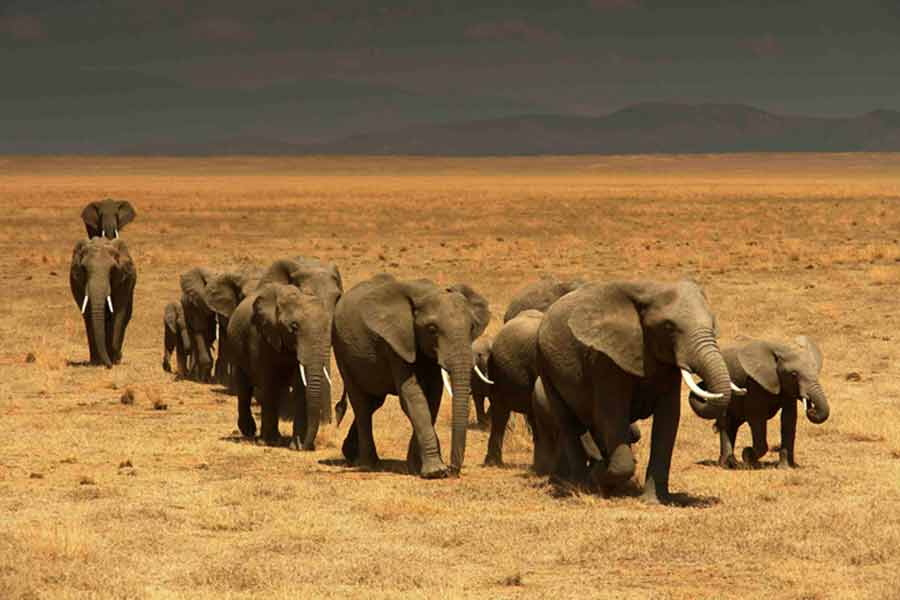
Major attractions: Acacia Tortilis (White Thorn) parkland, tree climbing pythons, large herds of Elephants, The Tarangire River, Swamps, Baobab Trees, a variety of birdlife and the landscape.
Tarangire is a long, thin park covering 2,600 sq. Km, roughly running north-south along the line of the Tarangire River of which its name comes from. It’s made up of chiefly low-lying, rolling hills on the rift floor, its variety of natural vegetation including acacia woodland and giant baobabs only altered by huge areas of swamp and rivers, which are a magnet for wildlife.
During the dry season particularly between July and Early November, it has one of the highest concentrations of wildlife of any of the country’s parks second only to Ngorongoro. It’s has its own mini-migration forming a ‘dry season retreat’ for much of the wildlife of the southern Maasailand. The ecosystem in this area involves more than just Tarangire, also included in the ecosystem are the Lake Manyara National Park to the North and a number of ‘Game Controlled Areas’ (Lake Natron, Simanjiro, Mto Wa Mbu, Lolkisale and Mkungunero, Game Controlled Areas.) The key to the ecosystem is the river and the main animal movements begin from the river at the beginning of the short rains around early November.
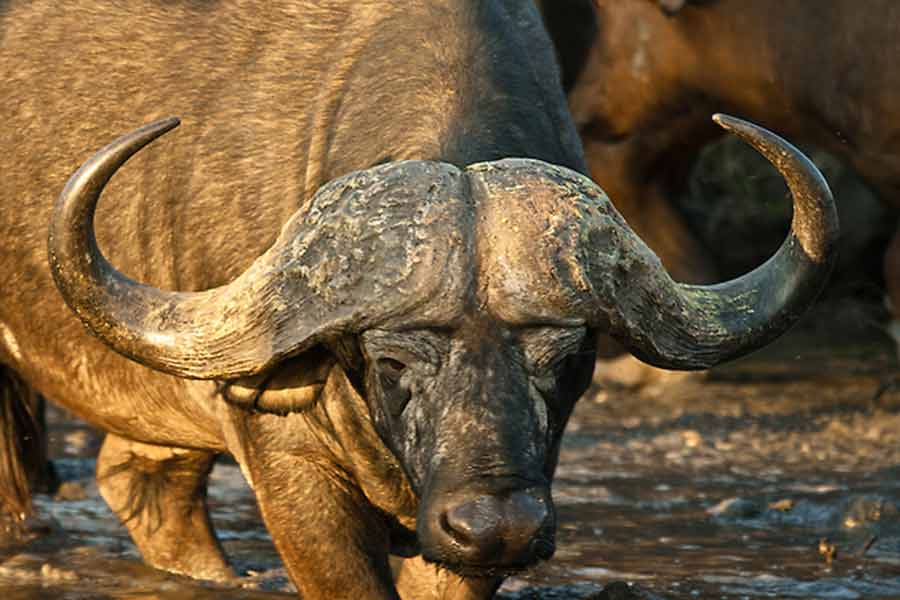
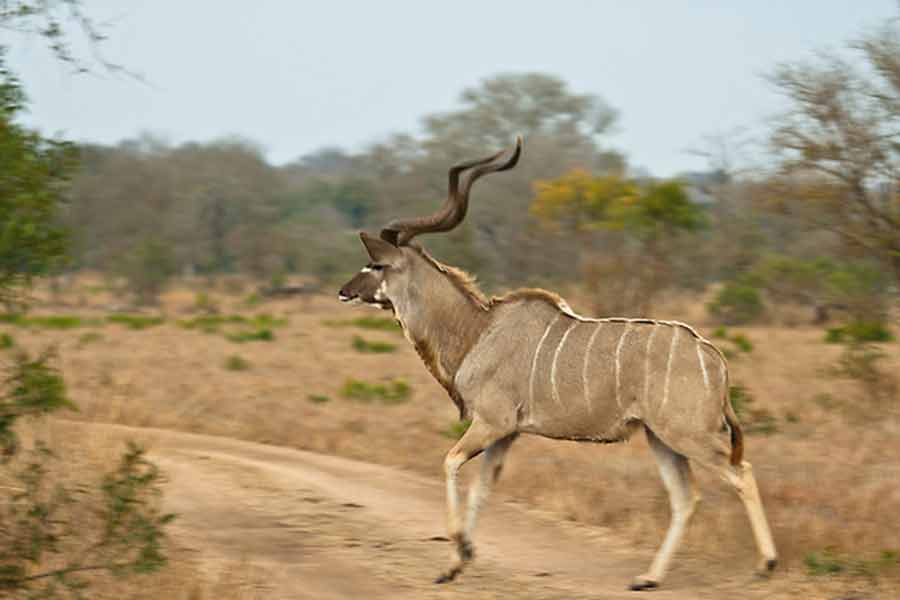
The animals that move North during the wet season include Wildebeest, Zebra, Thomson’s Gazelles, Buffalo, Eland and Hartebeest. The Elephant population is estimated around 6,000 (??). At the height of the rainy season the animals are spread out over an area of over 20,000 sq. Km. When the wet season ends the animals begin their migration back south and spend the dry season (July-October) concentrated around the River Tarangire until the rains begin again. There are also several dry country species that you will be unlikely to see in the bigger parks to the west, including Eland, Oryx, Grant’s gazelle and Gerenuk.
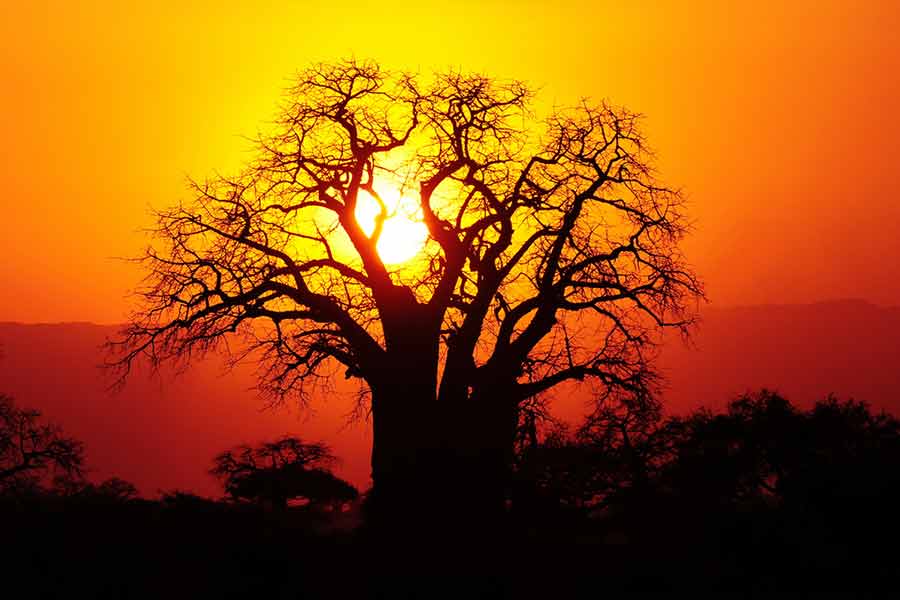
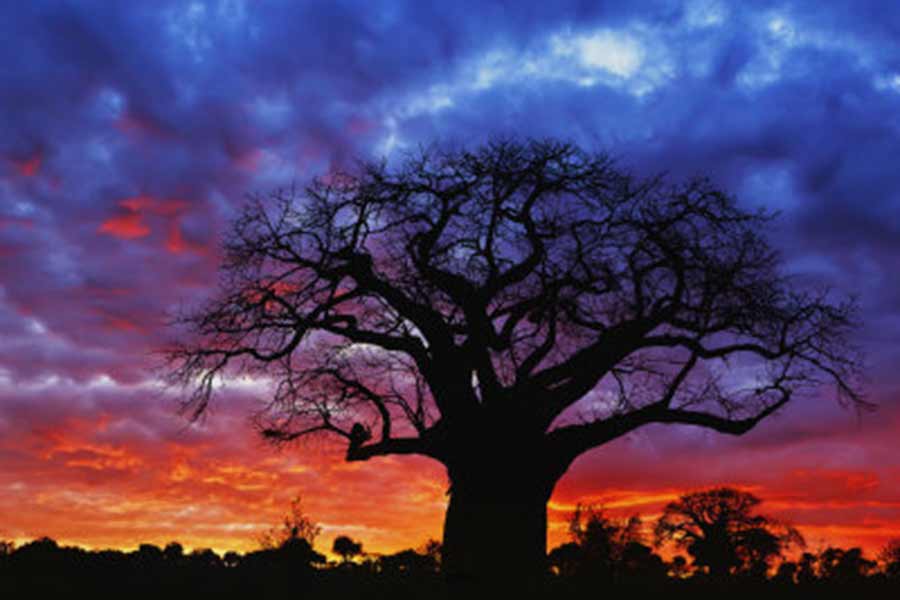
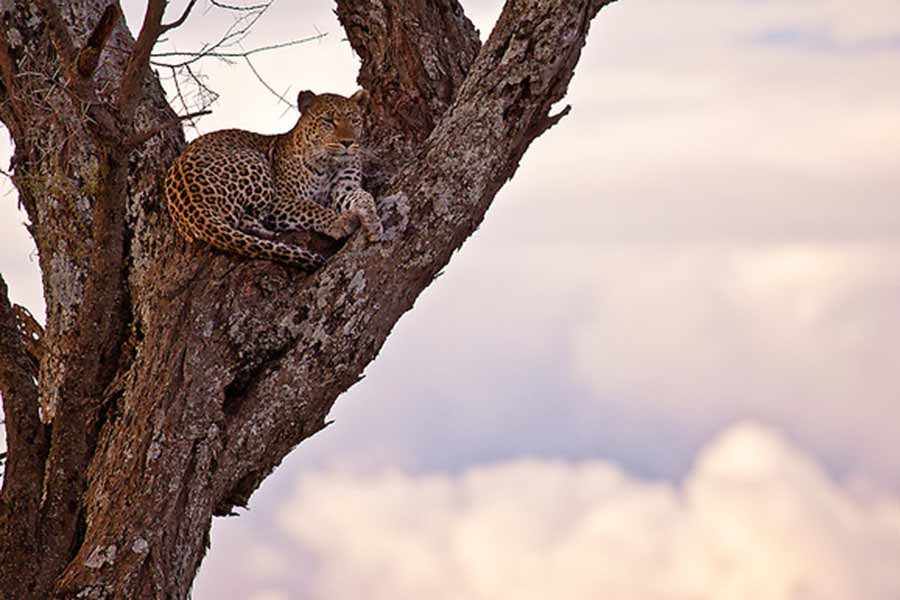
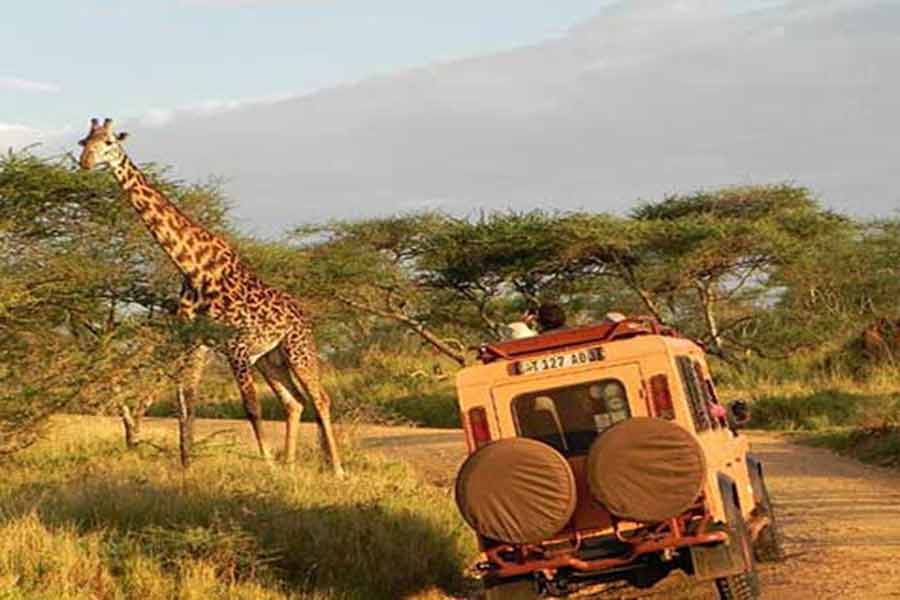
The major attractions in Tarangire include 9 distinct vegetational zones of which the Acacia Tortilis parkland is the most attractive to visitors, it’s here in this Acacia Habitat, one can witness one of the highest known diversities of the breeding birds in a single vegetation type, and 550 species have been recorded of which several are threatened or endemic. The park has an excellent number of Acacia species when compared to other areas, in total there are 16 species, the combination of Acacia Tortilis and numerous Baobab trees can take ones breath away!.