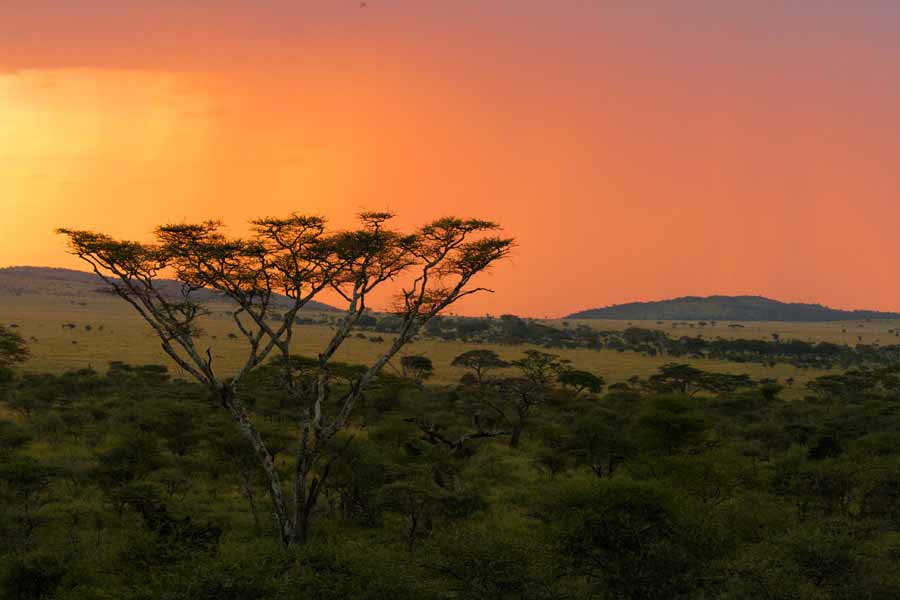
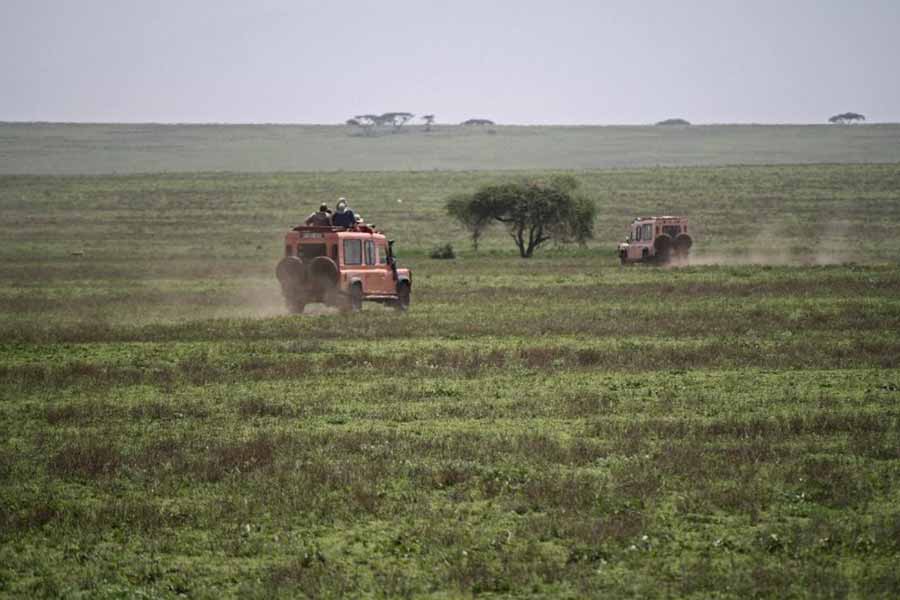
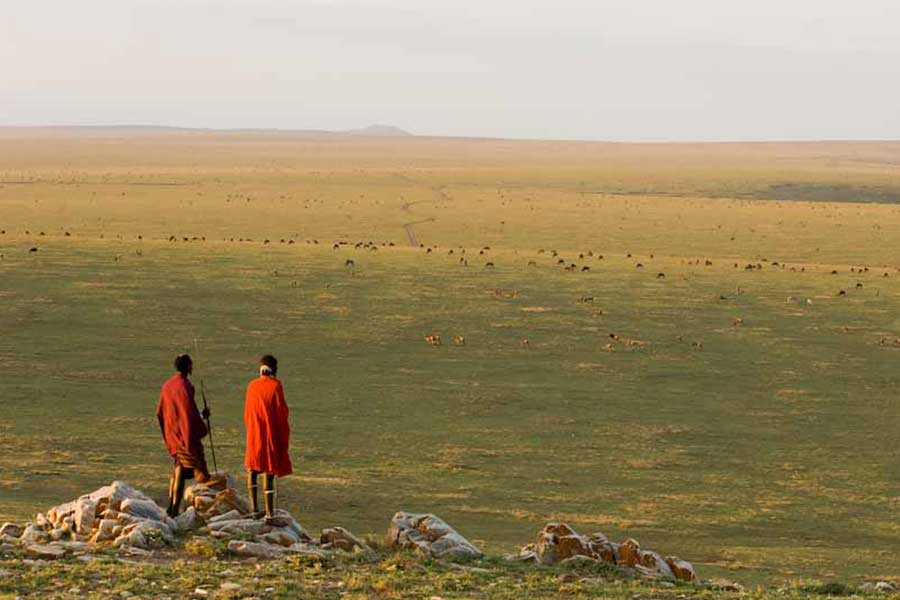
The mere mention of the name ‘Serengeti’ conjures up images of vast open plains, dotted with flat-topped Acacia Trees and brimming with wildlife, the original Maasai meaning of the word ‘Siringitu’-the place where the land moves on forever, the park is situated on a high plateau in Northern Tanzania and is safely nestled between wildlife buffer zones and physical boundaries which include Lake Victoria directly to the East and the Gregory Rift Valley and the Ngorongoro Highlands to the West
The awe inspiring natural phenomenon of the migration certainly contributes to the fame of the Serengeti though there is much more to this wonderful place and a staggering variety and number of wild creatures.
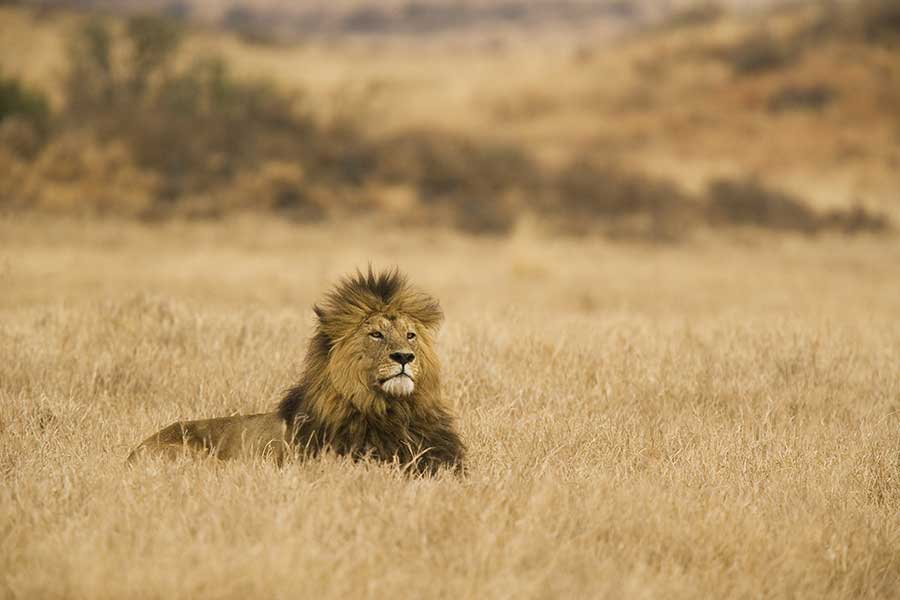
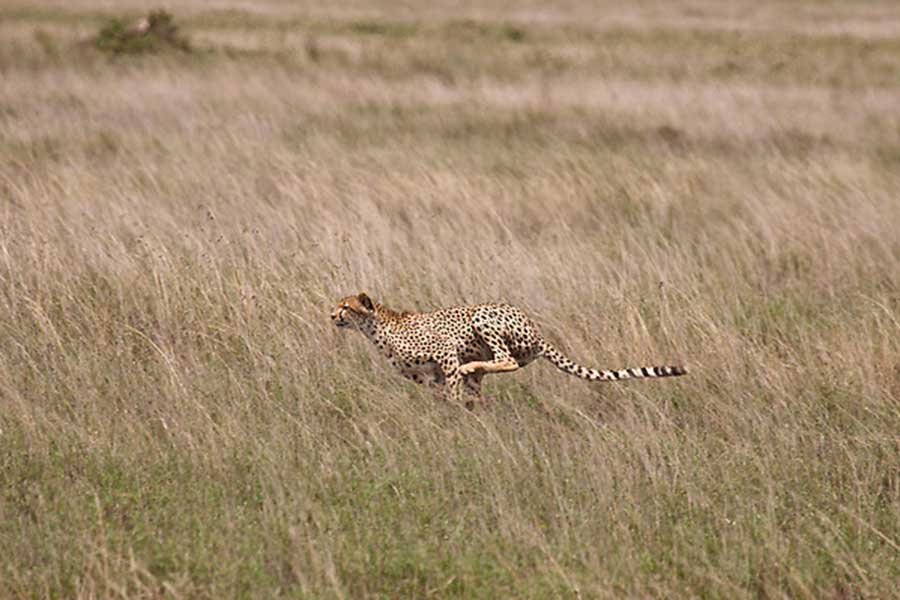
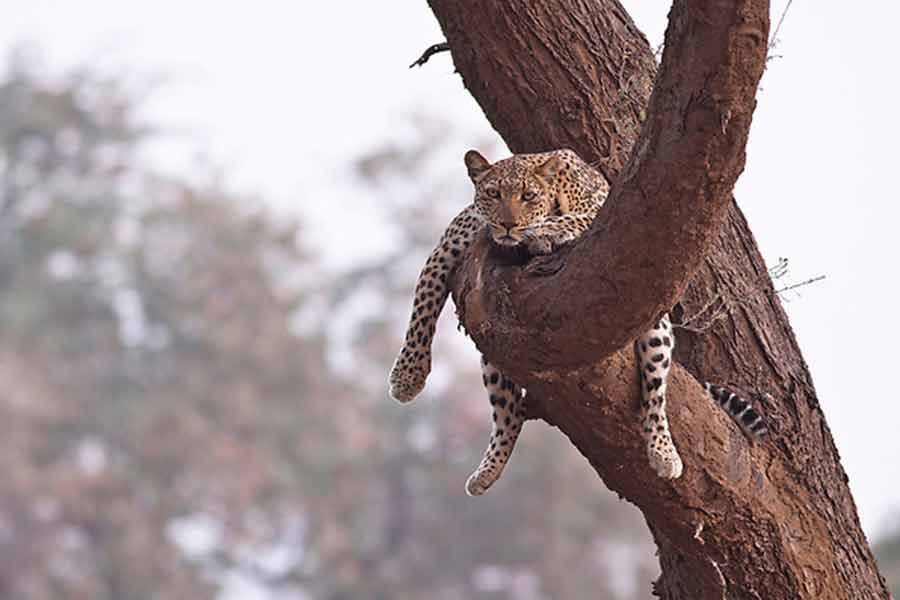
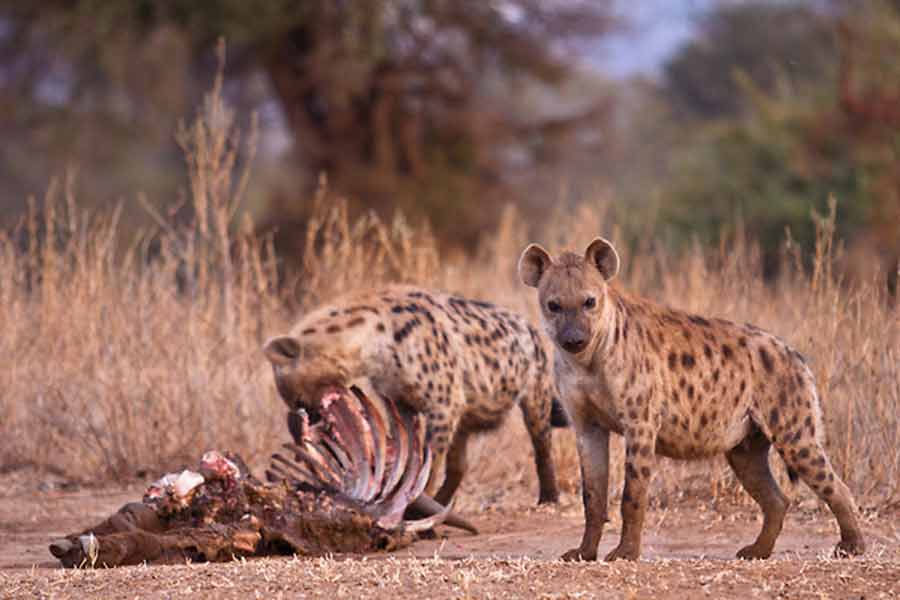
Apart from ungulates the park has about 7,500 hyenas and 2,800 lions in a spectacular setting, in total there are over 12,000 predators including cheetah and leopards etc.
The park is usually described as divided in three regions, the Serengeti plains, the Western Corridor and Northern Serengeti which includes both Seronera and Lobo.
open grass and wood lands
Seronera is an ‘eco-tone’ a transitional zone between open grassland in the southeast and woodland grassland in the southeast, the significance of which is that it supports a higher diversity of flora and fauna and a larger animal population both resident and migratory...
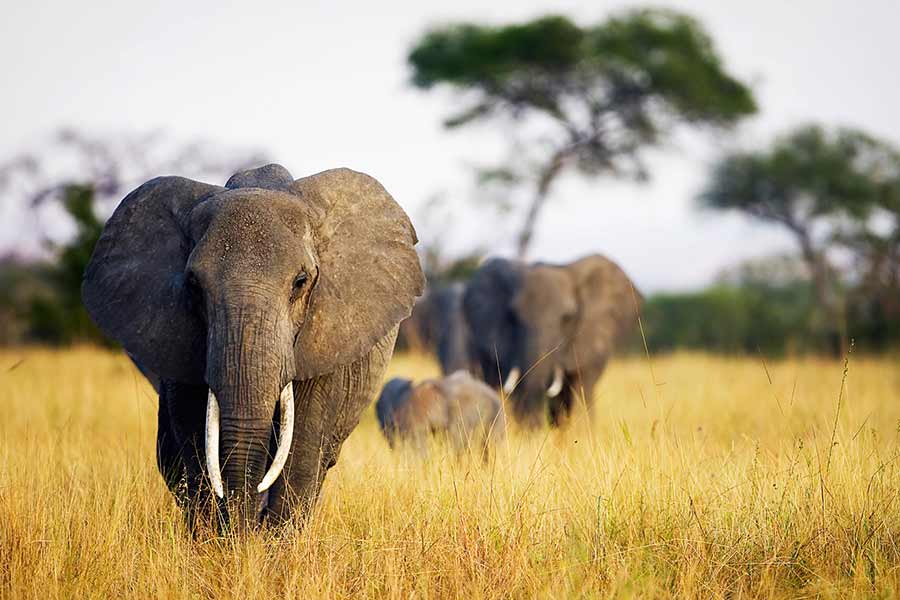
The woodlands cover the majority of the northern and western part of the park, the Serengeti was not always like this and has infect shifted from being almost entirely open plains to dense woodlands twice in the past century, scattered throughout the landscape are a few very large old Acacia Tortilis trees that began life in a burst of growth in 1900, spread throughout the park are areas of dense bush and trees that began life in a similar burst during the late 1970’s. This is the story of disease and hunting, weather and illegal poaching that had affected the two major elements that control the establishment of new trees that is Elephants and fire and is one of the most dramatic stories of the ecology in the Serengeti.
endless plains and kopjes
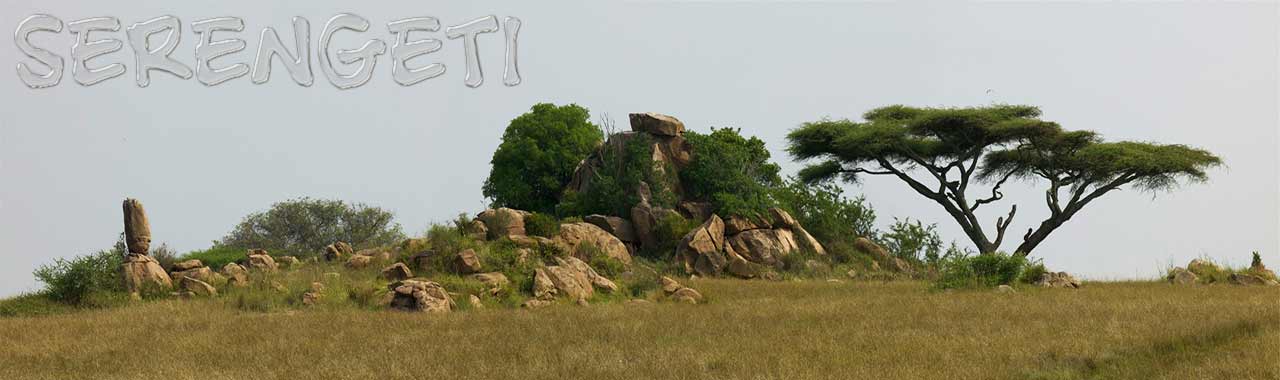
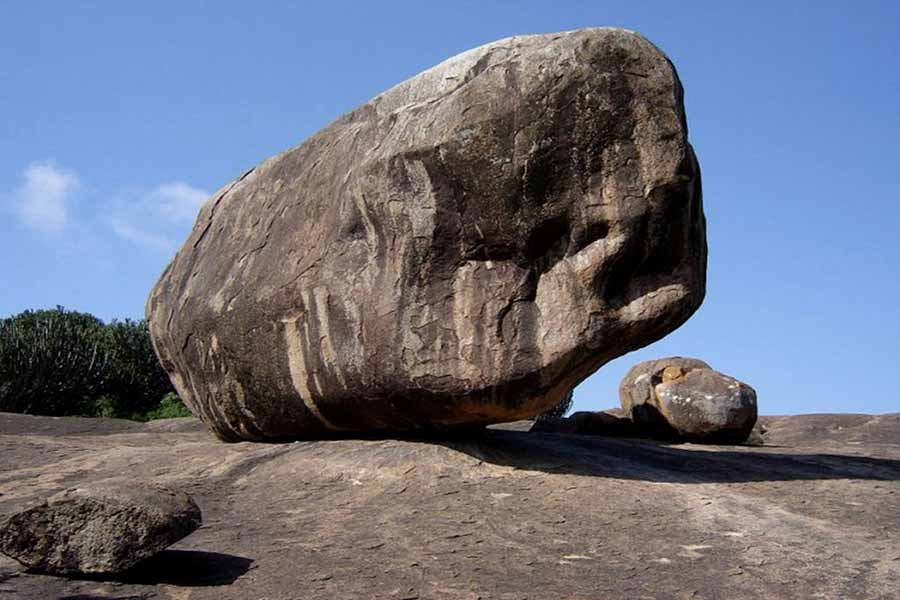
The Great grassy Serengeti plains seem to stretch on all sides to the horizon and during the wet season like an endless green sea, lodged on the grassy swells are islands of grey rocks, islands with trees and resting birds known as Kopjes, meaning ‘little heads’ in Afrikaans
Below the layers of volcanic rock and ash that form the soil of Serengeti is a thick layer of extremely old metamorphic rock, Late in the Precambrian, a giant bubble of liquid granite forced its way up from the liquid layers below the Earth’s crust and into the Tanganyika Shield.
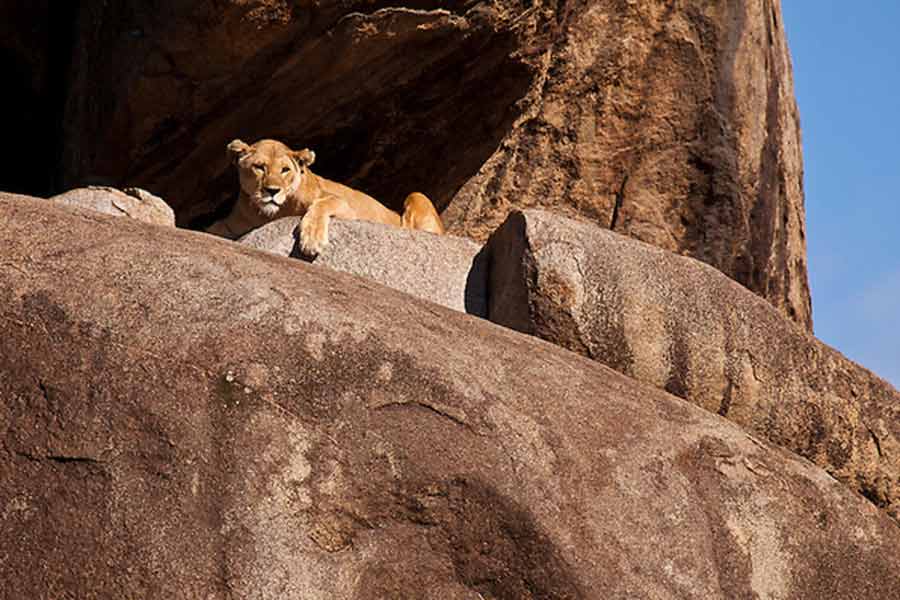
Today as the softer metamorphic rocks of the shield wear away, the uneven top of the granite layer is exposed, forming KOPJES (pronounced kopys) that range in size from a few feet to a hundred meters, being very different from the surrounding grasslands or wood lands in Serengeti, they provide among other things protection from grass fires, more water in the ground around them, holes cracks and caves for animals and a vantage point for hunters of all kinds.
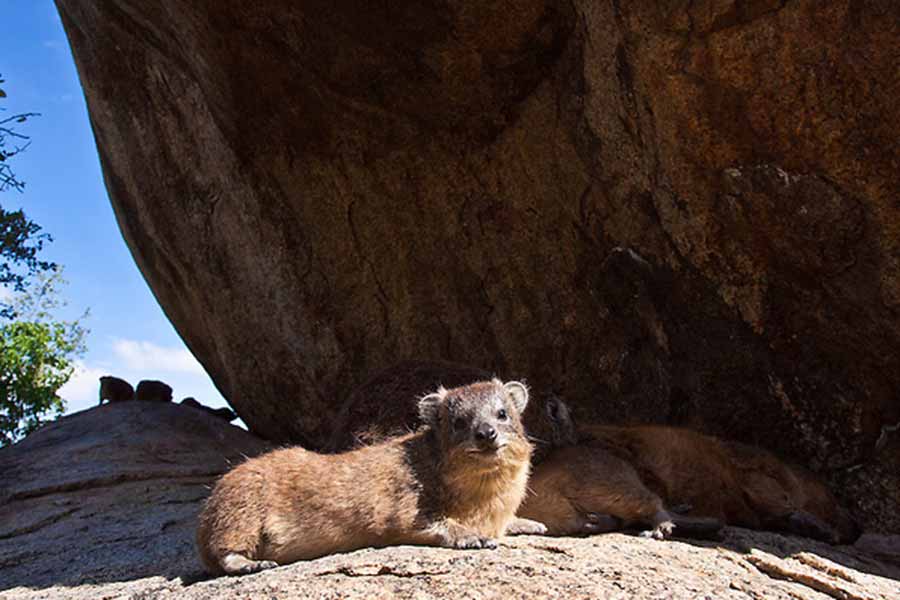
Hundreds of species of plants grow on them but not in the surrounding grasslands. There are many animal species that only live on Kopjes because of the special plants that grow there and the special rocky habitats and hiding places there.
Some come in clusters and so have characteristic names, a few of which are accessible by road such as Gol, Naabi, Barafu, Moru, Maasai and Simba Kopjes...Animals that can be found there range from insects, lizards and snakes, to mammals such as shrews and mice up to large specialist mammals, such as lions. Lions regularly hide their cubs as well as cheetahs...
The Migration
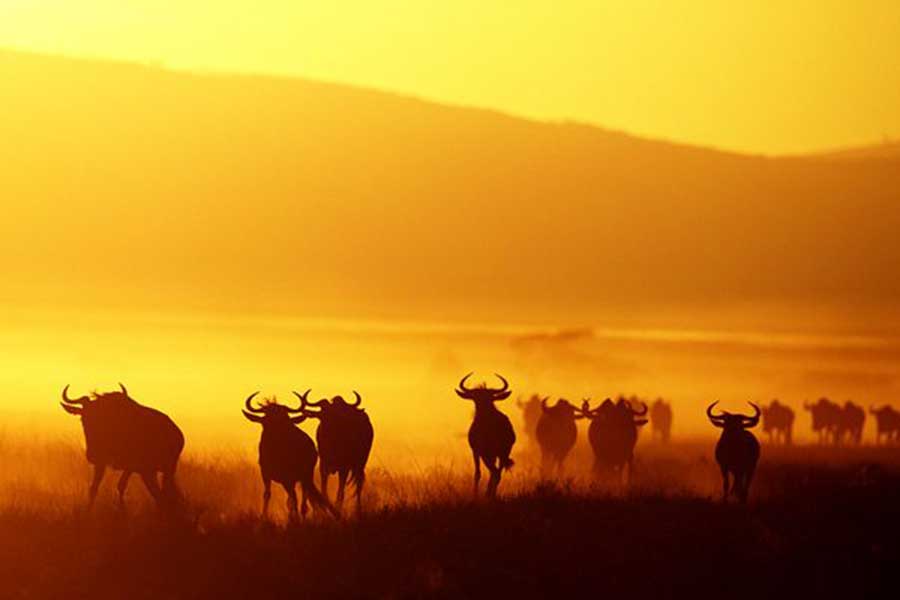
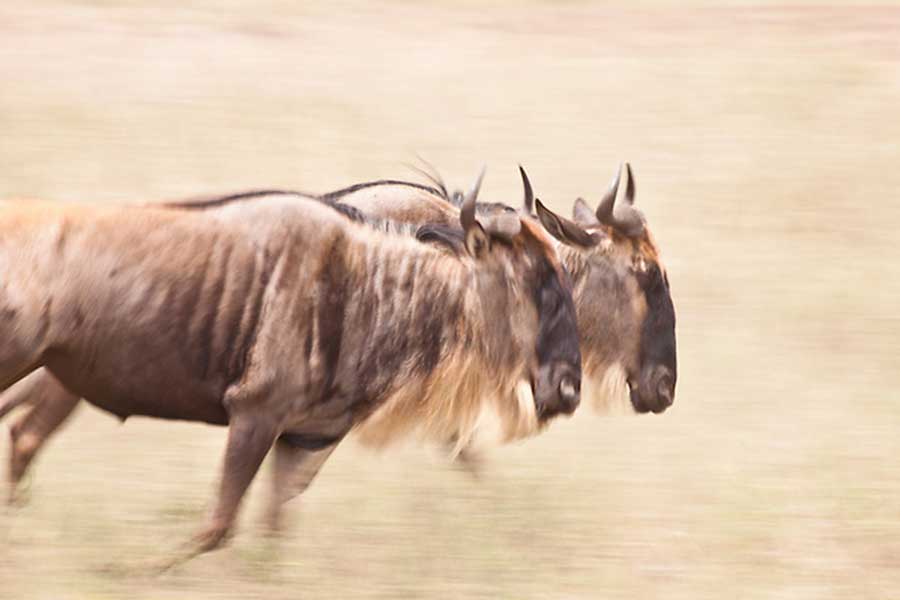
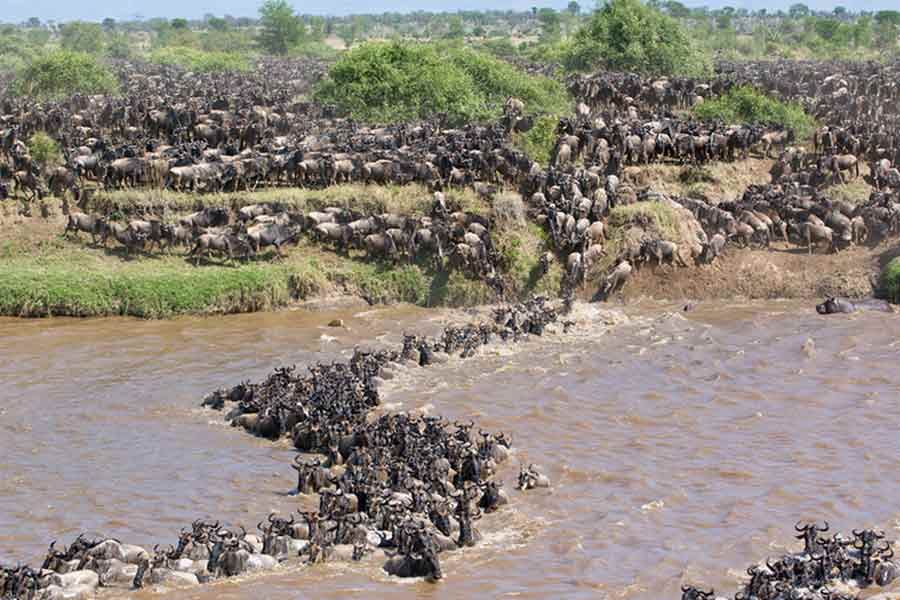
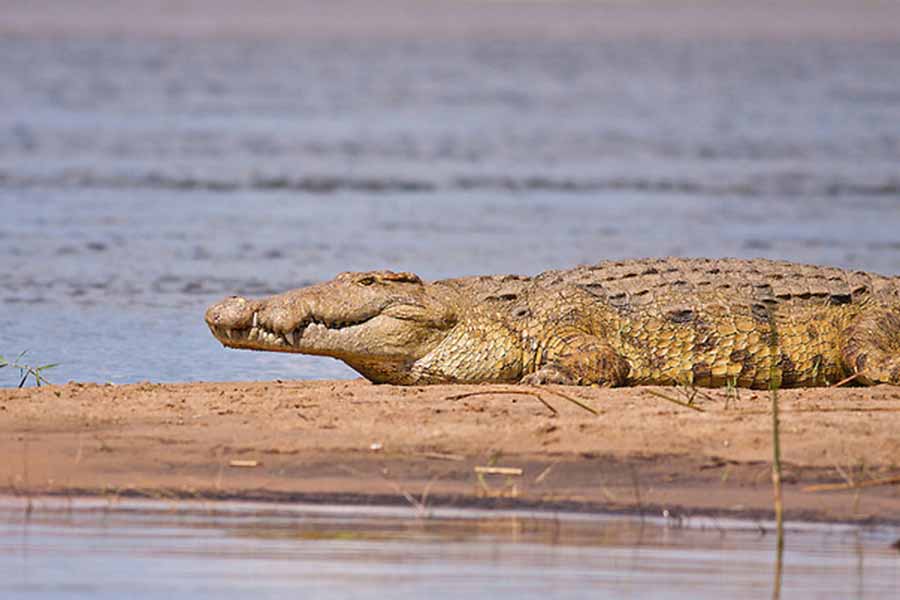
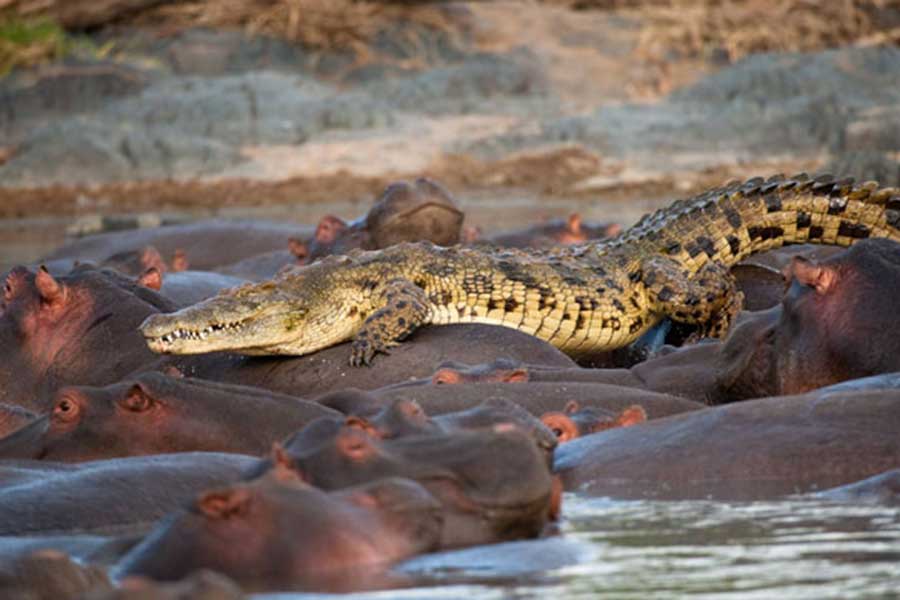
Imagine a column of wildebeest 40km (24 miles) long and two or three abreast, patiently plodding across the plain hour after hour, now multiply that until you have about 1½ million wildebeest , throw in some 300,000 zebras, another 300,000 Thomson’s gazelles, and about 30,000 Grant’s gazelles, all on the move for fresh new grass. Imagine it taking 2 weeks for the column of animals to pass a single spot, and visualize them all bunching together into protective herds in the evenings or scrambling across on each other’s backs in their panic to cross the river and stay clear of the snapping jaws of the crocodiles. Imagine the lions and hyenas roaring and cackling as they prowl the outskirts of the herds looking for weakened animals. Now you may just begin to have an idea of the awesome spectacle that is the great Serengeti Migration.
The Wildebeest migration in the Serengeti Ecosystem is older than modern man, there is evidence at Olduvai Gorge of more than one million years ago that shows seasonal breeding and feeding grounds at the Serengeti plains. Today, this migratory herd of animals is the largest left on earth and they move freely within the Serengeti ecosystem even across international borders. So strong is the ancient instinct to move that no drought, gorge or crocodile infested river can hold them back!!
Wildebeest for the bulk of the migration being the most numerous, Zebra’s form the second largest group of migratory animals and largely follow the same route as the Wildebeest, Eland and Thomson’s Gazelle don’t follow the 3000 km (1870 miles) of migratory routes but they do join in on shorter routes, altogether they number at 2 million animals at once on the short grass plains consuming about 4000 tons of grass daily. They all live amicably together, part of a carefully balanced cycle that allows them to get the maximum amount of food from any area. The wildebeest are the most dedicated travellers on their quest for the finest shoots. The zebras are less picky, going for quantity rather than quality, so need to travel less far, behind them come the smaller gazelles, nibbling the delicate new growth. The wildebeest keen sense of smell, the zebra’s fine eyesight and the gazelles acute hearing together create a formidable early warning system, while the huge herds make it easier to stay alive. These defences are very necessary – such a smorgasbord attracts the predators in droves...
THE ANNUAL MIGRATION PATTERN is a circular clockwise route starting on the short grass plains going north to the Maasai Mara and back again.
Endless Plains...
“I do not know of any country which is, in terms of earth, of solid matter, so nearly the equivalent of the sea. There seems to be no end of it” Laurens van der Post, Venture to the interior, 1963.
After spending the dry season in the wetter northern woodlands of the Serengeti, the Wildebeest follow the seasonal rains south and move onto the Serengeti Plains.
Only about a third of the park is made up of the flat grassy plains which gave the park its name-Siringitu is Maasai for ‘the place where the land moves on forever’. However it the role these plains play in the migration that has made the area so special. The soil here has a volcanic origin formed from the Ngorongoro Highlands, the soil formed solidification as various depths giving the soil the ability to retain surface water ensuring immediate germination of grasses offering almost instant grazing a trait favoured by the migration. It also has high levels of phosphates and calcium, which are very important for growth and lactation making the plains an ideal place for the migratory animals to have their young...
The migration reaches here at the start of the wet season December-April; they remain here to feed on the nutrient rich grass during the breeding season, in three weeks from February to March over 90 percent of the females (around 500,000 animals) give birth, producing about 8,000 calves a day. Calves can stand within 7 minutes and within 2 days can outrun a lion, the herds remain in the south, allowing their young time to build strength before heading north as the grass runs out and the cycle begins again.
During the late wet season April to June there is a general movement to the north west of the plains, its towards the end of this period that rutting season starts while they are on the move and small temporary territories are established by the males who then attempt to attract females into their areas, it is limited to a short period of time so that births can be synchronised to provide more protection against predators, once matting has occurred the herds merge together and the migration continues to the north-west.
The Serengeti Ecosystem
The Serengeti ecosystem encompasses the Serengeti National park itself, The Ngorongoro Conservation Area, Maswa Game Reserve, The Loliondo, Grumeti and Ikorongo Controlled Areas and the Maasai Mara National reserve in Kenya.
Two world heritage sites and two Biosphere reserves have been established within the 30,000 km2 region (twice the size of the Serengeti National Park). Its unique ecosystem has inspired writers from Ernest Hemingway to Peter Mattheissen, filmmakers like Hugo von Lawick and Alan Root as well as numerous photographers and scientists.
The Serengeti ecosystem is one of the oldest on Earth. The essential features of climate, vegetation and fauna have barely changed in the past million years. Early man himself made an appearance in Olduvai Gorge about two million years ago. Some patterns of life, death, adaptation and migration are as old as the hill themselves.
‘The physical fact of Africa is by far the most exciting and interesting thing about it” Laurens van der Post, Venture to the interior, 1963
Africa is an extremely old continent. Some say it’s as old as 4,000 million years older than Europe or North America. You can see the age from the air; the millions of years of weathering have torn down mountains and turned much of Africa into a series of endless, rolling plains and hills. One of the exceptions to this is the very geographical active East African Rift, with the rift valley and the volcanoes it’s produced.
The East African rift is the place where two plates are moving away from each other. The resulting cracks have produced both the very dramatic Rift valley and the volcanoes on either side of it. Mt. Kilimanjaro, Mt. Kenya, Mt. Meru and Ngorongoro are a few of the best-known examples of the Rift’s volcanoes.
These volcanoes are relatively young and one is still active today, as are hot springs and steam vents within Ngorongoro. As these volcanoes erupted, they covered the eastern parts of the Serengeti with ash and larger particles. The soils of the Serengeti Plains are derived from this volcanic ash.