The Area is a crucial part of the Serengeti ecosystem, supporting both large resident populations of wildlife and the majority of the migratory species during the wet season. In addition the forests of the highland areas are a vital water catchment for the surrounding, densely settled agricultural lands.
Exceptional resources ranging from topographical to cultural features; from ecological to faunal resources; archaeological and paleontological sites; have rightly accorded the NCA the status of a world Heritage site and the international biosphere reserve by UNESCO.
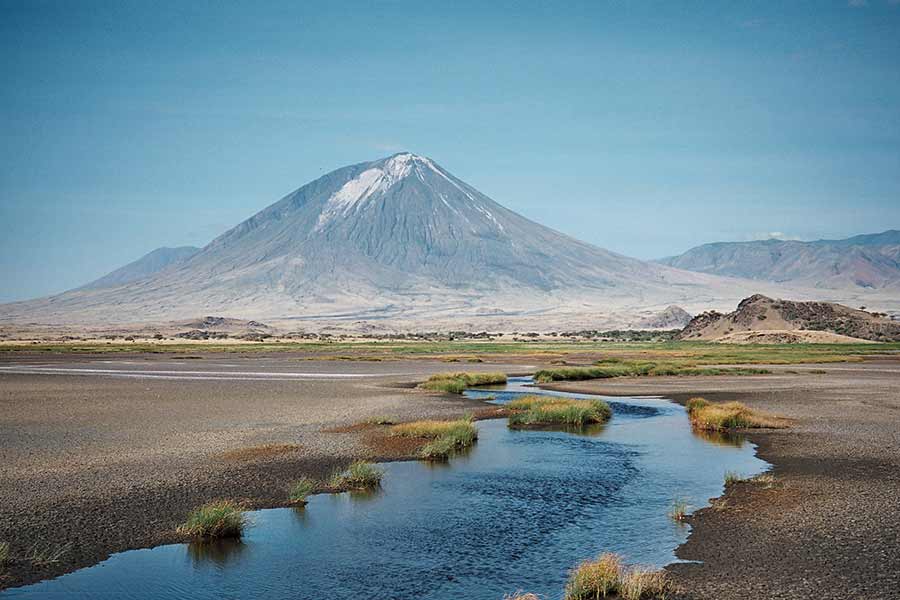
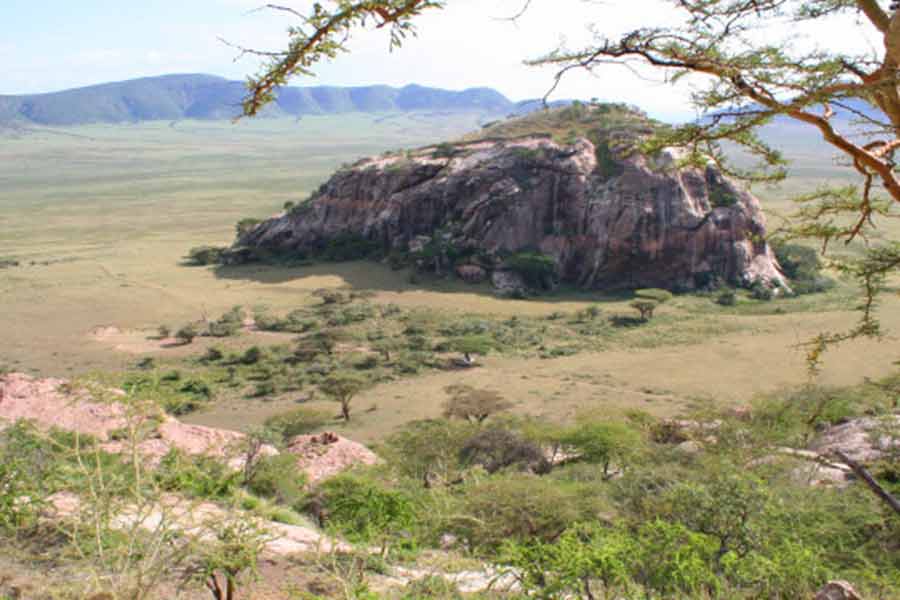
Just to show the rich topographical features of the area ...here’s a list of some of the features... The conservation area also includes two other volcanic craters, six peaks that top 10,000’ (3000m) and the south eastern corner of the west Serengeti plains.
Craters and Calderas: There are ten craters within the boundaries of the NCA, the names of the craters from East to West are (with their highest points),
- Kerimasi (2,300m)
- Empakaai (3,220m)
- Lolmalasin (3,700m)
- Losirua (3260m)
- Olmoti (3080m)
- Ngorongoro (2,440m)
- Oldeani (3,180m)
- Loroklukunya
- Sadiman (2,860m)
- Makarot (3,130m)
Of these Ngorongoro, Empakaai, and Olmoti aren’t true craters but are actually calderas (collapsed craters having a crater floor.
ngorongoro crater
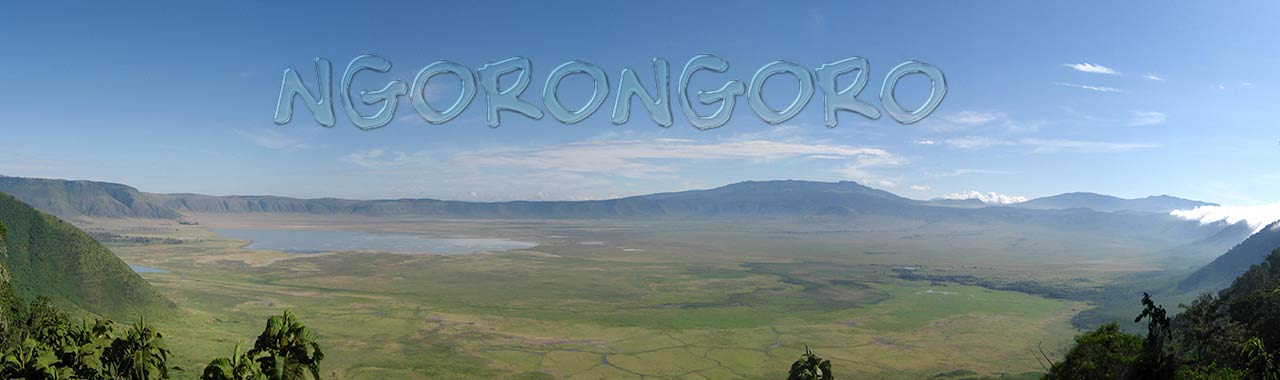
Formed from the same immense geological upheavals as the Great Rift Valley, Ngorongoro was once a mountain as high as Kilimanjaro. About 3 million years ago, it blew itself to bits, covering the Serengeti in ash while the crater floor sank into the mountain. Today the rim stands at a crisp 2,440 meters above sea level at its highest point. The Ngorongoro Crater is the world’s largest complete (unbroken and un-flooded) volcanic Caldera; it’s slightly oval in shape, being 21km along the east-west axis and 18 km along the north-south axis. The almost flat floor stands between 1700m-1830m and the surface area covers ± 304 km². The walls average some 610m in height and although very steep, they are rarely cliff like but frequently forested. From the top, it’s impossible to see the animals without binoculars, but the ever-changing play of light across the flowing grasslands can be hypnotic.
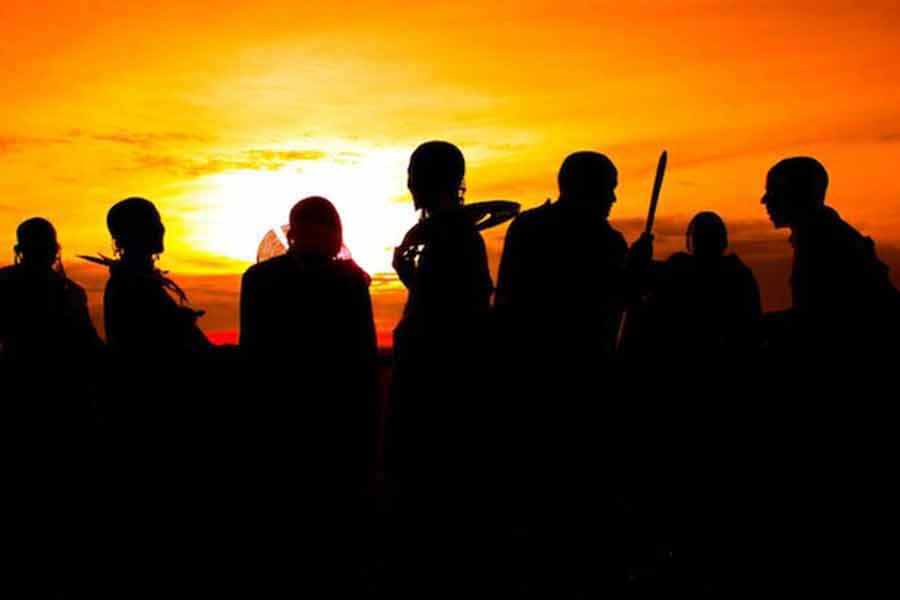
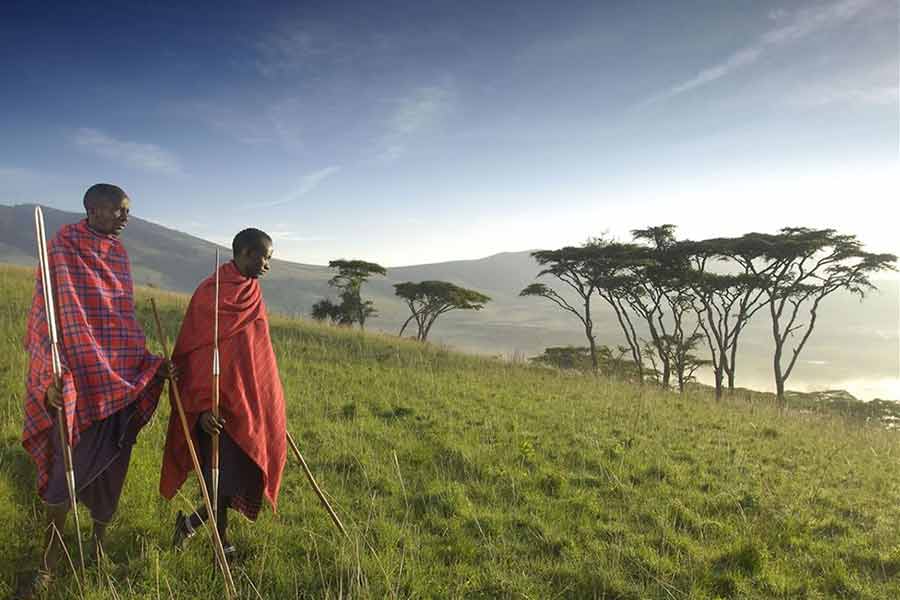
Ngorongoro is a Maasai word some say it mimics the clatter of cow bells, others that it is a traditional name for a type of bowl, similar in shape to the crater. The colourful Maasai are the traditional owners of the area, although they are relative newcomers, having forced the Mbulu and Datoga out of the area around 200 years ago.
Despite the steep walls, there’s considerable movement of animals in and out of the crater-mostly to the Serengeti, yet it remains a favoured spot for wildlife because there is permanent water and grassland on the crater floor.
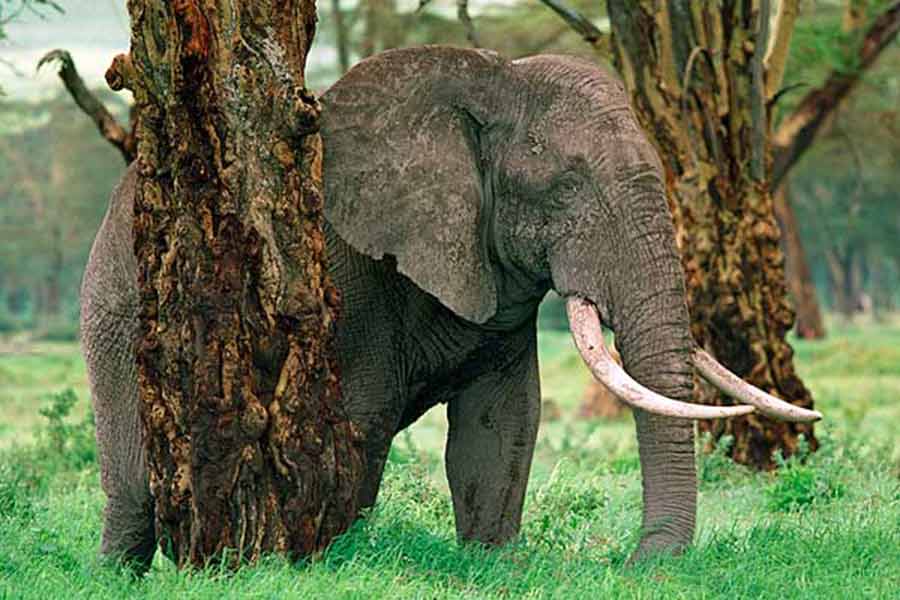
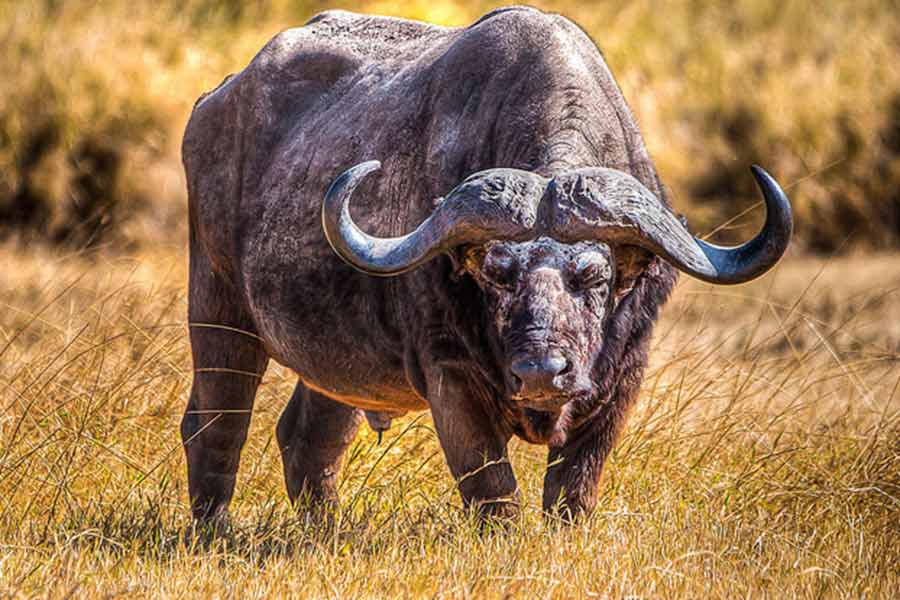
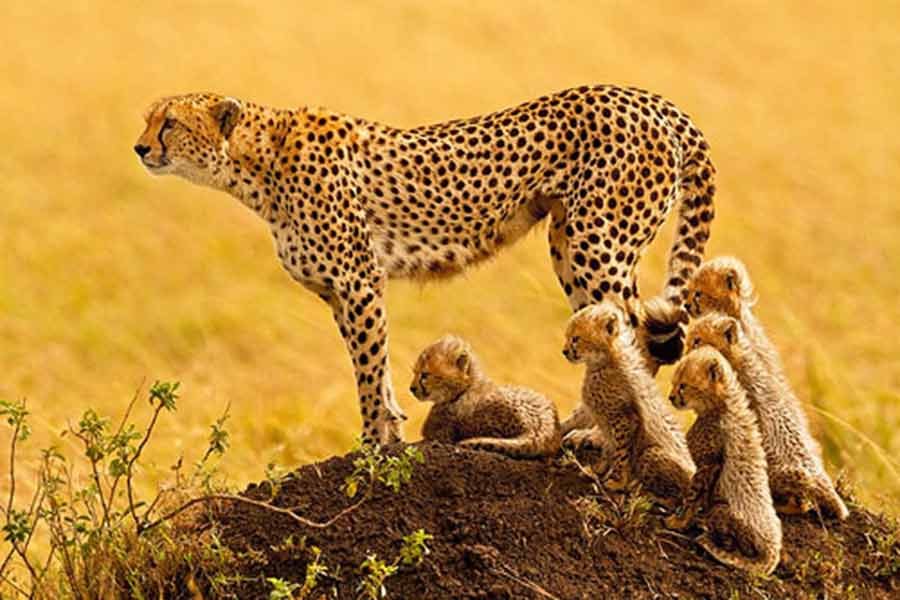
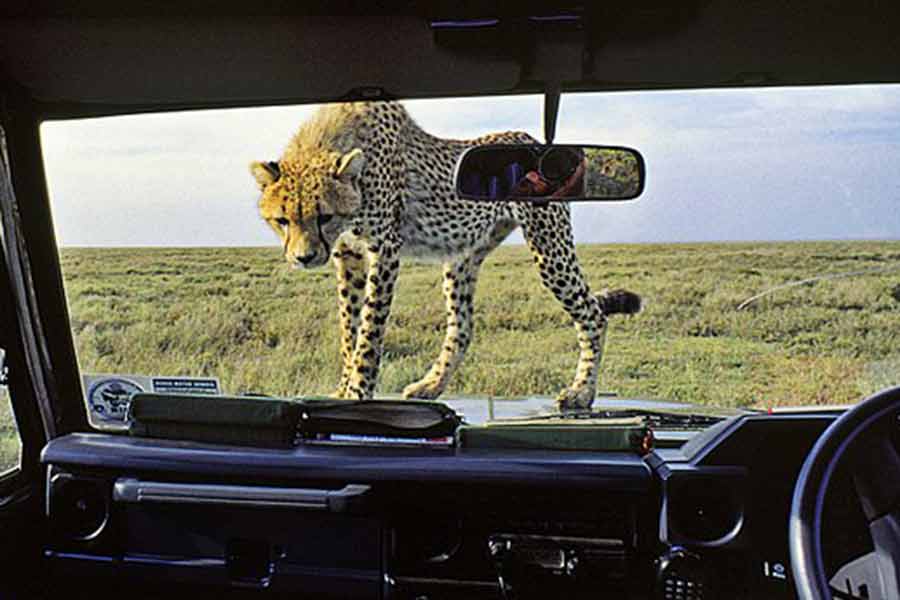
Some 115 species of mammals have been recorded in the Ngorongoro Conservation Area, 55 of which are harboured in the Ngorongoro Crater as well; there is a resident population of animals in the Ngorongoro Crater that varies in number from 25,000 to 30,000. The population seem to remain fairly stable with seasonal variations. Animals move freely in and out of the crater. The crater floor is primarily grassland with patches of spring –fed marshes, fresh water ponds, a salt lake and small. The fresh water (The Koitoktok springs during the dry season yields about 4.5 million litres per day) the crater holds supports this vast number of animals, the 3 ungulates that are conspicuously absent are the Impala, Topi and Giraffe due to the absence of their favourite food species.
empakai crater
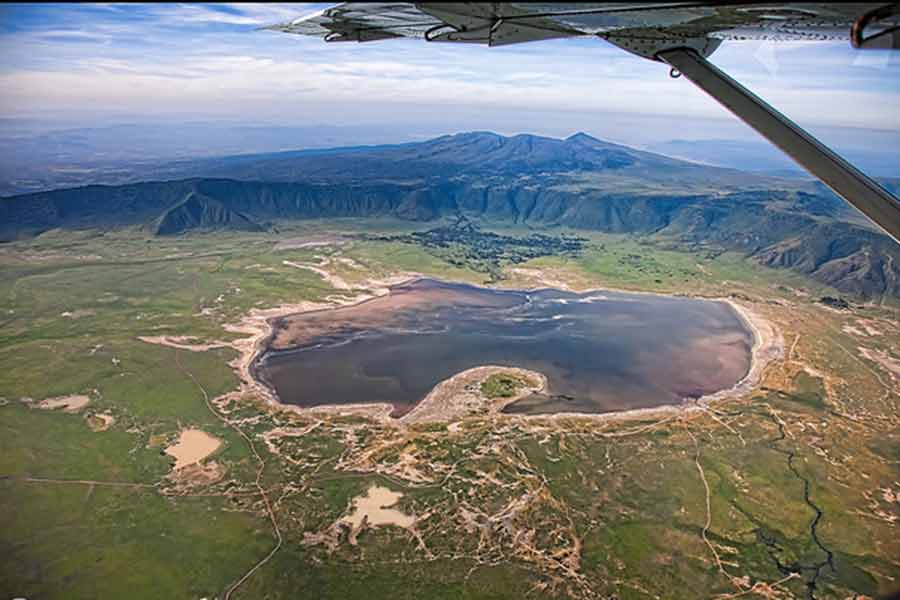
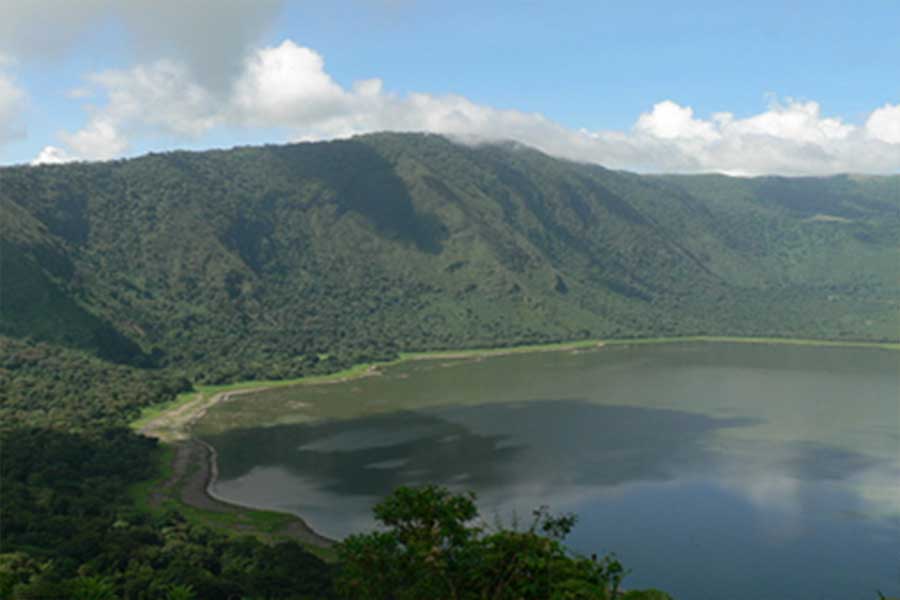
Empakaai is arguably the most beautiful place in the entire NCA, the elevation of the western rim is 3,200m above sea level and on the eastern rim its 2590m. The elevation of the floor is about 2,200m above sea level. The wall rises ± 300m (980 ft.) above the crater floor and the crater is about 8km in diameter. The circumference of the rim is ± 32 km but currently the road follows only the eastern rim. Because of the high altitude, the area is often shrouded in mist and combined with the emerald color of the lake; it creates an atmosphere straight out of a fairy tale!
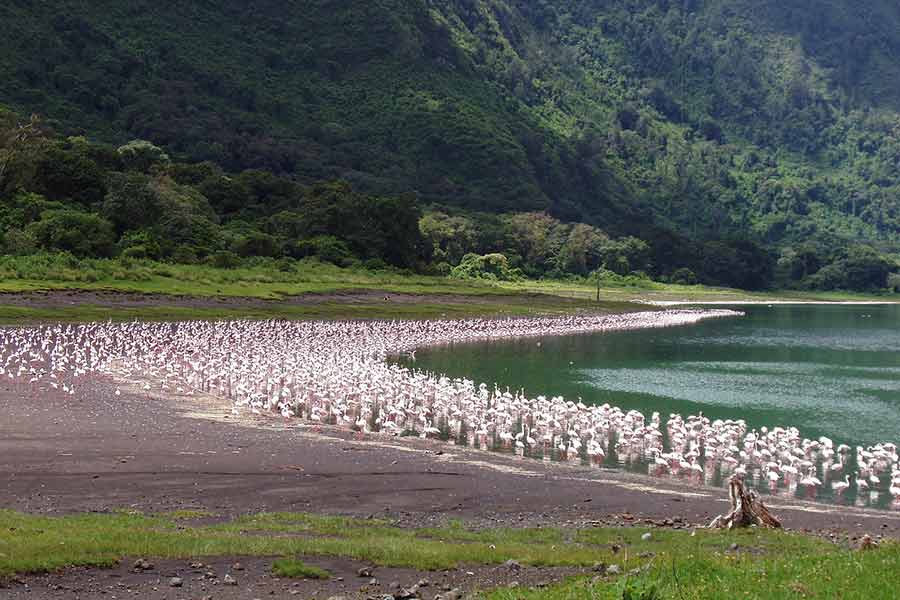
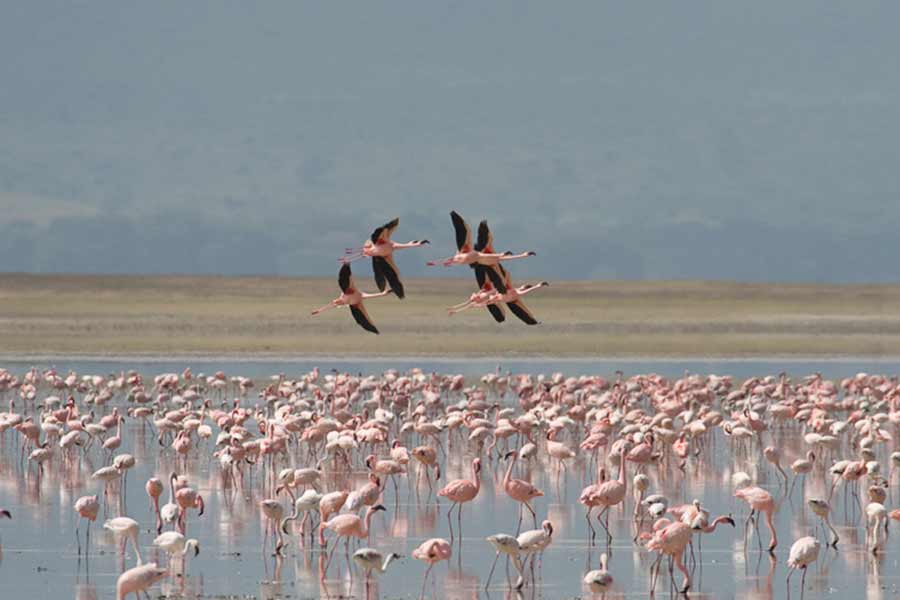
Like the Ngorongoro and Olmoti Craters, Empakaai is also a caldera, with the difference being that a large portion of its floor is covered in water. The water takes on an emerald to turquoise to deep-blue color, depending on the thickness of the clouds and the angle of the light-hence the alternative name of ‘Emerald Crater’. The water is often lined with pale pink-the result of thousands of Flamingos that congregate there to feed during the day, returning to their nesting sites at night, mainly at Lake Natron. Although Lake Empakaai is a salt Lake, it’s about 61 m deep in places-extremely deep for a salt lake (Lake Manyara ...). Its depth accounts partly for its iridescent color.
There are camps on the eastern rim, you can walk down to the lake at the bottom of the crater in about 30 to 50 min, or trek the 32km circumference of the rim the entire day, though you’ll need to be accompanied by a ranger because of the buffaloes.
If you are a plant lover you are literally in paradise and to preserve this rich plant life the Maasai’s aren’t allowed to graze cattle here.
olduvai gorge
The Earliest history of human beings is pieced together from a handful of bones and a few broken tools scattered across thousands of miles, from South Africa to the Gobi desert, and a biological and social study of our nearest relations, primates such as chimpanzees and gorillas. One new find, a skull or a set of fossilized footprints, can rewrite the books. At best it’s in inexact science.
Yet one thing cannot be disputed-as things stand at the present, many of the key discoveries on which we base our knowledge of our earlier ancestors have been made by one family, the Leakeys in East Africa-in Ethiopia at Kobi Fora on Kenya’s Lake Turkana and, above all, in the Oldupai Gorge. Perhaps more than any other place on earth, Oldupai has a claim to be the Garden of Eden, whether it is because it is genuinely the birthplace of mankind or whether it is simply because the Gorge has conveniently exposed the ancient fossil beds to modern science.
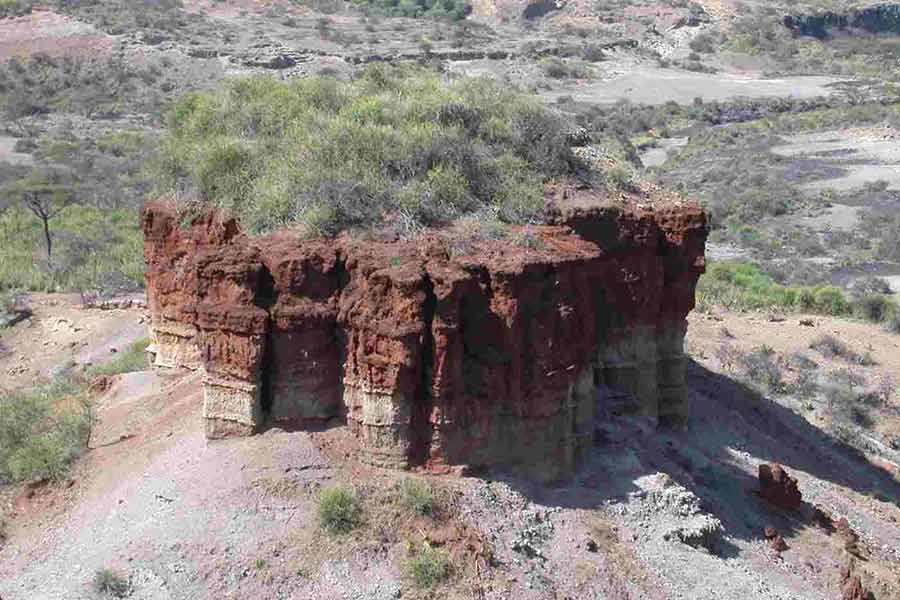
‘Oldupai Gorge (originally misnamed Olduvai) is a deep valley traversing the short grass plains, the wind swept Gorge is about 30 miles long and about 90 meters ( 295 feet ) deep, lying within the rain shadow of the Ngorongoro highlands, it’s named after oldupai, the Maasai word for the spiky wild sisal plant.
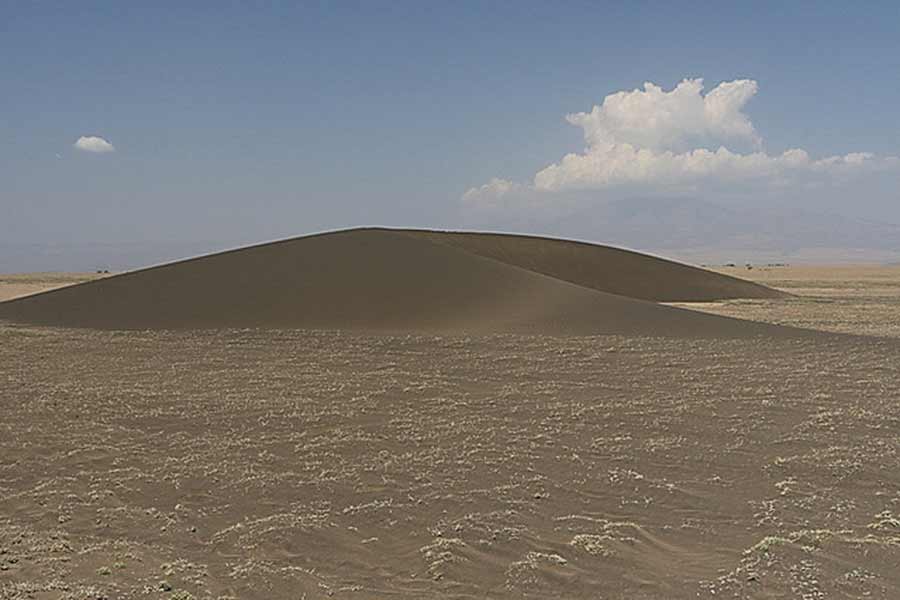
The Walls of the Gorge reveal seven main layers of sediments (of history....) of what was once the banks/shores of a very large lake which dried out and was covered over by thick layers of Volcanic Ash, which have carefully preserved some of the earliest records of mankind, some 500,000 (100,000) years ago seismic forces diverted a nearby stream which began to cut down the sediments laying bare the rich fossil beds. These were discovered on 1911 by a German Professor Katwinkle while out hunting for Butterflies. He carried out one small dig in 1913, but little else was done until Louise and Mary Leakey arrived in 1931, their excavations yielded four different kinds of hominid, showing a gradual increase in brain size and the complexity of their tools.
Archaeologists have been working here ever since, and have made many of prehistory’s most famous and influential discoveries in the Canyon walls. Standing in the Gorge you are as close as you can get to the cradle of humanity. It’s an awe inspiring thought-especially when you see the cast of footprints made at Laetoli about 3.6 million years ago.
In 1959 Mary Leakey discovered A. Boisei known as Zinjanthropus “nutcracker man”, a line that latter died out and not a direct ancestor to modern man.
In 1964 Louis Leakey and his team discovered Homo habilis “handy man” who lived about 2 million years ago, they were originally thought to be the true ancestor to modern man this has now been disapproved.
In 1976 Mary Leakey again uncovered three different sets of footprints at Laetoli, near Olduvai, thought to have been made by A. Afarensis “Lucy” around 3.6 million years ago, they have been covered over again for preservation, but there is a cast in the Olduvai Musuem.
Homo Erectus “Upright Man” was also discovered here too.
Based on fossil evidence found in the oldupai gorge it is believed that various hominid species have been occupying the crater continuously for the past three million years of Ngorongoro’s existence. Native hunter and gatherers who initially lived in the vicinity were replaced by pastoralists a few thousand years ago...
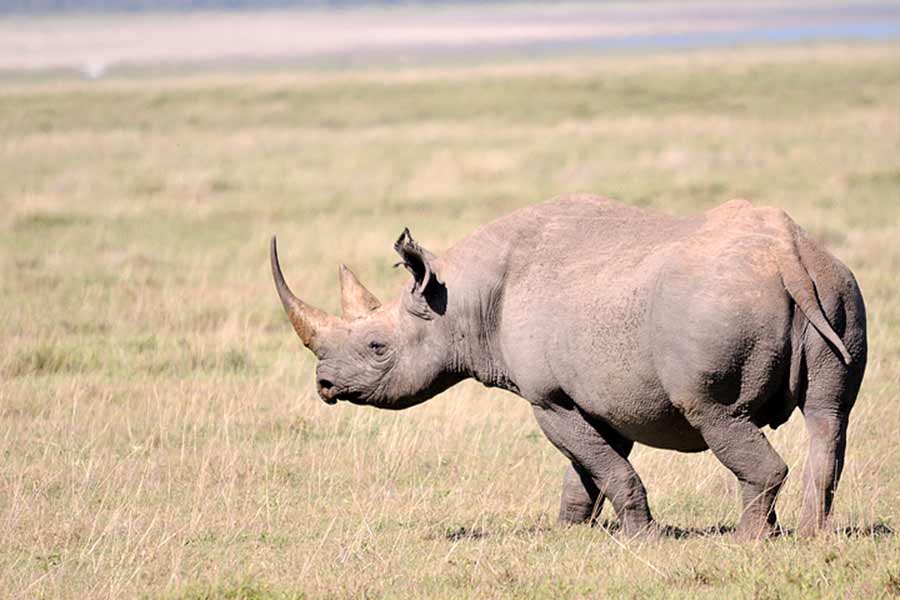
Human remains are not the only fascinating finds at Olduvai Gorge. Once a site of a fresh water lake, the area was teaming with wildlife, much of it now extinct. The Black Rhino (twice its current size), Hare, Pigs (the size of a Hippopotamus), Guinea Fowl and Gazelle have been around in a readily identifiable form for the past 4 million years. The early days they would have been joined by the Pigmy Giraffe, Giant Tortoise, Three toed horse and horse like Chalicothere. Two million years ago, the Hyena made its first appearance, along with early species of Elephants, Hippo, Lion and the Long Horned Buffalo. One million years ago you could have seen Giant Baboons, a now extinct Zebra and an early form of Wildebeest.
All these archaeological records cover about 4 million years, mainly from the Pleistocene era, about 7000 extinct animal species have been unearthed and there were about 60 different finds of hominid 2 million to 17,000 years.